







Search Results for: Pour-Over Technique
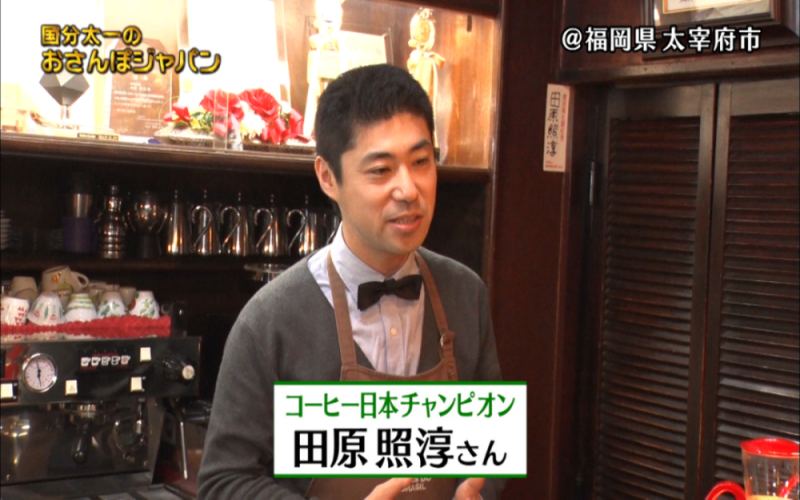
A Complete Guide to the Japanese Pour-Over Zigzag Technique: From Parameters to Flannel Extraction Tips for Delicious Coffee
In the world of pour-over coffee, the Japanese school has always held a unique position. Besides the common circular pouring, there is another technique called the "zigzag pouring method." It is not a misreading of "の字" (the character "no"), but rather a unique method created by Mr. Teruharu Tahara of the long-established Japanese coffee shop Rankan. Through repeated research, Front Street Coffee has found that this "zigzag" pouring method can produce a completely different extraction effect. This article will break down the operating parameters of the zigzag pouring method in detail, including water temperature, grind size, coffee-to-water ratio, and pouring rhythm, and extend to the application of flannel filter cloth, teaching you how to make a delicious cup of flannel pour-over. Whether you are a beginner just getting into pour-over or a seasoned enthusiast looking to refine your technique, you can gain practical reference from it. [more…]
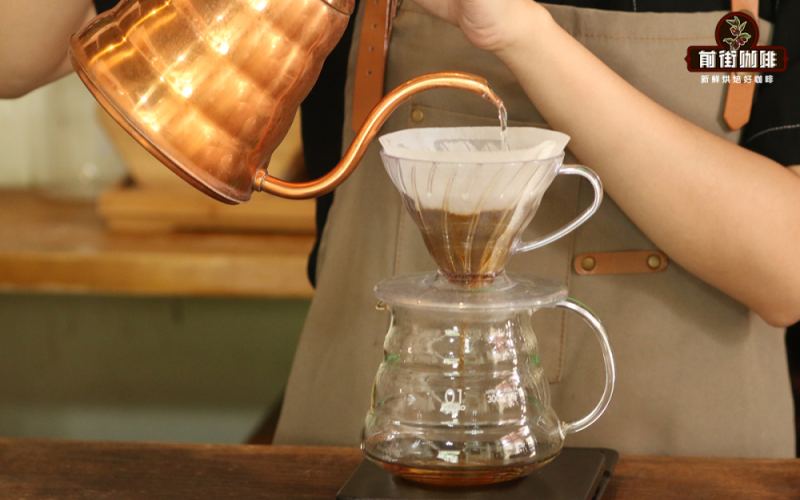
An In-Depth Analysis of Pour-Over Coffee Pouring Techniques: How Washing and Immersion Affect Single-Origin Extraction
The joy of pour-over coffee lies in its many variables, and the pouring technique is precisely the most difficult part to control. Front Street rarely emphasizes technique in its daily brewing sharing, because technique itself is full of uncertainty—if you do not understand the extraction logic behind it, the more you master, the more likely your results will become inconsistent. This article will focus on the two mechanisms in the pouring process—flush extraction and immersion extraction—analyze how the number of pouring stages affects the extraction yield and total time, and highlight why circular pouring can effectively reduce turbulence and improve flushing efficiency. Whether you are a beginner just getting into pour-over or an enthusiast hoping to refine your skills, understanding these underlying principles can help you brew a delicious single-origin coffee with greater ease. [more…]
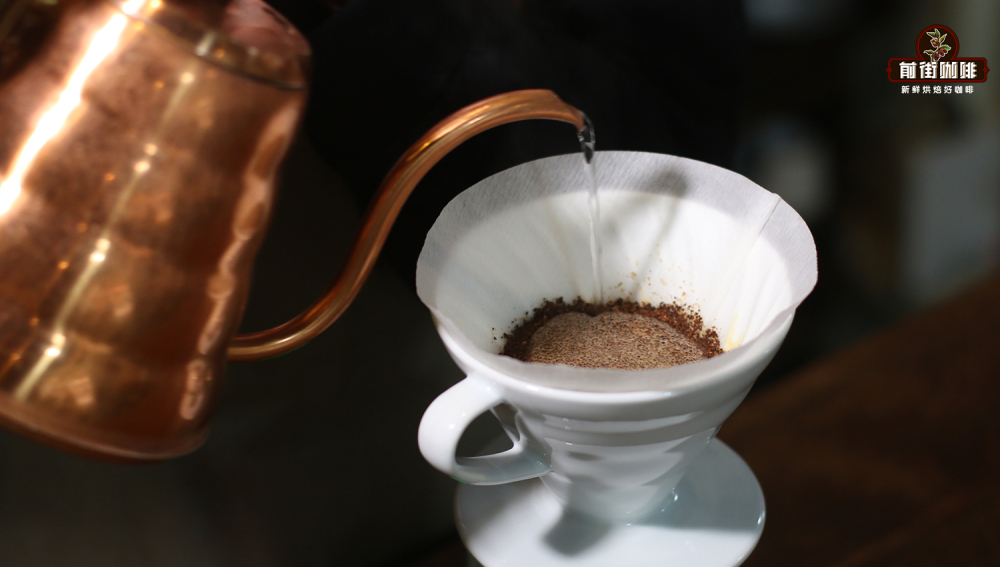
Single-Serve Pour-Over Coffee Method | What Is Gold Cup Extraction Yield? Which Brewing Technique Suits Coffee Beginners? Pros and Cons of the Drip Method, Volcano Pour, and One-Pour Technique
Front Street Coffee encounters customers asking about pour-over coffee every day, whether it's about what pouring technique should be used for pour-over coffee, or how much coffee grounds to use for pour-over coffee. In fact, with the development of coffee culture, more and more people no longer think of coffee as [more…]

Pour-Over Coffee: Water Pouring Technique vs. Coffee Beans—Which Matters More? An In-Depth Analysis from Extraction Principles to Front Street Coffee in Practice
In an era where self-media tutorials are everywhere, beginners often blame their brewing technique when coffee doesn't taste good. But can technique really turn something mediocre into something magical? Starting from the dissolution patterns of flavor compounds, this article analyzes how the alternation of washing and soaking during pouring affects extraction efficiency, and uses the comparison between the three-pour method and the one-pour method as an example to reveal the source of differences in sweetness. At the same time, through blind tasting experiments, Front Street Coffee shows that what ultimately determines the ceiling of a cup of coffee is still the beans themselves. Technique can only add the finishing touch; choosing the right beans is the key. [more…]
Pour-over Coffee Single-Pour Technique Tutorial: A Complete Guide to Brewing Steps, Flavor Characteristics, and Grind Parameters
Among the many ways to brew pour-over coffee, the single-pour method is one of the first techniques many enthusiasts encounter and the easiest to understand. Its core logic is simple and clear—after the bloom, the entire target volume of water is poured in one go. That said, the single-pour method does not mean pouring water only once; the process still consists of two stages: the bloom and the main pour. Coffee brewed this way tends to be clean, clear, and consistent in flavor, but it also places stricter demands on pouring stability, grind size, and other parameters. In this article, from the perspective of a Front Street Coffee barista, we will break down the complete single-pour brewing process in detail, analyze its flavor performance and operational challenges, and help those just getting started quickly master this classic technique. [more…]
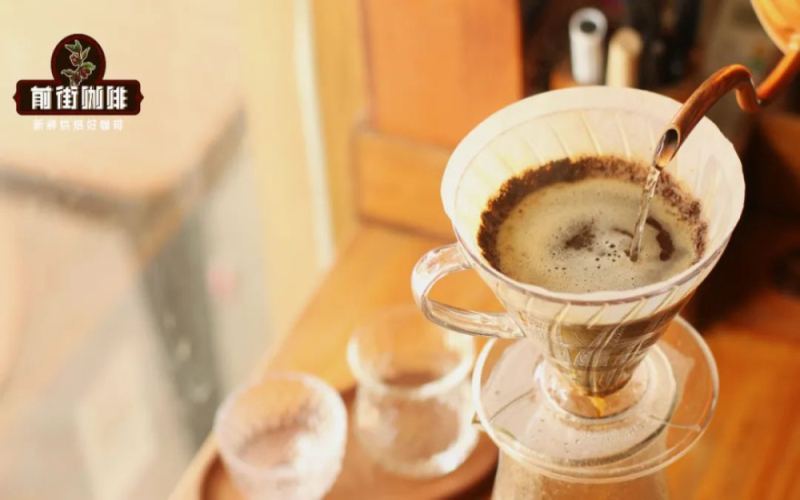
How to brew with the one-pour tornado pour-over method? A full breakdown of pouring technique, parameter settings, and flavor performance
In the exploration of pour-over coffee, enthusiasts always manage to create eye-catching new brewing methods. Today, Front Street Coffee is going to try the "one-pour tornado brewing," an aggressive technique that combines the traditional one-pour method with cyclone-style pouring. It divides the target water volume into two stages—blooming and main extraction—without pausing in between, and then creates a whirlpool through rapid circular pouring and a large, fixed-point stream, resulting in higher extraction efficiency and a thicker body. However, this technique places extremely high demands on flow control and parameter coordination, and it is not suitable for all beans. This article will break down the operational steps of the one-pour tornado, parameter adjustments, comparisons with the conventional one-pour method, and recommendations for suitable bean types, giving you a comprehensive understanding of this brewing method that is both visually striking and challenging. [more…]

An Analysis of the Japanese Volcano Pour-Over Technique: A Complete Guide from Principle to Practice
The volcano pour is a pour-over coffee technique that originated in Japan. Thanks to its distinctive spiral pouring and blooming method, it has earned a solid reputation among coffee enthusiasts. Through staged pouring and the formation of a central volcano-shaped coffee bed, it allows the coffee to extract a more balanced layering of flavors. This article will break down the steps of the volcano pour, its key points, and the typical characteristics of Japanese-style pour-over, helping you reproduce this technique at home. At the same time, Front Street Coffee, a specialty coffee brand in Dongshankou, Guangzhou, also provides practical reference and equipment suggestions for this article. [more…]
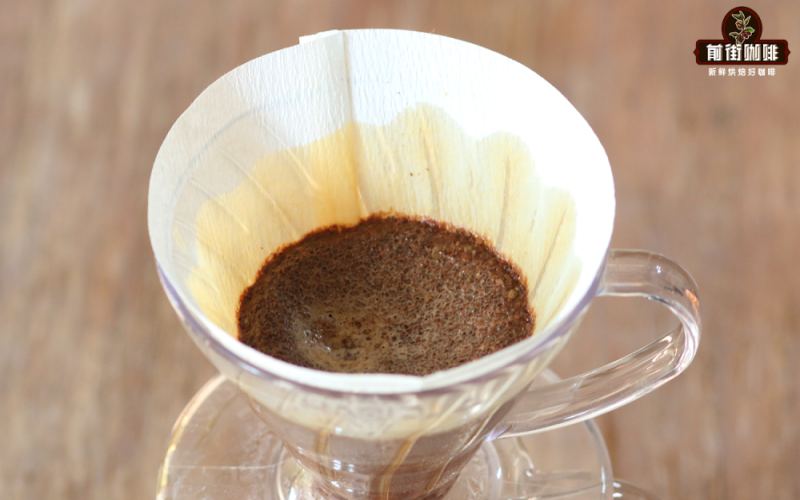
The Cause of the Central Collapse in the Coffee Bed After the Bloom in Pour-Over Brewing: The Combined Effect of Water Volume, Technique, and Grind Size
The blooming phase of pour-over coffee is often seen as the first dialogue with the coffee grounds, and an ideal expansion state often indicates a smooth subsequent extraction. However, sometimes the coffee bed clearly puffs up, only to have a pit form in the middle moments later—is this actually normal? This article analyzes this phenomenon, first explaining the physical mechanism behind expansion followed by collapse, and then investigating the causes one by one from three angles: water volume, pouring technique, and grind size. Front Street Coffee uses 15 grams of light-roast beans for simulation comparisons, showing the actual changes in the coffee bed under different parameters, to help you quickly identify problems in daily brewing, adjust your technique and parameters, and get the blooming state back on track. [more…]
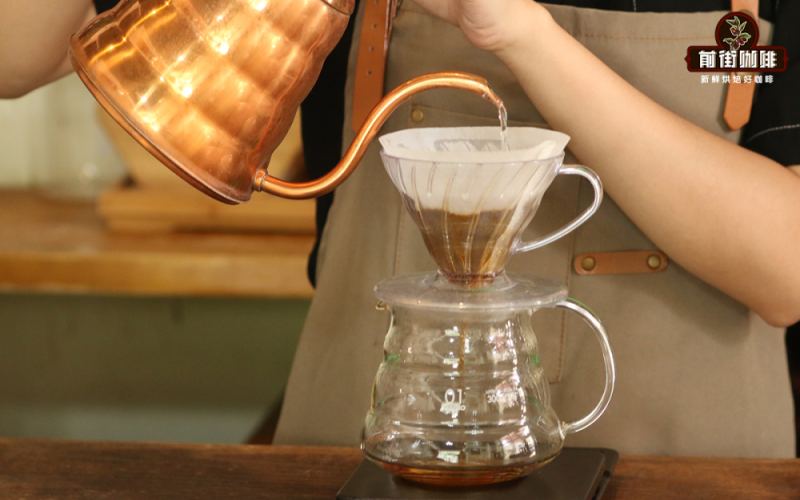
Coffee brewing technique tutorial | What are the technique and extraction principles of the three-pour method for pour-over coffee? Why is the hot water for brewing coffee divided into three pours?
Front Street Coffee (FrontStreet Coffee) entered the coffee industry in 2013, and has come step by step from coffee cultivation and coffee roasting to coffee service. Today, the more than 30 coffee beans displayed in the shop are only Front Street Coffee (FrontStreet Cof [more…]
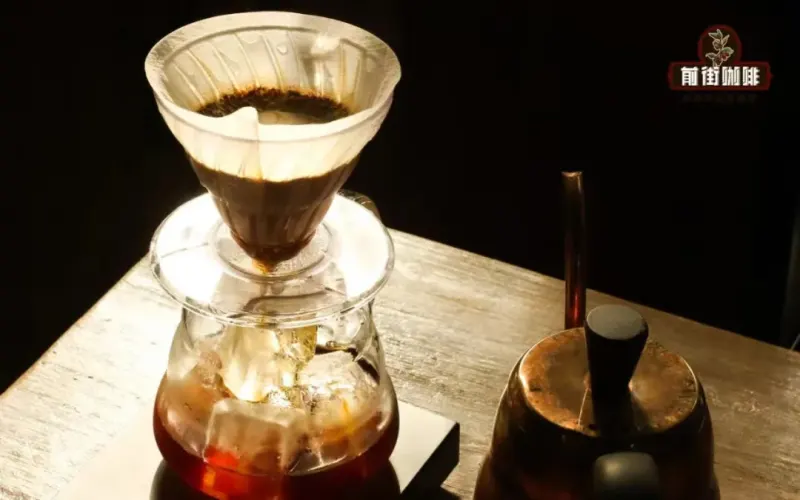
Complete Guide to Making Iced Pour-Over Coffee: Coffee-to-Water Ratio, Temperature Parameters, and Three-Pour Technique Explained
On a scorching summer day, a refreshing glass of iced pour-over coffee is undoubtedly a great way to cool down. But many coffee enthusiasts often run into the problem of weak flavor and thin body when making iced pour-over at home. This article starts from the two core factors of strength and extraction yield, systematically explaining the key differences between iced pour-over and hot pour-over—why you should reduce the amount of water poured, why you should adjust the grind size and pouring technique—and provides two complete sets of parameters tested by Front Street Coffee for medium-light roast and dark roast, including coffee dose, coffee-to-water ratio, ice amount, water temperature, and dripper selection. The article also recommends several popular Front Street Coffee beans suitable for making iced pour-over, and uses the Xizhao bean as an example to demonstrate step by step the complete brewing process of blooming and three-stage pouring, helping you easily brew a pot of full-bodied, juicy, delicious coffee. [more…]
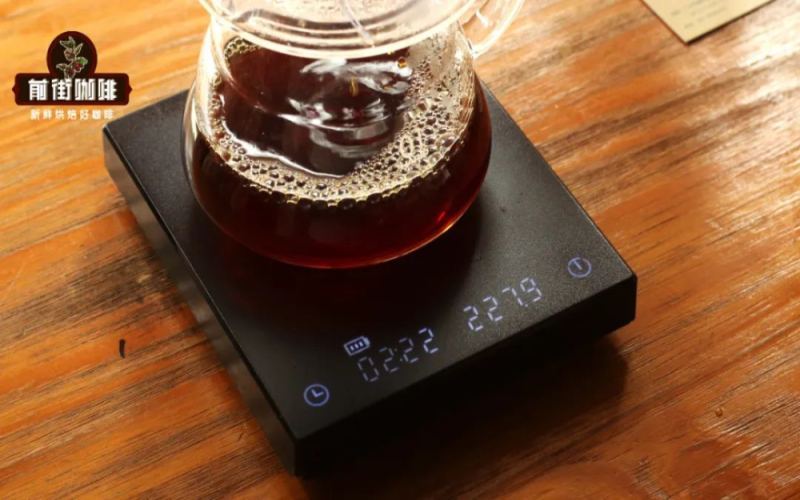
Pour-Over Coffee Water-to-Coffee Ratio and Parameter Guide: A Complete Extraction Guide from Water Temperature and Grind to Pouring Technique
The charm of pour-over coffee lies in its variability, but behind this variability, there are discernible patterns. Many enthusiasts follow tutorials to brew, yet the taste fluctuates—sometimes good, sometimes bad. The problem often lies in mastering the core parameters. Drawing from Front Street Coffee's production experience, this article systematically outlines the six major factors affecting pour-over flavor: water temperature, coffee-to-water ratio, grind size, pouring technique, time, and water quality. Among these, how to choose the water temperature range, how the coffee-to-water ratio balances extraction yield and concentration, why grind size is of utmost importance, and how to adapt pouring techniques on the fly are all broken down one by one with specific cases and recommended bean lists, helping you find consistent good taste amidst constantly changing parameters. [more…]
Why should pour-over coffee extraction time be recorded? Abnormal times reveal problems with grinding, technique, and equipment
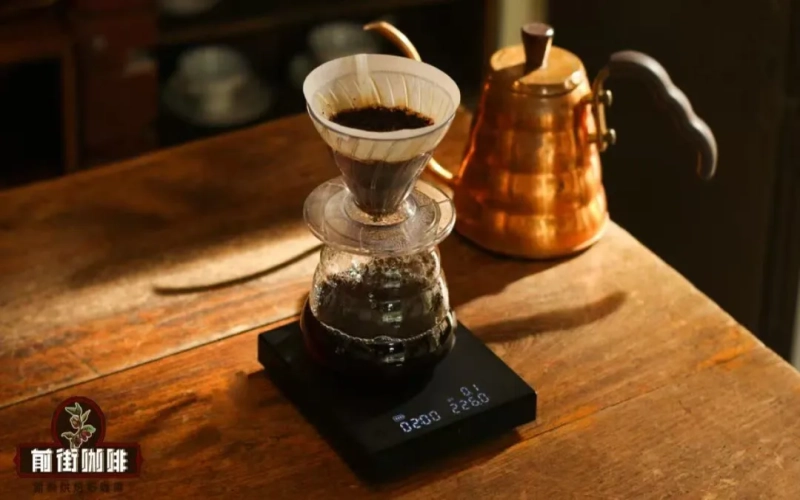
Many coffee enthusiasts habitually start a timer when brewing, but some also feel that timing is optional. In fact, although time cannot be directly controlled, it can help us judge whether the grind, technique, and equipment are suitable. This article, from Front Street's perspective, discusses why timing matters in pour-over coffee, what extraction times that are too fast or too slow each mean, and how to correct brewing problems by adjusting grind size, pouring method, and dripper, so you can brew a good cup of coffee more consistently. [more…]
How to Control the Blooming Stage in Pour-Over Coffee? A Detailed Explanation of the Actual Impact of Water Volume, Duration, and Technique on Flavor
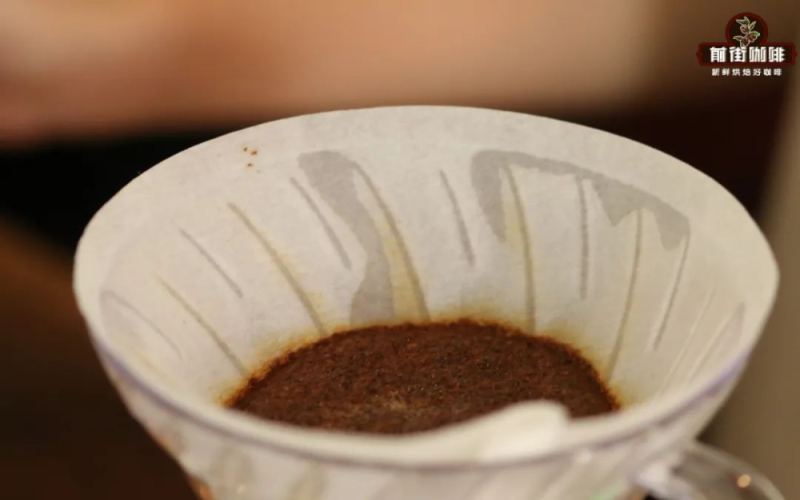
Blooming is a key step in pour-over coffee that affects extraction stability. By releasing carbon dioxide trapped in the coffee grounds, it creates the conditions for the smooth release of flavor compounds later on. But blooming is not absolutely necessary—the "one-pour" method previously shared by Front Street Coffee can skip this step entirely. So how exactly should you control the water amount, timing, and technique during blooming? Using 2x the coffee dose and 30 seconds as standard references, this article analyzes one by one the specific changes in coffee flavor when the water amount is too little or too much, and when the time is too short or too long, and offers pouring suggestions suitable for beginners to help you make more accurate judgments in actual practice. [more…]
A Complete Analysis of Pour-Over Coffee Parameters: How Water Temperature, Coffee-to-Water Ratio, Grind Size, and Pouring Technique Affect Extraction
Many coffee enthusiasts encounter the same confusion when practicing pour-over: even when they follow the tutorials strictly, the taste comes out very different every time, and whether it is good or not seems to depend entirely on luck. The variables affecting pour-over coffee are indeed numerous—from water temperature, coffee-to-water ratio, and grind size to pouring technique, time, and water quality, each one can influence the final flavor in the cup. Based on Front Street's practical experience, this article will break down these six major elements one by one, helping readers understand which parameters truly determine the taste of coffee, which steps play a key role in extraction, and how to accurately identify the root of the problem when coffee goes wrong and flexibly adjust the brewing plan. [more…]
A Complete Breakdown of Pour-Over Coffee Parameters: Water Temperature, Coffee-to-Water Ratio, Grind Size, and Pouring Technique—Which One Determines the Brewed Flavor?
Many friends who are just getting into pour-over coffee run into the same confusion: even when they follow the tutorial exactly, the cup tastes different every time, and whether it's good or not seems to come down to luck. There really are quite a few variables that affect pour-over coffee—among the six key elements of water temperature, coffee-to-water ratio, grind size, pouring technique, time, and water quality, which one actually plays the decisive role in the final flavor? Drawing on our daily production experience and experimental observations, Front Street breaks down the real impact of each of these parameters one by one, to help everyone clear up their thinking and find the right direction for adjusting the taste of their coffee. [more…]

Pour-over coffee method step-by-step guide | How to brew a delicious pour-over coffee? What are the water temperature, time, ratio, and how do you do the three-pour technique?
For professional coffee knowledge exchange and more coffee bean consultations, please follow Coffee Workshop (WeChat public account cafe_style). If you love drinking coffee, pour-over coffee is a skill you absolutely must master. Whether it's ordinary coffee beans or specialty coffee beans, pour-over coffee is one of the most widely used extraction methods. [more…]
Analyzing the Chemex Coffee Maker's Design Features and Pour-Over Differences: With Brewing Parameters for Four Front Street Coffee Pour-Over Beans
Since its introduction in 1941, the Chemex coffee maker has been rated by scholars at the Illinois Institute of Technology as one of the best-designed products, thanks to its one-piece filter cone and carafe design, and it is now held in the Museum of Modern Art. It requires no additional filter cone, but must be paired with proprietary filter paper. From the perspective of Front Street Coffee, this article reviews the Chemex's features and pour-over steps, focusing on the four key elements of grind size, water temperature, coffee-to-water ratio, and brewing technique, and recommends four Front Street pour-over beans of different roast levels—Yirgacheffe Gudingding, Kenya Asaliya, Brazil Queen, and Indonesia PWN Golden Mandheling—with their respective brewing parameters and flavor descriptions for coffee enthusiasts' reference. [more…]
PWN Golden Mandheling Pour-Over Technique Explained: Is It Suitable for Brewing Before the Resting Period Is Complete?
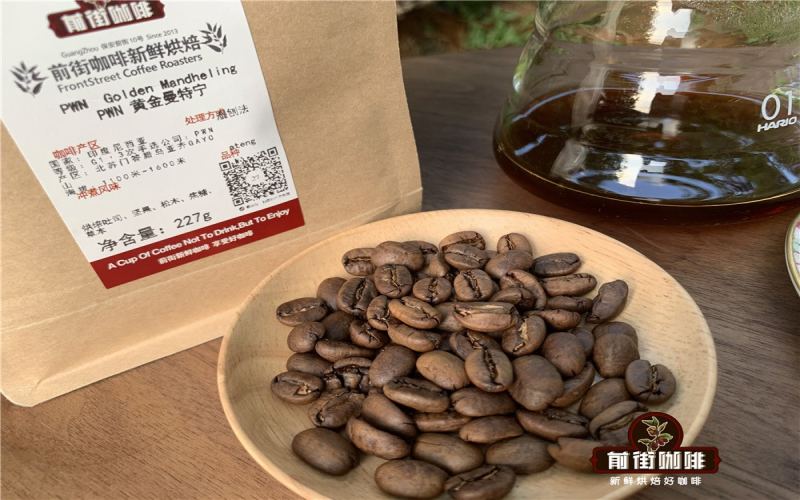
Golden Mandheling, as a representative of Indonesian specialty coffee, is favored by coffee enthusiasts for its mellow, clean taste and long-lasting finish. But to brew an ideal cup of Golden Mandheling at home, besides choosing the right beans, you also need to master key parameters such as water temperature, grind size, coffee-to-water ratio, and pouring technique. At the same time, many friends ask: if the coffee beans haven't passed their resting period yet, can they still be brewed? In this article, Front Street will focus on PWN Golden Mandheling coffee beans, breaking down everything from the bean's background and processing method to the three-pour brewing technique, and explaining the relationship between the resting period and coffee flavor, to help you more confidently enjoy a good cup of coffee at home. [more…]
A Beginner's Guide to Pour-Over Coffee: From English Terminology to the Seven Elements and the Three-Pour Technique Explained
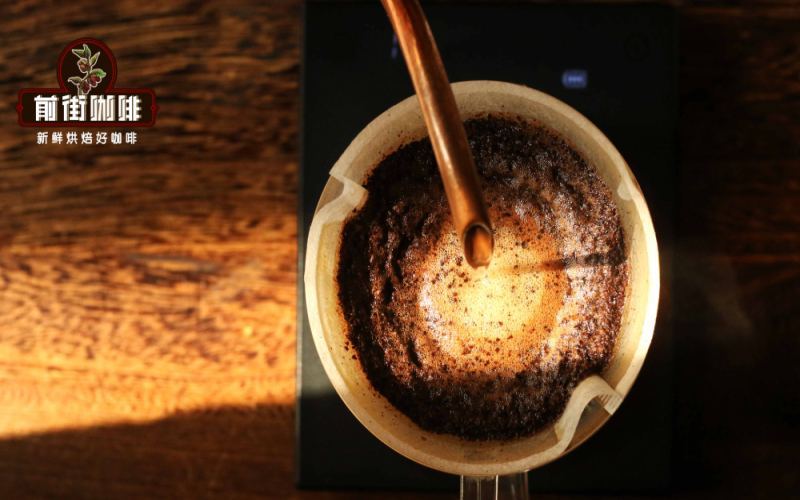
The correct English term for hand-brewed coffee is "Pour over coffee," not the literal translation "Hand coffee." This brewing method, which extracts coffee liquid under one atmosphere of pressure using a dripper and filter paper with a steady pouring technique, has strict requirements for grind size, water temperature, pouring technique, and timing, making it a real test of the brewer's skill and expertise. This article, drawing on the hands-on experience of Front Street Coffee, systematically outlines the basic concepts of pour over coffee, the seven key factors that determine flavor, and breaks down in detail a three-stage pouring process suitable for beginners, helping coffee lovers consistently brew a cup of full-aroma good coffee at home. [more…]
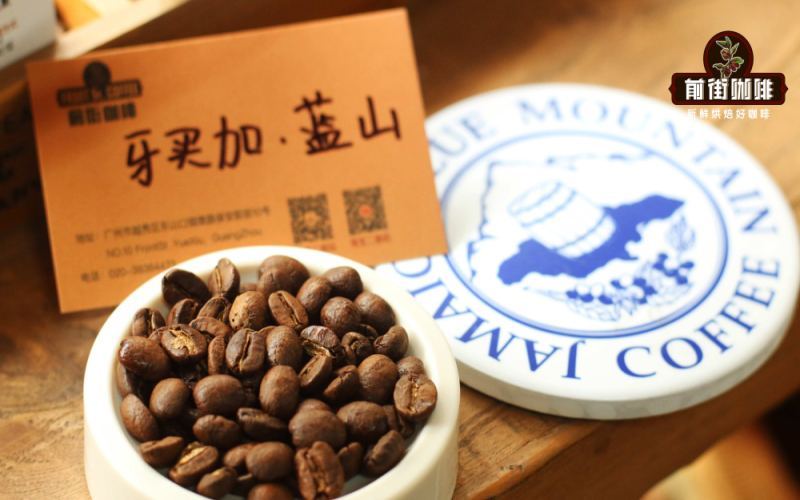
The Complete Guide to Pour-Over Jamaican Blue Mountain Coffee: Water-to-Coffee Ratio, Water Temperature, and Three-Pour Technique Explained
Blue Mountain coffee is scarce in production and commands a high price per cup in cafés, leading many enthusiasts to buy Blue Mountain coffee beans and brew them at home by pour-over to save money. However, few people can accurately bring out the flavor of Blue Mountain coffee. This Clifton Estate Blue Mountain No. 1, introduced by Front Street Coffee, comes from the oldest coffee estate in the Blue Mountains and is the only Blue Mountain estate with Rainforest Alliance certification. It uses the Typica variety and washed processing, and its flavor is known for dark chocolate, nuts, cream, and a balance of acidity, sweetness, and bitterness. This article will systematically explain how to correctly brew Blue Mountain coffee by pour-over from four dimensions—water temperature, grind size, coffee-to-water ratio, and brewing technique—to help you consistently present this top-tier bean's richness and balance at home. [more…]