







For professional coffee knowledge exchange and more coffee bean consultations, please follow Coffee Workshop (WeChat public account cafe_style)
If you love drinking coffee, pour-over coffee is a skill you absolutely must master. Whether it's regular coffee beans or specialty coffee beans, pour-over coffee is not onlyone of the most widely used extraction methods,but also a mainstream brewing method that accompanies us as we advance. Nowadays, as coffee culture in China becomes increasingly rich, pour-over coffeeis also very common in daily life. So next, let Front Street Coffee tell you how to make a delicious cup of pour-over coffee.

What does pour-over mean in coffee?
Pour-over coffee, also called drip coffee, was invented in 1908 by a German woman named Melitta Bentz. To promote this brand-new coffee extraction method to the world, Mrs. Melitta also founded the Melitta company in the same year, selling various types of coffee equipment products. Pour-over coffee is simply the method of pouring hot water to let the soluble substances in the coffee grounds enter the hot water, and the extracted liquid then drips through a filter paper or filter mesh into a container, resulting in black coffee liquid.
For friends who are just starting to learn about pour-over coffee, Front Street does not recommend getting too hung up on what grind size, what technique, or what water temperature to use. As long as you pay attention to a few principles and details, you can actually brew a delicious cup of coffee at home very easily.
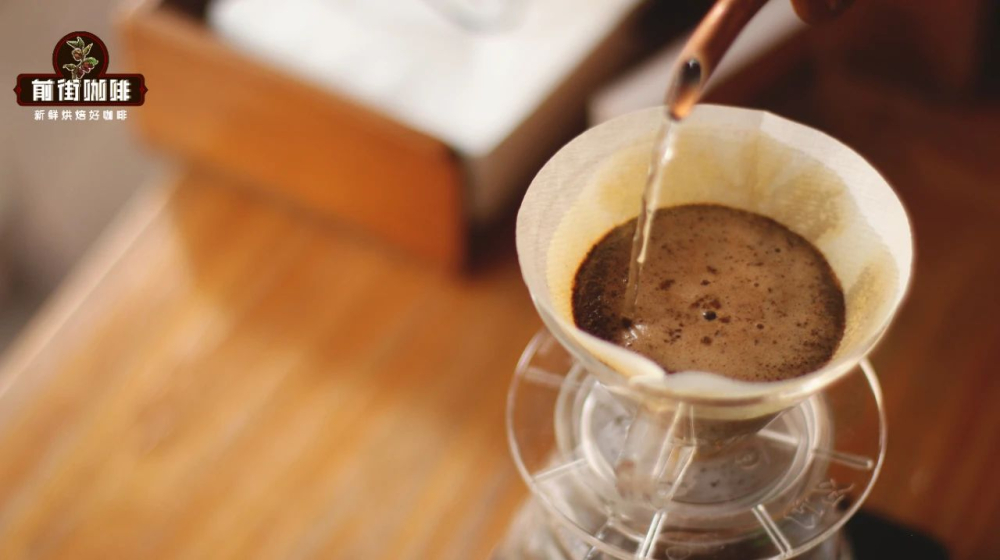
Before making a cup of pour-over coffee, the tools you need to prepare:
An electronic scale with a timer, a 0.85mm standard sieve for grind size checking, a thermometer, a coffee grinder, a pour-over kettle, a dripper, and filter paper.
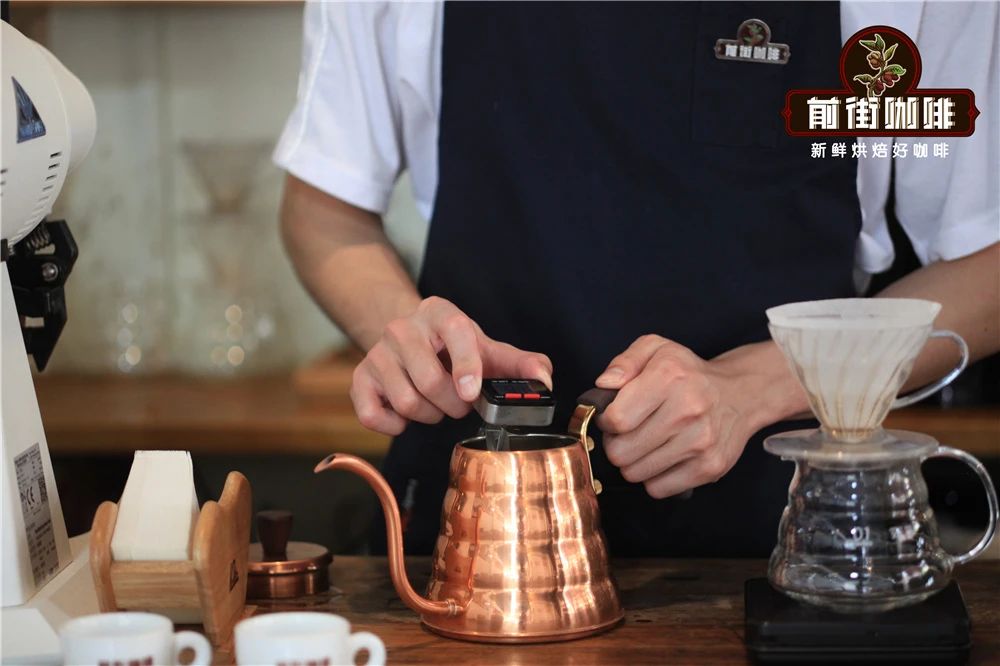
Prepare hot water: heat the water, and generally control the water temperature between 85°C and 95°C. For your first attempt, you can directly use 90℃for brewing. (If it's too bitter, lower the water temperature; if it's too sour, raise the water temperature.)
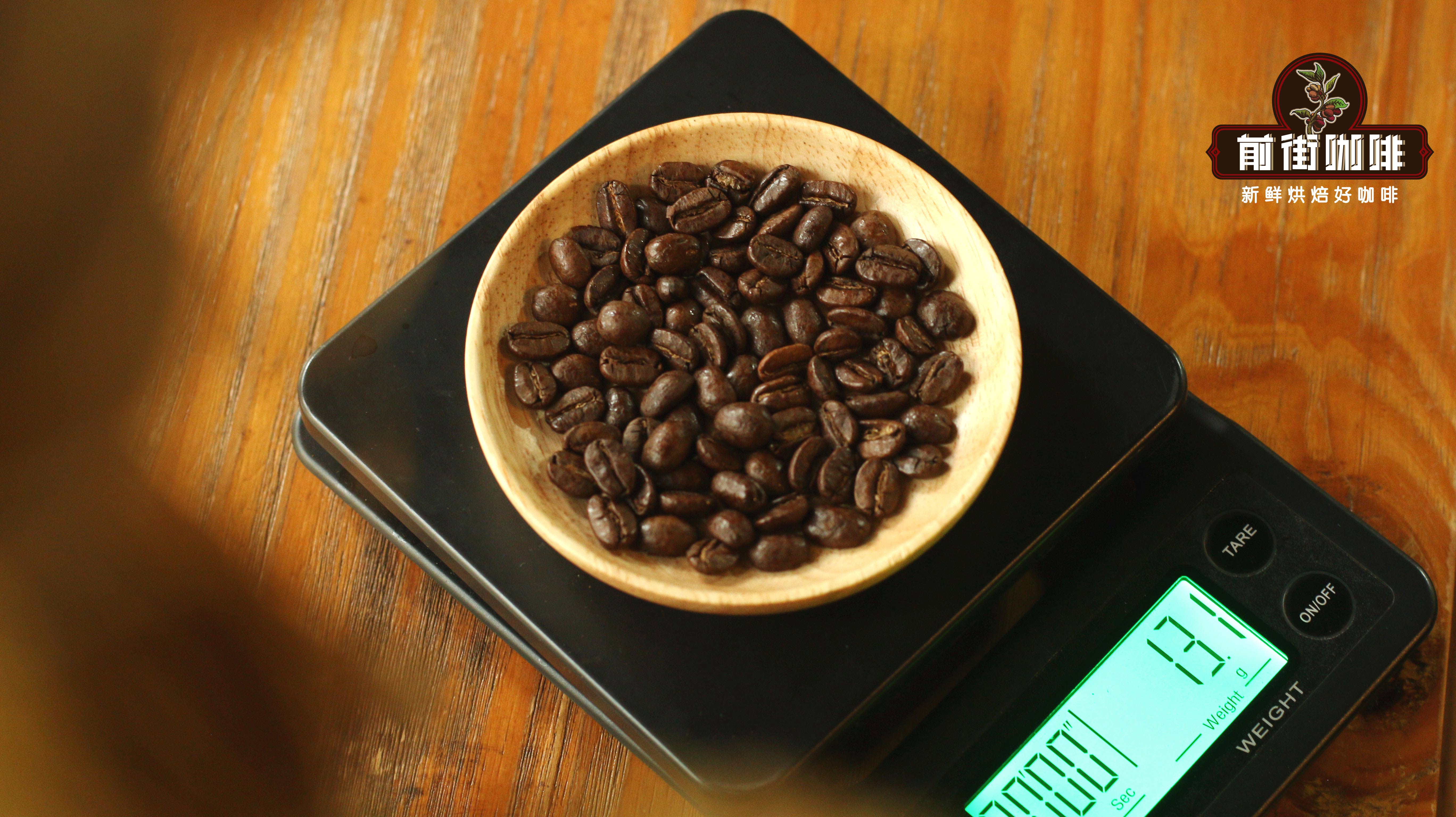
Weigh the coffee beans: The weight of the coffee beans depends on how large a cup of coffee you want to drink. Generally, 15 grams for a single serving is sufficient. Then, based on the weight of the coffee beans, choose an appropriate coffee-to-water ratio so you can control the concentration of the brewed coffee. Front Street recommends using a 1:15 coffee-to-water ratio — for 15 grams of coffee grounds, pour in 225 grams of hot water. Afterward, just make minor adjustments based on your senses. If the taste is too weak, reduce the water a bit to 1:14; if the taste is too strong or too bitter, add more water to make it 1:16.
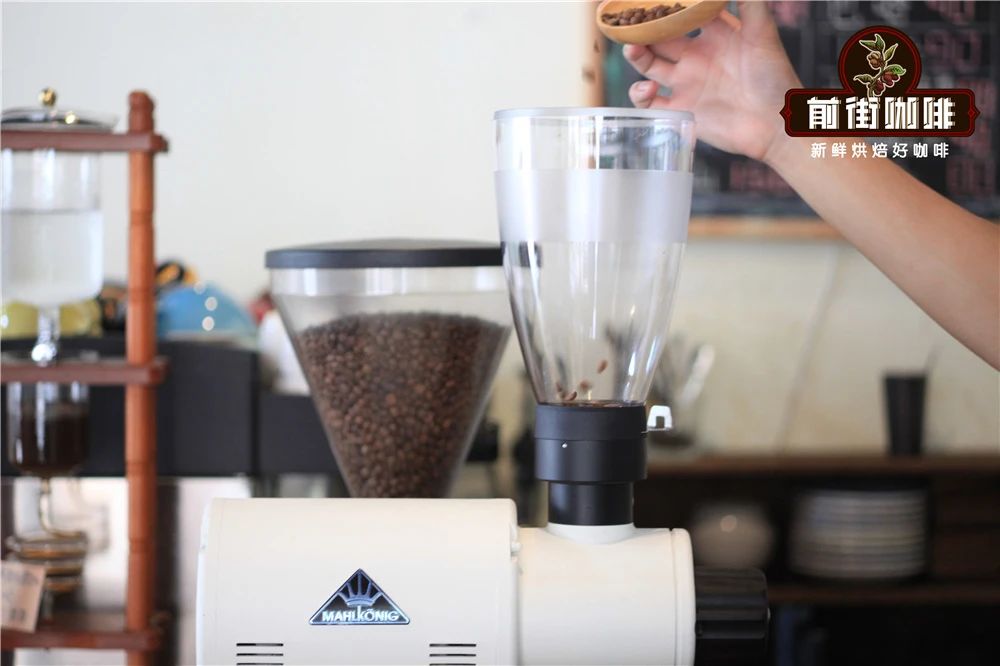
Grind the coffee beans: What determines the coarseness of pour-over coffee grounds is the setting on the grinder you use. Good pour-over coffee requires a good grinder. Common grinders on the market include Timemore manual grinders, Comandante manual grinders, Little Eagle electric grinders, Little Fuji electric grinders, Baratza Encore grinders, Welhome grinders, and so on. Front Street Coffee uses an EK43s electric grinder.
Explanation of the three-stage pouring method for pour-over coffee
Front Street usually prefers the three-stage technique when brewing coffee, with the entire pouring time controlled at around 2 minutes. The so-called "three stages" are mainly divided into blooming, the second pour, and the third pour. This three-stage pouring and staged extraction technique can clearly define the flavors of the coffee's front, middle, and back sections, while also ensuring the coffee's rich layers.
Whether a cup of pour-over coffee tastes good — Front Street believes the coffee beans play a key role. First of all, as the main character, theymust be fresh, ground and used on the spot. This is alsowhy Front Street insists on fresh roasting. When brewing with freshly roasted coffee beans, because the high-temperature heating process causes them to accumulate a large amount of gas (mostly carbon dioxide), they puff up upon contact with hot water — what we call a "little hill." This process of the coffee grounds making initial contact with water and expanding is called "blooming" by baristas.
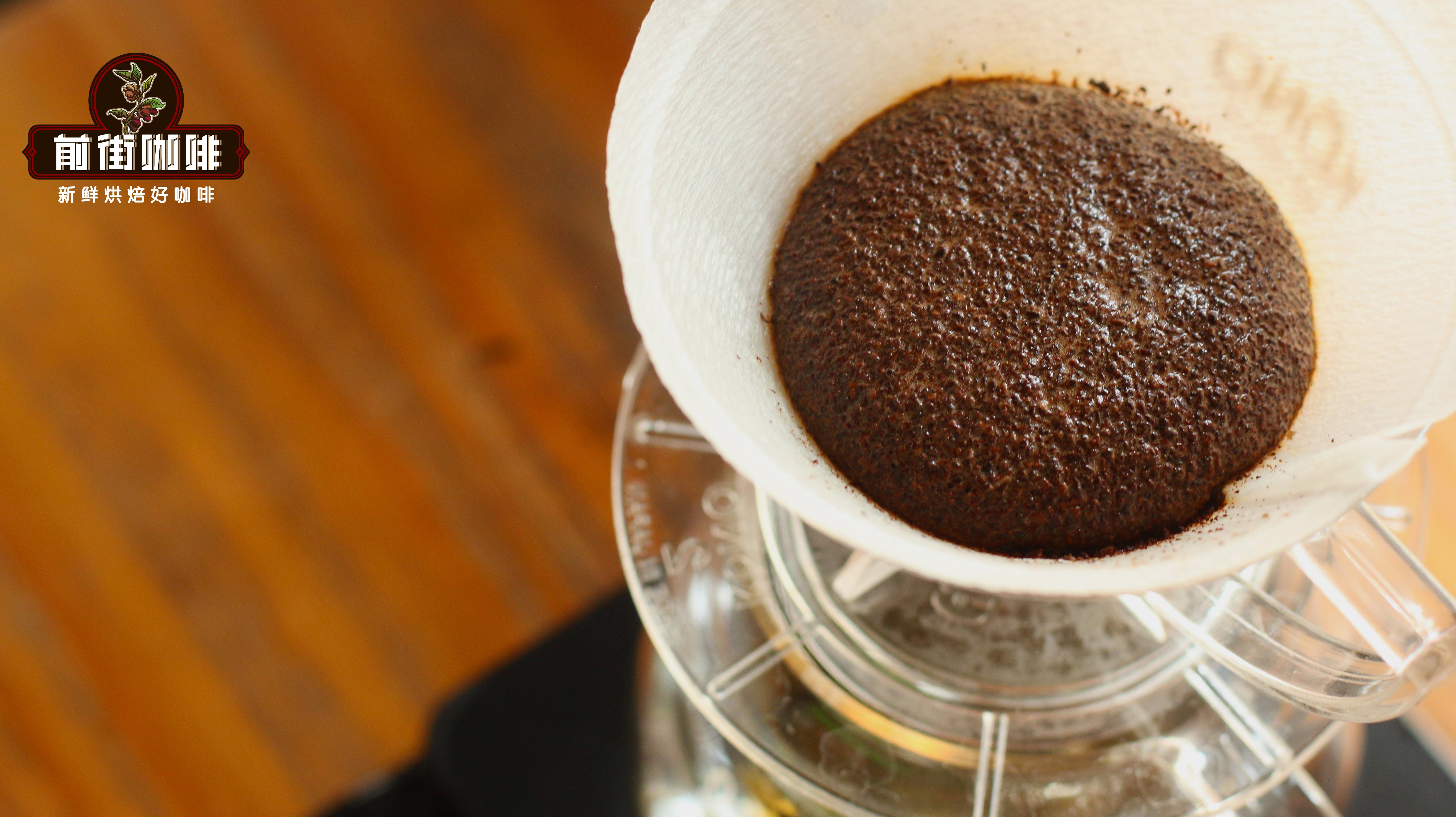
First pour: Blooming
The blooming time — like most people, Front Street uses 30 seconds. When the expansion on the surface of the coffee grounds ends, you'll see the coffee surface begin to wrinkle. This indicates that the degassing during blooming is complete and you can begin the formal pouring. Basically, for rested beans with a roast date within 1 month, Front Street will perform a 30-second bloom.
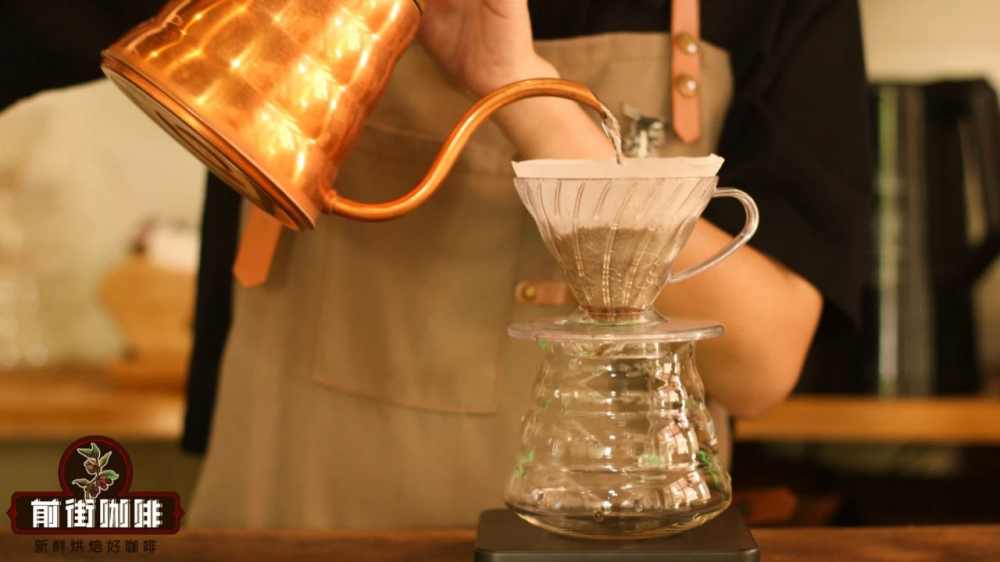
Second pour
The timing for the second pour is when the blooming ends, which is when the electronic scale shows 30 seconds. Once 30 seconds have passed, we begin pouring the second stage of 95 grams with a straight and steady stream of water. Be careful to slowly spiral outward from the center — the purpose is to raise the entire coffee bed. The water stream needs to be poured vertically and evenly. When the pour is complete, the scale will show 125g, at around 55 seconds.
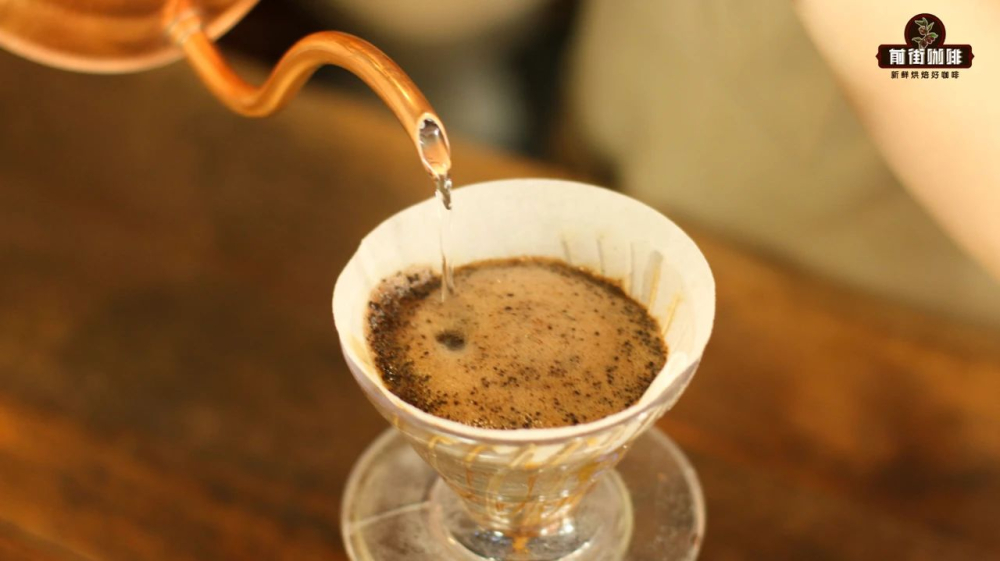
Third pour
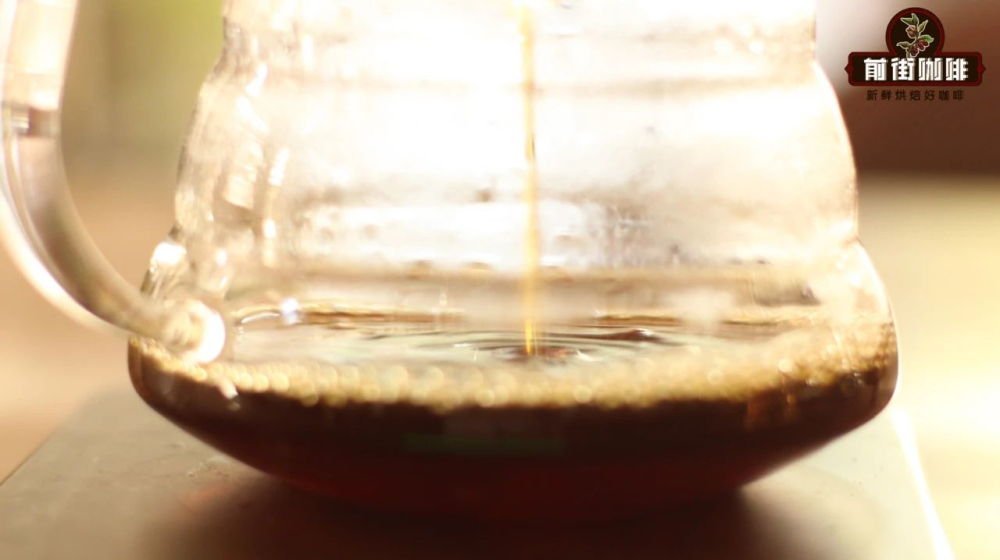
When the liquid level drops to about halfway, begin using a slow, small stream to pour the third stage of 100 grams in a small spiral,until the weight on the electronic scale shows 225 grams. Be careful to keep the water stream from spiraling too widely, as it can easily disturb the coffee bed and cause underextraction. After the pour is complete, just wait for the coffee liquid to slowly drip through. It will finish draining in about 2 minutes, at which point you can remove the dripper.Finally, remember to swirl the coffee liquid in the server to mix it evenly before you start tasting — this way the aroma will be fully and evenly distributed.

Here Front Street would like to remind you all once more: in three-stage pour-over coffee, the amount of water in each stage is not fixed. You can first follow Front Street's recipe for hands-on practice, and after you've accumulated some pour-over experience, adjust according to your understanding of the coffee beans and your own taste preferences. Front Street believes there are thousands of ways to brew a delicious cup of coffee — as long as we keep learning and improving, easily mastering a cup of pour-over coffee is not difficult at all.
The above content is compiled by CoffeeHunters, a coffee news website.


