







Front Street Coffee (FrontStreet Coffee) entered the coffee industry in 2013, and from coffee cultivation to coffee roasting and then to coffee brewing, it has walked step by step to today. The more than 30 kinds of coffee beans currently displayed in the shop are only those selected by Front Street Coffee (FrontStreet Coffee) from hundreds of coffee beans that possess regional flavor characteristics. Many customers who come to Front Street Coffee (FrontStreet Coffee) not only drink a cup of coffee, but also discuss all things related to coffee together. While providing customers with specialty coffee, Front Street Coffee (FrontStreet Coffee) also thinks about how to convey coffee knowledge to others in a simple and interesting way.
Those who are new topour-over coffeehave always felt that pour-over is difficult, with many details that need attention. In fact, Front Street Coffee (FrontStreet Coffee) likes to view coffee from a simple perspective. Pour-over coffee is a process in which flavor extraction and filtration occur simultaneously, and the point where this process happens is centered on the position where the water is poured.Pour-over coffeeThe key lies in how to control and balance the extraction amount of various components in the coffee beans, thereby adjusting the coffee. Front Street Coffee (FrontStreet Coffee) will now explain in detail the common pour-over coffee pouring technique — the specific operation of the three-stage pouring method.
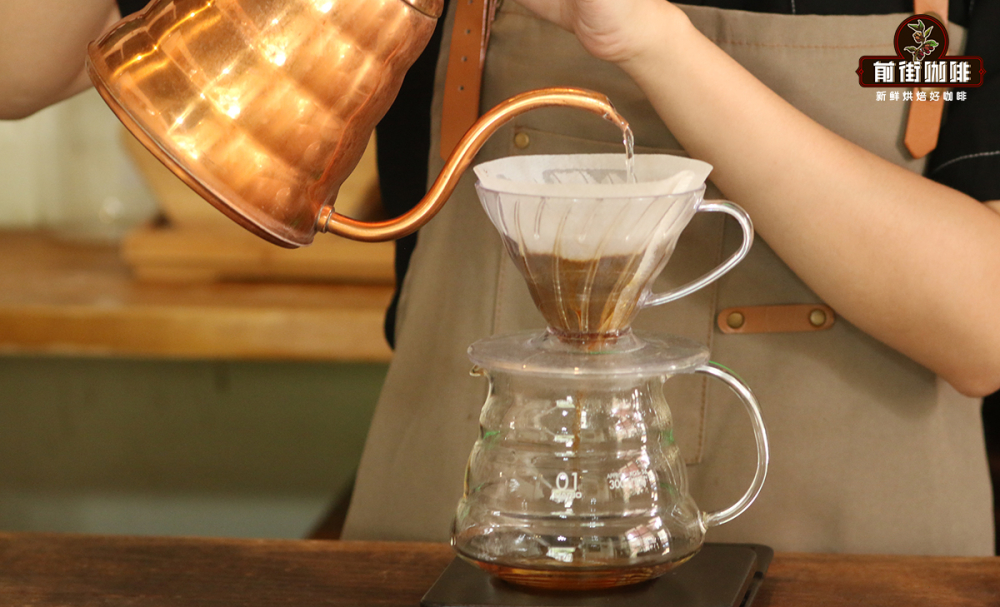
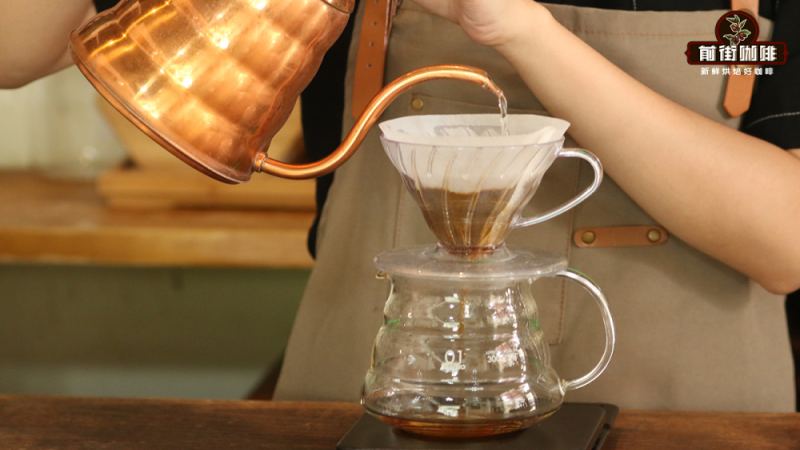
Pour-over coffee pouring technique: Three-stage pouring
The three-stage pouring method is staged extraction, dividing one pour of water into three stages, which can clearly define the flavors of the coffee's front, middle and back sections. Front Street Coffee (FrontStreet Coffee)'s approach is to increase the pour-over water amount each time after blooming, usually pouring when the coffee liquid is about to drop to the surface of the coffee bed, using small, medium and large water flows to perform three-stage extraction. Relatively speaking, this places higher demands on the flow rate and volume of water.
In the three-stage pouring method, the blooming process neither uses stirring to improve the uniformity of water absorption by the coffee grounds, nor uses dripping to increase the depth of saturation, so the beans it suits lie between the lightly roasted beans suitable for the stirring blooming method and the darkly roasted beans suitable for the dripping blooming method. Relatively speaking, it is generally suitable for medium-roasted coffee beans. This exactly confirms the phenomenon that most specialty coffee beans adopt a medium roast between first crack and second crack, so this is also one of the factors that makes the three-stage pouring method the most widespread.

However, Front Street Coffee (FrontStreet Coffee) still mostly uses the three-stage pouring method for brewing, whether light roast or dark roast, only with slight differences in water flow control, which tests the barista's skill. When communicating with customers, Front Street Coffee (FrontStreet Coffee) also mostly recommends the three-stage pouring method, because the training of technique requires accumulation over time. Only after becoming proficient in one set of techniques can one more fully understand the rules of brewing. At that time, switching to other brewing techniques will not cause one to lose sight of one thing while focusing on another.
First pour:Blooming(helps release gas)
During the roasting process in which green coffee beans become roasted beans, a series of chemical reactions and physical changes occur. After reaching a certain degree of roasting, a large amount of gas (mostly carbon dioxide) accumulates inside the coffee beans.
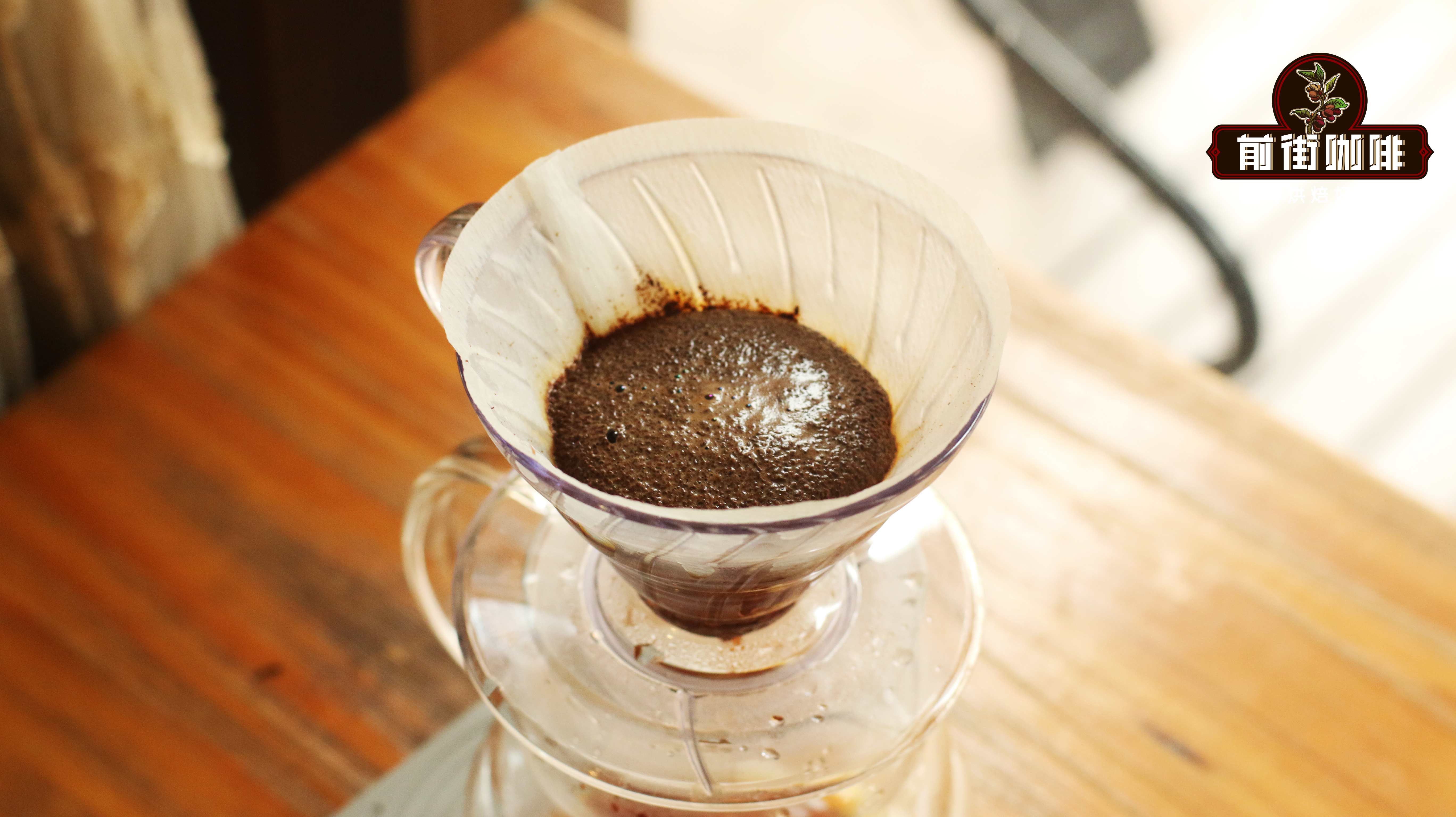
Generally speaking, the fresher the beans and the closer to roasting, the more bubbles usually appear during blooming. Dark-roasted beans also release more gas during blooming than light-roasted beans. Front Street Coffee (FrontStreet Coffee)'s coffee beans are all freshly roasted, so customers are generally advised to rest the beans for three days first, allowing the coffee beans to release carbon dioxide first, so that in brewing, the problems of instability and under-extraction can be avoided.
After the gas is released during blooming, the coffee particles can absorb water evenly, which allows the later extraction to be uniform. A good bloom can allow the coffee grounds to release gas quickly, fully and evenly, while also allowing the coffee grounds to fully and quickly come into contact with water, helping the coffee grounds to be extracted evenly.
During blooming, pay attention to the following five points:
1.Pour-over pouringBefore blooming, first level the coffee grounds.
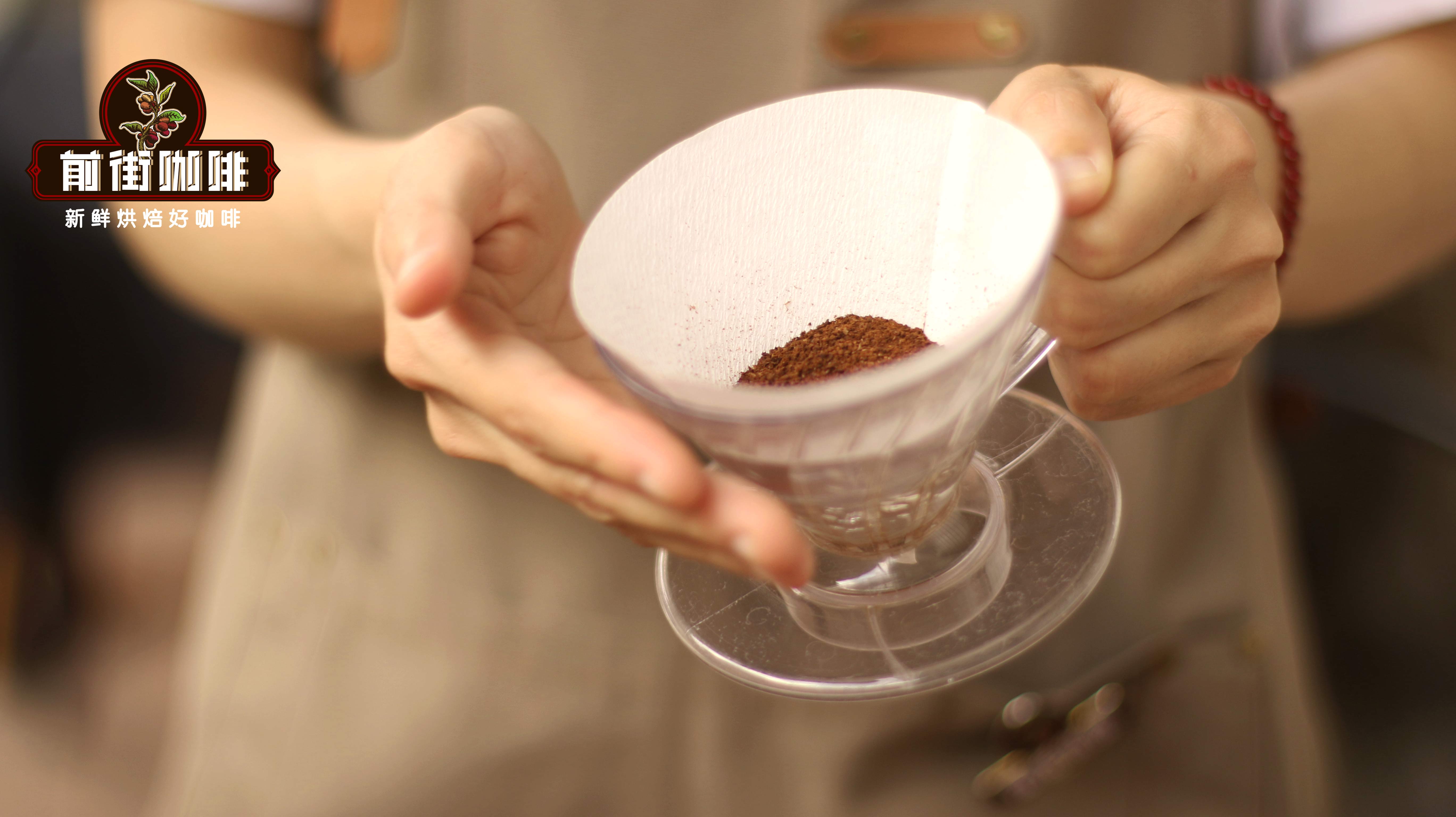
2. When blooming, pour water gently.
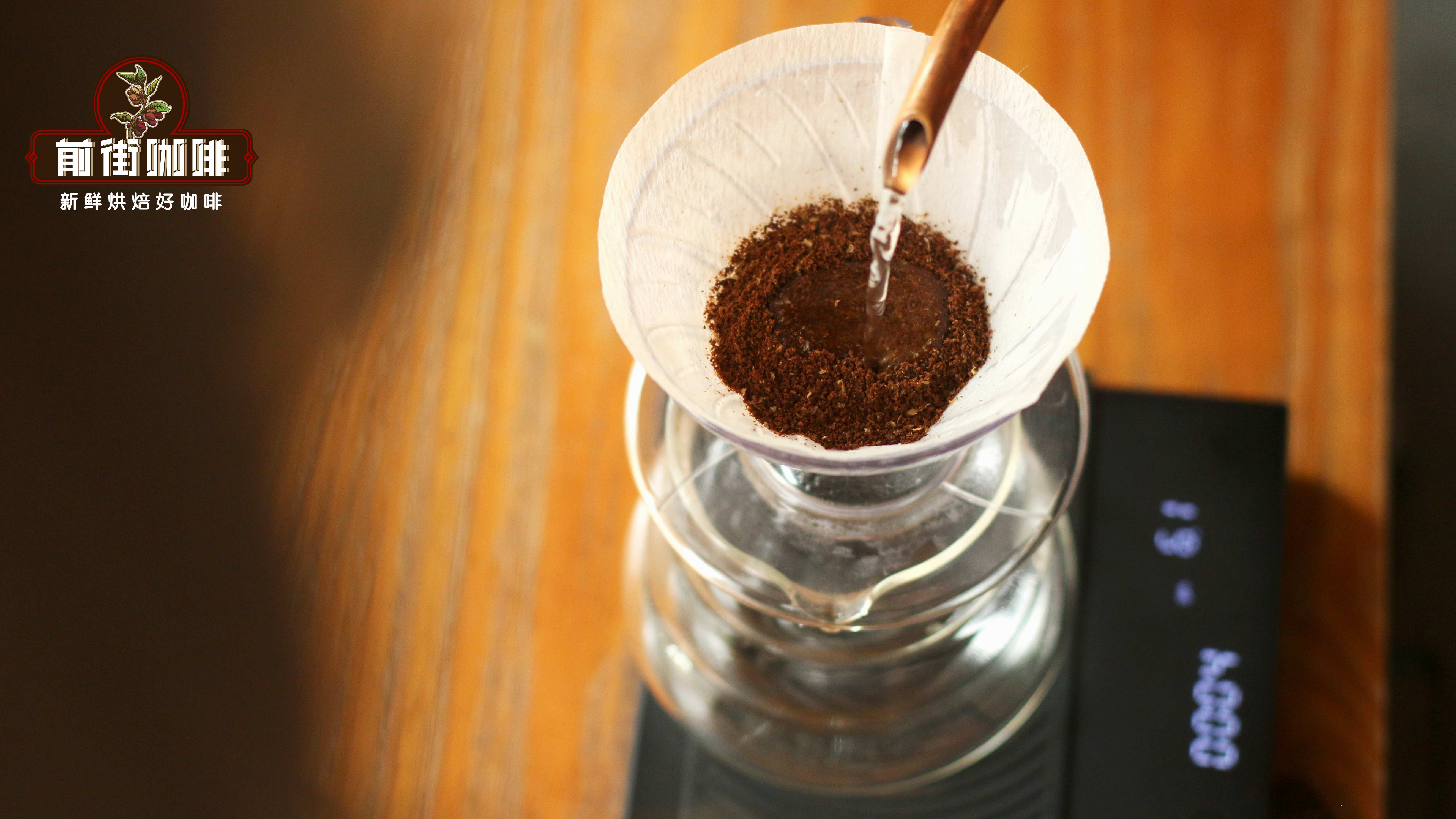
3. During blooming, the extracted liquid that drips down should be as little as possible; when too much extracted liquid appears in the server, reduce the amount of water poured, or pay attention to the grind size. (If there is too much water during blooming and a large amount of coffee liquid drips down, the falling water does not stay but directly carries out substances from the outside of the coffee grounds, and the off-flavors and astringency from the outer layer of the coffee grounds also begin to dissolve out. The coffee brewed this way is both weak and yet has off-flavors from over-extraction. If the bloom water amount is insufficient and no water drips down at all, then the coffee grounds have not absorbed enough water, and some coffee has not released enough gas, causing under-extraction.) Based on this situation, after many bloom tests, Front Street Coffee (FrontStreet Coffee) found that pouring water at twice the amount of coffee grounds during blooming is relatively appropriate.
4. The blooming time is about 30 seconds to 40 seconds. When the expansion on the surface of the coffee grounds ends, you will see the coffee surface begin to shrink. This means the bloom is complete, and you can begin pouring water. (In terms of time, if the blooming time is too long, the coffee is prone to bitterness and astringency; if the time is too short, the soaking is insufficient, and the coffee may be under-extracted or the coffee may not be fully expressed.) Generally speaking, the end time of blooming differs for each bean, but Front Street Coffee (FrontStreet Coffee) found that this is not conducive to operation for beginners. After all, what beginners value is standardization and ease of use. Therefore, under the premise of ensuring that the coffee beans are still in a freshly roasted state, Front Street Coffee (FrontStreet Coffee) recommends a blooming time of 30 seconds. Of course, experienced people can adjust the time themselves.
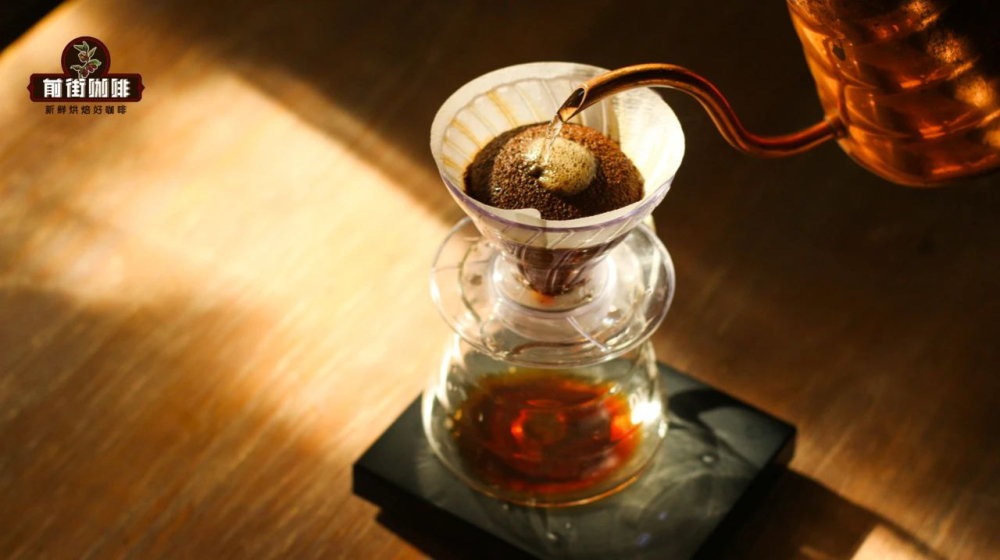
5. The water temperature for brewing coffee is very important, as it directly affects the coffee's extraction rate and thus the coffee's taste. The water temperature for pour-over should be adjusted according to the coffee's roast level. Generally, dark-roasted beans should use a slightly lower water temperature of 86-88℃. Dark-roasted beans have a looser texture and better activity, so gas is easily released; light-roasted beans should use 90-91℃. Light-roasted beans are relatively harder, and the beans release gas more slowly, so a higher water temperature should be used to accelerate gas release. Front Street Coffee (FrontStreet Coffee) recommends that when extracting coffee, the water temperature should be adjusted according to the coffee's roast level, so as to stably bring out the coffee's taste and quality. A customer once questioned this brewing temperature, so Front Street Coffee (FrontStreet Coffee) took Front Street Golden Mandheling coffee beans (dark roast) and brewed them at 90℃, and the result was a taste almost "comparable" to espresso.
Second pour
The second pour starts from the center, pouring a small stream into the bottom of the coffee bed. In order to concentrate the penetrating force of the stream, the range of circular movement should be small, about the size of a 1-yuan coin, and then spiral outward. From the start of the second pour, pay attention to the water amount, and try not to exceed the height of the coffee bed. That is, when the stream circles to near the filter paper, you can stop pouring.

Third pour
As the originally thicker coffee bed near the edge of the filter paper becomes heavier from absorbing water, it slides down and becomes thinner as the water level drops. When the water level drops to halfway, you can proceed with the third pour.
From the start of the third pour, observe the extent of the water level drop. Likewise, start pouring from the center in a circular motion. The water amount should not exceed the height of the coffee bed. At this time, you will also observe that the foam ratio has already covered the surface. In the third pour, increase the tumbling of the coffee particles so that all the settled particles tumble, thereby dissolving soluble substances. The rolling particles will begin to stop when water is no longer added. At this point, you must rely on the flow rate caused by the dropping water level to create friction among the coffee particles. Therefore, once water addition stops, the coffee particles sink downward, causing clogging, so pay special attention to the rhythm of water addition.
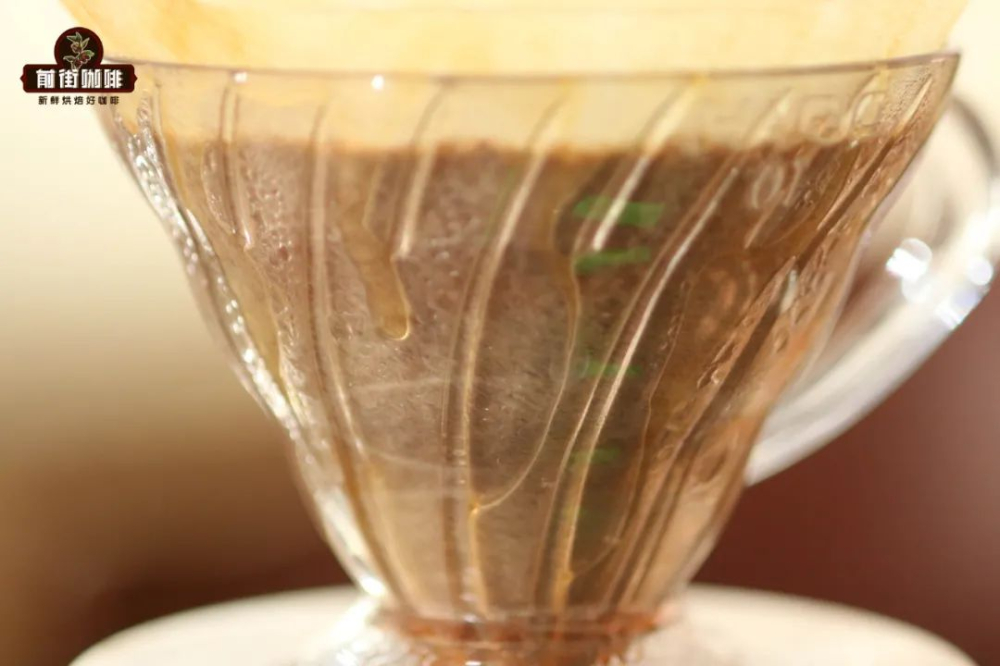
If there are too many pauses in pouring, it is equivalent to letting the coffee particles stay soaked in water all the time. In this way, it will cause astringency and off-flavors in the final stage of coffee extraction.
The above is all theoretical knowledge, and some people may still feel confused. That's all right. Through many experiments, Front Street Coffee (FrontStreet Coffee) has developed a standard brewing plan. Below, take Front Street Kenya Asaliya coffee beans as an example.
Take [Front Street Coffee (FrontStreet Coffee) Kenya Asaliya coffee beans] as an example
| Region | Thika, Kenya |
| Processing station | Asali Honey Processing Station |
| Altitude | 1550-1750 meters |
| Grade | AA TOP |
| Variety | SL28, SL34 |
| Processing method | Kenya 72-hour washed |
| Roast level | Light roast |

These beans are plump and round. In order to fully express their bright and full-bodied acidity, Front Street Coffee (FrontStreet Coffee) uses a light roast.
Machine: Yangjia 800N, 550g green beans
Charge temperature: 200℃
First crack: 5'30", 154.3℃
After first crack, develop for 2'10'', discharge at 191.6℃
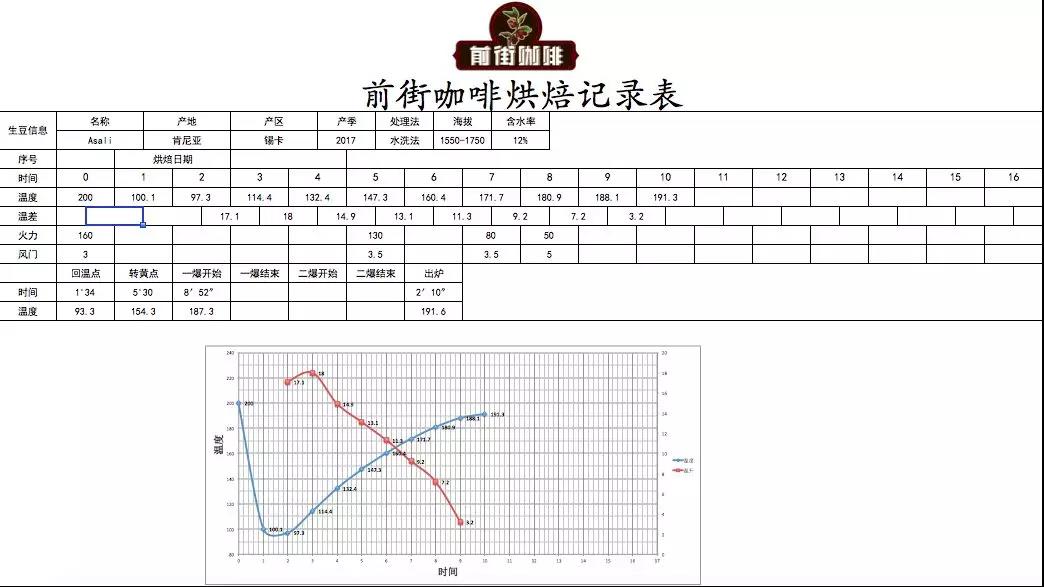
Front Street Coffee (FrontStreet Coffee) Kenya Asaliya coffee bean roasting curve
Brewing process
The brewing parameters selected by Front Street Coffee (FrontStreet Coffee) are: Hario V60, coffee-to-water ratio 1:15, water temperature 90℃, grind size fine granulated sugar (China standard No. 20 sieve passing rate 80%).
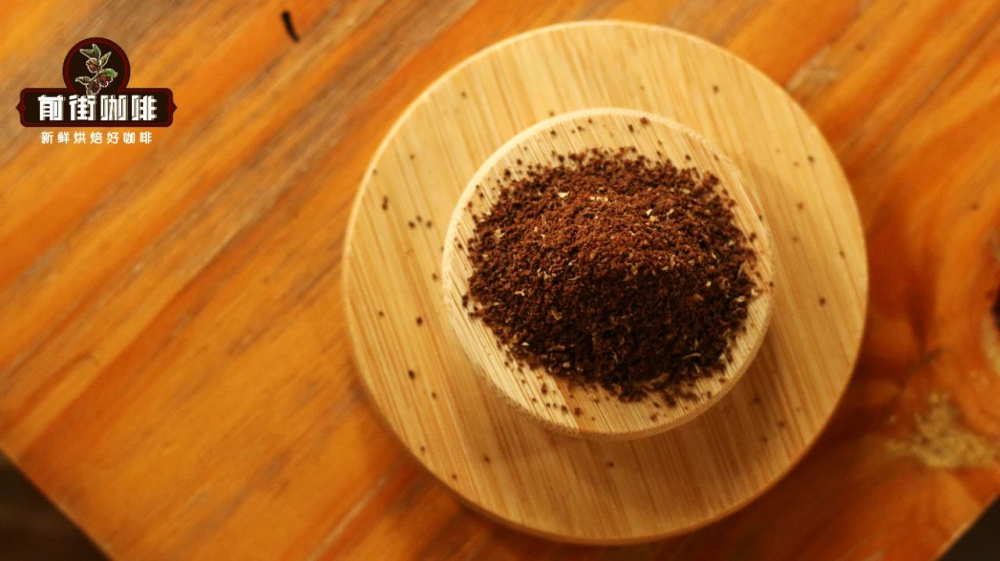
In terms of brewing technique, Front Street Coffee (FrontStreet Coffee) uses a bloom water amount that is twice the amount of coffee grounds, that is, 30g of water for blooming, and the blooming time is 30 seconds. The coffee-to-water ratio is 1:15, so the total poured water amount is 225g.
Three-stage pour-over: after blooming ends, the second pour is poured to 125g and then staged. The second pour stops at 1 minute. The third pour continues to 225g and then stops. The total pouring time is 2 minutes (including blooming time).
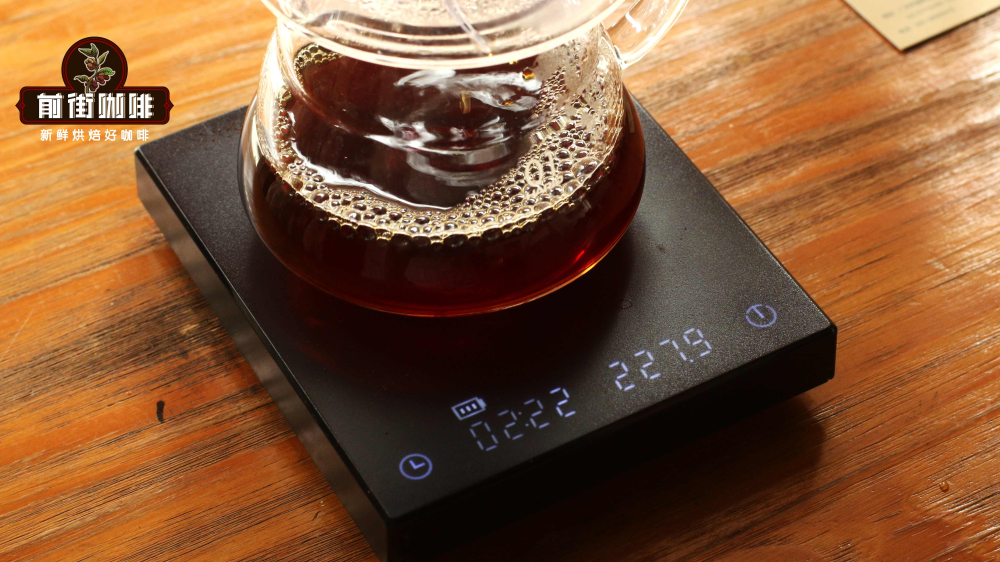
Front Street Kenya Asaliya coffee flavor description
The overall taste is layered and distinct, with a relatively obvious aroma, ripe tomato aroma and floral notes. On the palate, there is a full juicy feel, flavors of cherry tomatoes and smoked plum, bright acidity, berry sweetness, and a brown sugar sweet finish.

The above content is compiled by CoffeeHunters, a coffee news website.


