







Search Results for: Panama CCD Project
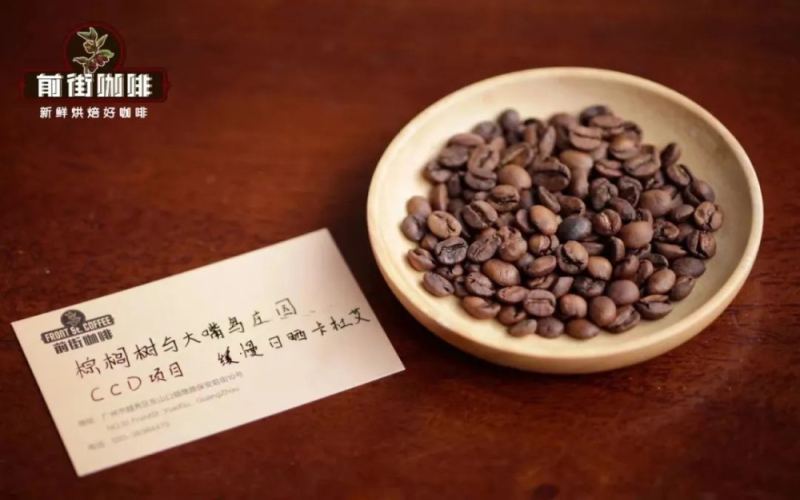
Analysis of Panama CCD Innovative Processing Projects: From Concept to Practice at Palm Tree and Toucan Estate
In 2018, Panama launched a creative coffee-producing region initiative called CCD, short for Creative Coffee District, aimed at modernizing traditional coffee processing methods to give coffee more distinctive flavors. The project not only introduced advanced equipment and technology, but also attracted Colombia's renowned Finca Palma y Tucán to join forces with Panama's Finca Altieri. One side provides the beans, while the other contributes processing expertise. Through the clash of diverse processing methods such as low-temperature anaerobic fermentation, static and dynamic fermentation, and super natural, many uniquely styled coffee flavors have been born. This article will guide you through the origins of the CCD project, how it operates, and the estate stories behind it. [more…]

Panama Canal Drought Crisis Spurs Coffee Reforestation Plan: Fifteen-Year Project Helps Ease Water Pressure
The Panama Canal has faced severe drought in recent years, with water levels continuing to drop, threatening not only global shipping trade but also local agricultural production. A fifteen-year coffee planting incentive program has been launched in the Capira district west of the canal, encouraging coffee farmers to expand Robusta bean cultivation and restore soil and river ecosystems through reforestation. The Panama Canal Authority has invested US$32 million, benefiting about 1,700 farmers. This move can both boost coffee farmers' incomes and help ease the canal's water source crisis. Amid high coffee prices, Front Street Coffee continues to monitor developments in producing regions and bring frontline news to enthusiasts. [more…]
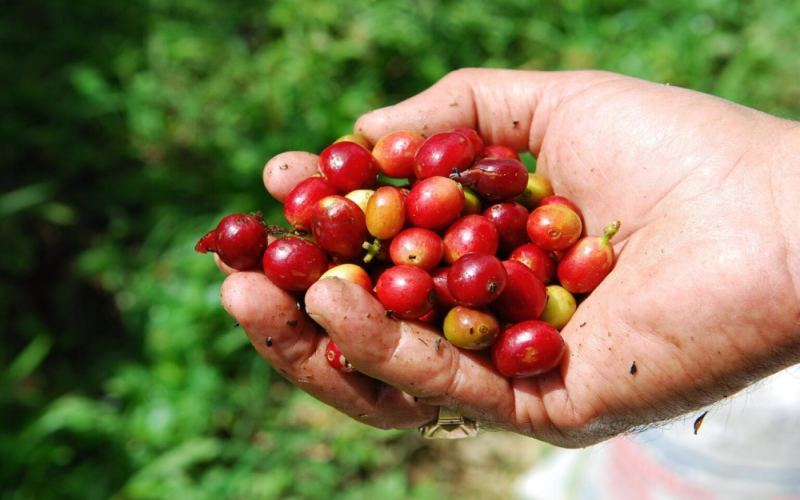
Panama Deborah Estate Geisha Coffee and the Savage Project: An Analysis of High-Altitude Terroir and Anaerobic Natural Processing
Panama Geisha has always been a shining star in the specialty coffee world. From Hacienda La Esmeralda's rise to fame to today's flourishing of estates, enthusiasts have always been in pursuit of more refined flavors. Among the many renowned estates, Finca Deborah, with its altitude of over 1,900 meters, unique microclimate, and owner Jamison Savage's extreme exploration of processing methods, has become a rising star that has drawn much attention in recent years. The coffee project initiated by Savage brings together fully ripe red cherries from small estates in the Boquete and Volcán regions, endowing Geisha with sweeter fruit and floral notes through anaerobic natural processing. Front Street Coffee has selected the Savage series Geisha, using a light roast to preserve its delicate sweetness and acidity, and provides V60 brewing parameter references. This article will comprehensively cover the history of Geisha's spread, the terroir advantages of Finca Deborah, and the key details of this coffee from cultivation to cup. [more…]
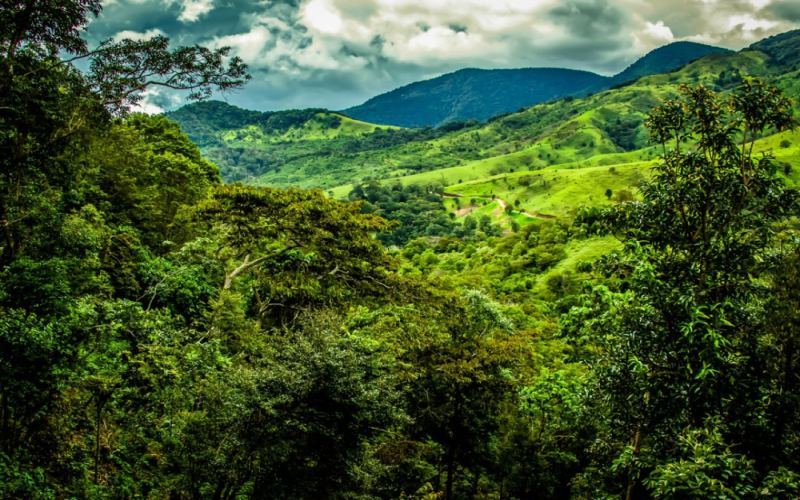
In-Depth Analysis of Panama Deborah Estate Geisha Coffee: Variety Characteristics, Growing Environment, and Flavor Profile
In the landscape of Panamanian specialty coffee, alongside the renowned Hacienda La Esmeralda, Finca Deborah also writes a unique chapter with its Geisha variety. Perched above 1,900 meters in the Volcán mountains and surrounded by rainforest and cloud cover, this estate cultivates Geisha coffee of exquisite and complex flavor through its extreme microclimate and eco-friendly energy system. This article will guide you through the variety's origins, Panama's growing environment, the estate's story, the Savage series project, and Front Street Coffee's roasting and brewing practices, offering a comprehensive look at the distinctive allure of Finca Deborah Geisha. [more…]
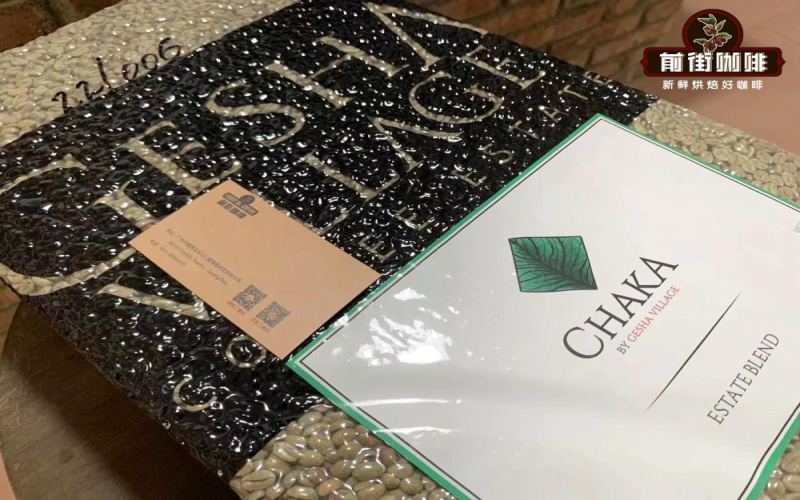
Exploring the Ethiopia Gesha Village Estate Chaka Limited Project: Flavor Differences Between Washed and Natural Processing and Pour-Over Recommendations
Located in the Bench Maji region of Ethiopia, Gesha Village Coffee Estate has been renowned for cultivating native Geisha varieties since its founding in 2011. Its limited-edition project brand Chaka grows in the Gori Gesha forest and primarily covers three varieties: Gori Gesha, Gesha 1931, and Illubabor. This article walks you through the origins of Chaka, the connection between Gesha Village and Panama Geisha, and the differences in cup profile between washed and natural processing methods. After comparison, Front Street Coffee chose to offer the natural lot, and shares brewing parameters and flavor descriptions under a medium-light roast, making it a useful reference for Ethiopian coffee enthusiasts. [more…]
Panama Deborah Geisha Tasting Guide: Anaerobic Natural Processing and Flavor Analysis of the Savage Series
Front Street Coffee presents the Panama Deborah Anaerobic Natural Geisha, from the Savage series in the Volcán region at an altitude of 2,000-2,350 meters, roasted at a medium level to reveal white florals, pineapple, and lactic acidity, with a full and balanced mouthfeel. This article will guide you through this Geisha's unique processing method—first sun-dried on raised beds until raisin-like, then sealed and fermented anaerobically for 36 hours, retaining all the fruit pulp; at the same time, we step into Deborah Estate's high-altitude microclimate and ecological farming philosophy, and analyze the quality pursuit of the Savage coffee project. At the end of the article, we include SCA-recommended pour-over parameters: 15g coffee, 90-93°C, 225ml water, a 1:15 coffee-to-water ratio, to help you fully unlock this Geisha's flavor potential. [more…]
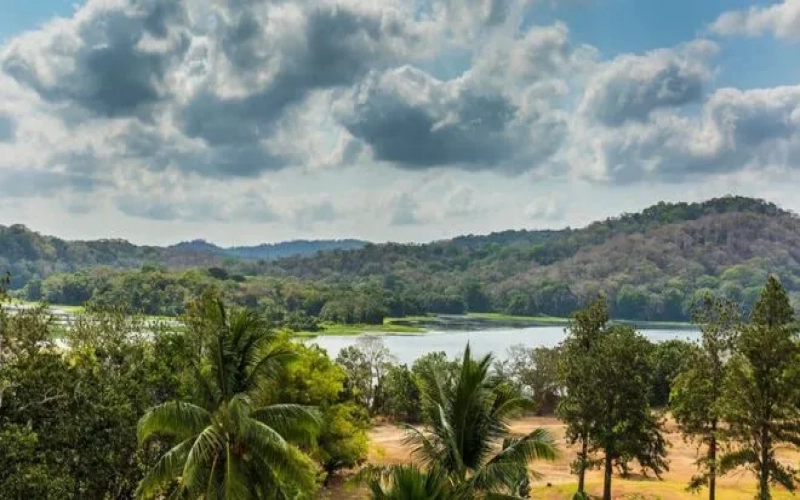
Panama Climate Change Warning: Rainfall to Decrease and Temperatures to Rise by 2050, Coffee and Other Agricultural Exports Face Challenges
Panama's National Adaptation Plan (NAP) project recently released a report that, using global models and nearly 30 years of meteorological data, simulated the country's climate trajectory for 2050 to 2070. The results show that reduced rainfall and rising temperatures will directly impact Panama's agricultural production, especially the cultivation and trade of export crops such as coffee and bananas. At the same time, shipping through the Panama Canal and hydroelectric power generation will also face greater pressure due to drought. This article will walk you through the report's core findings and their potential impact on the coffee industry. [more…]
An In-Depth Analysis of Panama Deborah Estate Geisha Coffee: A Full Reveal of the Savage Series Flavors and Processing Methods
Panamanian Geisha coffee has always been the darling of the specialty coffee world, and Finca Deborah stands out as one of its finest examples. Perched high in the mountains of the Chiriquí volcano, this estate owes its floral, fruit-forward Geisha to extreme altitude, a unique microclimate, and innovative processing methods. This article takes you inside Finca Deborah to explore its geography, cultivation philosophy, and the Savage Coffee project led by its owner, Mr. Savage. We will also break down in detail the anaerobic natural processing method used for the Savage Geisha purchased by Front Street Coffee this time, along with Front Street's roasting analysis, cupping notes, and brewing suggestions, offering professional reference for your tasting and brewing. [more…]

The Panama Canal is hit by drought, and the government has launched a multimodal "dry canal" plan to ease trade pressure.
The global climate anomalies triggered by El Niño continue to intensify, and the Panama Canal is facing a severe drought test. The navigation capacity of this golden waterway connecting the two oceans has declined sharply, affecting about 3% of global maritime trade, with exports of agricultural products such as coffee from Central America bearing the brunt. To alleviate canal congestion and insufficient capacity, the Panamanian government has launched a "multimodal dry canal" plan, attempting to open alternative routes using existing roads, railways, and port facilities. At the same time, the coffee tree reforestation project previously invested in by the canal authority is also progressing slowly. This article will sort out the specific impact of the drought on the canal and the coffee trade, and explain the operating concept and potential benefits of the new plan. [more…]
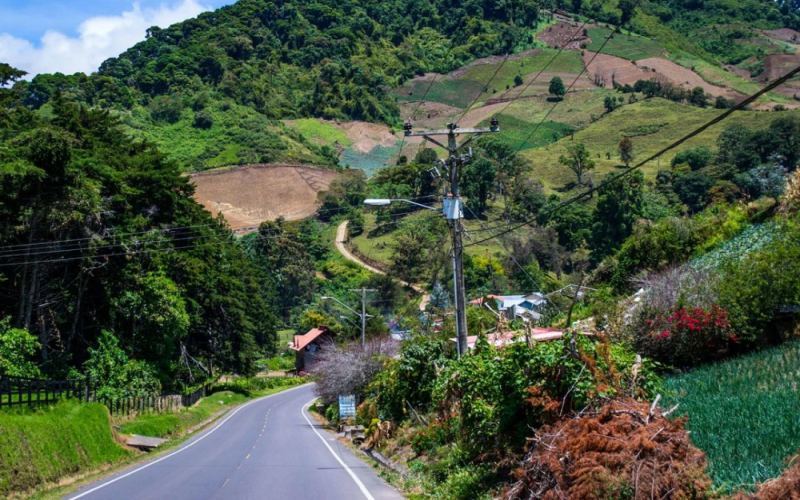
At the Summit of Panama: A Complete Analysis of Finca Deborah Geisha Coffee and a Reveal of the Savage Series Flavors
On the map of Panama's specialty coffee, Geisha is undoubtedly the shining star, while Finca Deborah, with its unique position as Panama's highest-altitude estate, writes a legend of its own. Estate owner Jamison Savage transitioned from banker to coffee farmer, and in the primeval forest above 1,900 meters, he spent more than a decade turning the impossible into the possible. In addition to Finca Deborah, he also owns Finca Morgan and the Savage Coffee project, continuously producing high-quality Geisha. This article takes you deep into Finca Deborah's terroir and processing methods, and features a tasting of the Savage series Geisha sourced by Front Street Coffee, covering everything from cupping flavors to brewing parameters. [more…]
Exploring Panama's Geisha Twin Stars: The Origins of Deborah Estate and Morgan Estate and the Savage Coffee System
Geisha coffee made Panama's Hacienda La Esmeralda famous, but on this land surrounded by volcanoes, there are two other estates that also produce top-tier Geisha—Deborah and Morgan. Both belong to Jamison Savage's coffee empire, one located in the high-altitude primary forest of Volcán, the other perched on the steep slopes of Barú Volcano, renowned for strict organic farming and meticulous post-harvest processing. Front Street Coffee will guide you through the geography and terroir of these sister estates, their processing techniques, and the collaborative model of the Savage Coffee project, and share a cup profile and brewing recommendations for a Savage series Geisha. [more…]
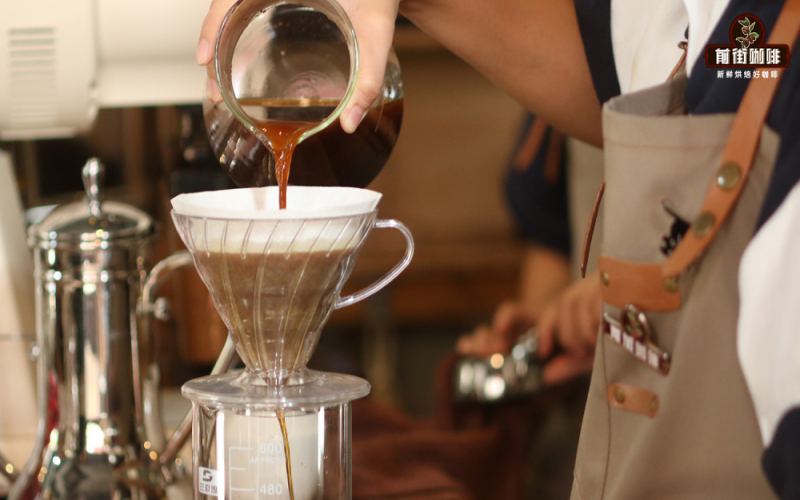
How to Choose Coffee Beans for Cold Brew? A Detailed Guide to Coffee-to-Water Ratio and Brewing Steps, with Three Recommended Beans
As the weather gradually warms up, a refreshing glass of cold brew coffee becomes a favorite for many coffee lovers. Cold brew is simple to make and easy to do at home, but choosing the right coffee beans is what really makes the flavor stand out. This article uses Front Street Coffee's cold brew method as an example to explain in detail the key parameters such as coffee-to-water ratio, grind size, and steeping time, and recommends three coffee beans suitable for making cold brew: Panama Butterfly, Ethiopia Yirgacheffe Red Cherry Project, and Costa Rica Musician Series Mozart. Whether you're after clean floral notes or prefer fermented winey aromas, you'll find the one that suits you. [more…]
Front Street Selection: El Salvador Himalaya Estate — Honey-Process Red Bourbon Flavor Analysis and Origin Story
The El Salvador Himalaya Estate is located in the Santa Ana region, at an altitude of 1,500 meters in the Apaneca mountain range, and is managed by Aida Batlle, primarily cultivating Bourbon varieties. This lot of Red Bourbon and Typica is washed at the El Divisadero processing station and then dried on African raised beds using the semi-dry process, presenting a complex flavor profile of red wine acidity, plum, and brown sugar, with a full body and a long-lasting finish. Front Street Coffee brings you this specialty roasted bean, and also introduces the Project Origin green bean sourcing initiative founded by Sasa Sestic—a project that works directly with farmers in impoverished regions, improves production conditions, and purchases at 20% above fair trade prices, supporting the sustainable development of high-quality coffee. [more…]
Ethiopia Aricha G1 Natural Bean Flavor Analysis: An In-Depth Introduction to the Project Origin Initiative
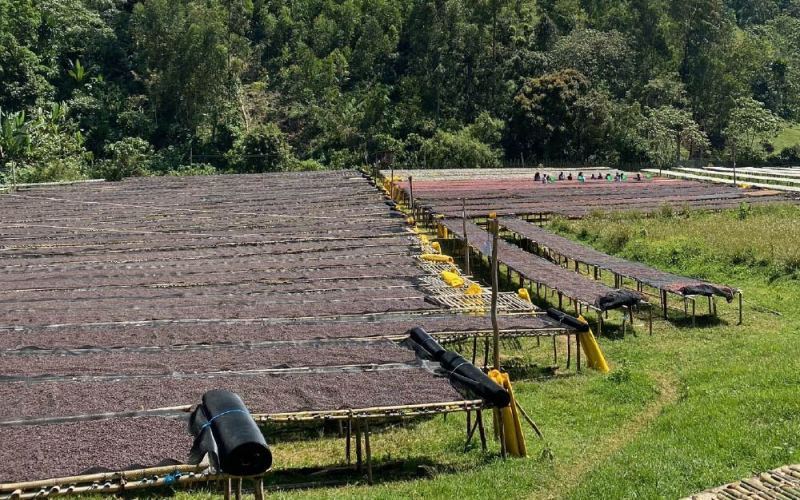
The Yirgacheffe Kebel Aricha processing station brings together the hard work of about 650 to 700 smallholder farmers in the surrounding area, who hand-pick ripe cherries in exchange for cash payments. After strict sorting, the fruit is spread on raised drying beds to undergo four to six weeks of sun exposure, and during the first few days it must be turned at regular intervals to prevent over-fermentation. This batch of natural Aricha was rated G1, the highest grade, by the ECX, with outstanding performance in green bean appearance, consistency, freshness, and dry and wet aroma. If you prefer bright acidity and intense berry notes, this bean is not to be missed. This article also introduces Project Origin, a green bean sourcing initiative launched by Sasa Sestic. The program works directly with farmers in impoverished producing regions, pays purchasing fees 20% higher than the Fair Trade price, and is dedicated to strengthening the connection between roasters and coffee farmers. Front Street Coffee also recommends this excellent work with rich layers of flavor. [more…]
Front Street Coffee Sun-Dried Yirgacheffe Aricha Factory: A Complete Analysis of Ethiopian Specialty Coffee Flavors
Yirgacheffe is one of Ethiopia's most iconic specialty coffee regions, and the natural-process lots from the Kebel Aricha processing station are renowned for their bright acidity and intense berry notes. This naturally processed Aricha, handpicked by Front Street Coffee, has been graded G1—the highest level—by the ECX, excelling both in green bean appearance and in-cup flavor. This article will walk you through the details of the natural processing method at the Aricha station, a complete flavor description of this bean, and the "Red Cherry Project" that has been driving up Ethiopian coffee quality behind the scenes, exploring how natural processing gives coffee beans fuller sweetness and fermented aromatics. [more…]
What Are the Differences Between Geisha and Yirgacheffe? A Full Analysis of Origin, Variety, Flavor, and a Front Street Coffee Brewing Comparison
Geisha and Yirgacheffe both carry citrus and berry notes, yet their prices differ dramatically—what are the essential differences between the two? From the perspective of Front Street Coffee, this article systematically sorts out the similarities and differences between Geisha and Yirgacheffe in terms of origin, historical context, coffee variety, flavor performance, roasting approach, and brewing parameters. You will learn how Geisha traveled from the forests of Ethiopia to Hacienda La Esmeralda in Panama and set auction records, and you will also see how the Yirgacheffe Red Cherry Project creates clean fruit flavors through refined processing. Whether you are a beginner just starting out or an enthusiast who wants to understand specialty coffee in depth, you can gain clear comparative insights and practical brewing references from it. [more…]
Front Street Yirgacheffe Natural Aricha G1 Green Beans: 2015 New Batch Flavor and Origin Analysis
Front Street Yirgacheffe Natural Aricha comes from the Gediyo region of Yirgacheffe, Ethiopia, graded G1, at an altitude of 1,900–2,100 meters, using natural processing and heirloom varieties. This lot is produced by the Kebel Aricha processing station, where about 650–700 surrounding smallholder farmers deliver ripe cherries in exchange for cash; after drying on raised beds with regular turning for four to six weeks, the pulp is removed and the beans are transported to Addis for storage, and only hulled before export to preserve quality. It is graded G1 by ECX, and the green beans perform excellently in appearance, consistency, freshness, and dry/wet aroma. The flavor profile shows light fermented wine notes, sweet orange, and honey sweetness, accompanied by pit dates, dark berries, lychee, star fruit, peach, longan and red date aroma, cocoa, and a hint of spice; the body is thick and the finish is long. At the end, the article also introduces Sasa Sestic’s Project Origin green coffee sourcing project and its practice of working with farmers and purchasing at 20% above fair trade prices. [more…]
Yirgacheffe Aricha Natural G1 Pour-Over Parameters and Flavor Analysis: Front Street Coffee Brewing Recommendations
The natural G1 lot from the Aricha processing station in Yirgacheffe has long been renowned for its bright acidity and intense berry notes. Based on 15g of coffee grounds, a V60 dripper, and a water temperature of 90-92°C, this article shares a complete pour-over brewing recipe, while also outlining the origin background, processing flow, and flavor profile of this coffee. The article also introduces the Project Origin green bean initiative launched by Sasa Sestic, the 2015 World Barista Champion, as well as Front Street Coffee's self-roasting information for this lot, for the reference of coffee enthusiasts. [more…]

From Ethiopian Forests to Panamanian Volcanoes: The Origin, Migration, and Flavor Comparison of Geisha Coffee from Two Major Producing Regions
Geisha is hailed as the Rolls-Royce of the coffee world, but its legend was not built overnight. From its accidental discovery in the Geisha forests of Ethiopia in 1931 to its breakthrough at the Panama BOP competition in 2004, Geisha took more than seventy years to complete its transformation from obscurity to worldwide fame. Today, the American Geisha centered on Panama and the African Geisha represented by Gesha Village in Ethiopia each display distinctly different terroir charms. This article will trace the complete migration path of Geisha, analyze the flavor codes of Hacienda La Esmeralda, Finca Deborah, and Gesha Village, and present Front Street Coffee's cupping experience with different lots of Geisha such as Red Label and Gold Label, providing coffee enthusiasts with a systematic Geisha tasting guide. [more…]
How should you choose the right bean variety for cold brew coffee? And how should you gauge the grind size and the amount of water for steeping?
As the hot summer approaches, homemade iced coffee has become a favorite among many coffee lovers, and cold brew stands out as the most popular chilled drink thanks to its simple process and easy home setup. But cold brew isn't something you can nail with just any bag of beans—the variety you choose, how fine you grind, and how much water you add all directly affect the final flavor. Starting from Front Street Coffee's hands-on cold brew practice, this article breaks down the coffee-to-water ratio, grind standard, steeping time, and filtering details in detail, and recommends three light-to-medium roast beans suitable for cold brew, including Panama Butterfly, Yirgacheffe Red Cherry Project, and Costa Rica Mozart. It also explains how long the finished cold brew should rest before drinking and how many days it can be kept refrigerated, so you can consistently make a clean, balanced, and refreshingly cold brew at home. [more…]