







Which Coffee Beans and Grind Work for Cold Brew?
Cold brew works with most beans, but light-to-medium roasts highlight the clean, fruity character the method preserves, and the bean choice matters as much as the variety. Grind coarse, close to fine granulated sugar for coffee at roughly 85 percent passing a No. 20 sieve, then steep in the refrigerator for 8 to 16 hours.
A common starting ratio is 50 grams of ground coffee to 400 milliliters of room-temperature water plus 200 grams of ice, about 1:12. After steeping, filter out the grounds with filter paper, seal the clear liquid in a bottle, and keep it refrigerated. Adjust grind and ratio to taste, since cold brew is forgiving and easy to repeat.
As the scorching summer approaches, homemade cold brew coffee has become a favorite for many coffee lovers, and among them, cold brew stands out as the most popular chilled beverage thanks to its simple operation and easy home-friendly nature. But cold brew isn't something you can make well with just any bag of beans—what variety you choose, how fine you grind, and how much water you add all directly affect the final flavor. This article starts from Front Street Coffee's cold brew practice, breaking down in detail the coffee-to-water ratio, grinding standard, steeping time, and filtering details, and recommends three light-to-medium roast beans suitable for cold brew, including Panama Butterfly, Yirgacheffe Red Cherry Project, and Costa Rica Mozart. It will also explain how long the finished cold brew should rest before drinking and how many days it can be kept refrigerated, so you can consistently make a clean, balanced, and refreshing cold brew at home.
As temperatures rise day by day, many people start thinking about making some iced coffee at home to beat the heat. Among the many ways to make iced coffee, cold brew is considered the lowest-threshold and easiest to master, requiring almost no professional equipment to complete. However, does making cold brew coffee require specially selecting a certain type of coffee bean?
The Process of Making Cold Brew Coffee
The method for making cold brew is actually very easy to grasp. Taking Front Street Coffee's approach as an example, the standard starts with 50 grams of coffee grounds; if you're just enjoying it by yourself, reducing the amount to 20 grams is perfectly fine.
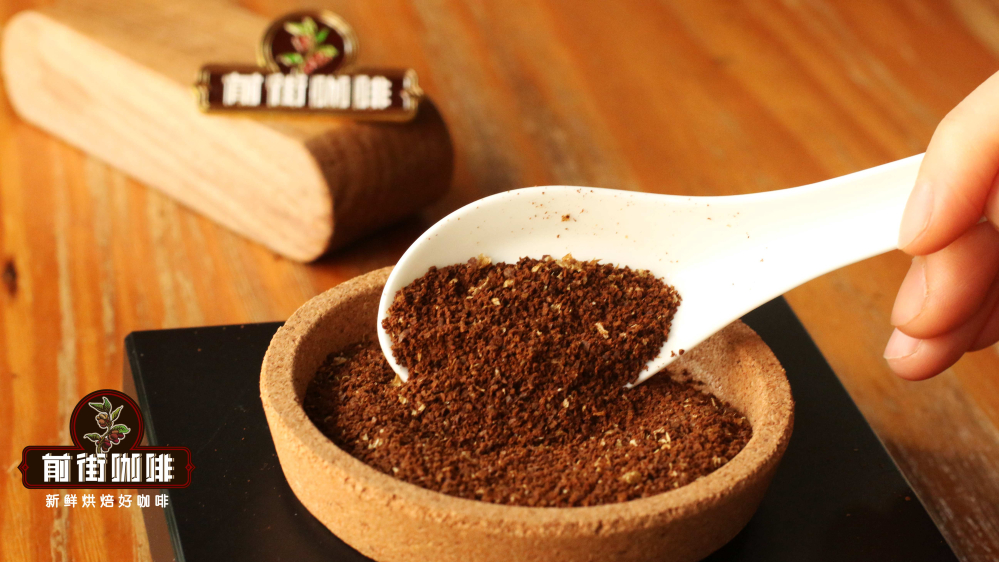
In terms of grinding, the coarseness of coffee grounds for cold brew is controlled at about 85% passing rate through a No. 20 standard sieve, with a texture close to fine granulated sugar.
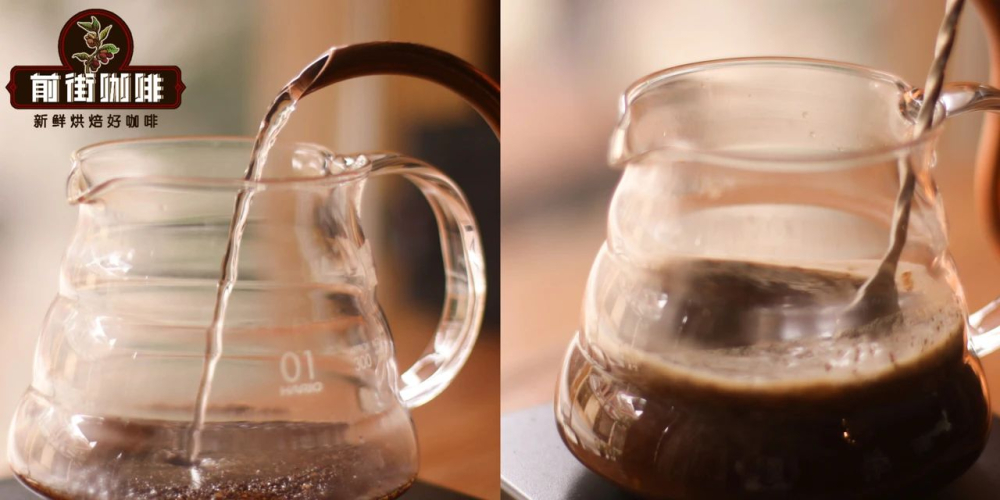
Put the ground coffee into a glass container, then pour in 400 milliliters of room-temperature water, and add 200 grams of hard ice cubes (totaling 600 grams of ice-water mixture), meaning the coffee-to-water ratio is about 1:12. Use a stirring rod to mix the grounds and water thoroughly, then seal it well and place it in the refrigerator's cold storage compartment.
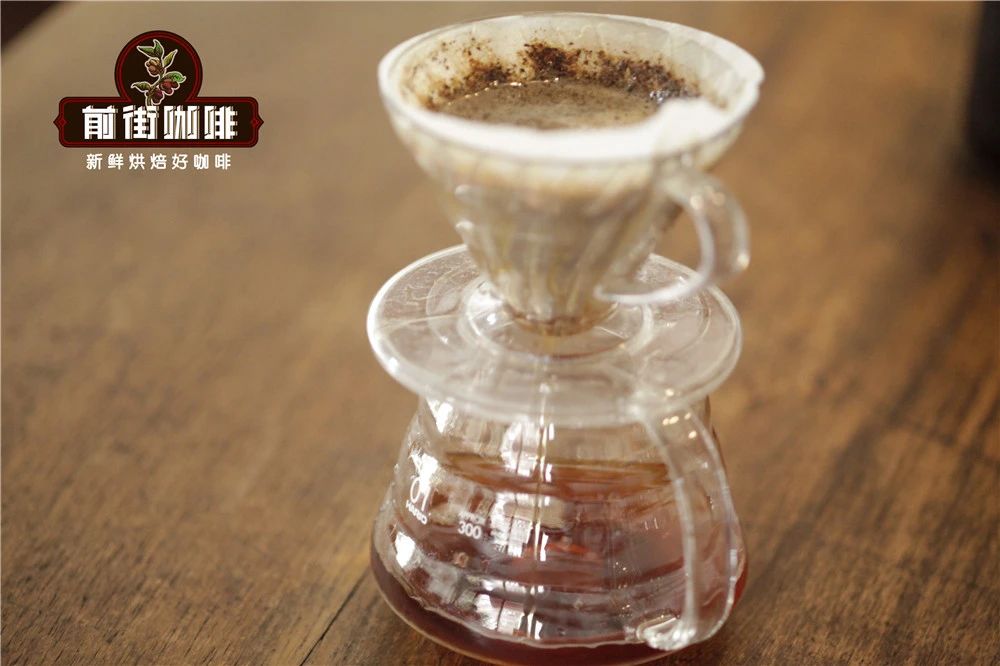
After letting it sit in the refrigerator for 8 to 16 hours, filter out the coffee grounds with filter paper to obtain a clear coffee liquid. Pour the filtered liquid into a clean sealed bottle and continue refrigerating for about 4 hours before drinking, and the flavor will be more stable. Of course, you can also add some ice cubes according to personal preference for an even more refreshing and cool drink.
What Coffee Beans Are Suitable for Cold Brew?
The coffee liquid made by cold brew is not as transparent as cold drip, and a thin layer of oil often floats on the surface, with a taste leaning toward heavy and balanced. Therefore, it is recommended to choose light-to-medium roast beans, which makes it easier to present the refreshing, clean characteristics of cold brew.
① Front Street. Panama Butterfly. This washed-process bean contains 70% Geisha components, offering quite outstanding value for money. Used for cold brew, it will display clean and fresh floral notes, citrus, and oolong tea-like flavors.
② Front Street. Ethiopia Yirgacheffe Red Cherry Project. Yirgacheffe can be called the representative of African beans, with extremely rich floral and fruity notes, winning over countless coffee lovers. The Red Cherry Project is quite outstanding in quality among natural-process Ethiopian beans, and is also very suitable for cold brew, presenting sweet berries, layered complexity, and honey-like flavors.
③ Front Street. Costa Rica Musician Series Mozart. The Musician Series has always been known for its high flavor recognizability. Mozart uses anaerobic honey processing, with fragrant osmanthus, grape, and fermented wine aromas. Using it to make iced coffee performs very brilliantly, balancing both flavor and mouthfeel.
The Correct Way to Make Cold Brew Coffee
Front Street more recommends making cold brew in a low-temperature refrigerator environment. Especially in the south, where room temperature stays high all summer, if steeped at room temperature, the timing is very hard to get just right.
The parameters for cold brew can be set as follows: coffee-to-water ratio 1:10, grind size at 75% passing rate through China standard No. 20 sieve (aperture 0.85 millimeters), steeped with ice water.
In actual operation, Front Street takes 50 grams of coffee grounds, adds 400 milliliters of filtered water and 100 grams of ice cubes, stirs evenly, seals the bottle, and places it in the refrigerator's cold storage compartment. Low-temperature extraction for 8 to 12 hours is sufficient; it's best not to exceed 16 hours, otherwise it easily over-extracts and produces off-flavors. After steeping is complete, filter out the coffee grounds with a filtering device and it's done.
How to Drink Cold Brew Coffee Properly
Front Street recommends placing the extracted cold brew coffee in the refrigerator to rest for 2 to 3 hours before drinking. Because during this overnight resting process, the coffee liquid gradually mellows, and the flavor performance is better.
How Long Can Cold Brew Coffee Be Stored?
Filtered cold brew coffee can be kept sealed and refrigerated for 5 days. Although the longer it sits, the mellower the flavor, the internal environment of a refrigerator is, after all, "complex," especially for household refrigerators, and it is hard to completely prevent bacterial intrusion; plus, each time you take some out, air enters. For health reasons, Front Street does not recommend drinking it after a week or even a month.
The above content is compiled by CoffeeHunters, a coffee news website.


