







What makes Panamanian geisha coffee from Finca Deborah distinct?
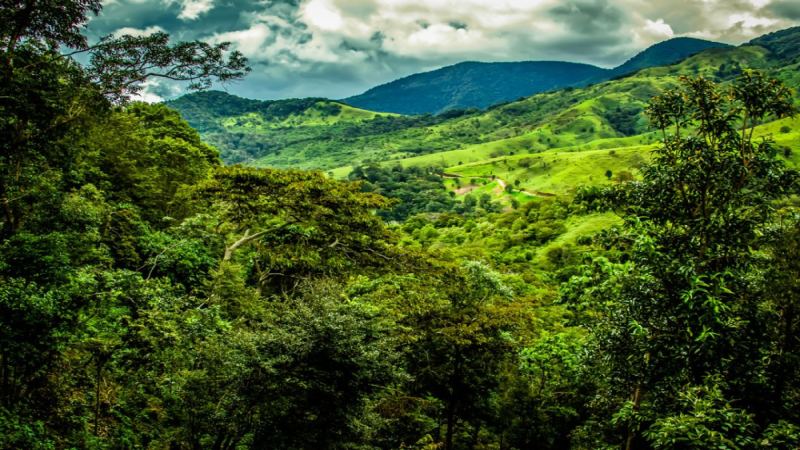
Finca Deborah sits above 1,900 meters in Panama's Volcán mountain range, wrapped in cloud and tropical rainforest. The Geisha trees grow slowly in the cool nights, which drop to around 10 degrees Celsius. That slow ripening produces denser, harder beans with the complex, refined flavor the variety is known for. Only the ripest cherries are hand-selected.
Geisha reached the world stage through Hacienda La Esmeralda, and other Panamanian estates later joined in, including Elida and Kotowa Duncan in Boquete. Growing conditions for coffee at this altitude, with cloud cover and low nighttime temperatures, are central to the estate's results, alongside careful processing and its Savage series project.
In the landscape of Panamanian specialty coffee, besides the renowned Hacienda La Esmeralda, Finca Deborah also writes a unique chapter with the Geisha variety. Perched above 1,900 meters in the Volcán mountain range, surrounded by tropical rainforest and cloud layers, this estate nurtures a refined and complex Geisha coffee through its extreme microclimate and eco-friendly energy system. This article will guide you through the variety's origins, Panama's growing environment, the estate's story, the Savage series project, and Front Street Coffee's roasting and brewing practices, offering a comprehensive understanding of Finca Deborah Geisha's unique charm.
For professional coffee knowledge exchange and more coffee bean information, please follow Coffee Workshop (WeChat public account: cafe_style)
After Hacienda La Esmeralda in Panama propelled Geisha onto the world stage, producing countries and estates alike joined the cultivation ranks, and other Panamanian estates were naturally no exception. While Esmeralda's Geisha is indeed outstanding in flavor and exceptional in mouthfeel, Geisha from other estates also performs brilliantly. Take the Boquete region as an example—besides Esmeralda, Elida Estate and Kotowa Duncan Estate are also prestigious specialty coffee names. Front Street Coffee has also sourced Geisha coffee from Finca Deborah.
Panama Finca Deborah Geisha - FINCA DEBORAH GESHA
Finca Deborah sits deep in the Volcán mountain range at an elevation of 1,900 meters, with the entire estate wrapped in thick clouds year-round. The farm enjoys superior natural conditions with abundant rare plant and animal species. Sheltered by the tropical rainforest, Geisha can achieve its optimal growing state. This estate ranks among the most remote and highest-altitude farms, with nighttime temperatures dropping to around 10 degrees Celsius. The extremely high altitude and lower nighttime temperatures slow the coffee trees' growth, allowing them to accumulate more nutrients and produce harder, denser beans. Among the many quality control steps, rigorous monitoring of the harvest process is one of the most critical. The estate hand-selects the ripest cherries and meticulously processes coffee cherries to meet extraction standards, ensuring Finca Deborah Geisha remains among the world's top-tier Geisha coffee beans.
Geisha variety introduction:
Geisha originates from Ethiopia and is an extremely rare wild variety, its name possibly derived from a nearby small village called Geisha where the variety was discovered. Geisha coffee trees are tall with slender leaves, strong resistance to coffee leaf rust, and wider spacing between branches on the trunk. Green beans are slender in shape, and after roasting they emit an intense and rich fruity aroma. Because this variety has extremely low yields and is difficult to purchase commercially in bulk, Panama's unique coffee owes its uniqueness most importantly to its microclimates. Panama's east-west topography channels cold air masses through the central mountain range, converging above 6,500 feet, thereby creating diverse microclimates in the Boquete and Volcán–Candela regions, making them the core producing areas of Panamanian specialty coffee.
Panama's Growing Environment
Panama's land area is already small, and the areas suitable for coffee cultivation are even more limited. The coffee industry is mainly concentrated in three areas of Chiriquí Province: Boquete, Volcán, and Renacimiento. These three producing areas are distributed on both sides of Barú Volcano near the crater, an area also known as the Valley of Flowers and Eternal Spring. Here, fertile volcanic soil, humid air, abundant rainfall, dense vegetation, and cloud cover provide excellent growing conditions for coffee trees, producing rich-flavored, high-quality specialty coffee beans. The diverse microclimates also bring rich flavor expressions to the beans. It is precisely for this reason that Panama's Geisha coffee is so famous, becoming one of the most expensive coffees in the world.
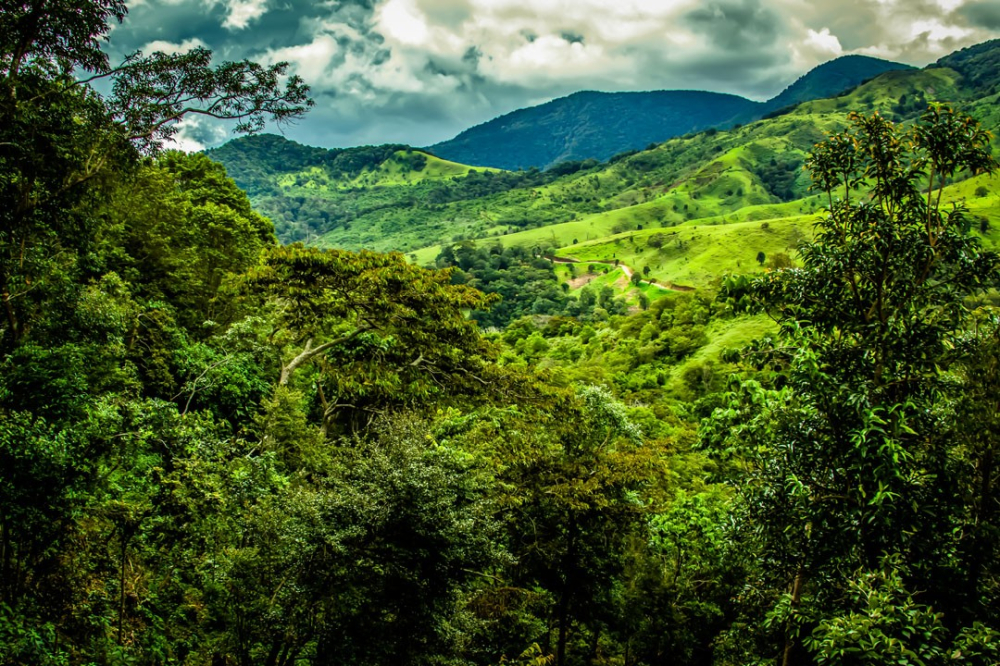
Finca Deborah is an estate that emphasizes environmental sustainability and natural energy. Its processing plant runs on solar power systems. In this remote high-altitude location, the traditional power grid cannot meet the processing plant's electricity needs, so the estate developed its own power generation method. Because of this, the estate has been able to preserve the integrity and uniqueness of the surrounding environment. Additionally, as a shade-grown estate, Finca Deborah blends seamlessly with the surrounding mountain landscape, maintaining the original natural environment and protecting the habitats of local birds and wildlife.
Finca Deborah is located in Panama's fertile Volcán volcanic zone, surrounded by tropical rainforest deep in the Barú Volcano mountain range, at an elevation above 1,900 meters, making it one of the highest-altitude coffee estates in Panama. Supported by the pristine forest, Finca Deborah experiences day-night temperature differences of up to 10 degrees Celsius. The dense jungle and natural microclimate together give the coffee an intense and complex sweet-tart flavor.
Initially, many believed such an environment could not produce good-flavored coffee. However, reality contradicts many coffee growers' experience—precisely because of the extremely high altitude, coffee diseases are kept to a minimum. The lower temperatures and larger temperature swings reduce the likelihood of fungal infections, other coffee diseases, and pest infestations, allowing coffee trees to focus their energy on fruit growth rather than expending precious energy fighting disease.
Geisha, as the world's most demanding coffee variety when it comes to growing environment, not only survives but thrives under Finca Deborah's harsh conditions, presenting a refined, complex, unique, and astonishing coffee flavor. Front Street Coffee has noticed a curious phenomenon with Geisha coffee: the harsher the environment, the better the coffee's flavor.
To improve coffee quality, Hacienda La Esmeralda tasted, compared, and recorded the differences among hundreds of coffee varieties. After years of record-keeping, they discovered in 2003 that the Geisha variety had a unique flavor. Unlike the typical Central American coffee flavors of "caramel, nuts, chocolate," Geisha coffee's "floral, citrus, honey, berry" notes amazed everyone who tasted it. In particular, Esmeralda's Geisha Red Label has a particularly full body and remarkably rich juiciness. Front Street Coffee carries Esmeralda's Geisha coffee.
Two weeks before the 2004 BOP competition, Daniel selected the competition-lot Geisha beans from the cupping table. The recorded flavors of this lot were "jasmine, citrus, peach, blueberry, bergamot, sugarcane." Because of Geisha's extraordinary flavor, this lot stunned everyone at the competition and won that year's championship, making Esmeralda Geisha famous overnight.
In reality, Geisha coffee trees are quite delicate, with low yields and branches that break especially easily, requiring more manual care. It is precisely this meticulous care that produces the refined flavor of Panamanian Geisha coffee, and Jamison Savage does the same with his Geisha coffee. Unlike many Panamanian coffee estates, Finca Deborah is an estate that helps others compete in competitions and win major awards. Competitors in various coffee events all include Finca Deborah's beans on their consideration lists. Even though Finca Deborah has never appeared on the BOP award stage, it has repeatedly stood on the podium alongside competition participants.
Finca Deborah's owner Jamison Savage comes from New York, USA. He originally worked in finance, but after marrying his Panamanian wife, he decided to abandon the fast-paced life of New York and devote himself to the Panamanian jungle. In 2007, Savage began planning the estate's construction; in 2010, he planted the first Geisha coffee tree above 1,900 meters; in 2015, small-lot harvest; in 2016, commercial harvest. During this period, many local Panamanian coffee farmers questioned whether coffee could be grown at such high altitude, but Savage was unmoved. The Geisha coffee took root, sprouted, and thrived in this harsh environment, ultimately answering those unfounded doubts with action and results.
Savage Geisha Coffee
It is worth mentioning that Jamison Savage has three projects: the aforementioned Finca Deborah, as well as Morgan Estate and the Savage series. Among the three, the Savage series must be mentioned.
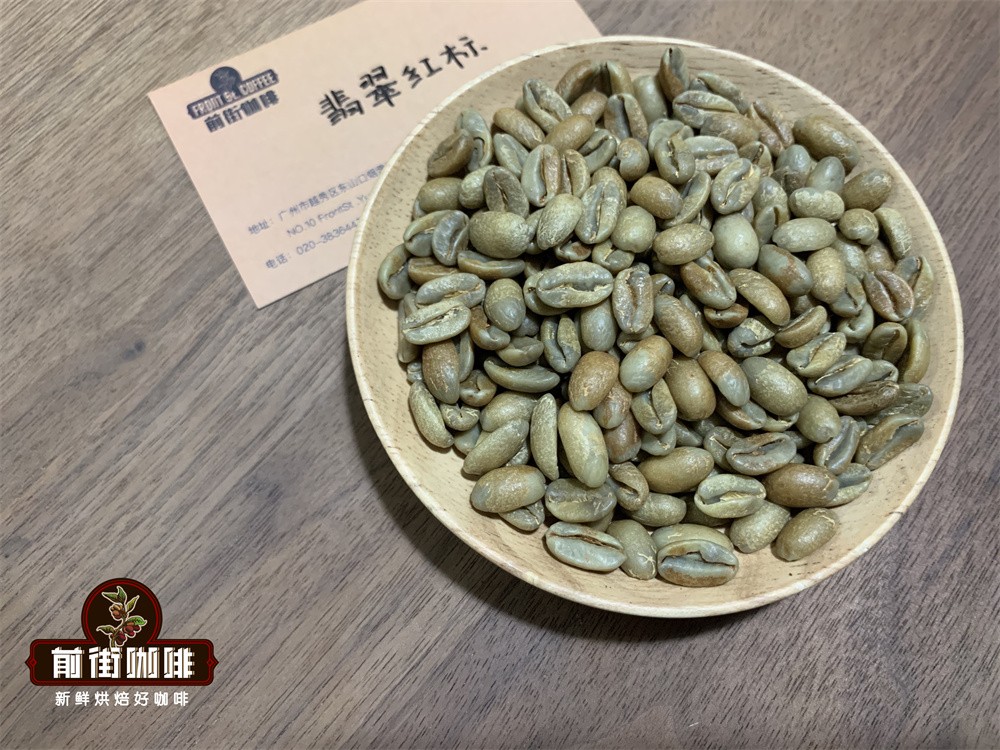
The Savage series is a product of Savage Coffee, initiated by Jamison Savage. The project was launched in Panama's Boquete region, with members consisting of small coffee estates and small coffee farmers from the Boquete and Volcán producing areas. The coffee cherries for the Savage series are also harvested from the aforementioned members. To ensure superior coffee flavor, all Geisha coffee cherries in the Savage Coffee project are fully ripe red cherries.
Coffee Bean Processing Methods
Savage Coffee is a coffee project initiated by Jamison Savage in Panama's Boquete region. Project members consist of small coffee estates and small coffee growers from the Boquete and Volcán producing areas, and all coffee in this project is harvested from project members. To achieve the best flavor, all coffee cherries harvested for this project are fully ripe red cherries.
The Savage series Geisha beans that Front Street Coffee sourced are also personally overseen by Jamison, infused with over a decade of dedication, using an anaerobic natural processing method. Selected fresh Geisha coffee cherries are placed in greenhouses to sun-dry until they reach a raisin-like shriveled state. These partially dehydrated Geisha red cherries are then placed in sealed containers, with oxygen removed for 36-hour dry fermentation, and finally depulped while retaining 100% of the mucilage for fermentation.
This processing gives Front Street Coffee's Savage series Geisha a sweeter, more fragrant flavor, highlighting fresh fruit and floral notes.
Front Street Coffee Roasting Suggestions:
When roasting this Geisha coffee, Front Street Coffee considered the need to highlight the floral notes and fruity sweet-tartness of Panamanian Geisha, so a light roast level was adopted.
Front Street Coffee Brewing Parameters for Savage Geisha:
Since lightly roasted coffee beans have a much lower extraction rate than dark-roasted beans, to fully extract Geisha's flavor, Front Street Coffee recommends the following brewing parameters.
Dripper: Hario V60, Water temperature: 91°C, Dose: 15g, Coffee-to-water ratio: 1:15, Grind size: 80% passing through a Chinese standard No. 20 sieve
[Panama Finca Deborah Savage Geisha Coffee Flavor] Pronounced white floral notes, pineapple, sweet-tartness like a lactic acid drink, full body, overall clean and balanced.
Front Street Coffee Brewing Suggestions:
Regarding coffee brewing, Front Street Coffee has always believed that bean freshness greatly affects coffee flavor. Therefore, all coffee beans shipped by Front Street Coffee are within 5 days of roasting. Front Street's roasting philosophy is "freshly roasted good coffee," ensuring every customer receives the freshest coffee when their order arrives. Coffee beans need about 4-7 days of resting, so by the time customers receive them, they are at peak flavor.
For those who need pre-ground coffee, Front Street Coffee offers a friendly reminder: once coffee beans are pre-ground, there's no need for further resting, because during shipping, the pressure from carbon dioxide inside the packaging also rounds out the coffee's flavor. So you can brew a cup immediately upon receiving the ground coffee. However, ground coffee should be brewed promptly, because once exposed to air, it oxidizes relatively quickly—meaning the coffee's flavor dissipates faster and the taste suffers. Therefore, Front Street Coffee recommends buying whole beans and grinding fresh for each brew, so you can better enjoy the coffee's flavor.
Regarding Geisha coffee, besides Panamanian Geisha, Front Street Coffee also offers coffees from other producing countries, such as: Colombia's Hanami Coffee, Costa Rica's Mirazu Geisha Blend, and Ethiopia's Gesha Village Red Label and Gold Label Geisha. Each coffee has excellent flavor! All are worth tasting!
For more specialty coffee beans, please add Front Street Coffee's private WeChat: qjcoffeex
The above content is compiled by CoffeeHunters, a coffee news website.


