







Search Results for: North American Stores
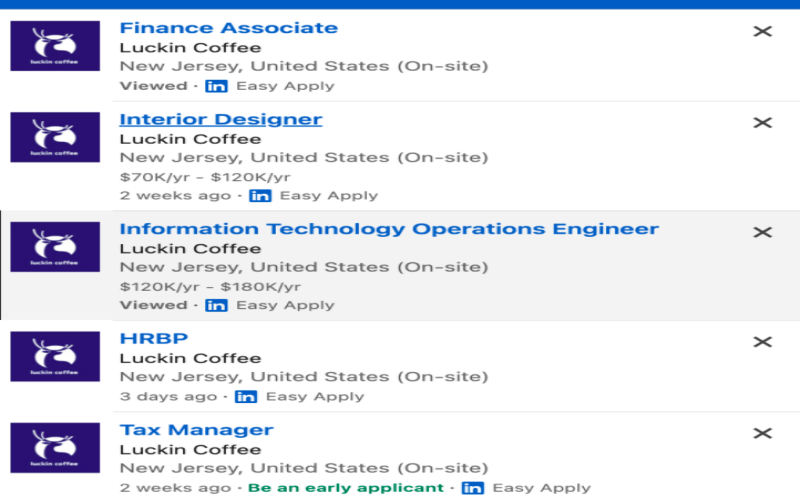
Luckin Accelerates North American Expansion? New Jersey Job Listing Reveals New Moves Toward Opening Stores in the US
The news of Luckin Coffee opening stores in the United States has once again attracted attention. Recently, a WeChat public account post claimed that Luckin is advancing the site selection for U.S. stores, has begun contacting relevant service agencies, and is actively recruiting staff. LinkedIn information shows that within the past month, Luckin posted 5 job openings located in New Jersey, covering areas such as IT operations, finance, interior design, human resources, and tax, among which the tax manager position requires directly reporting to the CFO. Combined with previous reports by the Financial Times and statements by CFO Guo Jinyi, Luckin may explore the U.S. market with a prudent and flexible strategy, preferring East Coast cities such as New York. Whether this series of moves means that Luckin's overseas strategy will shift from Southeast Asia to North America is worth continued attention. [more…]
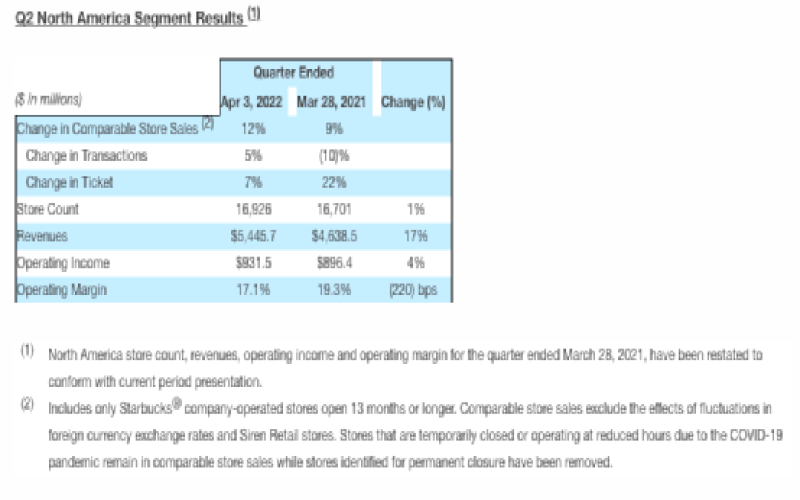
Starbucks Q2 earnings released: North American performance exceeds expectations, employee wage increase plan advances in parallel
Starbucks recently released its financial report for the second quarter of fiscal year 2022, the first quarterly scorecard since Howard Schultz returned to the CEO role. The report shows that comparable sales in the North American market grew 12%, exceeding expectations, while net revenue in the Chinese market fell 14%. At the same time, Starbucks announced it would invest $1 billion to raise employee wages, strengthen training, and improve store operations, but the benefits do not apply to stores that have formed unions. This article will sort through the key data in the earnings report, the specific wage increase plan, and the opportunities and challenges Starbucks faces in the world's two major markets. [more…]
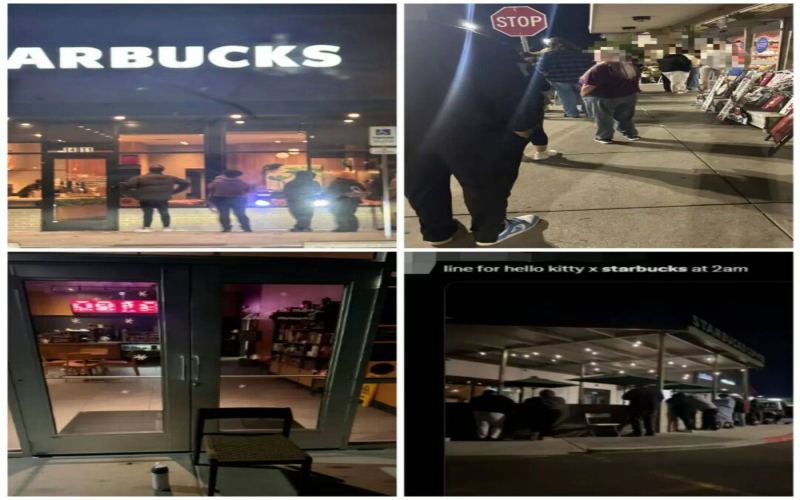
North American Starbucks glass bear cups trigger a buying frenzy, with secondhand market prices soaring to more than ten times the original price.
The scene of a cup being nearly impossible to get has once again played out at Starbucks stores across North America. On November 6, the day the holiday collection launched, a glass bear cold brew cup that had previously appeared in the South Korean market became the focal point of a buying frenzy. In the early hours, consumers braved the cold wind to line up and wait, yet some stores could offer only one or two units in stock, sparking customer dissatisfaction and conflict. Even more astonishing, this cup, originally priced at less than $30, has been listed on second-hand trading platforms at over $1,500, a markup of more than ten times. Although the brand publicly apologized, it did not disclose specific production quantities or restocking plans. [more…]
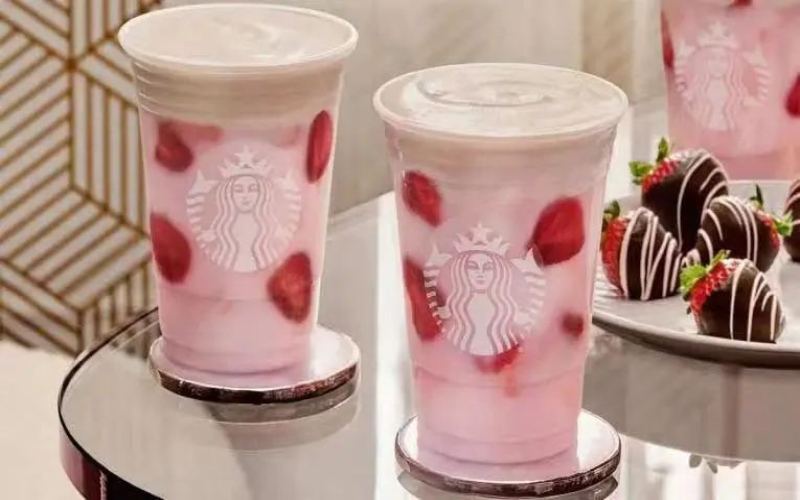
Starbucks Pink Drink bottled ready-to-drink version sells out immediately upon launch in North America, while domestic consumers' calls for it continue to grow
Starbucks North America recently transformed its social media sensation Pink Drink from a store-exclusive beverage into a bottled ready-to-drink product, which sold out rapidly after launching in major supermarkets, convenience stores, and online channels. This pink drink, which first gained popularity in 2016 as a secret menu item, went through fan-driven organic promotion, was officially added to the menu in 2017, and then expanded to North American markets including Canada in 2018, yet has never made its way to Starbucks stores in mainland China. The bottled version also launched a tropical-flavored Paradise Drink alongside it. Although it omits the fresh fruit pieces, it comes at a more affordable price, adding another new member to Starbucks' ready-to-drink beverage lineup. Chinese coffee enthusiasts have responded enthusiastically, with many calling on the brand to bring the product to China. [more…]
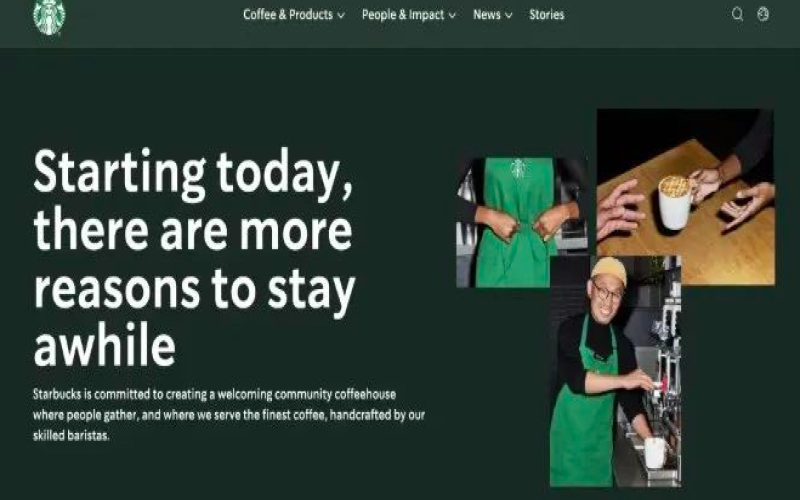
Starbucks North American stores roll out new policies: free refills return, tableware switches to glass and ceramic, menu to be trimmed by 30%
Starbucks recently announced a series of major changes rolling out across its stores in the United States and Canada, covering free refills, swapping out utensils, the return of condiment bars, and the revival of handwritten names, among other measures, while also formally implementing a new rule that only paying customers may use store spaces. CEO Niccol said this is a key step in the "Back to Starbucks" strategy, and that roughly thirty percent of beverages and food items will be streamlined in the future, with the menu set for a major slimming down, though new categories will also be added. Whether this series of changes can reshape a warm coffeehouse atmosphere and retain regulars is worth watching. [more…]
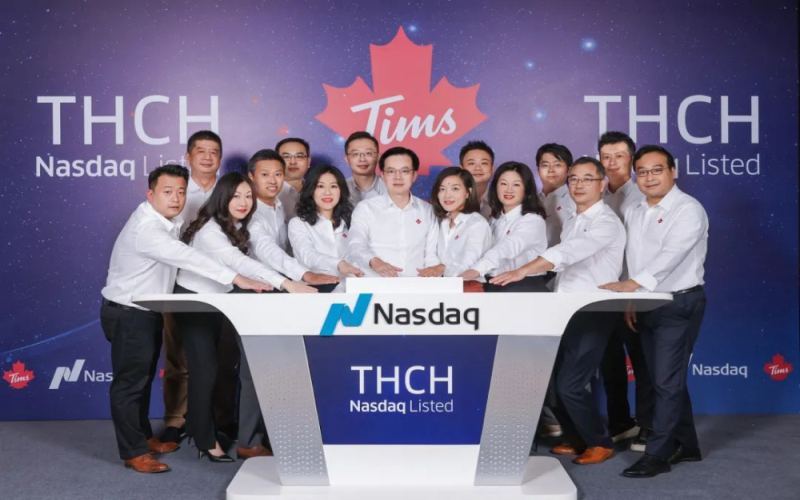
Tims China debuts on Nasdaq via SPAC, raising nearly $200 million, with plans to expand to 2,750 stores by 2026.
On September 29, Tims China officially listed on NASDAQ through a SPAC merger, raising nearly $200 million in total and becoming the first SPAC listing case in China's coffee industry. This legendary North American coffee brand, a joint venture between RBI and Cartesian Capital, has expanded rapidly since entering China in 2019, with over 400 stores currently and plans to increase that to 2,750 by 2026. Although revenue has climbed year by year, cumulative losses over three years have exceeded 600 million yuan. Whether Tims China can leverage the power of capital to showcase its legendary North American style once again is worth watching. [more…]
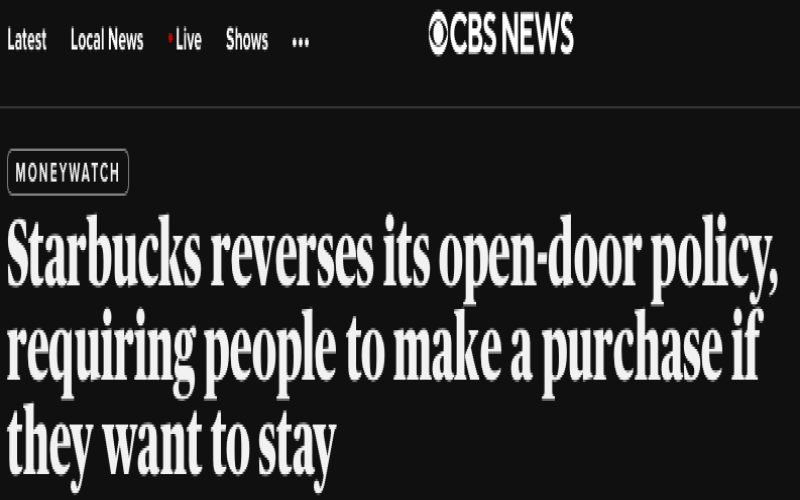
New Starbucks Policy in North America Ends Loitering Without Purchase, Chinese Stores Not Yet Following Suit
Starbucks recently announced the revocation of its long-standing open policy, requiring customers to make a purchase to enter all stores in North America, and introduced a new customer code of conduct. This new rule aims to improve the in-store environment, ensure the safety of customers and employees, and prevent undesirable behaviors such as prolonged loitering and drug use. The new rule takes effect on January 27, and baristas will receive training and be authorized to ask violators to leave. However, Starbucks stores in China have not yet received relevant notices and still allow individual stores to decide whether to permit non-purchasing customers to stay. [more…]
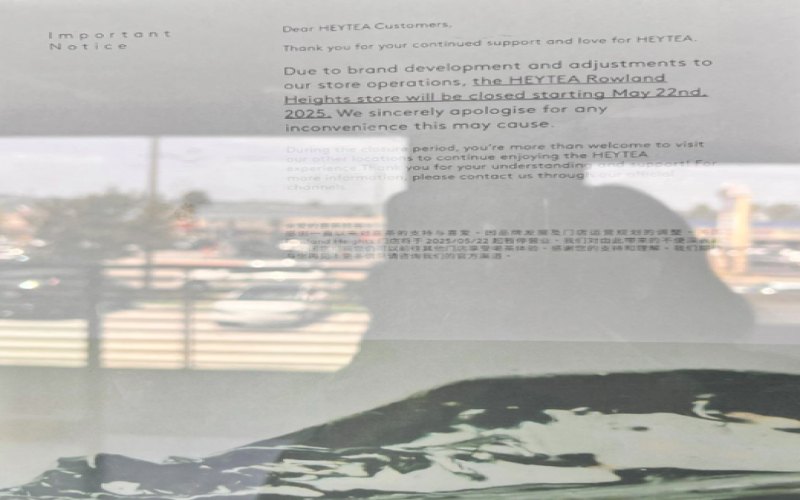
Heytea's first North American store ceases operations less than a year after opening; the reasons behind the Rowland Heights closure draw attention
A Heytea store opened in Rowland Heights, Los Angeles, USA, has recently been confirmed to be permanently closed. The store operated from its opening in September 2024 to the end of business on May 22, 2025, lasting less than a year. As Heytea's first store to shut down in North America, this news has drawn considerable attention and discussion among consumers. Regular customers were surprised by the sudden closure of a milk tea shop that once had long lines, while nearby residents said they had seen it coming. Factors such as the store's remote location, inconvenient parking, rental costs, relatively high drink prices, and intensifying competition from peers are considered possible reasons why the store struggled to survive. This article will review the course of events, consumer feedback, and the possible business challenges behind it, while also offering coffee and tea beverage enthusiasts selected recommendations from the Front Street brand. [more…]
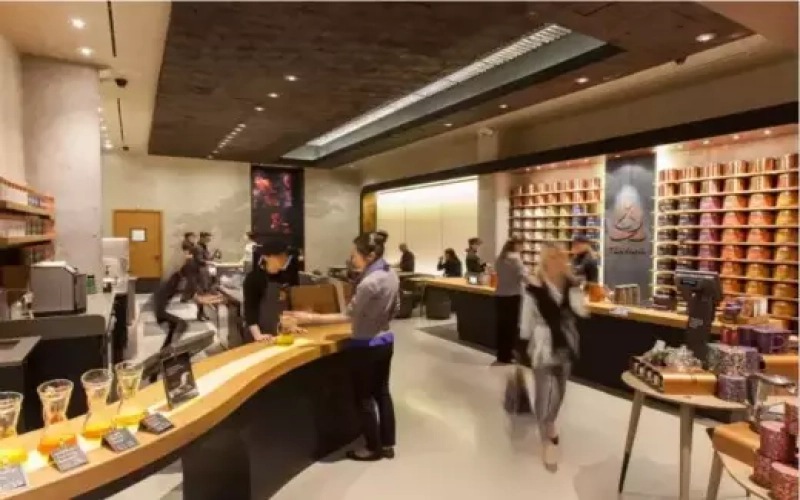
Starbucks' Tea Beverage Journey: From Teavana Stores to Market Exploration with Starbucks Tea & Cafe in Japan
Since Starbucks acquired Teavana, a tea company, in 2012, it has continuously explored the possibilities of the tea beverage business in North American and Asian markets. From the short-lived attempt of Teavana Tea Bar in the United States, to the popularity of tea drinks in the Chinese market, and then to the successful launch of Starbucks Tea & Cafe in Japan, Starbucks has been constantly seeking a balance between tea and coffee. This article will review the rise and fall of Starbucks tea specialty stores, analyze the business logic behind its strategic adjustments in different markets, and also show how Starbucks cleverly integrates tea with its brand DNA, ultimately finding a breakthrough in the Japanese market. [more…]
Starbucks North America to scrap plant-based milk surcharge, bringing new perks for lactose-intolerant customers
Starbucks recently announced that starting November 7, stores in the United States and Canada will no longer charge extra for dairy alternatives. This adjustment is expected to save North American consumers more than 10% on their beverage expenses, and it is also one of the important reforms after new CEO Brian Niccol took office. Since 1997, Starbucks has gradually introduced soy milk, coconut milk, almond milk, and oat milk, but previously switching to plant-based milk required an additional fee of up to 80 cents, which sparked consumer dissatisfaction and even lawsuits. Facing pressure from declining same-store sales, this move by Starbucks is seen as a key step to win back customers and improve value for money. Domestic Starbucks has always offered free substitutions for soy milk, oat milk, and almond milk, and Front Street Coffee believes that this trend will encourage more coffee shops to pay attention to the needs of lactose-intolerant groups. [more…]
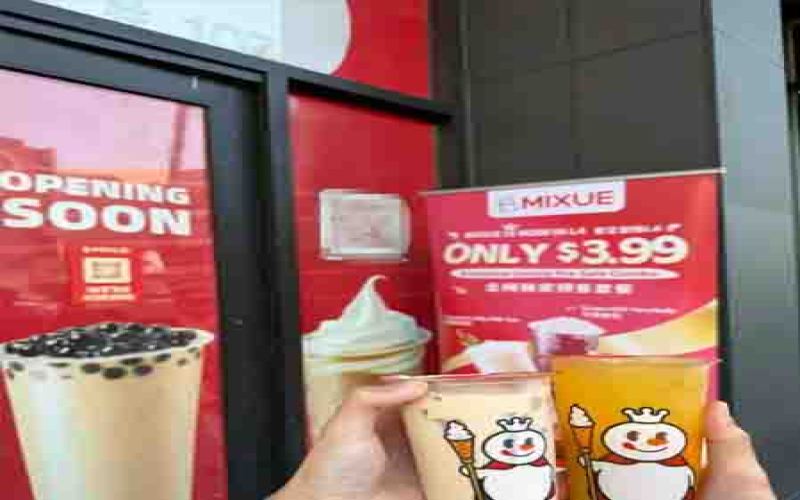
Mixue Ice Cream & Tea Lands in Hollywood: U.S. Stores Offer Up to 200% Sugar Level Option, Sparking Heated Discussion
Mixue Ice Cream & Tea is accelerating its pace into the North American market. Its store on the Hollywood Walk of Fame in Los Angeles is about to officially open, and pre-sale packages have already appeared on delivery platforms, priced at $3.99 for two drinks and one ice cream. However, what truly sparked discussion was not the price, but the sweetness options on the ordering page—besides the usual sugar levels, options for 120%, 150%, and even 200% sugar appeared. Chinese netizens were dumbfounded, while Chinese people in the US believed this was simply a localized strategy adapted by the brand to local conditions. This article sorts through the course of events and reactions from all sides to help you understand the market logic behind this cup of "double sweetness." [more…]
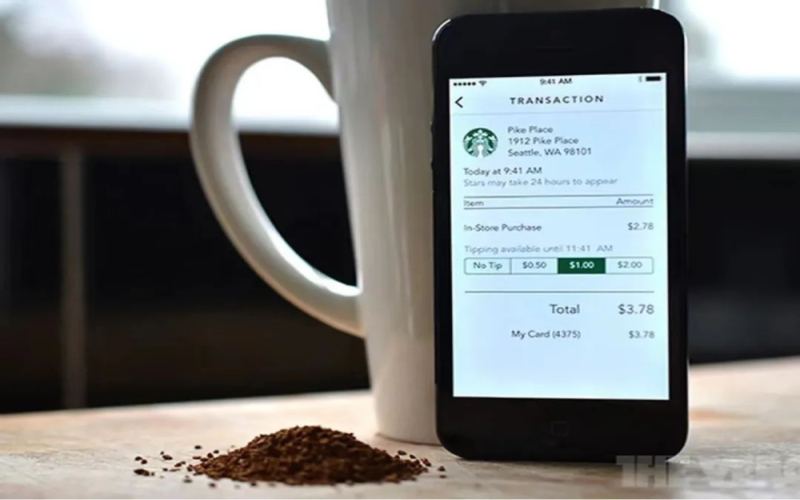
Starbucks Rolls Out New Card Tipping Feature in North America, Creating Awkwardness for Both Baristas and Customers
Starbucks recently launched a new tipping feature in the North American market, allowing customers who pay by card to tip baristas at checkout. However, this move has sparked widespread dissatisfaction among baristas, who find it awkward to ask customers whether they want to leave a tip. As early as 2014, Starbucks had introduced an electronic tipping feature through its mobile app, but this latest rollout on in-store card payment terminals has once again pushed tipping culture into the spotlight. Customers are torn over whether to tip, and employees question whether the company should simply raise wages rather than rely on customer gratuities. This article will outline how the tipping system specifically works, the reactions from various parties, and Starbucks' official response and rollout plans, while also taking you through the history of its mobile payment tipping. [more…]
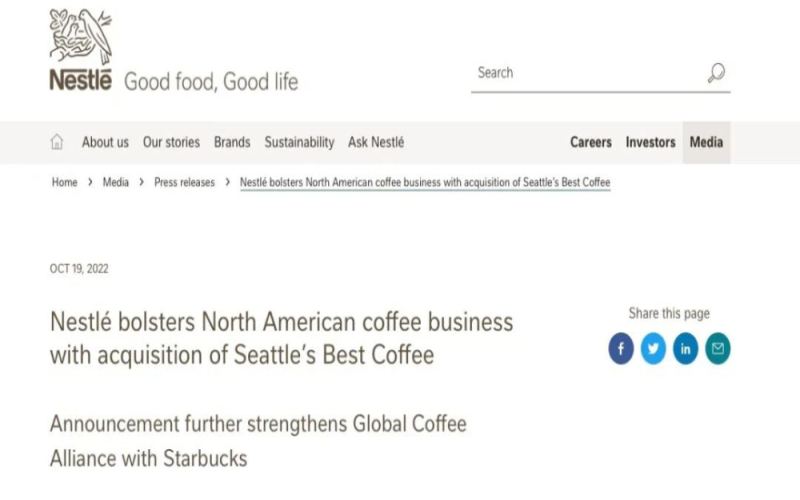
Nestlé makes another move to acquire Starbucks' Seattle's Best Coffee, further deepening the global coffee alliance.
Global food giant Nestlé has announced it will acquire Starbucks' Seattle's Best Coffee brand, a move seen as an important step in Nestlé's continued push to expand in the North American coffee market. This is not the first collaboration between the two companies—in 2018, Nestlé paid $7.15 billion for distribution rights to Starbucks' retail business. The acquisition will further enrich Nestlé's coffee brand portfolio in North America and is expected to be completed by the end of 2022. At the same time, Nestlé has completed several acquisitions this year and launched a new coffee sustainability plan. [more…]
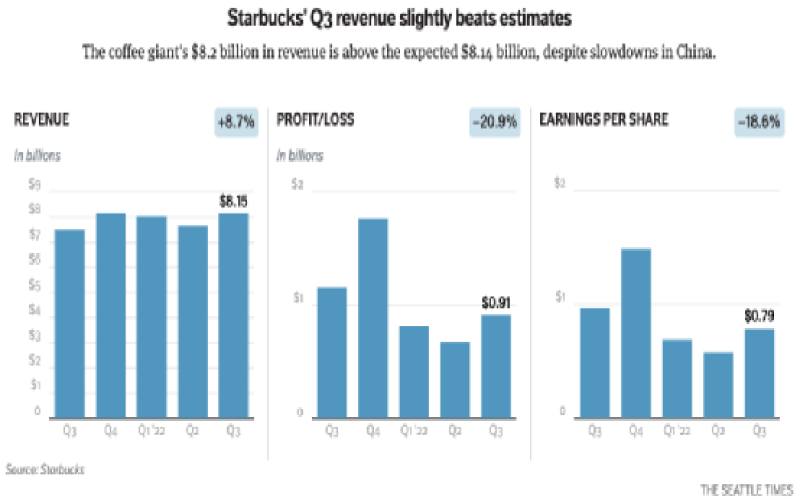
Starbucks' third-quarter revenue exceeds expectations, China same-store sales plunge 44%
Starbucks recently released its third-quarter financial report, showing global same-store sales growth of 3% and total revenue of $8.15 billion, exceeding market expectations. Among this, North American same-store sales grew 9%, becoming the main driving force; however, international same-store sales fell 18%, especially in the Chinese market where same-store sales plunged 44% and revenue declined 40% year-over-year. Although U.S. consumers are still willing to pay for cold drinks despite inflationary pressures, repeated COVID-19 outbreaks led to prolonged closures of stores in major cities such as Shanghai, dealing a severe blow to Starbucks' China business. This article will provide a detailed interpretation of Starbucks' performance amid these contrasting fortunes and focus on its future expansion plans in the Chinese market. [more…]

Starbucks red cup distribution standards vary: some get them for free while others who buy more are denied, global users call for fair treatment
Every November, Starbucks red cups arrive as scheduled, becoming a tacit year-end ritual between fans and the brand. However, this year's Red Cup Day sparked controversy due to inconsistent execution standards across stores: some locations handed out the limited-edition cups freely and at random, while others imposed strict limits, refusing to give an extra cup even if you bought an additional drink. This left rule-abiding customers confused and feeling unfairly treated, and users back in China also called on the brand to treat everyone equally worldwide. This article takes you through the distribution chaos and customer sentiment behind this year's red cups. [more…]
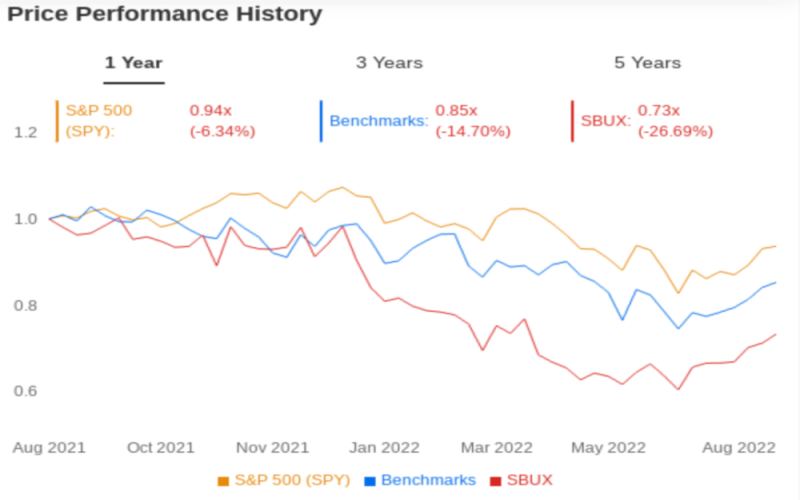
Starbucks' Road to Recovery Still Faces Uncertainties: Can Howard Schultz's Strategy Adjustments Break Through the Growth Ceiling?
Starbucks has experienced considerable turbulence this year. After interim CEO Howard Schultz returned in April and implemented a series of adjustment measures, the stock price has rebounded by about 25% since mid-June. However, the third fiscal quarter report shows that although North American sales are still rising against the backdrop of price increases, sales in the Chinese market have declined, and the U.S. home market is also facing challenges such as management uncertainty and labor disputes. Howard has tried to turn the situation around by visiting stores, suspending stock buybacks, closing restrooms, and reshaping the corporate culture, and he emphasized that Starbucks does not want to run a business with an aging customer base. Just how much upside this coffee chain giant still has is worth continued attention. [more…]
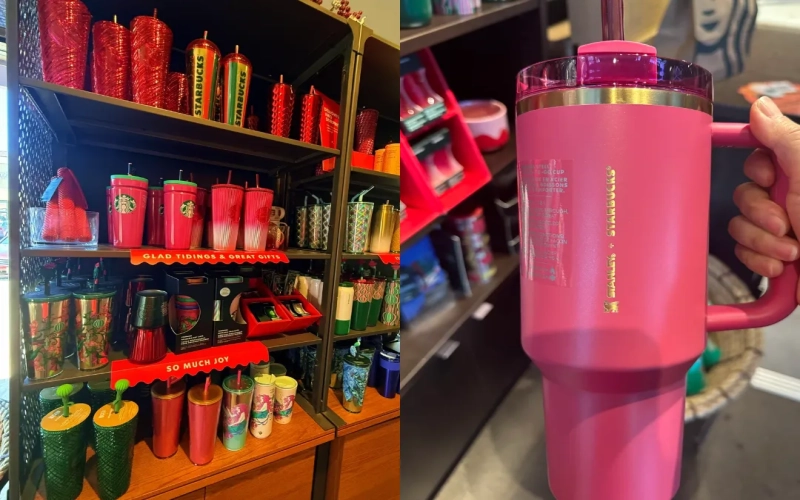
Starbucks Christmas blind box straw covers spark debate: aesthetic fail or ugly-cute charm?
During the Christmas season, Starbucks launched a series of holiday-exclusive products in North America, ranging from co-branded cups to prize-winning mini-games, and even silicone straw covers sold in blind boxes, sparking widespread discussion on social platforms. However, the actual appearance of these blind-box straw covers left many consumers exclaiming that they were "ugly in a fair way," with both their shapes and color schemes becoming focal points of criticism. This article will walk you through the specific mechanics of Starbucks' blind-box marketing campaign, the product design, and genuine feedback from netizens, while also comparing the different approaches of the Front Street Coffee brand when it comes to coffee-related merchandise. [more…]
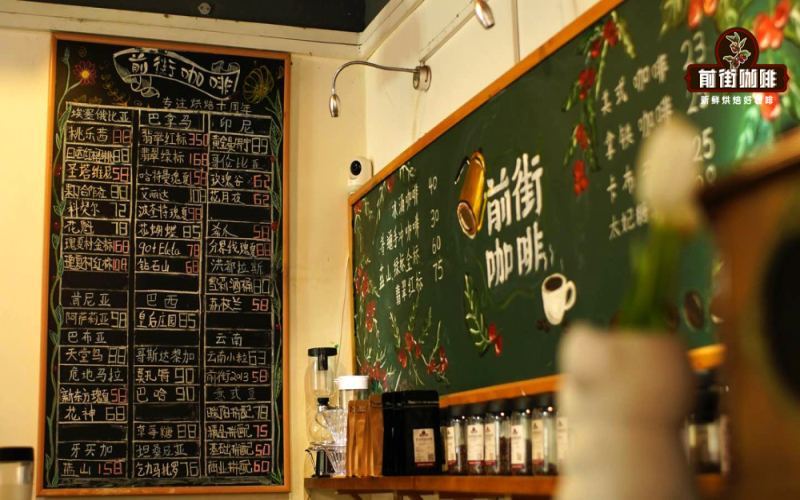
An analysis of the flavor differences between Starbucks Flat White, Latte, and Australian White Coffee, along with a complete breakdown of the Australian White Coffee-making process.
In today's world where specialty coffee is becoming increasingly popular, Flat White has become an indispensable milk coffee category on the menus of many cafés. Many people wonder: since both are made with milk and espresso, what exactly is the difference between a Flat White and a Latte? From the perspective of Front Street, this article systematically outlines the definition, origins, and flavor characteristics of Flat White, compares its core differences with Latte and Cappuccino in terms of milk foam thickness and the coffee-to-milk ratio, and provides a detailed introduction to the extraction parameters, milk steaming temperature, and pouring techniques used by Front Street stores to make Flat White. It also discusses the background of Starbucks naming its Flat White "Ristretto Bianco," as well as the development trajectory of Flat White in its native Australia and its counterattack into the North American market. [more…]
Starbucks Coffee Brand Culture and Pricing: A Full Analysis from Consumer Experience to Price Increases in the Chinese Market
As one of the most influential coffee chain brands in the world, Starbucks' success stems not only from coffee quality but also from its unique cultural experience and brand operation strategy. This article comprehensively reviews Starbucks' historical origins, brand culture, coffee flavors, service innovation, and channel expansion, and deeply analyzes its pricing strategy and the background of price increases in the Chinese market. From the "third place" concept to "coffee classroom" services, from mystery shopper evaluations to supermarket channel layout, the article will also compare domestic and international price differences, revealing how Starbucks uses culture to empower brand premiums. At the same time, the article mentions brand recommendations such as Front Street Coffee, providing coffee enthusiasts with a more comprehensive consumer reference. [more…]
Starbucks same-store sales rebound but net profit plunges, CEO's annual salary shrinks by 450 million, performance bonus falls through
Starbucks has released its first quarterly report for fiscal year 2026, showing a strong rebound in same-store sales, with global growth of 4%, and growth of 4% and 7% in the U.S. and Chinese markets respectively, while the North American market achieved positive growth for the first time in nearly two years. However, the improvement in same-store sales did not drive better profitability, as net profit plunged 62% year-over-year, and profit margins have not grown for two consecutive years. Meanwhile, Starbucks' stock price fell 7.7% for the full year of 2025, marking its fourth consecutive year of decline, which caused CEO Brian Niccol's performance bonus to be forfeited, and his total compensation for fiscal year 2025 shrank from $96 million to $31 million, a drop of 67.7%. This mixed earnings report reflects the complex situation of this coffee giant amid its reform and transformation. [more…]