







How do Starbucks straw covers fit into coffee culture?
Starbucks released holiday limited-edition products in North America for the Christmas season, including collaboration cups, a prize mini-game, and silicone straw covers sold in blind boxes. The straw covers, priced at $7.95 in the US and C$9.95 in Canada, drew wide discussion online, with many consumers calling the shapes and color schemes unattractive rather than charming.
The blind boxes contain six dust-proof straw cover sets with designs such as hearts, foxes, mushrooms, flowers, and stars, though the line launched only in North America and the items are made in China. The company also ran its annual Starbucks for Life game from December 2 to January 5, with drink or food credits as prizes. The reaction shows how coffee culture merchandise can divide buyers when the real product differs from the promotion.
During the Christmas season, Starbucks launched a series of holiday limited-edition products in North America, from collaboration cups to a prize-winning mini-game, and even silicone straw covers sold in blind boxes, sparking widespread discussion on social platforms. However, the actual appearance of these blind box straw covers made many consumers exclaim they were "ugly in a fair way," with both the shapes and color schemes becoming focal points for criticism. This article will take you through the specific gameplay of Starbucks' blind box marketing this time, the product design, and the real feedback from netizens, while comparing the different approaches of the Front Street brand in coffee peripheral products.
▲
Click to follow | Daily specialty coffee culture magazine Coffee Workshop
With the arrival of this year's Christmas season, Starbucks launched multiple holiday limited-edition products and prize interactions in the North American market, making the brand once again a hot topic on social platforms.
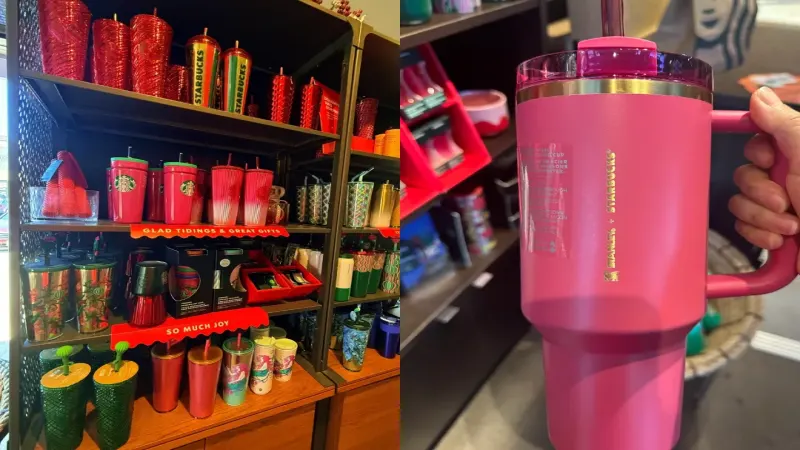
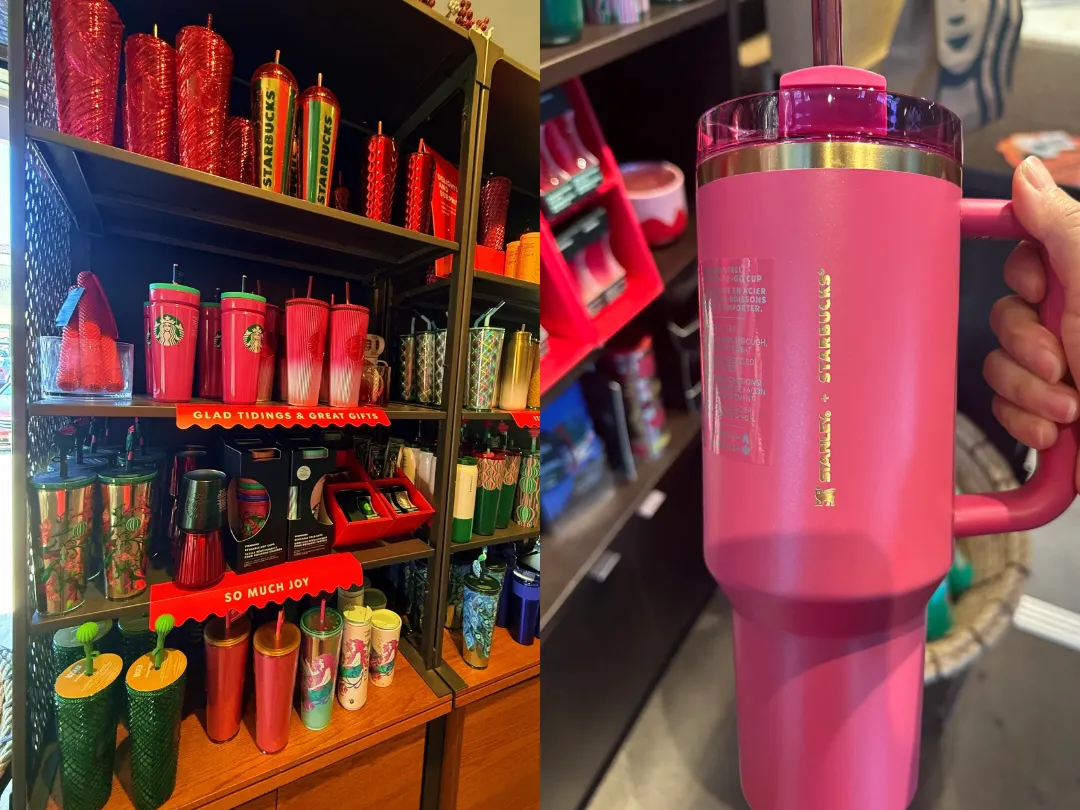
After entering December, Starbucks first rolled out a series of Christmas collaboration cups with different designs, including a peach-colored Quencher made in partnership with the established company Stanley, which even attracted many resellers to stock up at stores.
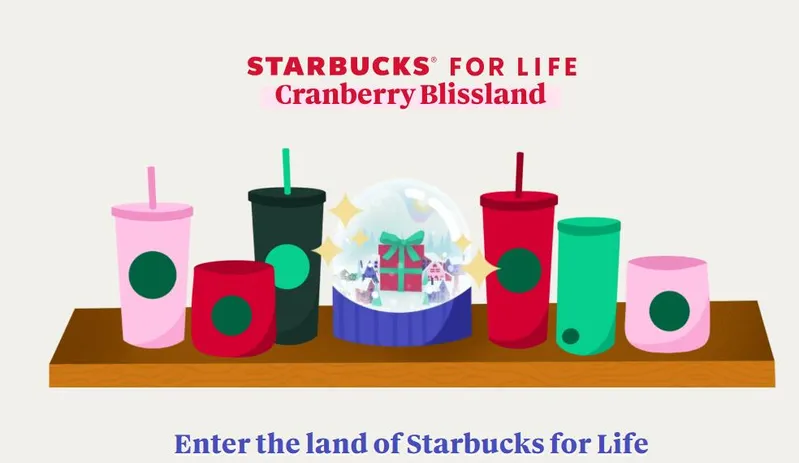
Subsequently, the brand also launched its annual prize-winning mini-game "Starbucks for Life," claiming that participating customers would have a chance to win daily drink or food credits for up to 30 years, as well as other rewards, with the event running from December 2 to January 5 of next year. Currently, some users have posted on social media that they won 1,000 Stars, drawing widespread envy.
At the same time, in order to create a strong Christmas atmosphere, Starbucks North America not only launched multiple holiday special drinks, but also additionally stocked a silicone straw cover series in stores in the United States and Canada, selling them in blind box form.
From the actual packaging shared by netizens, Starbucks' blind boxes this time include six different dust-proof straw cover sets, with designs covering elements such as hearts, foxes, mushrooms, flowers, and stars. In terms of price, U.S. Starbucks sells them for $7.95, while Canadian stores sell them for C$9.95 (TMI: although the blind boxes are only launched in North America, they are Made in China
).
Although many netizens said that after seeing the packaging boxes in promotional posts they were put off by the appearance, believing that "even the pictures don't look good, so you can imagine how ugly the actual items must be," Starbucks' blind box mechanism, which understands consumer psychology well, still successfully attracted the attention of some users. Those who already have no resistance to opening blind boxes also thought that perhaps an unexpected surprise might appear; after all, what they enjoy is the uncertainty, and at worst they would just accept whatever came.
However, while other consumers were still complaining about how big the gap was between buyer photos and seller photos, Starbucks used practical action to tell everyone: what we play is authenticity. When people took the blind boxes home and opened them with great expectation, they found that the actual items Starbucks provided not only all looked perfunctory, but the retro shapes plus extremely makeshift color schemes also fully displayed an unconventional style.
"How can it be so ugly ah ah ah ah, I can't accept it," "Starbucks, can your blind boxes be even uglier," "a blind box with neither high practicality nor much ornamental value," "I drew the 'best-looking' poisonous mushroom"... From "Blooming Wealth" and "Poisonous Mushroom" to "Hearts in Harmony," under comparison of different styles, the silicone straw covers everyone opened from the blind boxes were tacky in their own distinctive ways.
Faced with such abstract products, many passersby also joined in laughing: compared with the "trendy toys" mentioned in the promotion, Starbucks' blind box looked more like something left over from the 1990s. Judging purely by shape, rather than being slipped onto a straw in a cup, it might be more believable to say it was stationery sold at a primary school gate.
And those netizens who ordered because they refused to believe it said that whenever they thought about having spent money on this thing, they could only quietly comfort themselves: it's fine, being deeply ugly is also a kind of beauty.
Image source: Xiaohongshu
Disclaimer: Some images in this article are from the internet. For some content on the website, such as images, we will respect the original copyright and indicate the source. However, due to the large quantity, there may be individual images or texts that have not yet been credited in time. Please understand. If the original author has any dispute, they may contact the website for handling, and once verified we will correct it immediately. Compiled and edited by "Coffee Workshop." Please indicate the source when reposting. If there is infringement, please inform us for deletion. Thank you~!
The above content is compiled by CoffeeHunters, a coffee news website.


