







How Is Coffee Culture Changing at Starbucks Stores?
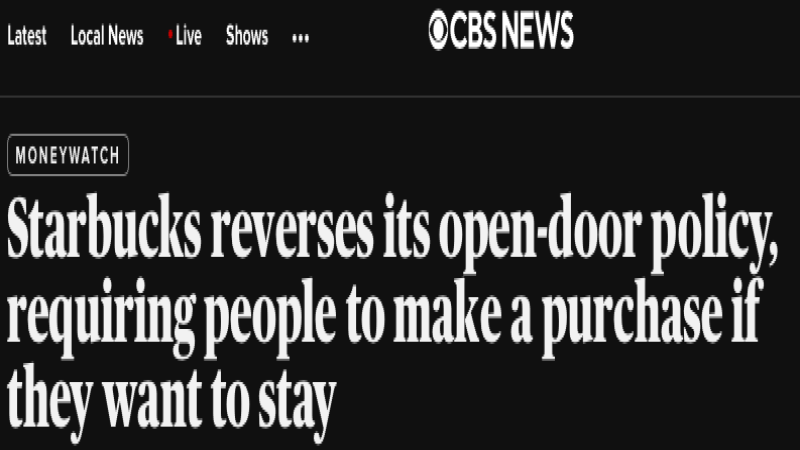
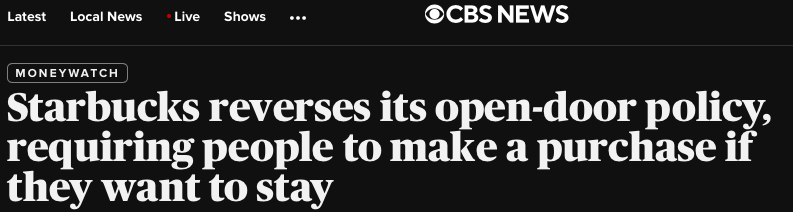
Starbucks announced on January 13 that it is rescinding its open-door policy across North America, requiring a purchase for entry and adding a new customer code of conduct. The rule takes effect January 27, and baristas will be trained and authorized to ask violators to leave. The company says the change aims to improve the in-store environment and protect customers and employees.
The open policy dates to 2018, after a Philadelphia manager called police on two Black men who had not ordered. Stores in China have not received notices about the change and still let individual locations decide whether non-paying visitors may stay. The shift reflects a wider debate in coffee culture about balancing foot traffic, safety, and customer goodwill.
Starbucks recently announced the rescission of its long-standing open-door policy. All North American stores will now require a purchase for entry and have introduced a new customer code of conduct. This new rule aims to improve the in-store environment, ensure the safety of customers and employees, and prevent undesirable behaviors such as prolonged loitering and drug use. The new policy takes effect on January 27, and baristas will receive training and be authorized to ask violators to leave. However, Starbucks stores in China have not yet received relevant notices and still let individual stores decide whether to allow non-paying customers to stay.
▲
Click to follow | Daily specialty coffee culture magazine Coffee Workshop
Recently, multiple media outlets including CBS and The Wall Street Journal reported that in order to improve the in-store environment, Starbucks has rescinded its years-long open policy of "allowing anyone to linger in its cafés." The coffee giant announced on January 13 local time that all stores across North America will introduce a new customer code of conduct, aimed at protecting the personal safety of customers and employees, improving the customer in-store experience, and making its stores more welcoming to win back consumers.
According to reports, since 2018, all Starbucks stores in North America had allowed anyone to enter and stay without making a purchase or using the restroom.
Before that policy was introduced, an incident occurred at a Starbucks store in Philadelphia, USA, where a manager called the police to arrest two Black men who were sitting in the store waiting but had not ordered any food or drinks. This incident, which embarrassed Starbucks, prompted the company to introduce the open policy, and since then customers who had not made a purchase could enter any store in North America.
Undeniably, this measure did help Starbucks boost foot traffic and customer goodwill in a short period. But over time, some potential problems gradually emerged. Some customers took advantage of the policy to linger in stores for long periods, affecting the shopping experience of other consumers.
At the same time, because anyone entering Starbucks was not turned away, some stores saw unruly and even dangerous behavior, such as people smoking or using drugs in store restrooms, and homeless individuals treating store sofas as their own residence. In 2022, Starbucks closed 16 stores in the United States, including 6 in Los Angeles and 6 in Seattle, due to recurring safety issues in stores, including drug use and other disruptive behavior that threatened employees.
Based on this, in order to rebuild Starbucks as a national "community café" and prevent certain inappropriate behaviors from occurring in stores, the company ended its policy of "always allowing anyone to use shared Starbucks spaces," stating that it will prioritize paying customers who want to sit down and enjoy their coffee or need to use the restroom while in the store.
In addition, the new rules also include prohibiting harassment, violence, outdoor drinking, smoking, and begging in stores, effective from January 27. This brand-new store code will be posted throughout all stores in North America. Starbucks said baristas will receive training on how to enforce these guidelines and can ask those who violate the rules to leave, whereas previously they were not allowed to do so. If necessary, Starbucks authorizes staff to seek help from local law enforcement.
After the new rules were announced for thousands of stores in North America, on January 14, The Paper called Starbucks China's official customer service to find out whether domestic stores are affected by the new policy. The operator said that currently Starbucks in China is managed and operated independently by each store, with specific circumstances determined by the store itself, and there is no mandatory requirement for non-free public access.
"At present, we have not received a notice about not being open to the public for free," a Starbucks store told The Paper reporter. Starbucks is a consumption venue, so in principle a purchase is required to come in, but generally if there are empty seats, stores will not proactively drive away customers who do not make a purchase.
If the store is already full and new paying customers need seats , store staff will negotiate with customers who have not made a purchase, asking them to make a purchase before continuing to rest, or to give up their seats to paying customers.
Image source: Internet
Disclaimer: Some images in this article are from the Internet. For some content on the website, such as images, we will respect the original author's copyright and indicate the source. However, due to the large volume, a few images and texts may not have been credited in time. Please forgive us. If the original author has any disputes, they can contact the website for handling. Once verified, we will correct it immediately. Compiled and edited by "Coffee Workshop." Please indicate the source when reposting. If there is any infringement, please inform us for deletion. Thank you~!
The above content is compiled by CoffeeHunters, a coffee news website.


