







Search Results for: No Coffee Output

Luckin stores introduce smart tea machines, staff have mixed feelings: faster cup output but added cleaning burden
Luckin Coffee has recently rolled out a series of new products, including light milk tea and iced shaken drinks. As its product line continues to expand, the pressure on store staff for ingredient preparation and drink-making has also increased. Recently, reports have emerged that Luckin has piloted the "Rui Binfen - Smart Tea Machine" in some stores in Jiangsu and Zhejiang, which can automatically dispense ingredients according to recipes, saving the step of manual weighing. Employees have mixed reactions: some are delighted that it reduces physical exertion and speeds up drink output, while others worry that cleaning the machine daily takes about an hour and may involve unpaid overtime. In addition, the tea machine is quite large and has certain requirements for counter space and drink output volume, so not all stores can install it. This article compiles genuine feedback from frontline employees and details on equipment use, so coffee enthusiasts can learn about new developments in chain-brand store operations. [more…]

Why Does a Quantitative Coffee Grinder Still Need Dosing by Weight? Analyzing How Hopper Pressure, Retention, and Grind Adjustment Affect Output Weight
Many coffee enthusiasts wonder: since a quantitative grinder can set the output weight or time, why weigh the grounds again after grinding? This article explains the reasons why quantitative grinders still produce errors from four aspects: hopper pressure changes, differences in coffee bean gaps, the influence of residual grounds, and output fluctuations after adjusting the grind. At the same time, combined with Front Street Coffee's actual usage experience, it explains that re-weighing the grounds is not only to ensure accurate grams and avoid affecting extraction, but also to facilitate timely adjustment when flavor deviations occur. What the quantitative function truly saves is operating time, rather than completely replacing the weighing step. [more…]

A Review of the World's Top Ten Specialty Coffee Producing Countries: Flavor Characteristics of Pour-Over Single-Origin Beans and Analysis of Representative Regions
The coffee world has its own rankings. This article surveys the world's top ten coffee-producing countries, from Ethiopia to Hawaii, introducing one by one the flavor characteristics, annual output, and representative coffees of each region. Ethiopia's native varieties with floral and fruity notes, Kenya's bold acidity and blackcurrant tones, Colombia's diverse styles and dedicated smallholders, Panama's Geisha legend… each region has something unique worth exploring for coffee lovers. The article also compiles the corresponding Front Street Coffee products for each region, making it easy for pour-over enthusiasts to follow the guide and find the cup they love. [more…]
The Changing Landscape of Yunnan Small-Bean Coffee: Arabica Cultivation Status, Flavor Characteristics, and Future Trends
Yunnan's coffee planting area has climbed from over 300,000 mu in 2008 to more than 1.4 million mu today, with output once accounting for over 99% of the national total. Yet the expansion of the industry's scale has not been smooth sailing. Since 2012, international coffee futures prices have continued to decline, leaving Yunnan coffee farmers struggling at the edge of the cost line; the 2014 harvest season was hit by a triple blow of drought, cold damage, and the abandonment of harvesting, causing output to plummet from an expected 100,000 tons to less than 60,000 tons, while purchase prices, driven by factors such as drought in Brazil, saw their largest single-month increase in 20 years. Lincang, as an emerging main producing area, rose rapidly, and companies such as Lingfeng Coffee began implementing quality traceability systems. This article will review the cultivation situation, flavor characteristics, and future development trends of Yunnan Arabica coffee beans. [more…]
Ethiopia Yirgacheffe Leads: A Full Analysis of the Flavors and Characteristics of the World's Top Ten Specialty Coffee Producing Countries
The world of coffee is wonderfully diverse, with the terroir of different origins giving coffee beans strikingly different personalities. This article rounds up the world's top ten premier coffee-producing countries, as selected by a number of industry opinion leaders. From Ethiopia, the birthplace of coffee, and its iconic Yirgacheffe, to Kenya, Colombia, Guatemala, and other renowned producing regions both old and new, it analyzes the flavor characteristics and cultivation traditions of each country's coffee one by one. The article also recommends related products from Front Street Coffee. Whether you are chasing delicate floral and fruity notes or prefer a rich, sweet body, this guide can help you open a door to the world of specialty coffee. [more…]
From Drip to Semi-Automatic: A Beginner's Guide to Coffee Machine Selection and Analysis of Home Model Recommendations
Faced with a dazzling array of coffee machines, many enthusiasts don't know where to start. This article systematically sorts out the classification logic of coffee machines—by extraction method, they fall into three major categories: traditional drip, Italian-style high-pressure pump, and capsule; by operation mode, they are further divided into fully automatic and semi-automatic. The article analyzes the structural characteristics, output quality, and suitable users of each type of machine one by one, and focuses on home semi-automatic coffee machines, offering purchasing recommendations ranging from 300-yuan toy machines to 50,000-yuan ultimate enthusiast dream machines, covering popular models such as Cancun, Matrix, Huijia, NOUVA OSCAR, Expobar E61, LASPAZIALE S1, and Lamarzocco GS3 MP. Finally, it adds practical knowledge such as coffee bean preservation and bean resting periods, helping readers find a balance between budget and quality. [more…]

Wildfires Rage in Brazil's Minas Gerais National Park, New Coffee Crop Season Output May Face Potential Impact
A fire in the Serra do Cipó National Park in the Cerrado region of Minas Gerais state in southern Brazil has been burning for four days, with the burned area reaching 478 hectares. The state is a core coffee-producing region in Brazil, accounting for 30% of the country's output, and many coffee estates are located nearby. Although, as of August 13, the harvest of the new coffee season is nearly complete, so the current fire has limited impact on this season's output, damage to the soil and ecological environment, low humidity, and the possible arrival of a La Niña climate make the outlook for coffee production in the 2024/25 season worrying. [more…]
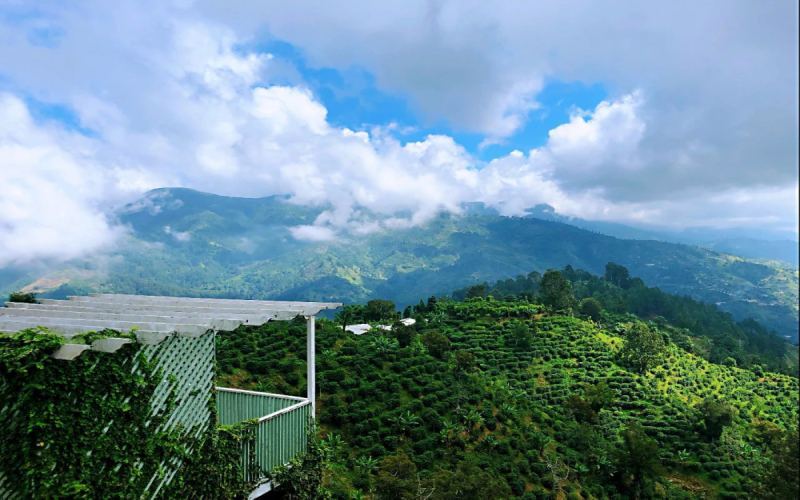
A Review of Famous Jamaican Blue Mountain Coffee Brands: Rankings and Characteristics of the Four Major Estates and a Buying Guide
Jamaican Blue Mountain coffee is hailed as a gem among specialty coffees, but the market is flooded with products labeled "Blue Mountain," making it hard to tell which are authentic. This article systematically sorts out Blue Mountain coffee's price references, historical origins, three major producing regions, and six key markers, explains in detail the grading standards of the Jamaica Coffee Industry Board (CIB) and the requirements for the No.1 grade, and introduces the characteristics and output patterns of well-known estates such as Clifton Farm, Wallenford, Mavis Bank, and CLYDESDALE. It also includes the pour-over parameters and flavor description of Front Street Coffee's washed Blue Mountain No.1, helping coffee enthusiasts identify authentic Blue Mountain and choose the right fresh, good beans. [more…]
A Comprehensive Analysis of Brazilian Coffee Regions, Varieties, and Grading: Cerrado Bourbon Flavor and Brewing Key Points
Brazil is the world's largest coffee producer, with 17 of its 27 states growing coffee, and the four states of Paraná, São Paulo, Minas Gerais, and Espírito Santo together accounting for 98% of the national output. Brazilian coffee is known for its low acidity, smooth and mellow body, and a faint grassy aroma, with a mild and balanced flavor. It is both an ideal base for espresso and flavored coffee drinks and suitable for everyday brewing. This article systematically reviews the origins, main varieties, grading systems, and flavor characteristics of Brazilian coffee, introduces the performance of the old Bourbon variety in the Cerrado region, and includes practical methods for both single-origin preparation and blending, giving you a comprehensive understanding of this "giant" of the coffee world. [more…]

Chayan Yuese Pilots Fully Automated Milk Tea Robot: Cup Output Efficiency and Consumer Experience Spark Heated Discussion
During the National Day holiday, the fully automated milk tea robots that appeared in some Changsha Chayan Yuese stores became a focal point for tourists. Customers noticed that staff only needed to place a labeled cup in the designated position, and the robotic arm could complete most of the preparation process, with only the cream top needing to be added before handover at pickup. This experiment sparked polarized discussion online: supporters believe standardized operations help ensure consistent output and reduce the burden on employees; opponents point out that during peak customer flow, the robot's cup output speed is actually slower than manual work, resulting in longer waits, and equipment cleaning and customization needs still depend on staff handling. Whether automated tea-making can truly integrate into the freshly made tea beverage scenario has become a new topic of discussion in the industry. [more…]
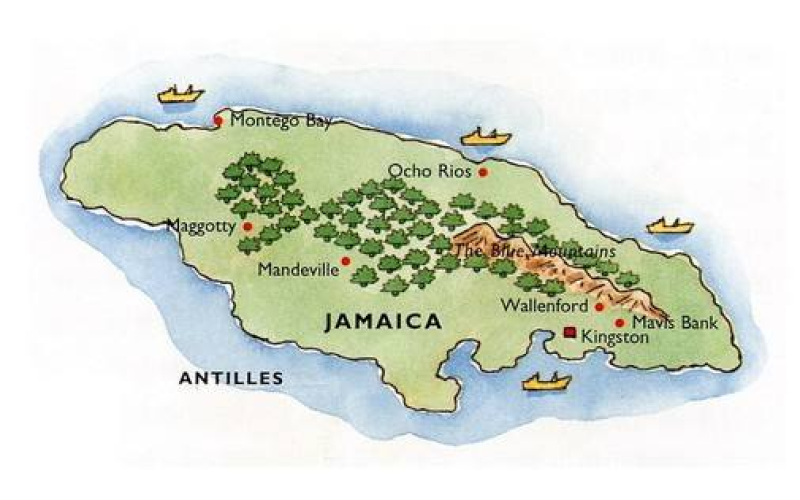
Jamaican Blue Mountain Coffee Flavor Characteristics, Bean Grade Classification, Authenticity Identification Methods, and Market Price Analysis
Jamaica Blue Mountain coffee is renowned as one of the world's top coffees, with its acidity, sweetness, body, and bitterness in balanced harmony, a rich aroma, and a smooth entry. The authentic Blue Mountain production area is limited in size and its output is scarce, and the so-called Blue Mountain coffee circulating on the market is a mix of genuine and fake. This article will systematically sort through multiple dimensions including the origin divisions of Blue Mountain coffee, grade classifications, flavor characteristics, brewing parameters, authenticity identification methods, and international market conditions, to help coffee enthusiasts gain a comprehensive understanding of this legendary coffee, and will also include Front Street Coffee's recommendations and certification information. [more…]
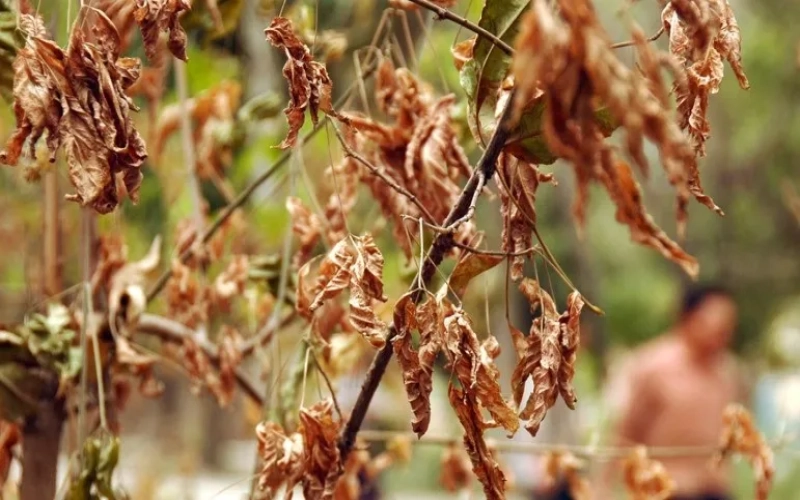
Coffee futures prices retreat, yet Brazil and Vietnam export data remain strong
After a sharp climb in the earlier period, coffee futures prices have recently pulled back. The London robusta September contract fell to $3,985 per ton, while the New York arabica September contract stood at 216 cents per pound. Robusta had previously hit a historic high of $4,339 per ton, mainly driven by reduced output caused by drought in Vietnam. However, the latest export reports from both Brazil and Vietnam showed strong growth, and declines in prices of soft commodities such as cocoa made investors more cautious, weighing the market down. Yet global weather remains unstable, with drought persisting in producing regions of Brazil and Vietnam, and concerns over future output have not faded, leaving the market gripped by a wait-and-see mood. [more…]

Bean pairing ideas for a coffee shop's espresso line
An espresso line at a coffee shop typically accounts for over 70% of total drink output. The quality of core beverages like Americano, latte, cappuccino, and Dirty largely depends on whether the right beans are chosen. The mature approach to bean selection for an espresso line is a "base blend + specialty blend" combination: one stable base bean to support [more…]
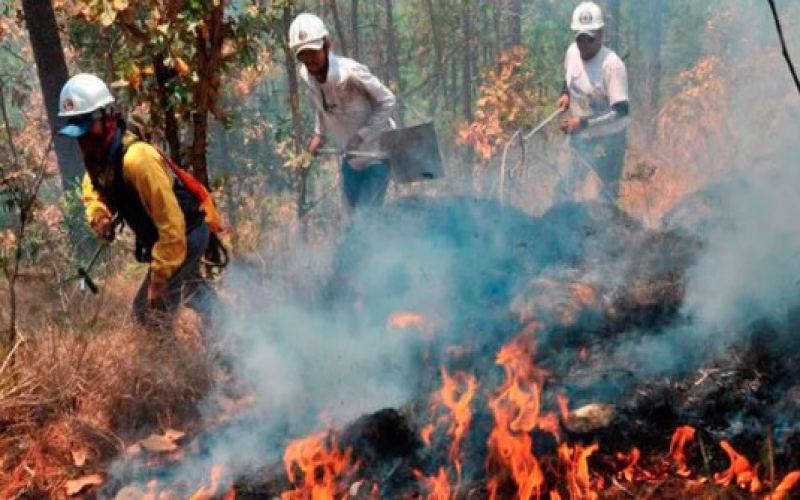
The high temperature in the Americas continues! The coffee industry in Honduras is affected.
Recently, due to the impact of bad weather in the local area of Honduras, the Honduras Coffee Research Institute (IHCAFE) is concerned about the future coffee output. According to the data released recently by the Honduras Forest Conservation Institu [more…]
A Complete Analysis of Yunnan Small-Bean Coffee Origins and Varieties: Decoding the High-Mountain Coffee Flavor from Pu'er to Baoshan
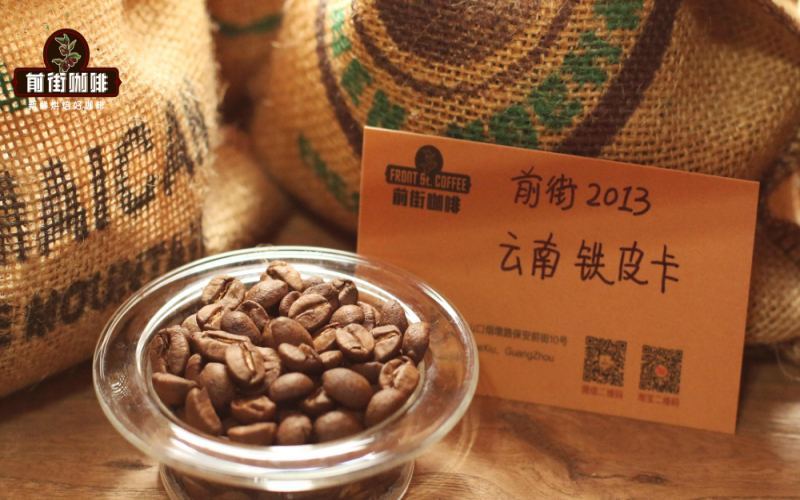
Yunnan is the province with the largest coffee-growing scale in China, producing about 26,000 tons a year, accounting for 90% of the country's total output, and is known as "fragrant coffee." Counting from 1904, when a missionary planted the first coffee seedling in Zhugula Village, Binchuan, Yunnan coffee has gone through more than a century. The four major producing regions—Pu'er, Lincang, Baoshan, and Dehong—each have their own characteristics. The main varieties are Catimor and Typica, and the processing methods are mostly washed and natural. Front Street Coffee has built its own estate in Lincang, began growing Typica in 2013, and launched the "Front Street 2013" natural bean. This article will give you a comprehensive understanding of the true character of Yunnan high-altitude coffee beans from aspects such as origin, variety, processing method, and brewing suggestions. [more…]
Key Operating Points and Common Troubleshooting for Moka Pot Espresso Extraction: Causes of Splattering, No Liquid Output, and Lack of Crema
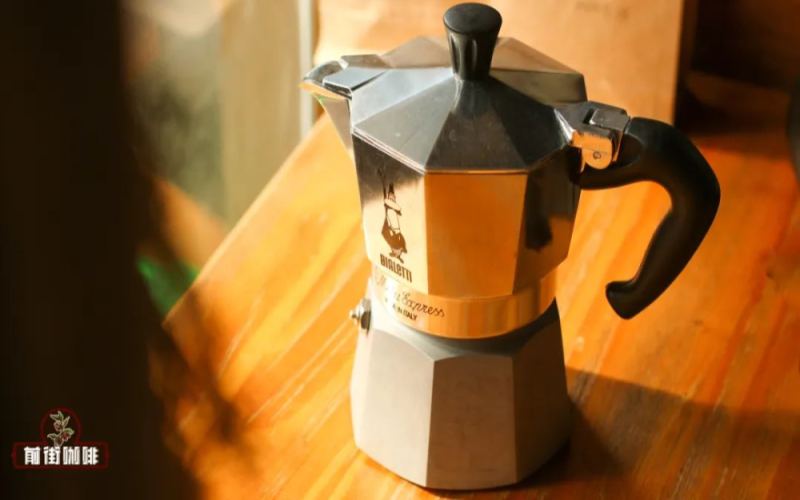
The Moka pot, thanks to its pressure-based extraction principle, can produce espresso-like strong coffee at home, and is therefore regarded by many enthusiasts as a budget-friendly alternative to an espresso machine. However, beginners often run into various problems when using it, the most typical being violent spurting of the coffee, no liquid emerging for a long time, and brewed coffee with almost no crema. These issues are usually related to puck resistance, heat control, grind size, and bean freshness. Below, Front Street will analyze the causes of these three common problems one by one and offer corresponding adjustment solutions, along with recommendations for espresso beans suitable for use in a Moka pot. [more…]
Hand-pressed vs. semi-automatic espresso machine extraction differences tested: Star Grain 3 compared with Lelit V3—can a budget hand-pressed machine be a substitute?
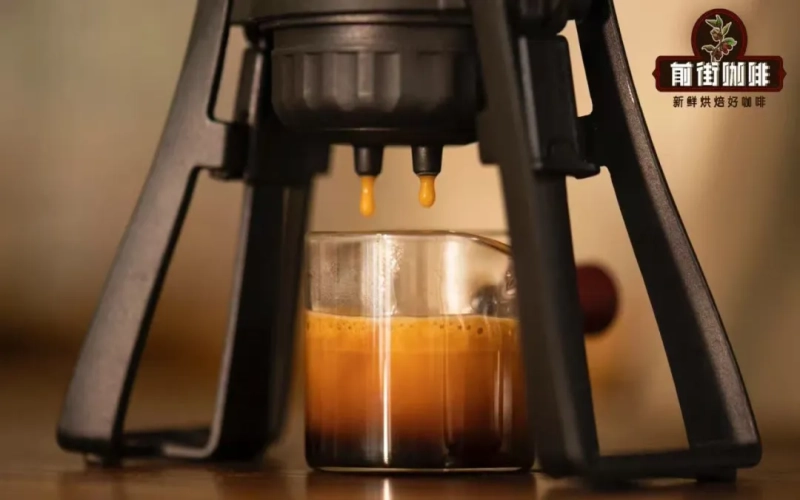
The price gap between manual espresso makers and semi-automatic espresso machines often reaches 10 to 20 times, but is the espresso they extract really worlds apart? This time, Front Street uses actual data to answer this question. We took a Star Grain 3 manual espresso maker purchased in 2022 and now discontinued, and compared it with the Lelit V3 semi-automatic espresso machine used in the shop for espresso output. We extracted three shots from each, measured the concentration and extraction yield, averaged the results, and then judged the differences in flavor and mouthfeel through tasting. The beans used were still the Warm Sun blend used for shop output, with a dose of 19.5g, a Galileo Q18 grind setting of 1.0, and a target liquid weight of 38ml. What will the results be? Can a hundred-yuan-level manual press serve as a daily substitute? The article will also share usage details for key parameters during manual extraction, such as water temperature, grind size, pressure, and water volume, to help everyone avoid common pitfalls like insufficient concentration and rough crema. [more…]
An Analysis of Brazilian Coffee Bean Flavor Characteristics and a Brewing Guide for Medium-Roast Semi-Washed Beans
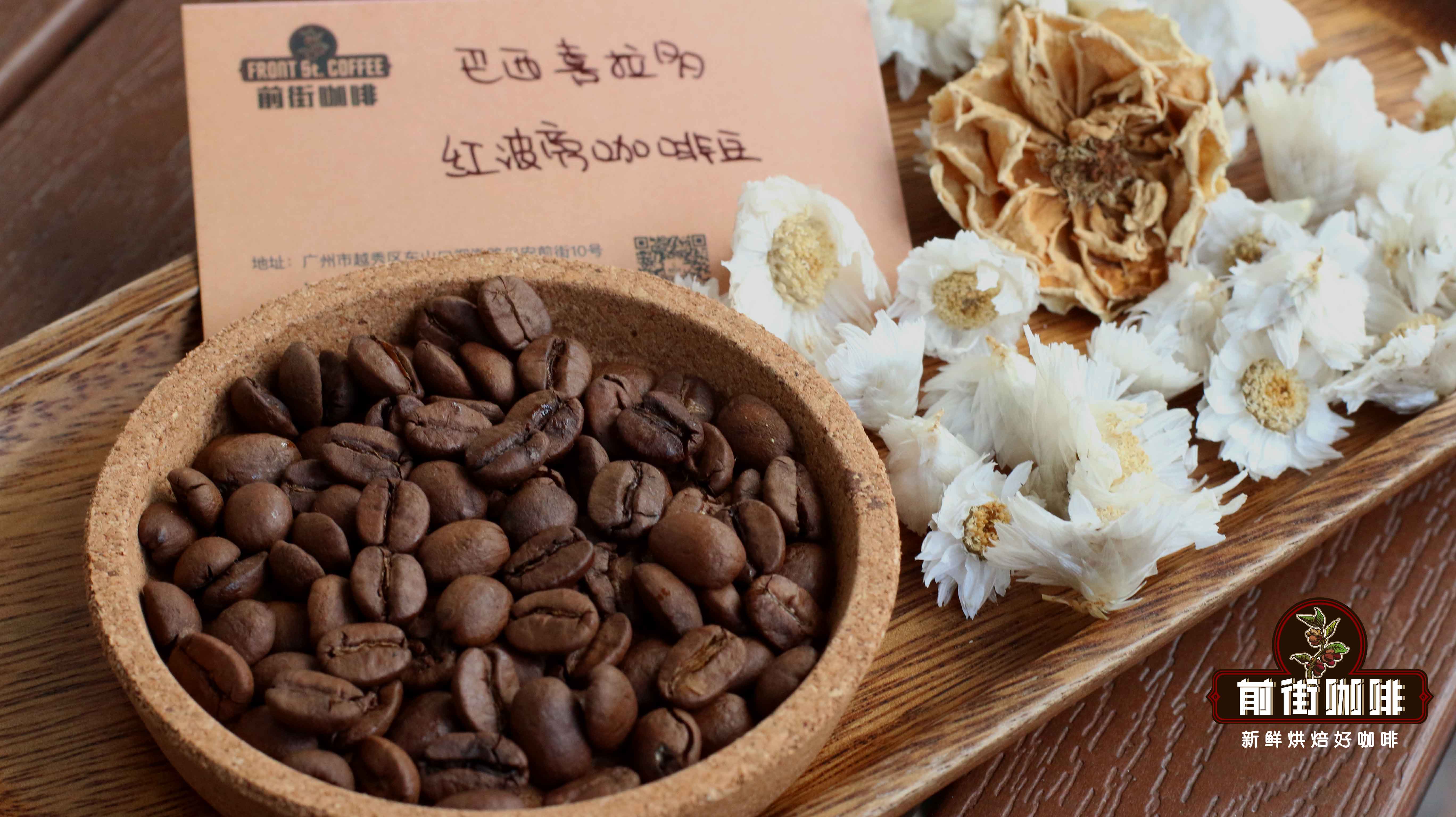
Brazil is the world's largest coffee producer and the second-largest coffee-consuming market after the United States, and fluctuations in its output directly influence international coffee futures trends. Brazilian coffee is known for its high volume and stable flavor, which benefits from its flat plateau terrain and conditions suited to mechanized operations. Although its average growing altitude of only about 1,000 meters makes it difficult to rank among the top specialty coffees, Brazil also has specialty estates that pursue flavor and is the birthplace of the COE competition. Front Street Coffee currently has two Brazilian beans: Cerrado, representing the flavor of a basic producing region, and Queen Estate Yellow Bourbon, representing a specialty estate. This article will systematically introduce the flavor characteristics of these two beans, Brazil's coffee bean grading system, and Front Street's brewing plan for medium-roast Brazilian beans, helping enthusiasts gain a comprehensive understanding of the appeal of Brazilian coffee. [more…]
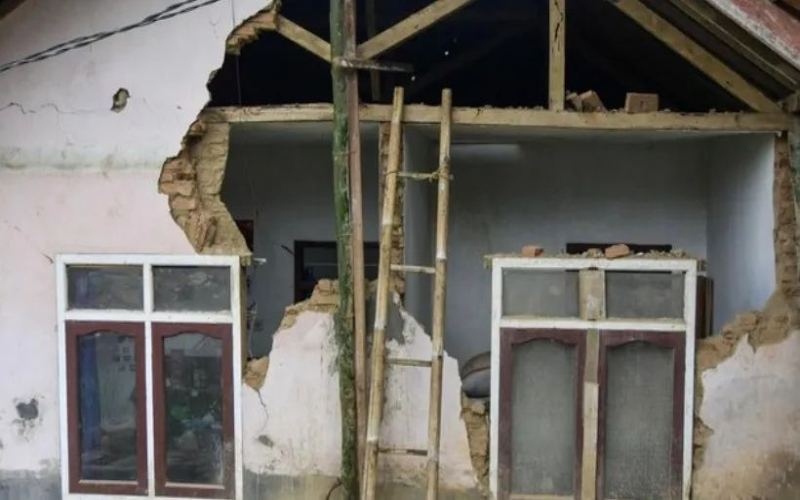
Two major coffee-producing regions in Indonesia have been hit by disasters in succession; output may decline further, and prices could keep rising.
Recently, several major coffee-producing regions in Indonesia have been hit by natural disasters. A magnitude 5.0 earthquake struck near Bandung in West Java on the island of Java, causing injuries and damage to homes; the Aceh region in northern Sumatra was hit by heavy rain and strong winds, and with the coffee harvest season underway, harvesting work has been disrupted. At the same time, several provinces are also facing ongoing drought, and coffee production may decline further. This article summarizes the disaster situations in various areas and their impact on Indonesia's coffee industry. [more…]
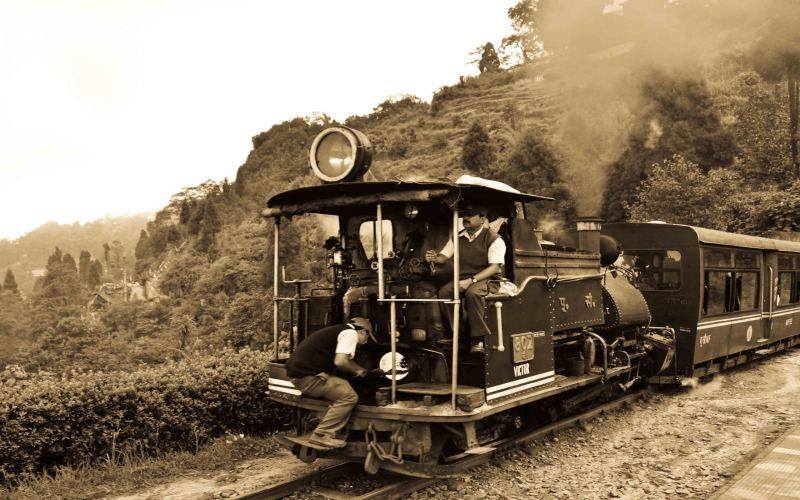
Darjeeling Tea Annual Output and Regional Development: A Cultivation History from Trial Planting to 86 Estates
Darjeeling tea is renowned worldwide for its distinctive muscatel flavor, and its quality is closely tied to the cool, humid climate, soil, and sloping terrain. This article traces the cultivation origins and expanding production regions of Darjeeling tea: from Dr. Campbell's experimental planting, to the establishment of the first commercial tea gardens in the mid-19th century, and to today's scale of 86 tea gardens producing about 10 million kilograms annually. It also introduces the flavor differences across the four main harvest seasons each year, as well as organic certification and industry employment, helping coffee and tea enthusiasts gain a systematic understanding of the past and present of this world-famous tea-producing region. [more…]