







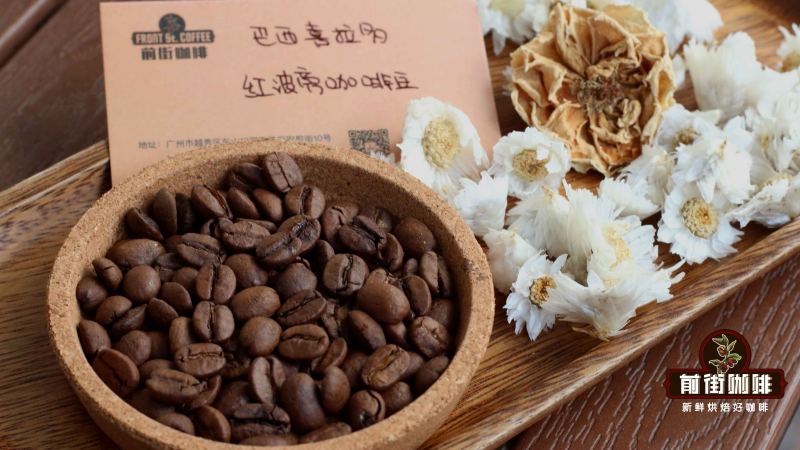
How are Brazilian coffee bean grades and flavors judged?
Brazil grades its coffee beans by defect count and cup quality, and medium-roast Brazilian beans are usually brewed as pour-over or in blends. As the largest producer and the second-largest consumer market after the United States, Brazil grows most coffee on flat plateaus near 1,000 meters, giving a stable, mellow cup with low acidity.
Two directions stand out. Cerrado represents the basic regional flavor of Brazil, while Queen Estate Yellow Bourbon shows what a specialty estate can do, and Brazil is the birthplace of the COE competition. The country's output still moves international futures, and pandemic-era harvest delays and shipping problems pushed Arabica prices higher.
Brazil is the world's largest coffee producer and the second-largest coffee-consuming market after the United States, and fluctuations in its output directly affect international coffee futures trends. Brazilian coffee is known for its high volume and stable flavor, thanks to its flat plateau terrain and mechanized farming conditions. Although the average growing altitude is only about 1,000 meters, making it difficult to rank among the top specialty coffees, Brazil also has specialty estates that pursue flavor, and it is the birthplace of the COE competition. Front Street Coffee currently has two Brazilian beans: Cerrado, representing the basic regional flavor, and Queen Estate Yellow Bourbon, representing specialty estates. This article will systematically introduce the flavor characteristics of these two beans, Brazil's coffee bean grading system, and Front Street's brewing plan for medium-roast Brazilian beans, helping enthusiasts fully understand the charm of Brazilian coffee.
For more specialty coffee knowledge, please follow our WeChat official account: Front Street Coffee (FrontStreet Coffee)
Brazil is not only a major coffee producer but also the world's second-largest coffee consumer (after the United States), and its coffee bean output has a decisive impact on international prices. During the COVID-19 pandemic, Brazil's coffee harvesting progress slowed at one point, and combined with shipping tensions, Arabica coffee futures prices continued to climb.
Front Street believes that the most prominent advantage of Brazilian coffee beans lies in their huge output and stable flavor. This benefits from Brazil's flat plateau terrain, which is suitable for large-scale mechanized operations. Brazilian coffee is generally grown at a low altitude, around 1,000 meters, making it difficult to rank among the top in the specialty coffee field, so it is often exported as a commodity.
However, Brazil also has many specialty estates. Unlike large farms, they pay more attention to refining coffee flavor. As the birthplace of COE, Brazil balances both coffee quality and output. Front Street's only two Brazilian coffee beans happen to correspond to these two directions: one showcases the basic regional flavor of Brazil — Front Street Brazil Cerrado Coffee Beans; the other represents the standard of specialty estates — Front Street Brazil Queen Estate Yellow Bourbon Coffee Beans.
Front Street Brazil Cerrado Coffee Beans belong to Front Street's daily ration bean series. The original intention of Front Street's daily ration bean series is to let more friends who want to get into coffee taste coffees from major distinctive origins at a relatively low price. Therefore, Front Street searches globally for coffee beans with local regional flavors. These beans must not only have excellent flavor but also be affordably priced.
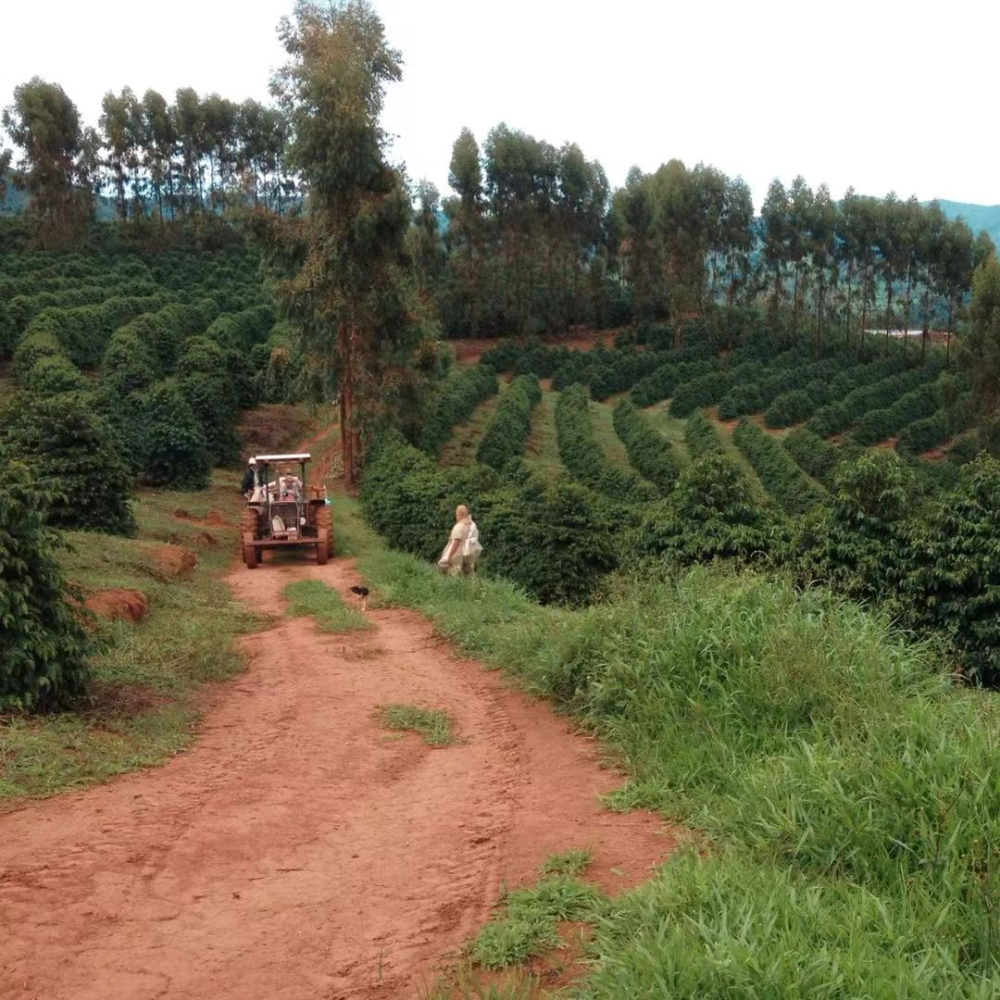
Cerrado is a large Arabica coffee region in Brazil with relatively good quality. The land is flat, the altitude is about 1,000 meters, and it is the most mechanized planting area in Brazil. Red Bourbon is mainly grown here. Red Bourbon is a pure and ancient Arabica variety, expressed in flavor as a solid body and fine acidity, with aromas like red wine. In terms of processing, the Cerrado region adopts the semi-washed method according to local conditions, greatly reducing the defect rate and improving the overall coffee quality.
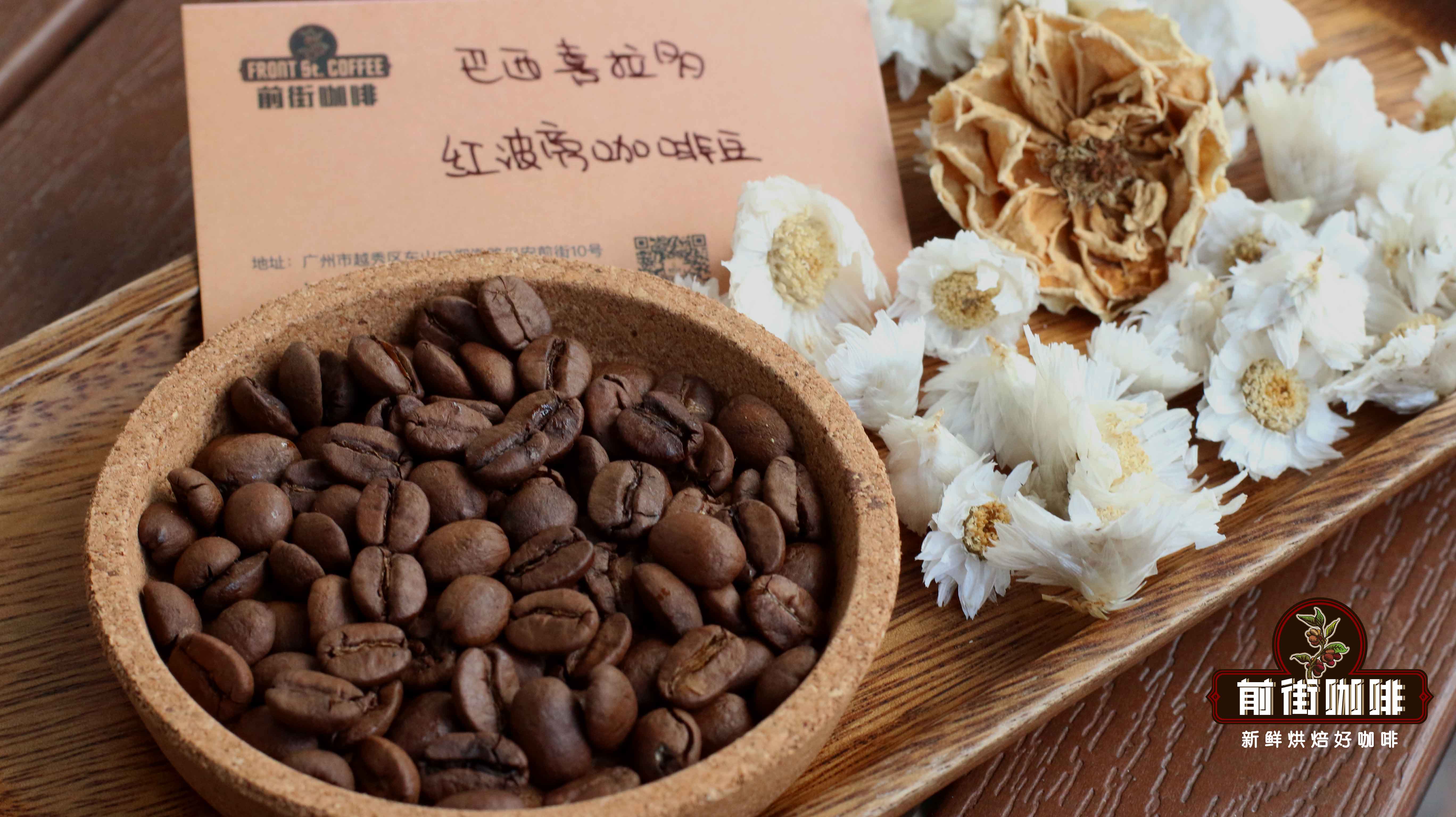
Therefore, in Front Street Brazil Cerrado Coffee Beans, we can taste a very clean mouthfeel, with prominent chocolate and peanut flavors, and a caramel-like aroma in the aftertaste. Besides drinking it on its own, Front Street also uses it in espresso bean blends. For example, Front Street Classic Espresso Coffee Beans include Cerrado. The latte made with it is rich, fragrant, and well balanced. Everyone can place orders on Front Street's Tmall flagship store.
Front Street's other Brazilian coffee bean comes from the famous COE award-winning estate — Queen Estate. Queen Estate is located in the Mogiana region, which is dominated by small and medium-sized individual estates and focuses on producing high-quality flavorful coffee. Queen Estate is known for Yellow Bourbon, which accounts for 30% of its annual output. Yellow Bourbon is a variant of Red Bourbon, named because the fruit turns yellow when ripe, and has better fruit acidity and aroma than Red Bourbon.
For this Front Street Brazil Yellow Bourbon Coffee Bean, Queen Estate uses refined natural processing. Unlike natural processing in Brazil's large regions, it follows the standards of major specialty estates and is extremely strict about the drying degree and management process of the coffee beans. When drinking this Front Street Brazil Queen Estate coffee, you can feel high sweetness like sucrose, as well as a balanced flavor of dark chocolate and nuts.
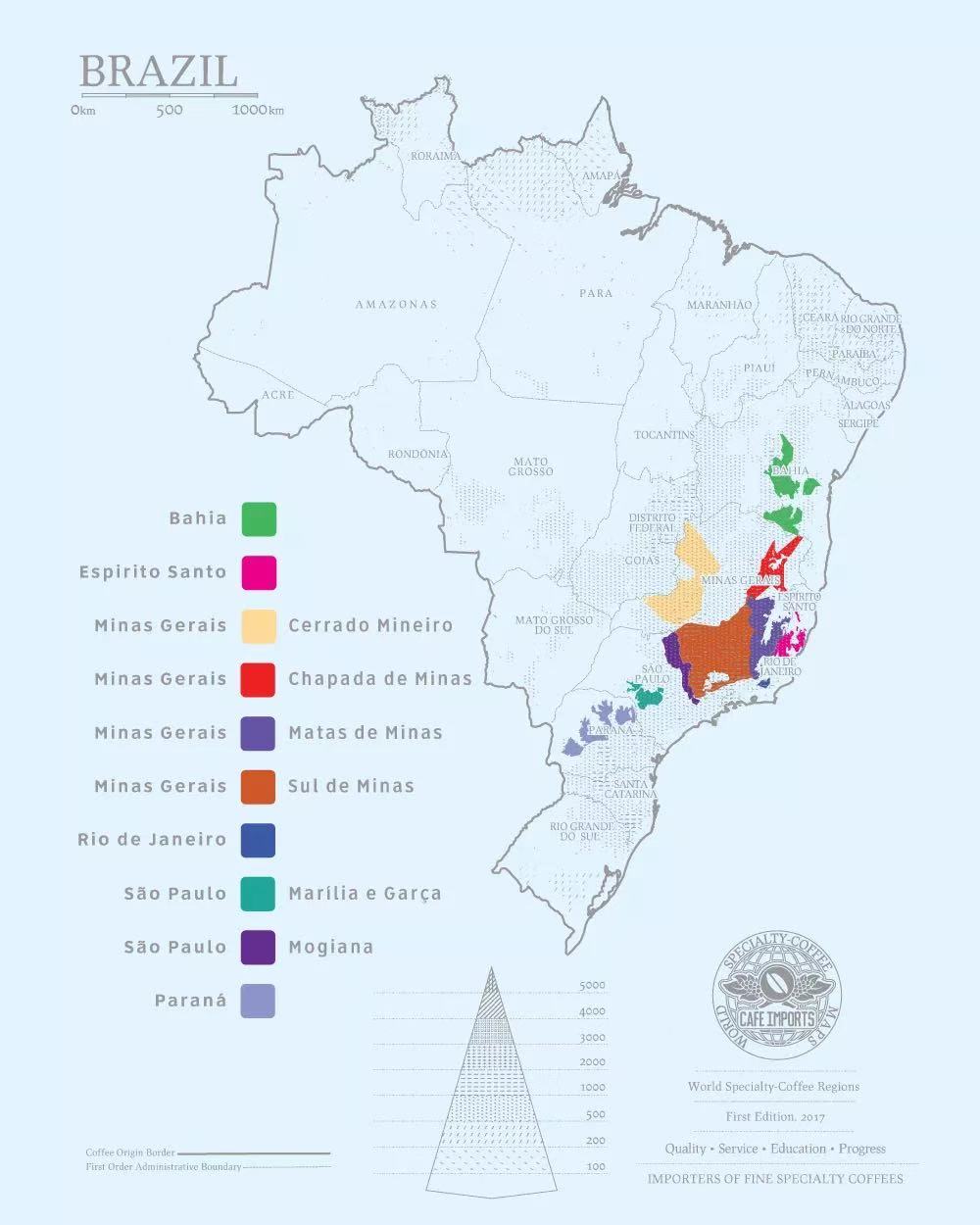
Brazilian Coffee Bean Grades Among the many coffee-growing countries in Central and South America, Brazil has a relatively low altitude, so it does not emphasize high-altitude hard beans like Colombia and other countries. Instead, it grades by four items: bean size, defect rate, cupping score, and flavor. Flavor grade classification: From high to low: Strictly Soft, Soft, Softish, Hardish, Rioy. Defect rate classification: According to the number of defective beans, 6 defective beans in every 300 g of green beans is NY.2. Only beans with no defects at all can become NY.1, but completely defect-free beans are rare and cannot maintain a stable supply, so the best Brazilian green beans are NY.2.
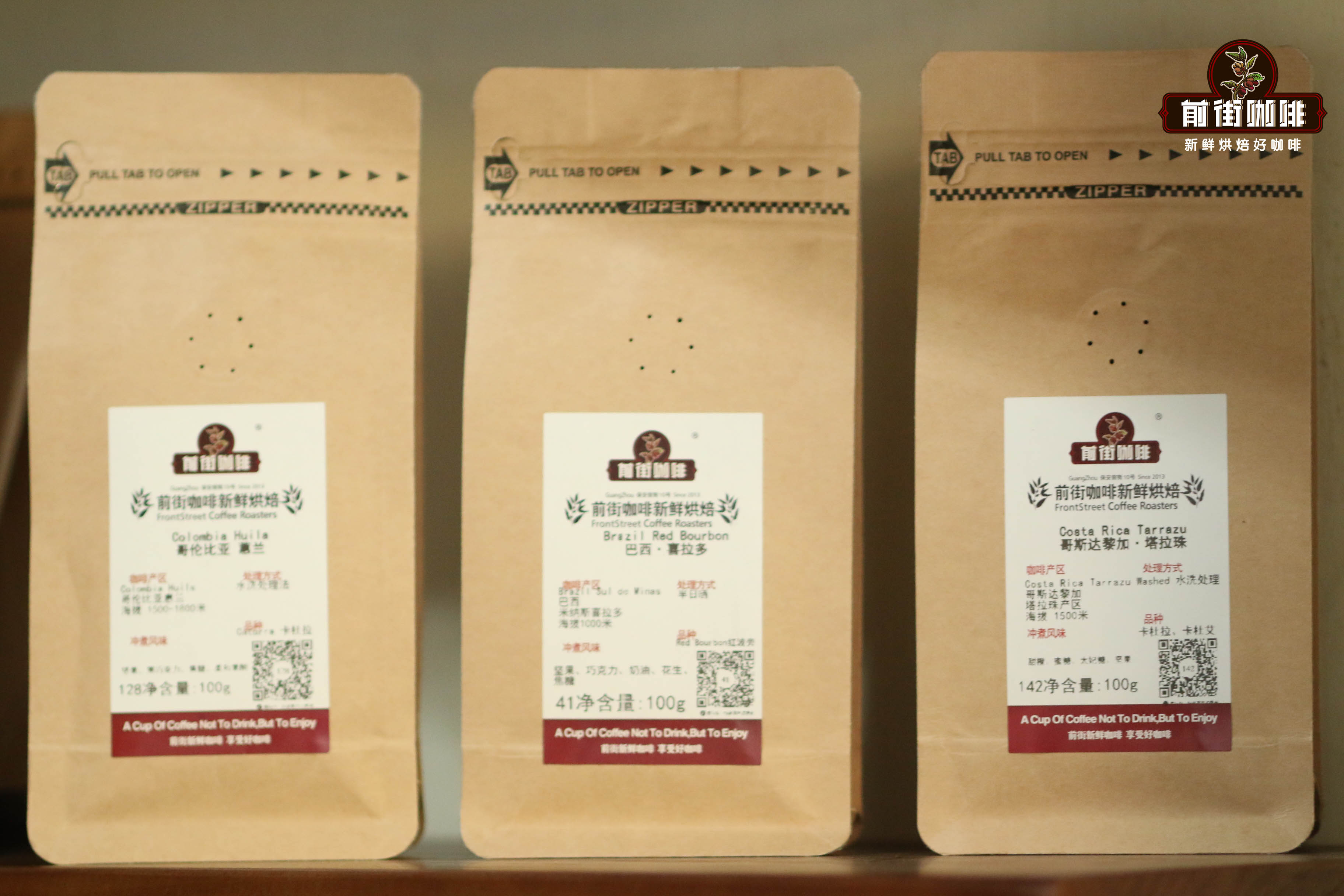
Cupping quality classification: From high to low: Fine Cup, Fine, Good Cup, Fair Cup, Poor Cup, Bad Cup. FC (Fine Cup) and GC (Good Cup) are more common. Bean size classification: The largest screen size for Brazilian coffee beans is 19 mesh, but the output is not large, so 17 mesh and 18 mesh are the highest grades.
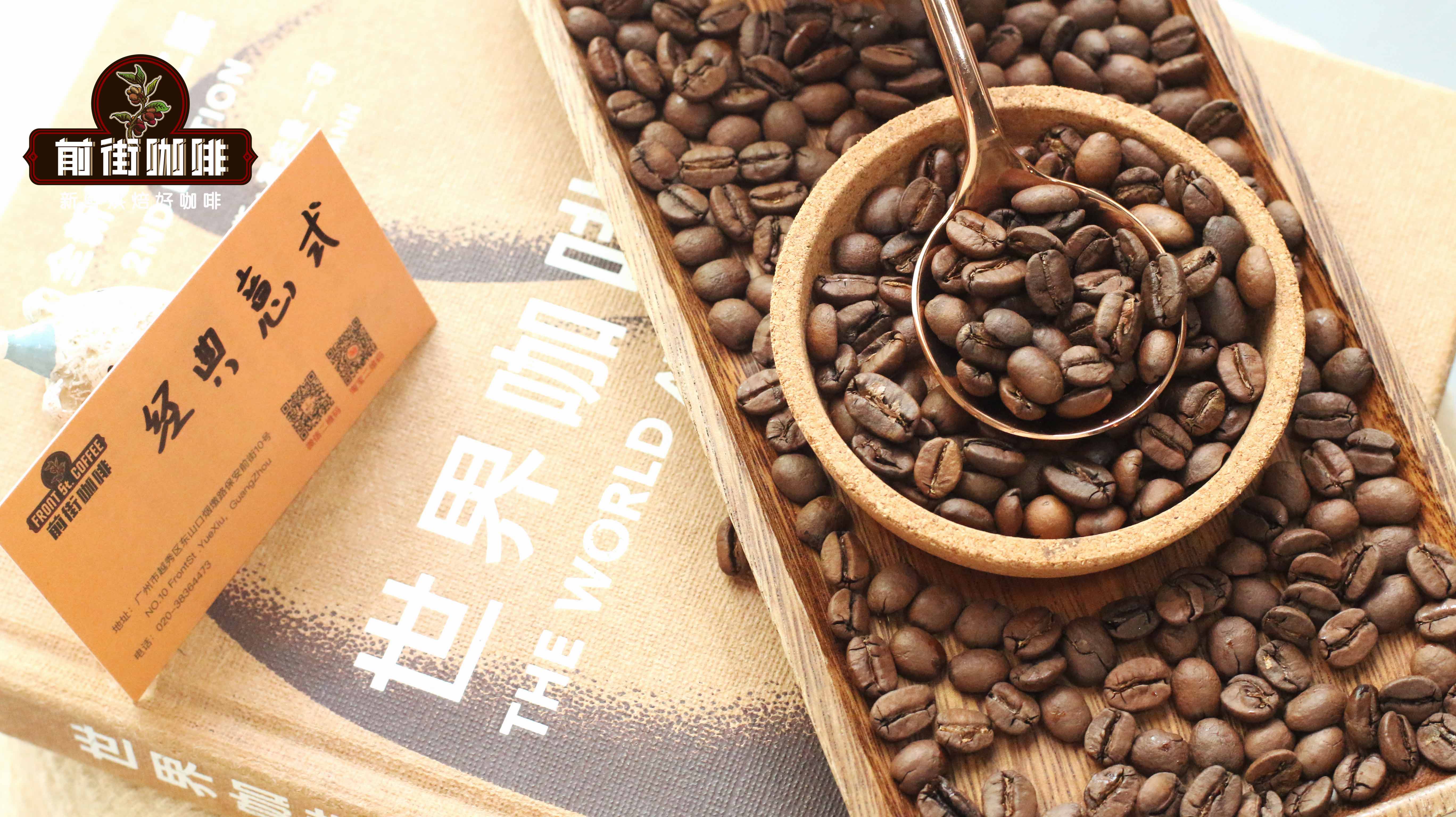
Front Street Coffee (FrontStreet Coffee) Roasting Suggestions Front Street believes that Brazilian coffee beans are highly characterized by the balanced mouthfeel of South American origins, so it uses medium roasting for Brazilian coffee beans, appropriately extending the caramelization reaction in the middle stage to maximize the conversion of acidic substances into sweetness, and adjusting the heat in small increments during roasting, raising the temperature slowly, so that the bean surface and bean core color values are similar, ensuring balance.
Front Street Coffee (FrontStreet Coffee) Brewing Suggestions Brewing parameters: use a Kono dripper, 88°C water temperature, 15 g coffee dose, 1:15 coffee-to-water ratio, medium-fine grind (80% passing a Chinese standard No. 20 sieve) For darker-roasted Brazilian coffee beans, in order to highlight the coffee's rich body, Front Street Coffee (FrontStreet Coffee) chooses the Kono dripper for brewing. The characteristic of the Kono dripper is that it has an immersion function, which can be used to extract more coffee substances and enhance the rich mouthfeel. Because its ribs are few and located at the lower end, it can make the filter paper fit tightly against the dripper to limit airflow, thereby slowing the flow rate and increasing the contact time between water and coffee grounds. By the way, the Kono dripper is not only suitable for brewing darker-roasted Front Street Brazil Queen Estate, but also suitable for brewing medium-dark roasted coffee beans such as Front Street Jamaica Blue Mountain No. 1 and Front Street PWN Golden Mandheling. A water temperature of 88°C is chosen, which is a relatively low brewing temperature and can avoid extracting too many off-flavors from the coffee beans during brewing, because the darker the coffee beans are roasted, the more off-flavors increase.
Front Street Coffee (FrontStreet Coffee) Brewing Method Using staged extraction, bloom with 30 g of water for 30 seconds, pour in a small stream in circles until 125 g and then pause, and when the water level is about to expose the coffee bed, continue pouring until 225 g and stop, (timing starts at the beginning of the bloom) with an extraction time of 2 minutes. Try to keep the brewing method consistent for both beans.
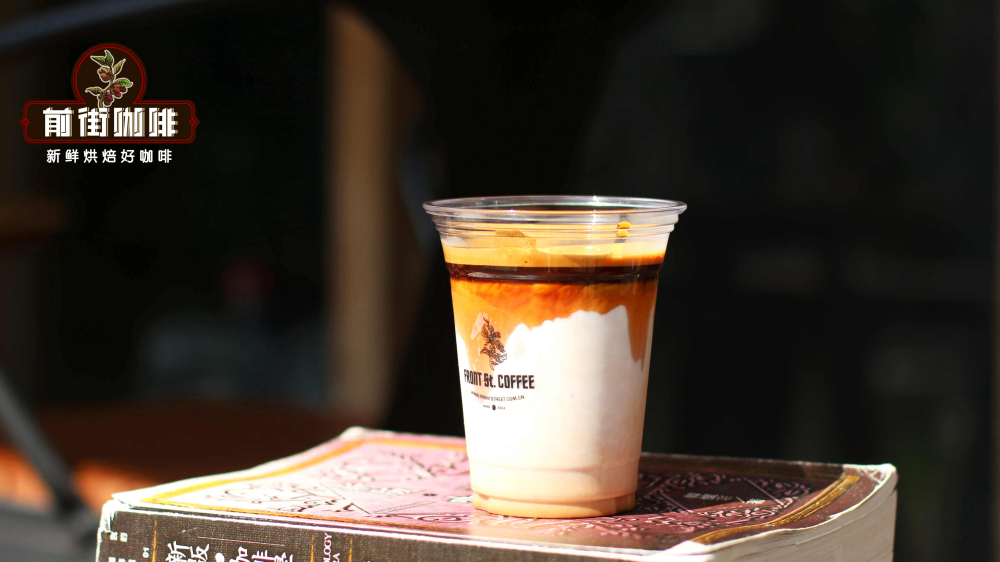
Description of Brazilian Coffee Bean Characteristics
Front Street Brazil Queen Estate Coffee Beans: Prominent chocolate and nuts, accompanied by floral and spice aromas, caramel sweetness, Pu'er tea aftertaste, with an overall mouthfeel that is relatively rich and smooth, and a balanced flavor.
Front Street Brazil Cerrado Coffee Beans: There is an obvious sweetness on the palate, accompanied by a faint lemon aroma, containing a rich nutty flavor, with a distinct dark chocolate note in the finish, and an overall feel that is relatively round.
The above content is compiled by CoffeeHunters, a coffee news website.


