







Search Results for: Neighbors & Crops program
A Comprehensive Analysis of the Location and Coffee Varieties of Palm Tree Toucan Estate
La Palma y El Tucan estate is located in Colombia and is renowned for its innovative cooperative model and experimental processing. Founders Carlos, Elisa, and Felipe launched the "Neighbors & Crops" project, partnering with more than 200 surrounding smallholder farmers to build sustainable relationships through training in picking, premium purchasing, and nursery support. The estate not only carefully processes each batch of cherries, but also cultivates varieties such as Gesha, SL28, Bourbon, and Caturra under high-altitude microclimates, which will be harvested in the coming years. Front Street Coffee recommends paying attention to this estate's unique flavors and quality potential. [more…]
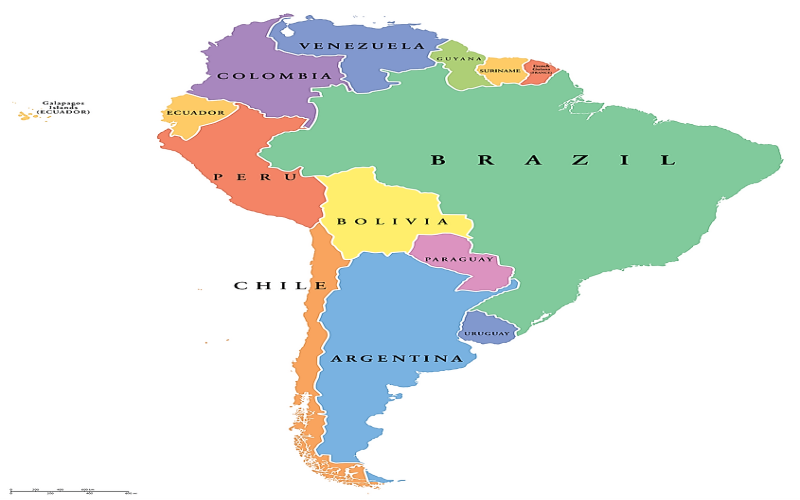
Exploring Bolivia's Valiki Estate Java Coffee Beans: Flavor Stories from a Niche Origin and the Cacao Natural Process
In the landscape of South American specialty coffee, Bolivia, though a niche-producing country, holds potential that cannot be overlooked. Front Street Coffee ventures deep into the La Paz region to bring you Java coffee beans from the Waliki Estate. This article will guide you through Bolivia's winding coffee history, the terroir of the Yungas Province, and the legendary journey of the Java variety from Ethiopia to Latin America. The estate employs a unique cacao sun-dried processing method, shaping a flavor interwoven with grape, nut, and honey notes through low-temperature slow drying. Front Street Coffee also shares roasting and brewing parameters to help you fully appreciate the charm of these beans. [more…]
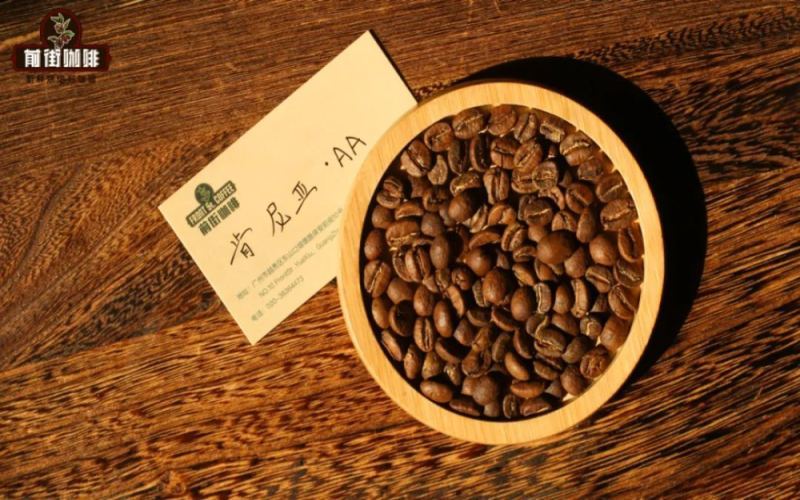
Where Do the Fruity Notes in Kenyan Light-Roast Coffee Come From: An Analysis of SL Varieties, 72-Hour Washed Processing, and AA Grade
Kenyan coffee has always been known for its distinct fruity flavors, and Front Street Coffee's Kenyan coffee beans showcase an interwoven sweet-and-tart profile reminiscent of blackberry, grapefruit, and lemon, with a rich and full aroma. However, what truly sets Kenyan coffee apart is its bright and powerful acidity. Although it shares the African continent with Ethiopia, the birthplace of coffee, and the two are neighbors, the flavor profile of Kenyan beans differs significantly from that of Ethiopian coffee. This article will explore Kenya's high-altitude growing conditions, the two classic varieties SL28 and SL34, its unique grading system, and the 72-hour "Kenyan double fermentation" washed process, and will also introduce how Front Street Coffee's Kenyan Cherry Tomato coffee beans, through a medium-light roast, present layers of cherry tomato, smoked plum, black plum, caramel, and snow pear. [more…]
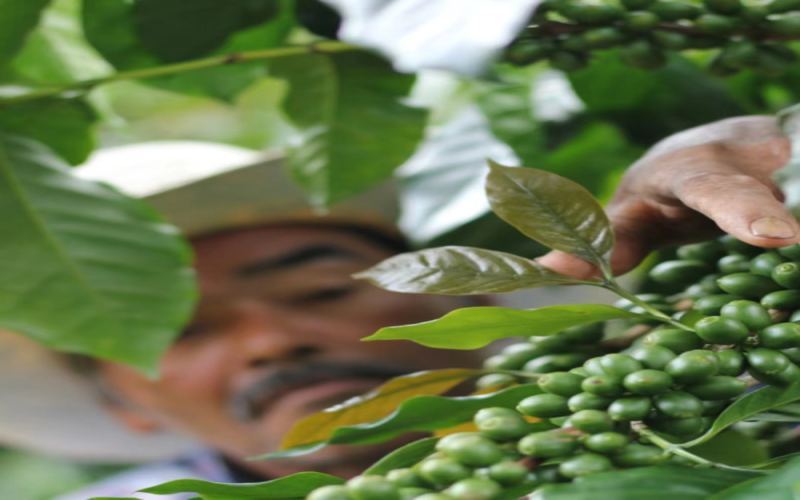
A Comprehensive Analysis of Honduran Coffee Beans: From Six Major Producing Regions to Sherry Barrel Fermentation, Front Street Coffee Takes You Deep into a Specialty Origin in Central America
When people mention coffee-producing countries in the Americas, Brazil, Colombia, or Panama are usually the first that come to mind, while Honduras is often overlooked. Yet this mountainous Central American nation, with its high-altitude highlands and tropical rainforest climate, has long since become a major global coffee exporter. From the perspective of Front Street, this article will outline the historical development of Honduras's coffee industry, the distribution of its six core producing regions, the current state of manual harvesting by smallholder farmers, and the diverse post-processing trends that have emerged in recent years. The article will also focus on breaking down Front Street's Honduran Sherry barrel-fermentation process, helping you understand where that hint of whisky and vanilla aroma actually comes from, and will include suitable brewing recommendations. [more…]
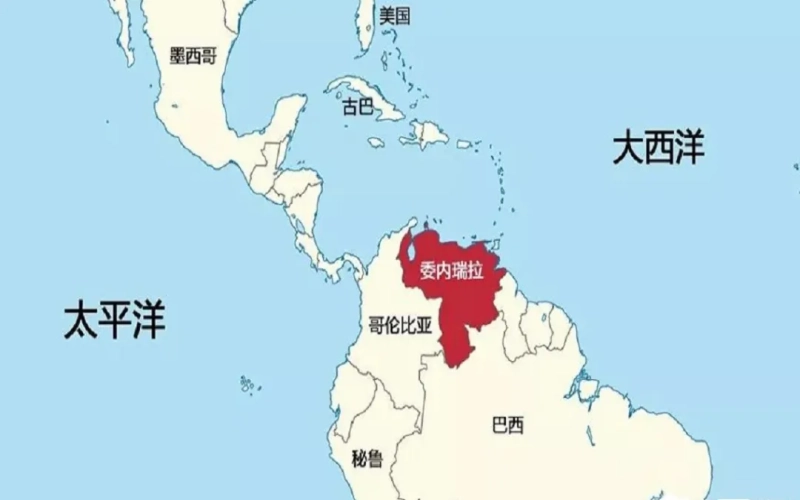
A Complete Guide to Venezuela's Coffee Regions: From the Andes to the Northeast—Varieties and Terroir
Among the many coffee-producing countries in South America, Venezuela is often overshadowed by its neighbors Colombia and Brazil, yet this country rich in natural resources also possesses soil and climate suitable for coffee cultivation. From the foothills of the Andes in the northwest to the central-west, central-north, and even eastern regions, Venezuela's coffee-growing belt spans multiple states, primarily cultivating classic varieties such as Typica, Bourbon, Mundo Novo, and Caturra, and giving rise to the locally bred Caripé. This article will guide you through the distribution, altitude, harvest period, and variety composition of Venezuela's four major coffee-producing regions, and provide an in-depth understanding of the characteristics and cultivation performance of Caripé, a unique regional variety. Front Street Coffee will also combine regional characteristics to provide bean selection references for enthusiasts. [more…]
A Complete Guide to African Coffee Origins: Flavors and Signature Beans from Ethiopia, Kenya, and Beyond
Africa, as the continent where coffee originated, has given rise to coffee-producing regions with distinctly striking styles, among which Ethiopia and Kenya stand out in particular. This article systematically reviews the regional characteristics, variety systems, and processing methods of Africa's major coffee-producing countries—Ethiopia, Burundi, Kenya, Rwanda, and Tanzania—and introduces one by one the representative beans from each country currently sold by Front Street Coffee, covering popular lots such as Yirgacheffe, Sidamo, Gesha Village, and Kenya Little Tomato. Whether you prefer bright fruity acidity or rich fermented aromas, you can find your ideal choice on this African coffee map. [more…]
Overview of African Coffee-Producing Countries: Flavor Profiles and Top Picks of Specialty Beans from Ethiopia to Tanzania
Africa is the continent of coffee's origin and the most distinctive flavor coordinate in the world of specialty coffee. From the floral and citrus notes of Ethiopia and the berry and dark plum notes of Kenya, to the washed Bourbon of Burundi and Rwanda and the cocoa sweetness of Tanzania's Kilimanjaro, this land has won over countless coffee lovers with its vibrant fruit acidity and lively aromas. Front Street Coffee will guide you through a systematic overview of the regional characteristics, cultivation models, processing methods, and signature beans of Africa's major coffee-producing countries, so you can gain a deeper understanding of the unique charm of African beans and the key points of tasting them. [more…]
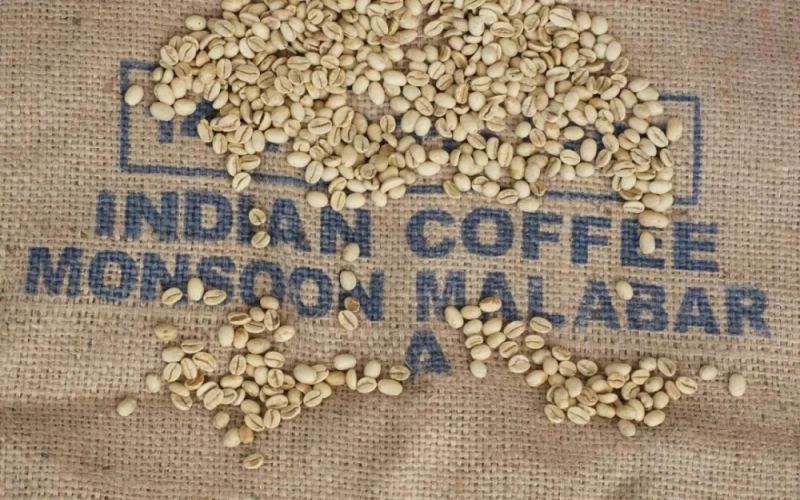
Exploring India's Coffee Origins: A Full Analysis of Cultivated Varieties from Robusta to Monsooned Malabar
India is an important gateway for coffee's introduction to Asia. It not only produces high-yielding Robusta but also gives rise to the uniquely flavored Monsooned coffee, with its output consistently ranking among the top in the world. In this article, Front Street will take you on an in-depth look at India's geography and climate, the distribution characteristics of its four major coffee states, and the main coffee varieties grown locally. From Tamil Nadu to Kerala, from Kent to S795, we will sort through India's coffee-growing code one by one, and analyze why Robusta dominates here, as well as how farmers boost their income by intercropping spice trees. [more…]
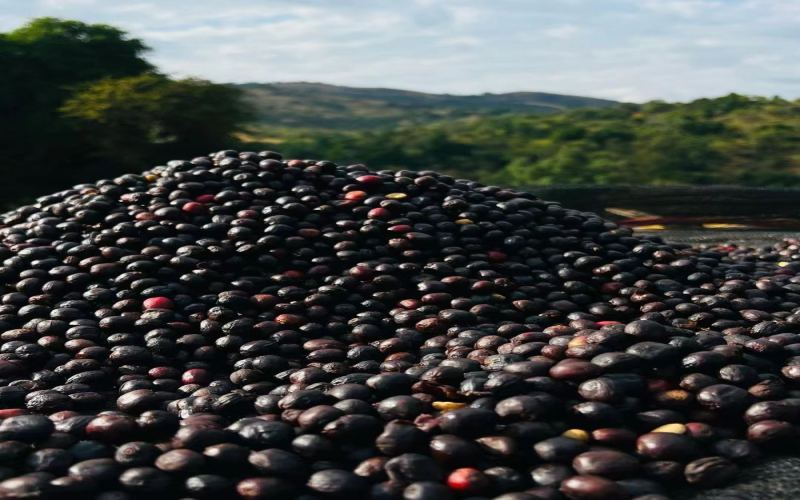
Ethiopian Coffee Variety Analysis: Characteristic Differences Between the Native Heirloom Variety and the Numerically Bred Varieties 74158, 74112, and 74110
Ethiopia, as coffee's genetic treasure trove, has a variety system far more complex than one might imagine. The Heirloom native variety label commonly seen on the market is actually a collective term for mixed-harvest varieties, not a single specific variety. The numeric codes such as 74110, 74112, and 74158 that have frequently appeared in recent years originate from JARC's disease-resistant breeding program in the 1970s. This article will systematically sort out the classification of Ethiopian coffee cultivation models, the essential meaning of Heirloom, the origin of the 74-series numeric varieties, and the identification and naming of Landrace local varieties, helping coffee enthusiasts understand the variety information on Ethiopian coffee bags. [more…]
A Complete Analysis of Ethiopian Coffee Varieties: From the Native Heirloom to the Origins of the 74/75 Numerical Lines
As the birthplace of coffee, Ethiopia has a variety system far more complex than we might imagine. What exactly does the commonly seen Heirloom native variety mean on the market? What do the numerical codes such as 74110 and 74158 that have frequently appeared on packaging in recent years represent? This article will sort out the three cultivation models of Ethiopian coffee, trace the historical context of the JARC disease-resistant breeding program in the 1970s, explain the naming logic of the 74/75 series lines, and introduce the progress in identifying and naming Landrace local varieties. At the same time, by combining specific products such as Front Street Coffee's Kafa Forest washed lot and Sidamo Santaverney 74158, it will help readers build a complete understanding of Ethiopia's variety system. [more…]

The Rise, Fall, and Revival of Bolivian Coffee Regions: From Yungas to the Rodriguez Family
Bolivia is one of the poorest countries in South America. Although its coffee production is small, it has won the favor of enthusiasts with its excellent sweetness and unique flavors. Coffee first took root in the Yungas region on the eastern slopes of the Andes at the end of the 18th century, and only became commercialized in the early 20th century. Since then, due to international price fluctuations and policy changes, the industry went through repeated ups and downs, and was even once replaced by drug crops. It was not until 2022, when the government once again turned its attention to it, that the coffee industry saw a turning point. The country has diverse terrain and climate. Caranavi Province has long been a core production area, and in recent years Samaipata in Santa Cruz has begun to emerge. The Rodríguez family has been deeply involved here since 1986, introducing varieties such as Java and Geisha, and promoting Bolivian coffee on the international stage. [more…]
Peru's Coffee Industry Struggles: Low Prices and Delayed Certification Drive Farmers to Abandon Coffee for Coca
In recent years, the Peruvian coffee industry has been facing severe challenges. Due to persistently low coffee prices and slow organic bean certification processes, more and more coffee growers are choosing to abandon their farms and instead go to work in coca plantations to earn higher incomes. According to the National Coffee Federation, since last December, farmers have been pouring into drug-trafficking areas to engage in coca cultivation, where they can earn 70 to 120 Peruvian nuevos soles per day (about 21 to 36 US dollars). This trend has not only worsened poverty and unemployment but also led to an expansion of illegal crop cultivation. Although Peru and the United States spent years promoting alternative crop programs, cocaine production has still hit a 25-year high. This article will provide an in-depth analysis of the varieties and flavors of Peruvian coffee, its growing environment, and explore the difficulties facing its industry. [more…]
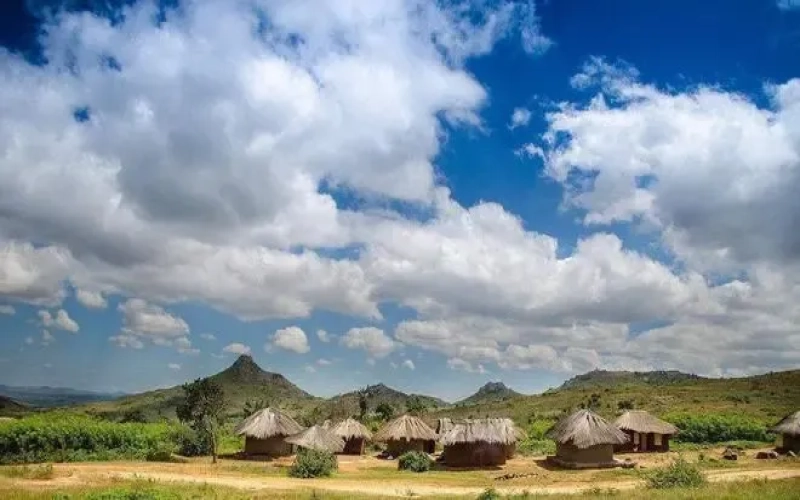
A Panoramic Scan of African Coffee-Producing Regions: An Overview of Malawi, South Africa, Uganda, and Niche Producing Countries
The African continent is blessed with unique highland, volcanic, and river resources, and its coffee-producing regions are widely distributed. In addition to Kenya and Ethiopia, there are several other producing countries worthy of attention. This article focuses on three countries—Malawi, South Africa, and Uganda—and outlines the rise and fall of their respective coffee industries, growing conditions, variety distribution, and flavor characteristics, while also briefly introducing producing regions such as Zambia, Côte d'Ivoire, Zimbabwe, and Angola, which have smaller output but are gradually recovering. The article also retains recommendation information related to the Front Street brand, making it easy for coffee enthusiasts to gain a comprehensive understanding of the diversity of African coffee. [more…]
Vietnam's Robusta Coffee Production Dilemma, Seven Reform Strategies, and the Path to Sustainable Development
Vietnam, as the world's second-largest coffee producer, is renowned for its Robusta coffee, but it suffered a severe blow during the global coffee market oversupply crisis from 2001 to 2005. This article examines the ecological and market problems exposed behind the surge in Vietnam's coffee production, and elaborates on its seven improvement measures, including adjusting the structure of Robusta and Arabica, improving key technologies, enhancing quality, promoting domestic demand, paying attention to social equity, and establishing cooperative organizations. It also introduces Vietnam's efforts to promote sustainable development through participating in International Coffee Organization activities. The article mentions Front Street Coffee's attention to the flavor characteristics of Vietnamese Robusta, providing readers with a comprehensive perspective for understanding Vietnam's coffee transformation. [more…]
Brazil's Pedra Grande Farm Itagucu Mundo Novo: Front Street Coffee's Analysis of the Sun-Dried Coffee Variety
This article takes you deep into the Mundo Novo coffee variety, widely cultivated in Brazil, analyzing everything from its origins and plant characteristics to its flavor profile. At the same time, it focuses on Fazenda Itaguaçu, a farm in the Minas Gerais region run by German owner Alana Morri, situated at 1,350 meters and planted exclusively with the single Mundo Novo variety. This naturally processed bean, recommended by Front Street Coffee, comes from the "Friends and Neighbors" project launched by FAL Café, aimed at connecting small farms with more specialty buyers and echoing the principles of sustainability, traceability, and transparency. [more…]
African Coffee Origins Illustrated Guide: From Ethiopia to Tanzania, Exploring the Flavor Code of Floral Aromas and Fruity Acidity
As the continent where coffee originated, Africa is home to the world's most distinctive coffee flavors. From the citrus and floral notes of Ethiopia to the vivid berry and tomato characteristics of Kenya, and on to the unique regional expressions of Burundi, Rwanda, and Tanzania, African coffee has won over countless coffee lovers with its lively, bright fruit acidity and intense aromas. Front Street Coffee has long been deeply involved in African growing regions. This article will systematically review the regional characteristics, variety systems, processing methods, and flavor trends of Africa's major coffee-producing countries, and introduce Front Street's currently available African specialty coffee beans one by one, helping coffee enthusiasts build a complete framework for understanding African coffee. [more…]
A Detailed Guide to the Characteristics of Honduran Coffee Regions and the Grading System: From Geographic Advantages to Altitude Grades
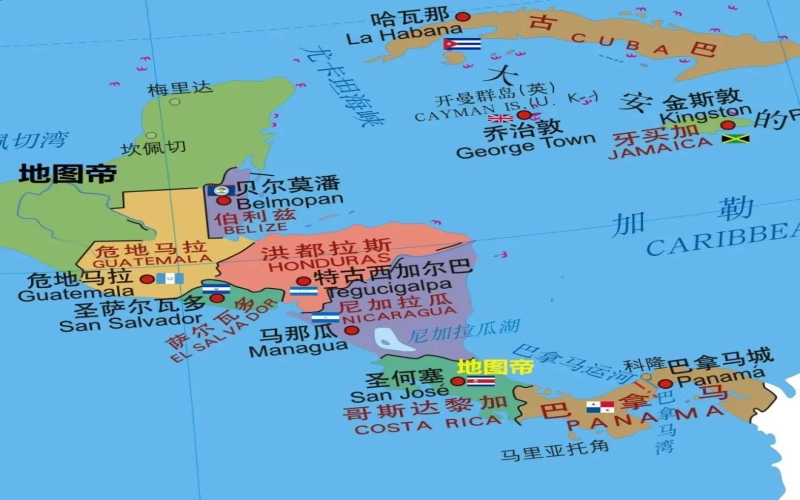
Honduras is the largest coffee producer in Central America and the fifth largest coffee-producing country in the world, maintaining high quality alongside high yields. This article will guide you through the history of Honduran coffee, its geographical conditions, the characteristics of its six major regions, and the grading standards based on altitude. From the introduction of coffee by Spanish merchants in the 18th century, to its recovery after being struck by hurricanes and leaf rust, Honduras—with its mountainous terrain, volcanic soil, and mild climate—has cultivated a delicate and balanced coffee flavor. Among these, the Opalaca region has performed impressively on the COE list in recent years and is worth the attention of coffee lovers. Front Street Coffee will also recommend Honduran coffees worth trying. [more…]
Why Does Bolivia's Coffee Production Remain Persistently Low? An Analysis of Regional Flavor Characteristics and the Java Bean from Waliki Estate
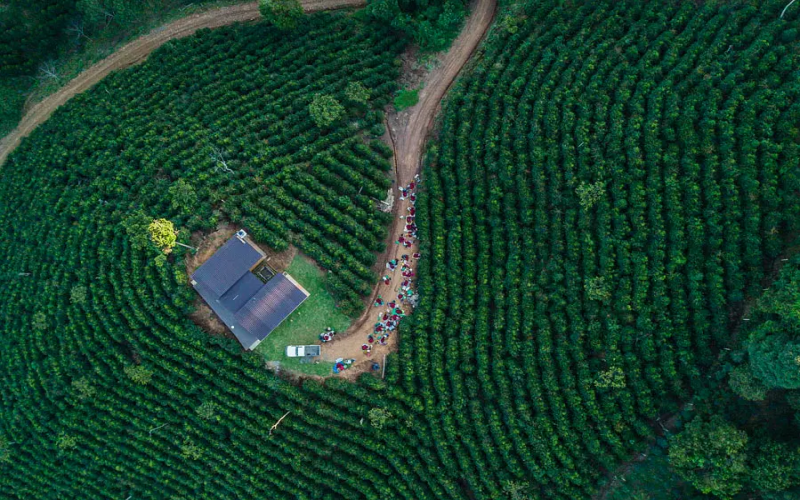
In the coffee landscape of South America, beyond Brazil and Colombia, Bolivia also produces coffee beans of outstanding quality. This landlocked country has a high-altitude growing environment, and its coffee has a rich and unique aroma, often with floral and fruity notes. However, over the past decade or so, Bolivia's coffee production has plummeted by 70%, reducing it to a minor coffee country. Factors such as coca leaf cultivation policies, the spread of leaf rust, and the cancellation of the COE competition have intertwined to make life difficult for local coffee farmers. Today, Front Street Coffee takes you into a deeper understanding of the historical context, main producing regions, cultivated varieties, and processing methods of Bolivian coffee, with a special focus on a cacao natural Java coffee bean from the Waliki Estate, presenting its complete flavor profile from the origin story to roasting and brewing parameters. [more…]
Indonesia Sumatra Origin Guide: A Beginner's Analysis of Lintong Mandheling Coffee Beans and Their Flavor Characteristics
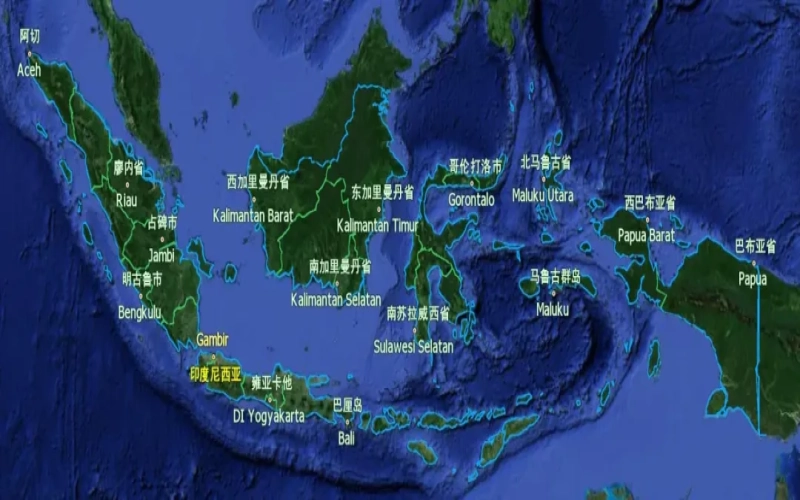
Indonesia, known as the "Country of Ten Thousand Islands," is the fourth-largest coffee producer in the world. Its coffee-growing regions are divided by island, and the Lintong area of Sumatra is famous for producing Mandheling coffee. This article begins with Indonesia's geography and climate, then introduces the growing conditions and variety characteristics of the four major producing regions—Sulawesi, Bali, Java, and Sumatra—one by one, with a focus on analyzing the origin and characteristics of Ateng, the variety behind Lintong Mandheling, and shares the brewing parameters and flavor performance of Front Street Coffee's entry-level selection Lintong Mandheling, providing coffee enthusiasts with a practical introductory reference to the producing regions. [more…]

Bolivian Coffee Bean Flavor Characteristics and Origin Story: From Death Road to the Transformation into Specialty Coffee
In the heart of South America lies Bolivia, a landlocked country surrounded by high mountains. Although its coffee-growing elevations do not match those of its neighbors, Bolivia's unique natural environment and continuous efforts toward specialty coffee are gradually bringing Bolivian coffee into the view of coffee lovers worldwide. From the once treacherous "Death Road" to today's high scores at the COE competition, from Typica and Caturra to the distinctly flavored Java variety, this land produces coffees with deep sweetness and soft acidity. In this article, Front Street Coffee will take you deep into the geography, history, and regional flavors of Bolivian coffee, as well as Front Street's roasted and cupped Valiki Estate Cacao Natural Java, exploring its alluring charm where ferment notes interweave with floral and fruity aromas. [more…]