







How has Bolivian coffee production changed over the centuries?
Bolivia's coffee production began in the Yungas region on the eastern slopes of the Andes in the late 18th century and only became a commercial industry in the early 20th century. Price collapses pushed many growers out, and the crop was even replaced by drug crops before the government renewed its focus on coffee in 2022.
The country's terrain and climate suit coffee cultivation across several zones. Caranavi Province was long the core area, while Samaipata in Santa Cruz has emerged more recently. The Rodriguez family has worked in Bolivian coffee since 1986, introducing Java and Geisha and promoting the country abroad.
Bolivia is one of the poorest countries in South America. Although its coffee production is small, it has won the favor of enthusiasts with excellent sweetness and unique flavors. Coffee first took root in the Yungas region on the eastern slopes of the Andes at the end of the 18th century, and only began to move toward commercialization in the early 20th century. After that, due to international price fluctuations and policy changes, the industry went through repeated ups and downs, and was even once replaced by drug crops. It was not until 2022, when the government once again placed importance on it, that the coffee industry saw a turning point. The country has diverse terrain and climate. Caranavi Province was long the core production area, and in recent years Samaipata in Santa Cruz has emerged. The Rodriguez family has been deeply engaged here since 1986, introducing varieties such as Java and Geisha, and promoting Bolivian coffee on the international stage.
South America is richly endowed with natural resources. The Andes run almost across the western part of the continent, and it is also one of the continents with frequent volcanic activity in the world. The climate here is mainly tropical, warm and humid, with abundant rainfall. High mountains and volcanic landforms interweave, providing ideal growing conditions for crops such as coffee. Several coffee-producing countries are distributed across this land, and Bolivia is one of them. Although the country is one of the most economically struggling countries in South America and its coffee production is quite limited, the quality of the coffee it produces is remarkable.
According to historical records, coffee was introduced to Bolivia at the end of the 18th century and was initially planted in the Yungas area on the eastern side of the Andes. However, the country's coffee production remained low for a long time, and it was not until the early 20th century that truly commercial large-scale cultivation began. In 1953, Bolivia implemented an agricultural reform law that allowed indigenous people to obtain land ownership, and coffee cultivation gradually expanded as a result.
However, by 1999, international coffee prices continued to decline, dealing a heavy blow to Bolivia's coffee industry, whose production was already limited. A large number of farmers gave up coffee and switched to more profitable drug crops. After that, the United States Agency for International Development and the United Nations jointly launched an agricultural promotion program, injecting funds to help Bolivia hold the Cup of Excellence (COE) competition.
But Bolivia's COE event was held only until 2009 before being interrupted due to a shift in agricultural policy. Farmers found it difficult to obtain sufficient training and support, and the coffee industry once again fell to a low point. Subsequently, coffee prices rebounded, and with economic assistance from the U.S. anti-drug program, many farmers returned to growing coffee and also built several coffee processing plants. Unfortunately, the good times did not last long. Coffee prices fell again, and farmers turned back to drug crops, until 2022 when the government once again included the coffee industry in its development priorities.
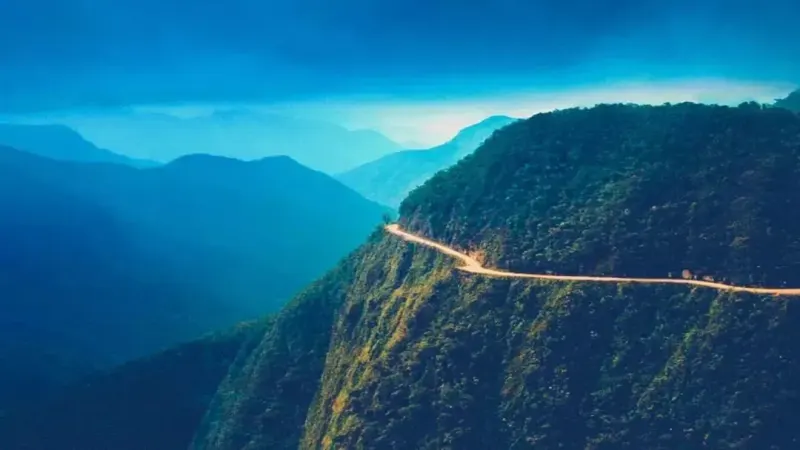
Although Bolivia's coffee production is not high and the industry has developed slowly, its coffee is sought after by many enthusiasts for its praiseworthy sweetness, which is due to the country's unique terrain and climate. Bolivia is located in central South America and is a landlocked country. The east and northeast are mostly alluvial plains of the Amazon River, the central region is the valley area on the eastern slopes of the Andes, where agriculture is relatively developed, and the west is the Bolivian Plateau. The country's average altitude exceeds 3,000 meters, making it the country with the highest average altitude in the world.
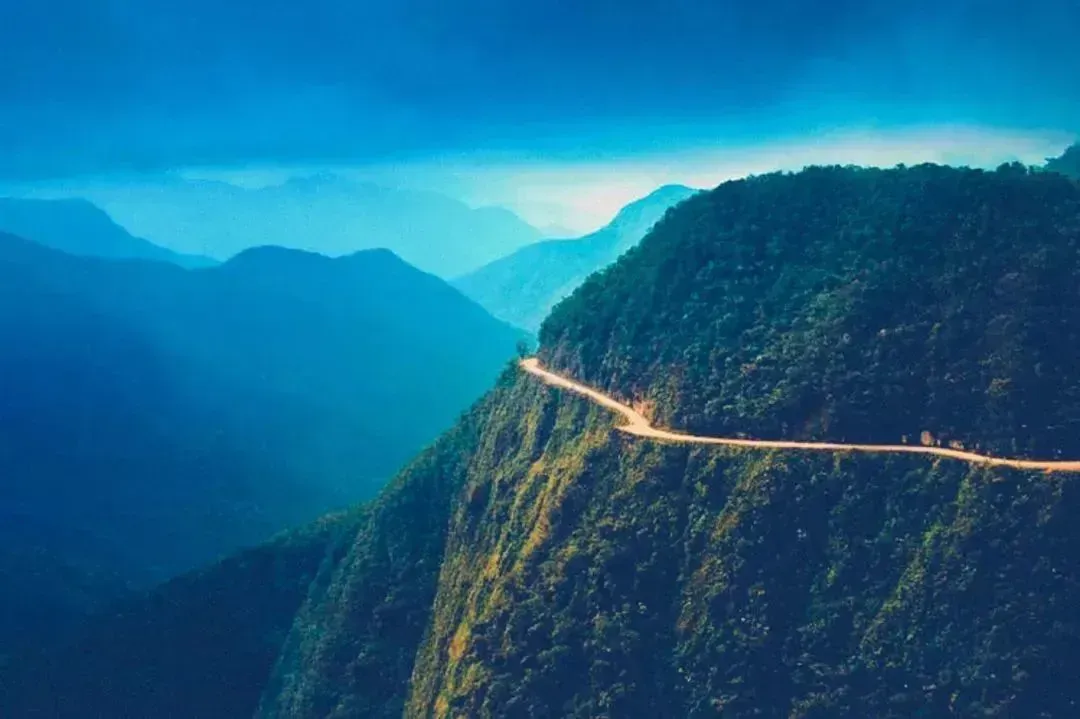
Bolivia has a rich variety of climate types and can be divided into three climate zones: the tropical plains region (average temperature about 25°C), the valley region (average temperature about 18°C), and the plateau region (average temperature about 10°C). High altitude and diverse climates together create an environment very suitable for coffee cultivation.
When coffee first entered Bolivia, it took root in the Yungas region, especially Caranavi Province. The climate there is relatively warm and the soil is fertile, suitable for coffee growth. Caranavi thus became Bolivia's largest coffee-producing region and remains so today. Many COE-winning coffees in the past came from here.
However, the country is currently also trying to open up new growing areas. Samaipata in the Santa Cruz region in the east has become one of Bolivia's newest coffee-producing areas and is gradually replacing Caranavi, with more and more high-quality coffee beans being produced there.
At present, Bolivia's most well-known coffee producer is the Rodriguez family (Los Rodriguez). The family has been growing coffee in Bolivia since 1986 and is committed to promoting the country's coffee, so it acquires land, establishes estates, and focuses on growing high-quality coffee.
At the same time, the family also provides vocational training and knowledge and skills to coffee farmers, offering technical support in cultivation, harvesting, and other stages, and has built large processing plants to help small farmers complete coffee processing and export. In addition, they have introduced varieties such as Java, Geisha, Pacamara, and SL28, continuously enhancing the international influence of Bolivian coffee.
The above content is compiled by CoffeeHunters, a coffee news website.


