







Where do the fruity notes in Kenya coffee come from?
Kenya coffee gets its vivid fruit from altitude, variety and processing. Highlands between 1,200 and 2,000 meters slow cherry ripening, so aromatic compounds build up, acidity sharpens and beans grow harder. The SL28 and SL34 varieties, developed by Scott Laboratories in the 1930s, carry the smoked plum and citrus character that defines the cup.
The 72-hour Kenyan double fermentation washed process, plus the AA grade, reinforces that bright acidity. Kenyan beans differ clearly from neighboring Ethiopian coffee even though both come from the same continent. Kenya is one of the main coffee bean producing countries, and its medium-light roasts show layers of cherry tomato, smoked plum, black plum, caramel and snow pear.
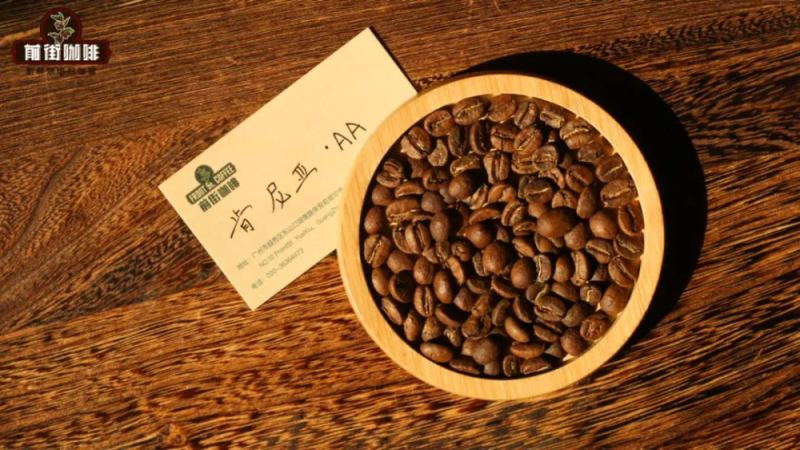
Kenyan coffee has always been known for its vivid fruity flavors, and Front Street Kenya coffee beans display an interwoven sweet-and-sour blend of blackberry, grapefruit, and lemon, with a rich and full aroma. However, what truly makes Kenyan coffee unique is its bright and powerful acidity. Although it shares the African continent with Ethiopia, the birthplace of coffee, and the two are neighbors, the flavor profile of Kenyan beans differs markedly from that of Ethiopian coffee. This article will explore Kenya's high-altitude growing conditions, the two classic varieties SL28 and SL34, its unique grading system, and the 72-hour "Kenyan double fermentation" washed process, and will also introduce how Front Street Kenya Cherry Tomato coffee beans present layers of cherry tomato, smoked plum, black plum, caramel, and snow pear through a medium-light roast.
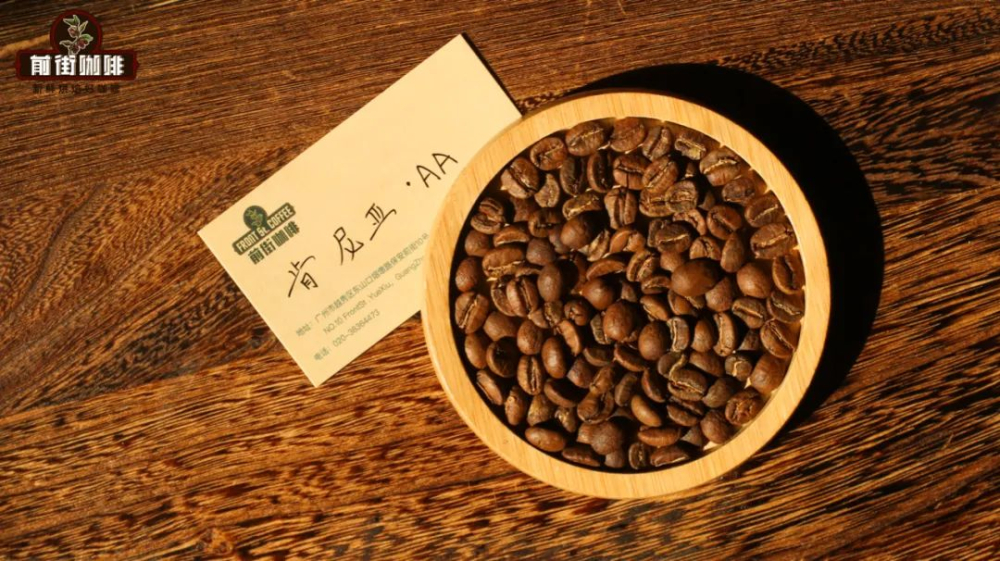
Front Street Kenya coffee beans give off a distinctive fruity aroma, and on the palate you can sense blackberry and grapefruit notes, or perhaps a lemon-like sweet-and-sour quality, with a rich, full-bodied aroma and a very prominent fruity expression. Yet beyond the fruity character, the true soul of Kenyan coffee lies in its acidity. When people mention Kenya, although it borders Ethiopia, a major coffee-producing country known as the leader in the coffee world, and both are part of the African continent, the flavors presented by Kenyan coffee beans are quite clearly distinct from those of Ethiopian coffee.
Kenya's highlands generally range from 1,200 to 2,000 meters above sea level. Anyone familiar with coffee knows that this altitude is extremely ideal for coffee trees. In addition, the lower temperatures in the mountainous areas cause the coffee cherries to grow slowly, allowing aromatic substances to accumulate fully, making the fruity acidity more pronounced and the beans harder.
Kenya's most representative coffee varieties are SL28 and SL34. SL is the abbreviation for Scott Laboratories, which is also the name of the Kenya coffee research center; the institution first developed the SL series varieties in the 1930s. Among the 40 experimental varieties produced by that research program, SL28 and SL34 are exactly two of them, and they are now the most famous and most favored varieties in the specialty coffee world.
SL28 carries pronounced smoked plum and citrus flavors, with a rich and deep stone-fruit-like acidity, combining a wine-like fullness with sweetness; SL34 mainly shows soft fruity acidity, accompanied by nutty and spicy aromas. These distinctive flavors, together with Kenya's soil conditions rich in phosphoric acid, broke the long-held prejudice that artificially selected varieties are inferior to natural ones, and also earned Kenyan coffee an excellent reputation in the international coffee world.
Processing method: Kenyan coffee cherries are usually sent to cooperative farms and processed in a unified way, generally using the washed method.
The unique flavor of Kenyan coffee is also inseparable from its refined washed processing technique. Generally, the washed fermentation time for coffee beans from Central and South America does not exceed 36 hours, whereas Kenya's washed processing can last up to 72 hours: after 48 hours of fermentation, once the surface pectin has been completely removed, the beans still need another 24 hours of soaking in clean water. This uniquely Kenyan washed technique is called "Kenyan double fermentation" or the "double soaking" washed method. This additional fermentation step gives the coffee a stunning taste performance, making its flavor bright and clean.
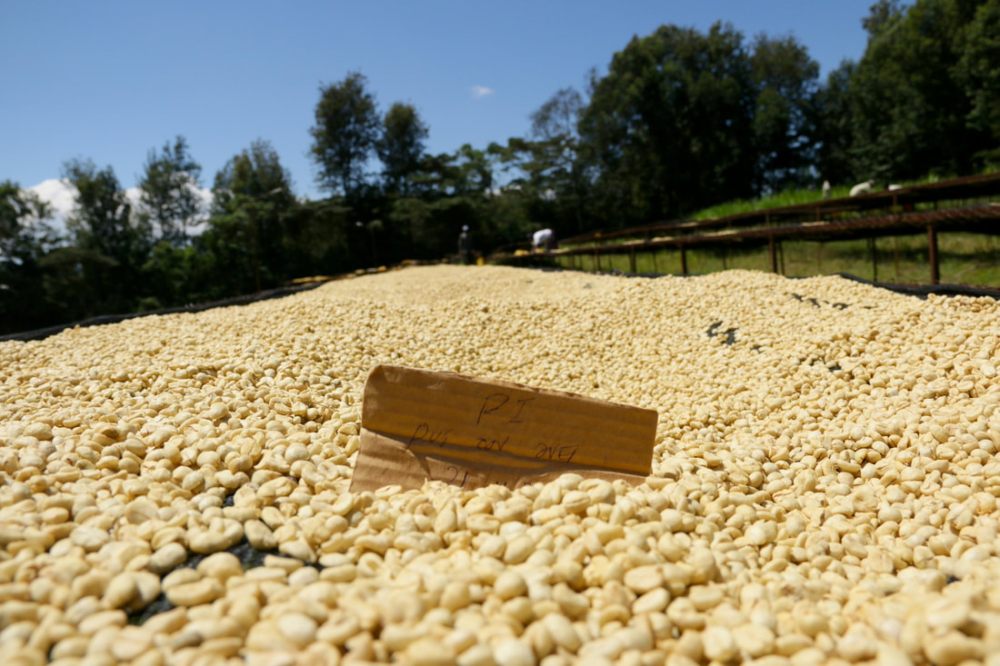
Grading: Coffee grading standards are diverse, and Kenyan coffee is graded according to bean size; Kenya is also one of the few countries that separates peaberries for sale on their own.
The grading of Kenyan beans is based on bean size, shape, and hardness, from best to lowest in the order: PB (highest grade), AA++, AA+, AA, AB (lowest grade). Front Street Kenya Cherry Tomato coffee beans belong precisely to the highest grade, AA, and are processed with the K72-hour washed method, with plump and uniform beans. In order to retain more floral and fruity aromas, Front Street uses a medium-light roast level, giving the coffee a unique taste of cherry tomato, smoked plum, black plum, caramel, and snow pear.
The above content is compiled by CoffeeHunters, a coffee news website.


