







Search Results for: Natural Process Coffee
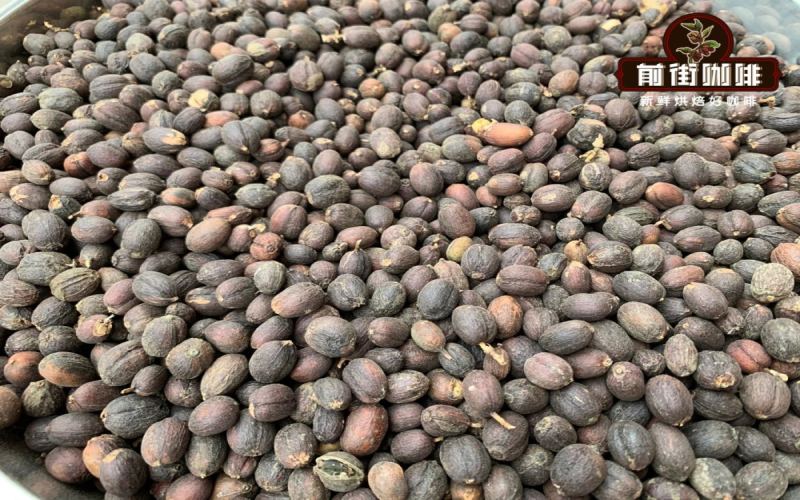
How Do Natural, Semi-Natural, Washed, and Honey Processing Differ? Analyzing the Flavor and Mouthfeel Characteristics of Natural Coffee Beans
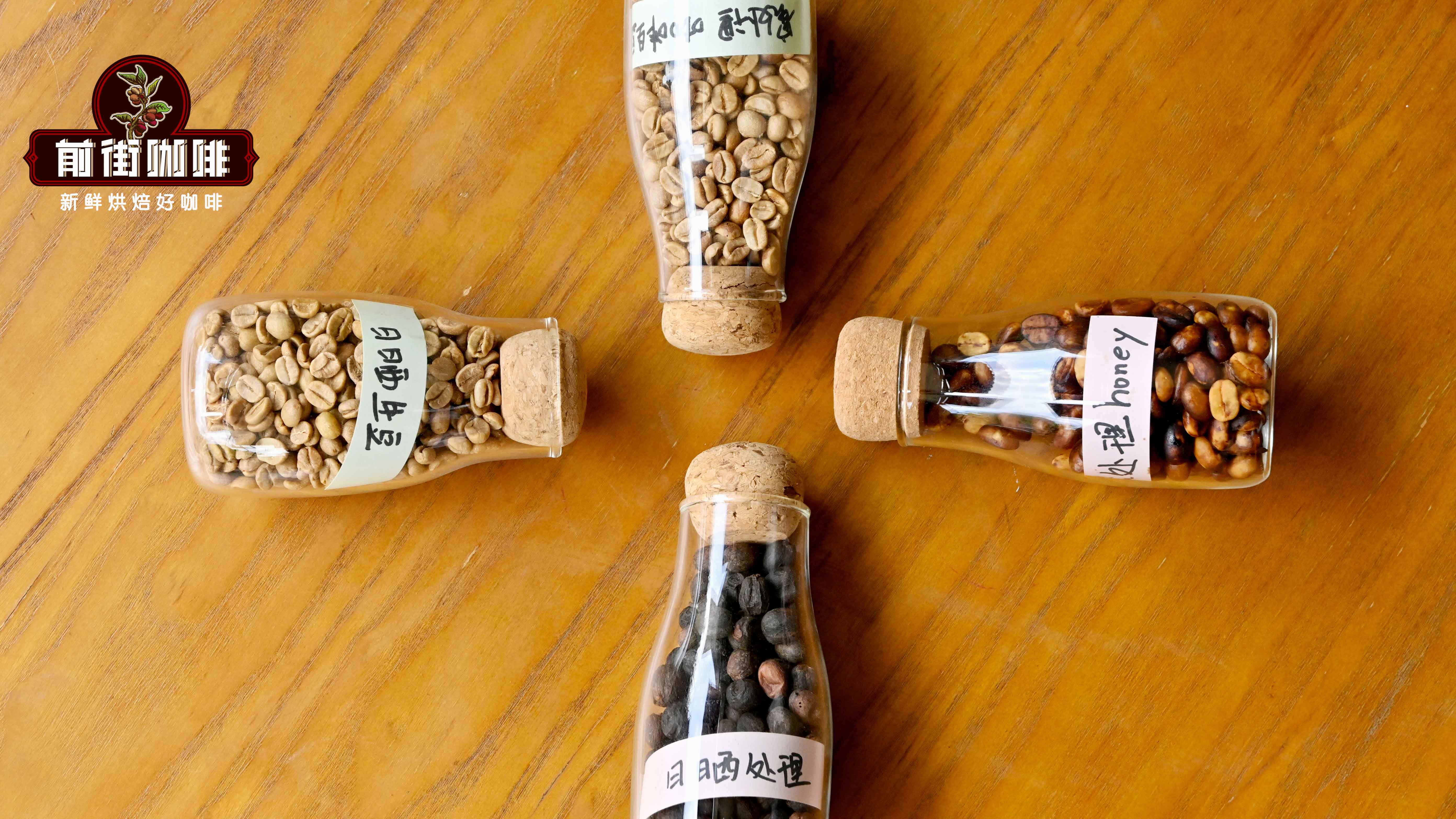
The processing method of green coffee beans directly influences the flavor profile of the final cup. As the oldest and least expensive processing technique, the natural process spreads whole coffee cherries out to dry, giving the beans a rich sweetness and fruity character; the washed process removes the skin and pulp before drying, producing a clean acidity; Brazil has found a balance between water conservation and quality in the semi-washed process; and the honey process leaves the mucilage on the beans during drying, bringing a fresh and full-bodied tropical fruit flavor. This article will compare the technical details, advantages and disadvantages, and corresponding cup profiles of these four processing methods one by one, while also introducing several representative beans from Front Street Coffee that correspond to each process. [more…]
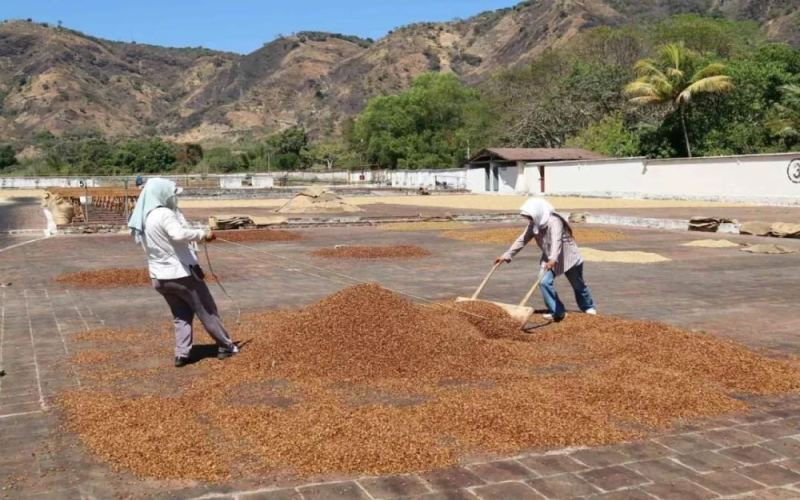
An In-Depth Analysis of the Natural Process: Advantages, Disadvantages, and Flavor Evolution from Traditional Sun-Drying to Slow Fermentation
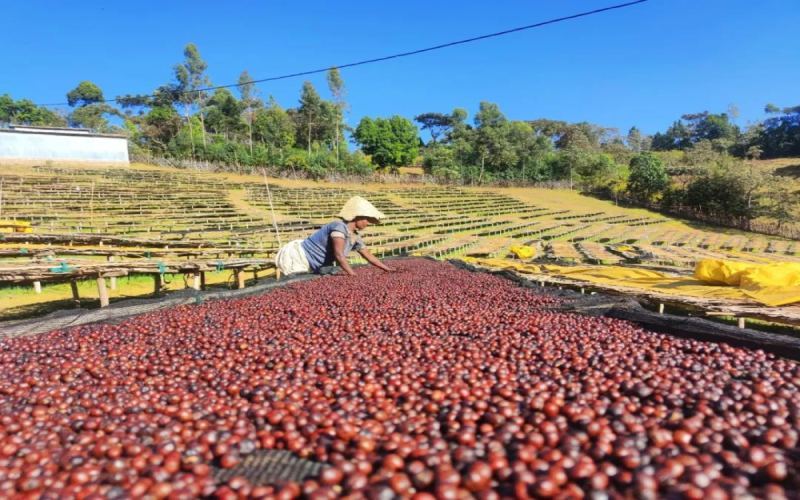
The natural process is the oldest method of coffee processing, allowing the fruit to dry naturally while the beans mature inside the pulp, resulting in intense flavor and prominent sweetness. Today, the natural process has been refined, from African raised beds to single-layer slow fermentation, greatly improving quality and even becoming the top choice for competition-grade coffee. This article will guide you through a comprehensive understanding of the natural process's operational flow, flavor advantages, traditional flaws, and modern improved techniques, and recommend freshly roasted beans such as Front Street Natural Huakui and Front Street Red Cherry, allowing you to understand the unique charm of naturally processed coffee from theory to practice. [more…]

A Complete Guide to the Natural Process: From Cherry Drying to Flavor Development, with a Look at Ethiopia G1 Huakui Coffee Beans
The flavor of coffee is shaped at every stage from cultivation to brewing, and the processing method is the key step that determines which direction the taste will take. As the oldest processing method, the natural process places the whole coffee fruit in the sun to dry slowly, allowing the seed, wrapped in its fruit pulp, to fully absorb sugars and ultimately develop berry notes with a full, complex mouthfeel. This article systematically outlines the principles, operational procedures, and flavor characteristics of the natural process, and uses Ethiopian G1 Huakui coffee beans as an example to analyze the product features and suitable scenarios of different roast levels in the Front Street Coffee Huakui series, while also discussing the current application of the natural process in regions where water resources are scarce. [more…]
Washed Processing vs. Red Wine-Style Natural Processing: A Full Analysis of Flavor Differences, Process Pros and Cons, and Taste Characteristics
What do the labels commonly seen on coffee packaging—natural, washed, honey—actually mean? This article focuses on the natural process and its innovative offshoot, the red wine–style natural process. Starting from the structure of the coffee fruit, it breaks down in detail the steps of the natural method, its cost advantages, and defect risks, and further explains how the red wine process uses controlled fermentation to enhance sweetness, cleanliness, and complex acidity. The article also draws on specific products such as Front Street Red Cherry, Huakui, ALO, and the Panama Hartmann Estate to show how traditional natural and red wine natural coffees actually perform in aroma and mouthfeel, helping coffee lovers understand more clearly how processing methods influence the flavors in the cup. [more…]
A Complete Guide to Brazil's Pulped Natural Process: Pectin Retention, Flavor Characteristics, and Its Connection to Honey Processing
Among the three major coffee processing methods, natural and washed are easy to understand, but pulped natural (also known as semi-washed) often confuses people. This processing method was born in Brazil in 1990, and its proper name should be Pulped Natural, that is, the pulp natural method. It retains the step of removing the peel and pulp as in the washed method, while also drawing on the sun-drying method of the natural process. Because the soaking time is short, part of the pectin is retained, thereby saving water, shortening the drying cycle, and reducing the risk of infection. This article will explain in detail its background, processing flow, and flavor performance, and trace its origins with Costa Rican honey processing, while also introducing the specific information of a pulped natural Brazilian Red Bourbon from Front Street Coffee. [more…]
Analysis of Pour-Over Choices and Flavor Characteristics for Ethiopian Sidamo Natural Process Coffee Beans
The flavor profile of coffee is closely tied to how the green beans are processed. As one of the oldest coffee processing methods, the natural process has undergone a long evolution in quality, from the crude ground-drying of early days to today's meticulous raised-bed management. Natural beans from the Sidama region of Ethiopia have gradually won the favor of the specialty coffee world with their full body and bright berry notes. From the perspective of Front Street Coffee, this article traces the evolution of the natural process, compares the flavor differences between washed and natural coffees, and uses the new-crop Huakui as an example to provide specific pour-over parameters and extraction ideas, helping coffee lovers more clearly understand the logic of selecting and brewing natural coffee beans. [more…]
Comparison of the Two Major Coffee Green Bean Processing Methods: Analysis of the Step-by-Step Processes and Flavor Characteristics of the Natural Method and the Washed Method
The processing method of coffee cherries directly affects the flavor expression of green beans, and among these, the natural process and the washed process are the two most representative techniques. The natural process originated in the Arabian region over a thousand years ago, relying on natural drying to allow the fruit to slowly mature internally; the washed process was invented by the Dutch in the 18th century, using fermentation to remove the mucilage layer and thereby improve the bean's cleanliness. The two differ noticeably in operational steps, suitable environments, and final cupping performance, and understanding these differences helps in more accurately selecting and tasting coffee. This article will separately outline the complete processing flows of the natural process and the washed process, and explain the flavor characteristics each brings. [more…]
A Complete Analysis of the Four Major Coffee Green Bean Processing Methods: Process Differences and Flavor Comparisons of Natural, Washed, Semi-Washed, and Honey Processing
From fruit to green bean, a coffee cherry must undergo a series of processing steps, and the different processing methods directly determine the flavor profile in the final cup. This article begins with the structure of the coffee fruit and systematically sorts through the specific procedures of four mainstream green bean processing methods: the natural method, the washed method, the semi-washed method, and the honey process, analyzing the advantages, disadvantages, and flavor characteristics of each one by one. Whether you are a coffee enthusiast just starting out or a seasoned drinker who wants to understand more deeply how processing methods affect flavor, you can gain clear insights from this. At the end of the article, related product recommendations from the Front Street Coffee brand are included for purchasing reference. [more…]
Analysis of the Natural Process Workflow and Flavor Characteristics: A Beginner's Guide to Green Coffee Processing from Traditional to Specialty Natural
The final flavor profile of a cup of coffee is determined not only by variety and origin, but also by the way the green beans are processed. As one of the oldest coffee processing methods, the natural process has re-emerged as a focal point in the specialty coffee world in recent years, thanks to its rich fruity aromas and full-bodied sweetness. This article, from the perspective of Front Street, systematically walks through the complete steps of the natural process, compares traditional natural processing with refined natural processing, explains in detail each stage from picking and sorting, drying, to hulling and storage, and introduces two representative Front Street natural-processed coffee beans — Huakui and the 2013 Typica — to help coffee enthusiasts fully understand the appeal of the natural process. [more…]
An Analysis of the Pros and Cons of Natural Process Coffee Beans: Flavor Characteristics, Processing Risks, and Price Factors
As one of the oldest methods of primary coffee processing, the natural method still dominates in producing regions such as Ethiopia and Yemen. This processing method places ripe coffee cherries directly under sunlight to dry naturally, then removes the skin and pulp, placing extremely high demands on climate and labor throughout the entire process. Properly processed natural beans can present outstanding sweetness, body, and ripe fruit notes, but if poorly managed, they are prone to mold and over-fermentation, causing drastic fluctuations in quality. This article will analyze the natural process from the perspectives of its workflow, climate requirements, flavor characteristics, advantages and disadvantages, and cost structure, and introduce the high-value natural single-origin beans under the Front Street brand, helping coffee enthusiasts fully understand the value and risks of this processing method. [more…]
Exploring the Guti Guti region of Yirgacheffe: A full analysis of the flavor differences between natural and washed processing methods
Yirgacheffe is one of Ethiopia's most iconic specialty coffee regions, renowned worldwide for its bright, citrus-lemon-like acidity and clean, translucent cup. But many people don't know that beyond the classic washed processing method, the naturally processed coffee beans from Yirgacheffe are equally stunning. Front Street Coffee will take you deep into the cultivation stories of the Guttiti/Gedeb regions, systematically compare the processing workflows, pros and cons, and flavor differences of natural and washed methods, and use two coffees—Yirgacheffe Natural Red Cherry and Washed Gedeb—as examples to share practical roasting and brewing data, helping coffee lovers gain a more comprehensive understanding of the unique charm of this high-altitude region. [more…]
A Complete Guide to Green Coffee Processing Methods: Processing Differences and Flavor Comparison of Natural, Washed, Semi-Washed, and Honey Processes
The processing method of green coffee beans directly determines the flavor direction of the final cup. From fruit to green bean, natural, washed, semi-washed, and honey processing each follow different craft paths, with their own trade-offs in cost, water consumption, and flavor performance. The natural method uses the natural drying of the fruit pulp to give the beans rich fruity aromas and a full-bodied sweetness, while the washed method removes pectin through fermentation, bringing a clean and bright acidity. Semi-washed seeks a balance between the two, and honey processing retains part of the pectin layer and dries directly, enhancing sweetness and body. Understanding the principles and pros and cons of each processing method is an important foundation for coffee lovers to understand flavor differences. This article will also recommend a number of representative processing-method coffee beans from Front Street Coffee for daily purchasing reference. [more…]
A Complete Analysis of Sun-Dried Coffee Bean Processing: Natural Drying Method Steps, Time Required, and Flavor Characteristics
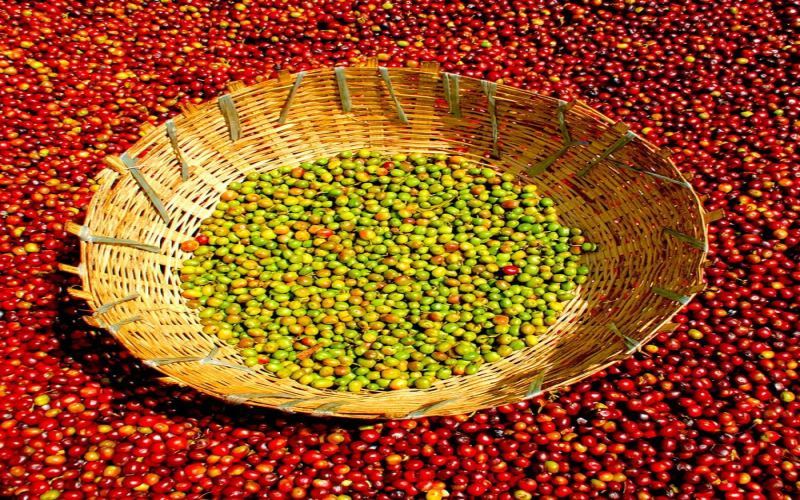
As the oldest coffee processing method, the natural process is favored by many coffee lovers for its simple operation and unique flavor. About 40% of the coffee beans at Front Street Coffee stores are naturally processed, including Natural Yirgacheffe, Natural Panama Geisha, and Natural Brazilian beans. This article will systematically outline the complete natural process—from fruit picking and sorting, through weeks of drying, to hulling and storage grading—and explain why naturally processed beans look yellowish and less attractive yet still deliver outstanding flavor. It also uses three Front Street natural beans as examples to share pour-over parameters and brewing techniques, presenting their respective cupping flavor profiles, helping readers gain a comprehensive understanding of the characteristics and tasting points of the natural process. [more…]
A Comprehensive Analysis of the Natural Process: From Traditional Drying to the Flavor Code of Specialty Coffee
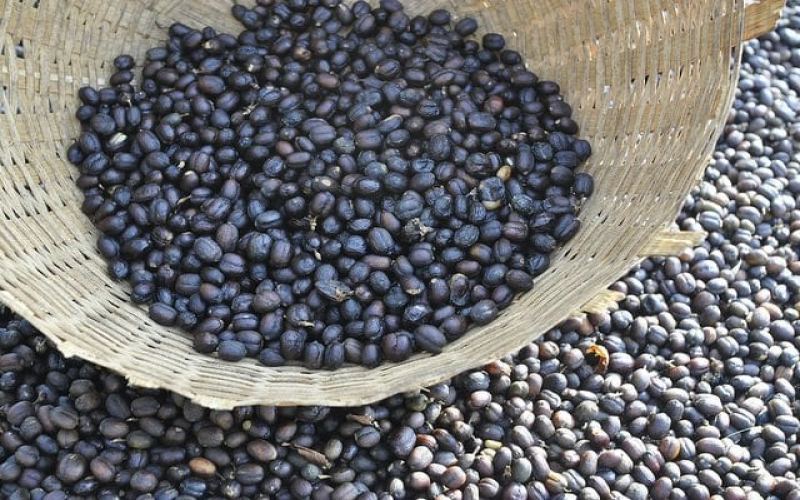
The natural process is the oldest method of processing coffee beans, drying coffee cherries together with their pulp under the sun, known in English as Natural. This processing method maximizes the retention of sugars and aromas in the pulp, giving the coffee beans rich tropical fruit flavors, full-bodied fermentation notes, and sweetness. However, traditional natural processing was once heavily criticized for inconsistent quality control, until the rise of the specialty coffee wave, when refined natural processing techniques revived this ancient method. This article will guide you through the principles of the natural process, its historical evolution, the revolutionary significance of the Red Cherry Project, as well as recommendations and brewing parameters for several Front Street natural process coffee beans, allowing you to deeply experience the unique charm of natural coffee. [more…]
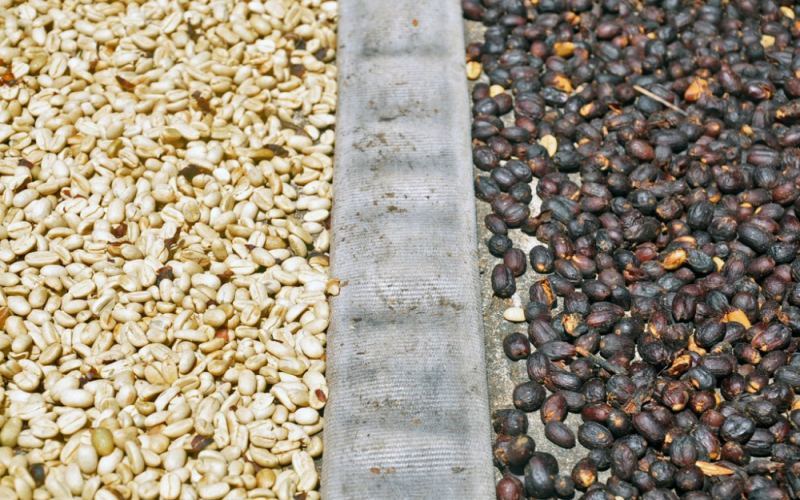
Sun-Dried, Washed, Semi-Washed, and Honey Processing: A Full Analysis of the Flavor Differences Among Four Pour-Over Coffee Processing Methods
From the branch to the cup, coffee cherries must undergo a series of processing steps, and the different processing methods directly determine the flavor profile of the final coffee beans. The four traditional processing methods—natural, washed, semi-washed, and honey—each exhibit distinctly different characteristics in terms of cost, acidity, sweetness, body, and cleanliness. Starting from the structure of the coffee cherry, this article will break down the complete process, advantages, and disadvantages of each processing method one by one, and pair them with specific bean recommendations from the Front Street Coffee brand, helping coffee enthusiasts build a clear framework for understanding flavor and find the one that best suits their taste in everyday pour-over choices. [more…]
Wet-Hulled, Semi-Washed, Pulped Natural, and Honey Process: A Complete Analysis of the Flavor Differences Among Four Coffee Processing Methods
Following our previous discussion of the two major processing methods—natural and washed—this time we turn our attention to several post-harvest processes that fall between them: wet-hulled, semi-washed, pulped natural, and honey processing. How is each of these methods carried out? And what impact do they have on coffee flavor? We'll still start with the structure of the coffee cherry: from the outside in, the fruit consists of the outer skin, pulp, mucilage, parchment layer, silver skin, and the coffee bean seed itself. The core goal of all processing methods is simply to remove the outer layers and extract the seed. However, differences in the method, timing, and degree of removal lead to vastly different results in the cup. This article will break down these processing methods one by one—their procedural details, flavor tendencies, and the subtle connections between them—to help coffee enthusiasts more clearly understand the key role processing plays in shaping flavor. [more…]
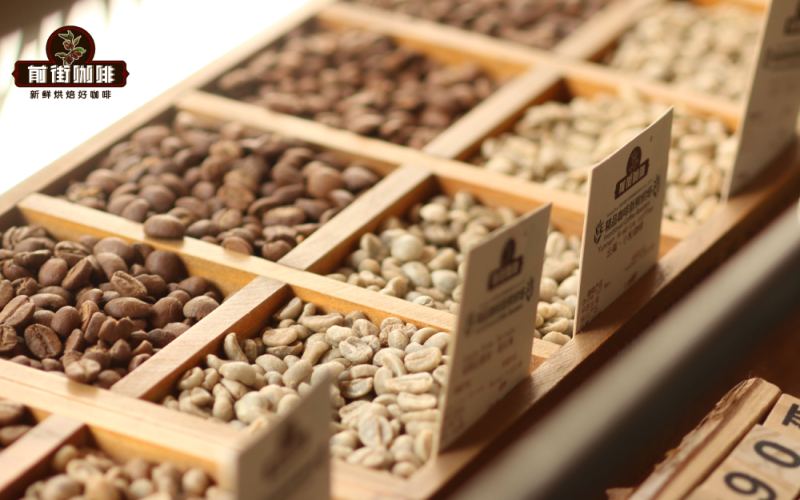
Coffee Processing Methods | Wet-Hulled, Semi-Washed, Honey Process, Pulped Natural — Detailed Steps, Flavor and Mouthfeel Comparison of Coffee Beans
We all know that different processing methods can give coffee a rich and varied flavor profile. For example, Front Street Coffee's bean list alone features dozens of varieties, covering more than ten different processing methods. Today, Front Street will focus specifically on wet-hulled, semi-washed, and pulped natural [more…]
What types of sun-dried processing methods are there for coffee beans? A full analysis of the differences between natural and semi-natural processing techniques.
The impact of coffee processing methods on green bean flavor is akin to the influence of winemaking techniques on wine; different processing methods can bring out completely distinct characteristics. This article will systematically outline the origins, procedures, and flavor traits of the natural process, and compare the similarities and differences among mainstream methods such as the washed process, semi-washed process, and honey process, helping enthusiasts understand the logic behind each processing method and its expression in the cup. The article also combines several representative beans from Front Street Coffee to provide specific purchasing references. [more…]
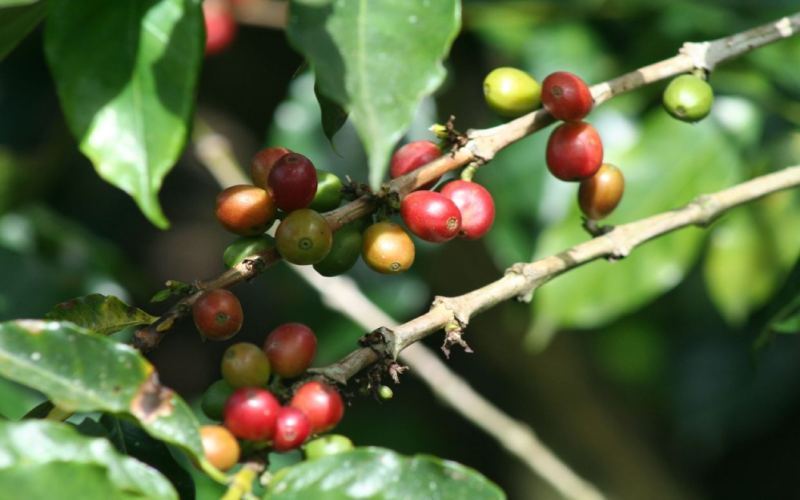
An Analysis of the Differences Between Natural and Washed Coffee Bean Processing Methods and Recommendations for Natural Beans Suitable for Pour-Over
Where does coffee flavor come from? The processing method is often the decisive factor. As the two mainstream techniques, natural and washed processing each shape distinctly different aromas and tastes. This article will systematically compare the differences in process and flavor characteristics between these two processing methods, and for pour-over enthusiasts, put together five naturally processed coffee beans worth trying, covering producing regions such as Ethiopia, Panama, Brazil, and Yunnan, China. Each one comes with detailed origin information and flavor descriptions to help you quickly lock in your preferred choice. [more…]
An In-Depth Analysis of Semeon Abay's Special Anaerobic Processing Method: From Fermentation Technique to Flavor Expression
Coffee bean processing methods are becoming increasingly diverse, and among them the Semeon Abay processing method has attracted the attention of many enthusiasts with its unique fermentation logic and personal character. From the perspective of Front Street Coffee, this article systematically sorts out the origin story and operational process of this special processing method, while also comparing the advantages, disadvantages, and flavor differences of the three traditional methods—washed, natural, and honey—to help readers more clearly understand the impact of different processing methods on coffee taste and provide a reference basis for everyday purchasing decisions. [more…]