







Which Coffee Bean Processing Method Suits Pour-Over?
Natural and washed processing differ at the drying stage. In the natural method, whole cherries dry in the sun for two to three weeks before the outer layers come off, so the bean keeps contact with the fruit and picks up sweetness and tropical notes. In the washed method, the fruit is depulped and fermented, then rinsed with water, which leaves a cleaner, brighter cup.
Natural lots dry on raised African-style beds that keep beans off the ground and improve airflow, with temperature watched to prevent over-fermentation. The cycle often runs past twenty days, letting microorganisms work on the pulp. For pour-over, natural beans from Ethiopia, Panama, Brazil and Yunnan give distinct fruit-forward profiles worth comparing side by side.
Where does coffee flavor come from? The processing method is often the decisive factor. As the two mainstream techniques, the natural (dry) process and the washed process each shape distinctly different aromas and flavors. This article systematically compares the procedural differences and flavor characteristics of these two processing methods, and puts together five natural-process coffee beans worth trying for pour-over enthusiasts, covering producing regions such as Ethiopia, Panama, Brazil, and Yunnan, China. Each one comes with detailed origin information and flavor descriptions to help you quickly pinpoint your favorite pick.
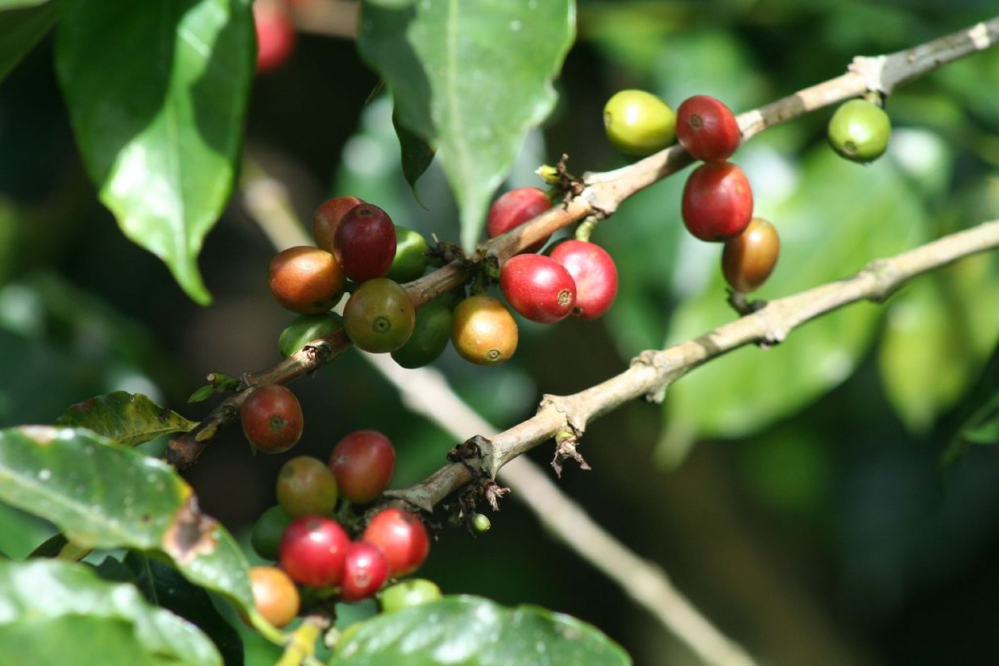
Coffee bean processing methods are incredibly diverse, and different processing methods directly influence the aromatic direction of coffee. Let's first get to know the two most common processing methods—the natural process and the washed process:
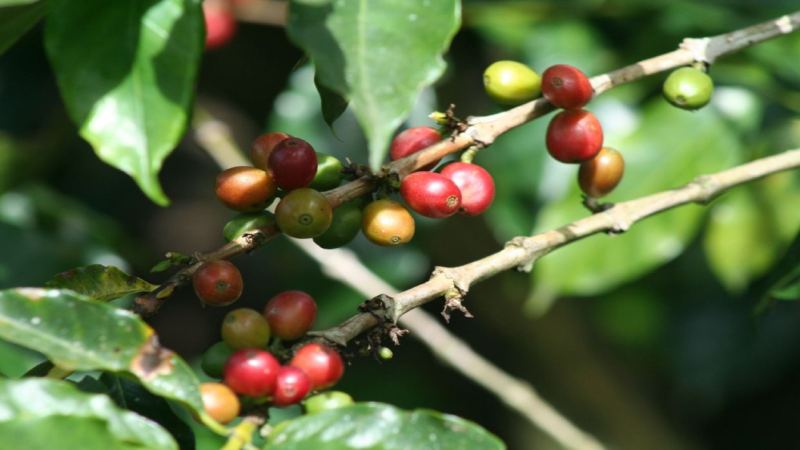
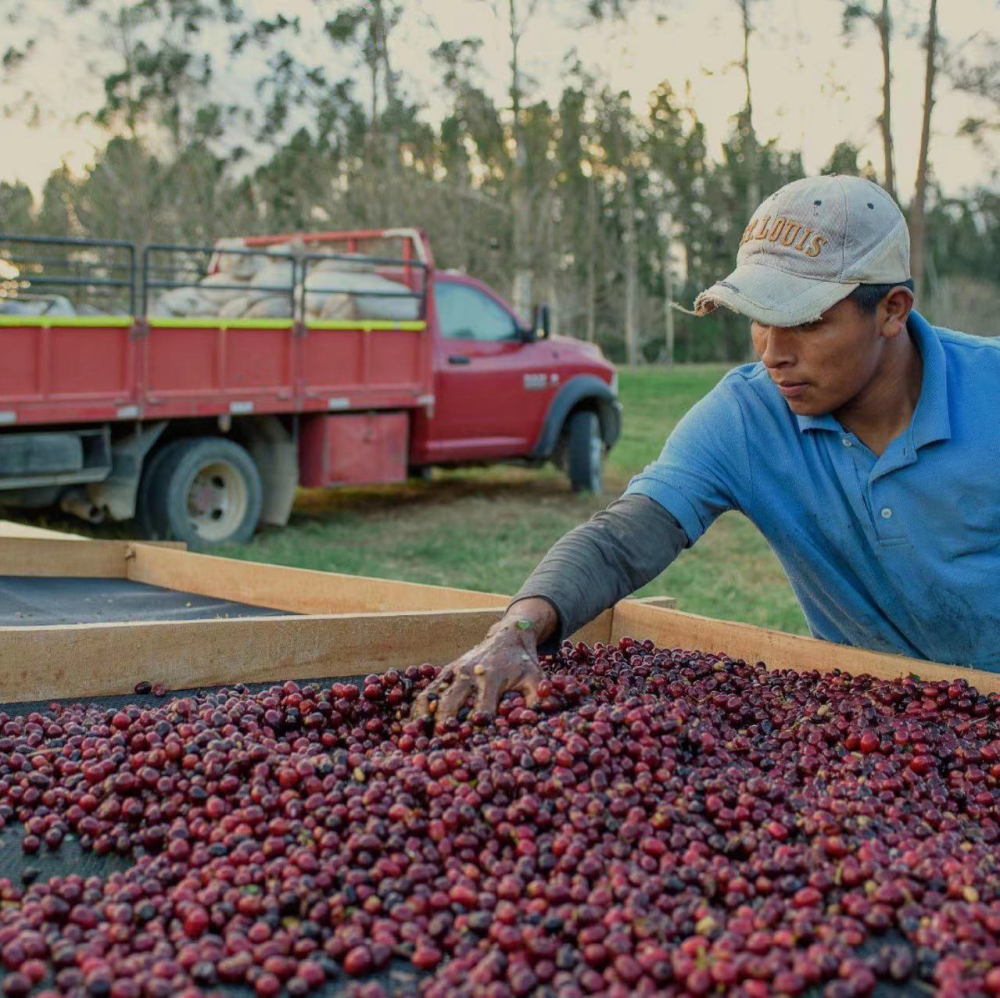
1. Natural process: After the coffee fruit is harvested, underdeveloped cherries and bits of branches and leaves are first removed, and then the whole coffee cherries are spread out directly under the sun to dry for two to three weeks. Once the fruit is completely dry, the outer layers are removed. Because the pectin substances have remained wrapped around the bean surface the whole time, the finished product carries notes of pectin. The degree of fermentation in natural processing depends largely on the temperature and humidity of the environment during drying.
Natural processing is usually carried out using African-style raised drying beds, which effectively isolate the beans from ground moisture and soil while enhancing air circulation. During drying, the temperature is also strictly monitored to avoid over-fermentation caused by high heat. The entire natural drying cycle often takes more than twenty days, allowing microorganisms to slowly interact with the coffee pulp, so the finished product has a more pronounced sweetness and is often accompanied by rich tropical fruit notes.
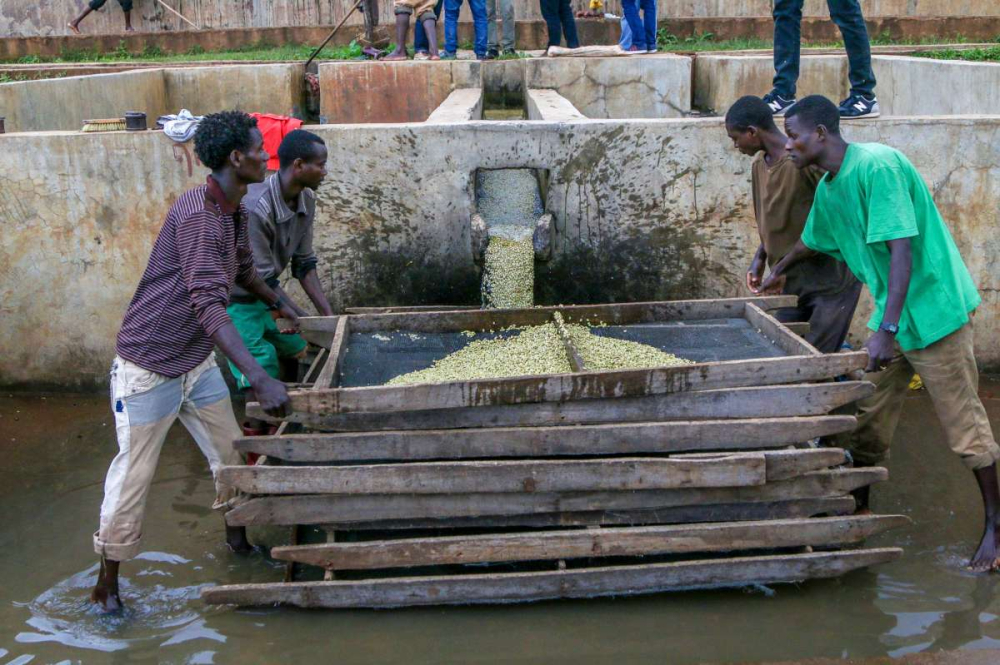
2. Washed process: The core step is fermenting the fruit after it has been depulped, then rinsing off the mucilage layer with water once fermentation is complete. The specific steps are: after harvesting, remove unripe fruit and impurities, strip off the outer skin of the fruit, take out the beans, then wash and soak them, letting the beans enter the fermentation stage, where microorganisms and enzymes break down substances inside the beans. This fermentation process usually lasts only 24 to 30 hours, developing flavors such as acidity.
The washed process can also use dry fermentation, meaning no soaking, and after fermentation is complete the mucilage is washed off with water. After fermentation, the beans need to be sun-dried or machine-dried to prevent mold. Properly processed washed coffee beans usually have a milder flavor profile, with specific results varying according to environmental conditions and degree of fermentation.
Washed coffee beans
After processing is complete, defective beans are first screened out and high-quality beans are retained, then different roast levels are applied, ultimately revealing endlessly varied flavors and mouthfeels. From cultivation to brewing, subtle differences at every stage affect the quality and taste of the coffee. For coffee from the same origin, of the same variety, and grown in the same environment,
washed processing often represents the base flavor of a producing region, while natural coffee builds a richer layering of aromas on top of that foundation.
To make it easy for everyone to quickly find natural coffee they'll love, here is a list worth trying, compiled based on online and offline sales data. Those who want to try something new can refer to it directly:
1. Front Street Natural Red Cherry
Region: Yirgacheffe, Ethiopia Estate: Aricha Estate Altitude: 1700-2200m Variety: Local heirloom varieties Processing method: Natural process
Flavor: Floral, citrus, berry, black tea, fermented aroma
2. Front Street Natural Huakui
Region: Guji, Ethiopia
Processing station: Hambela Buku Abel
Altitude: 2250~2350m
Variety: Local heirloom varieties
Processing method: Natural process
Flavor: Creamy strawberry, mango, guava, tropical fruit
3. Front Street 2013 Yunnan Typica
Region: Yunnan, China
Estate: Front Street Coffee Estate
Altitude: 1300m
Variety: Typica
Processing method: Natural
Flavor: Brown sugar, nuts, dried apricot, chocolate
4. Front Street Hacienda La Esmeralda Diamond Mountain
Region: Boquete, Panama
Estate: Hacienda La Esmeralda
Altitude: 1400~1700m
Variety: Caturra, Catuai
Processing method: Natural
Flavor: Nuts, citrus, berry, white floral
5. Front Street Brazil Queen Estate
Region: Mogiana, Brazil
Estate: Queen Estate
Altitude: 1400~1950m
Variety: Yellow Bourbon
Processing method: Natural
Flavor: Chocolate, nuts, sugarcane, peanut, cream
The above content is compiled by CoffeeHunters, a coffee news website.


