








How does the natural process shape different types of coffee seeds?
The natural process is the oldest way to turn coffee cherries into green coffee. Whole cherries dry in the sun with the fruit pulp still attached, so the seed absorbs sugars from the mucilage. Drying also lowers moisture to about 11%, the level needed for stable storage. The result is berry-forward flavor and a full, layered mouthfeel.
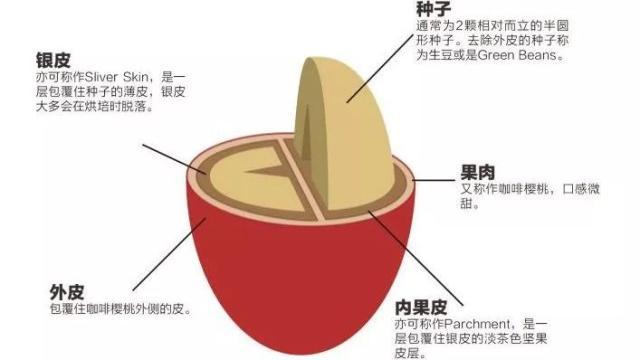
Each cherry holds skin, pulp, mucilage, parchment, silver skin, and the bean itself. Natural processing avoids the water use of washed methods, which is why it is common in dry regions. Ethiopian G1 Huakui is a standard example, and its roast level decides whether it works better for filter brewing or espresso.
The flavor of coffee is shaped at every stage from cultivation to brewing, and the processing method is a key step that determines the direction of the taste. As the oldest processing method, the natural process places whole coffee cherries under the sun to dry slowly, allowing the seeds to fully absorb sugars while wrapped in the fruit pulp, ultimately presenting berry notes and a full, complex mouthfeel. This article will systematically outline the principles, operational procedures, and flavor characteristics of the natural process, and use Ethiopian G1 Huakui coffee beans as an example to analyze the product features and suitable scenarios of different roast levels in the Front Street Coffee Huakui series, while also discussing the current application of the natural process in regions with scarce water resources.
The formation of coffee flavor is not determined by a single factor. From the soil conditions, altitude, and microclimate of the growing region, to the choice of coffee variety, the processing method of green beans, and then through roasting and extraction brewing, every step will cause differences in the final taste in the cup.
Among the many steps, the processing method holds a pivotal position. The so-called processing method is actually the process of obtaining seeds from coffee cherries. What we commonly call coffee beans are essentially the seeds of the coffee cherry, and coffee belongs to the drupe category of crops, with fruit resembling cherries in appearance. The processing method is not only responsible for extracting the seeds, but also needs to reduce the moisture content of the coffee beans to about 11% for long-term storage.
As the industry has developed, many types of processing methods have emerged, but the traditional and common ones still belong to the natural process, washed process, honey process, and wet-hulled process. If asked to name the most traditional processing method, Front Street Coffee baristas would probably give the answer of the natural process.
How exactly is the natural process carried out? A coffee cherry consists of the skin, pulp, mucilage layer, parchment, silver skin, and coffee bean. Fresh cherries have a relatively high moisture content, so it is not easy to extract the coffee beans in large quantities. In addition, the mucilage layer clings to the bean surface like honey, making it difficult to remove. The most traditional natural process starts by reducing moisture content and gradually stripping away attachments such as the mucilage.
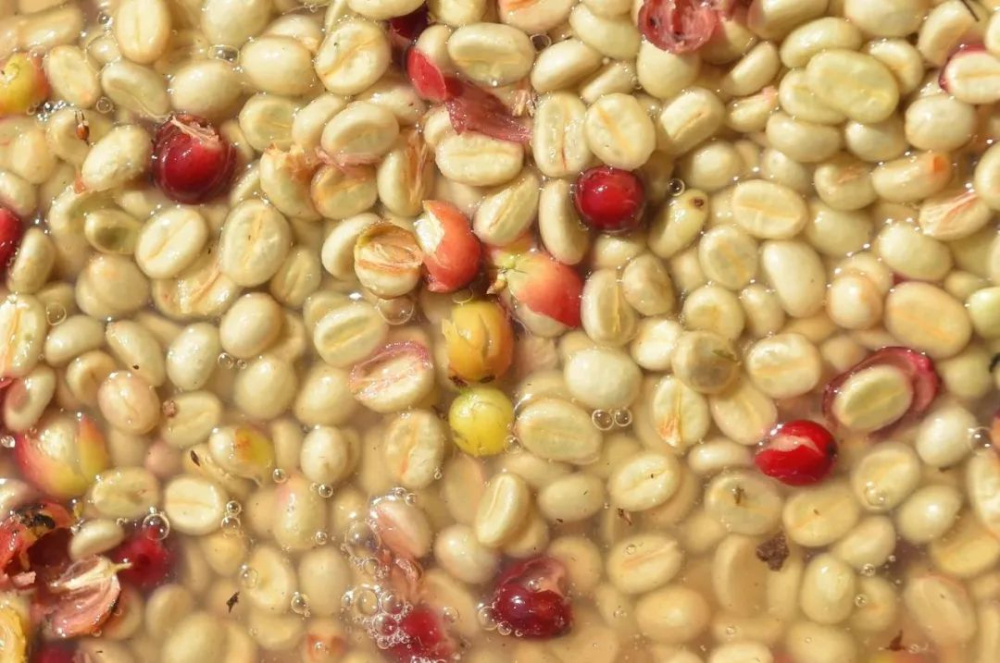
The traditional natural process spreads harvested coffee cherries directly in the sun to dry, and the entire drying cycle usually lasts from one month to one and a half months. The fully dried cherries resemble raisins and can be peeled open by hand.
What kind of taste does the natural process give coffee? Because the whole cherry participates in drying and the process takes a long time, the coffee beans slowly lose water while wrapped in the pulp, continuously absorbing sugars from the pulp and mucilage layer. Therefore, naturally processed coffee often has more pronounced berry-like flavors, and the mouthfeel is fuller and more complex.
When discussing the natural process, one naturally cannot avoid Ethiopia, the birthplace of coffee. Front Street Red Cherry, Front Street Gesha Village Red Label Geisha, Front Street Sidamo Alo, and the highly popular Front Street Huakui coffee all use the natural process.
As a quickly rising Ethiopian single-origin coffee, Front Street Huakui is well known for its rich fruit aromas and fragrant floral notes, and has become a daily staple choice due to its high cost-effectiveness. Behind this, the traditional natural process is indispensable. The natural process not only brings Front Street Huakui the sweet aromas of cream strawberry and tropical fruits, but also gives it a slight fermented note, making the overall layers richer and more three-dimensional.
The Huakui coffee product line is quite diverse. Office workers seeking convenience and speed can directly purchase Front Street Huakui seasonal drip bag coffee, freshly ground coffee powder, economical and affordable, saving time and effort, making it an ideal choice for workers;
If you want to experience the fullest coffee aroma, it is recommended to get the medium-light roast Front Street Natural Huakui coffee beans, grind and brew at home freshly, to feel the charm of this naturally processed coffee bean to the greatest extent;
For consumers who prefer coffee oils, you can directly choose the medium roast Front Street Huakui SOE coffee. It has a balanced aroma of dark berries, dried apricots, caramel, and creamy chocolate. Made into an Americano, you can taste fresh citrus-like fruit acidity, and when added to milk to make a latte, it presents rich flavors of butter cookies, plums, almonds, and chocolate biscuits.
The natural process is commonly found in producing regions with scarce water resources or abundant sunshine, and Ethiopia is a typical representative. As a major natural-process country, most of its coffee cherries are processed naturally. Even though many washing stations have now been built and the proportion of washed processing has increased, about 70% of coffee cherries in Ethiopia are still processed naturally.
The above content is compiled by CoffeeHunters, a coffee news website.


