







Search Results for: Natural Alo

Ethiopia Sidama Bensa Alo Village Alo Coffee Explored: Brand Origins, High-Altitude Farming, and Natural-Process Flavor Fully Analyzed
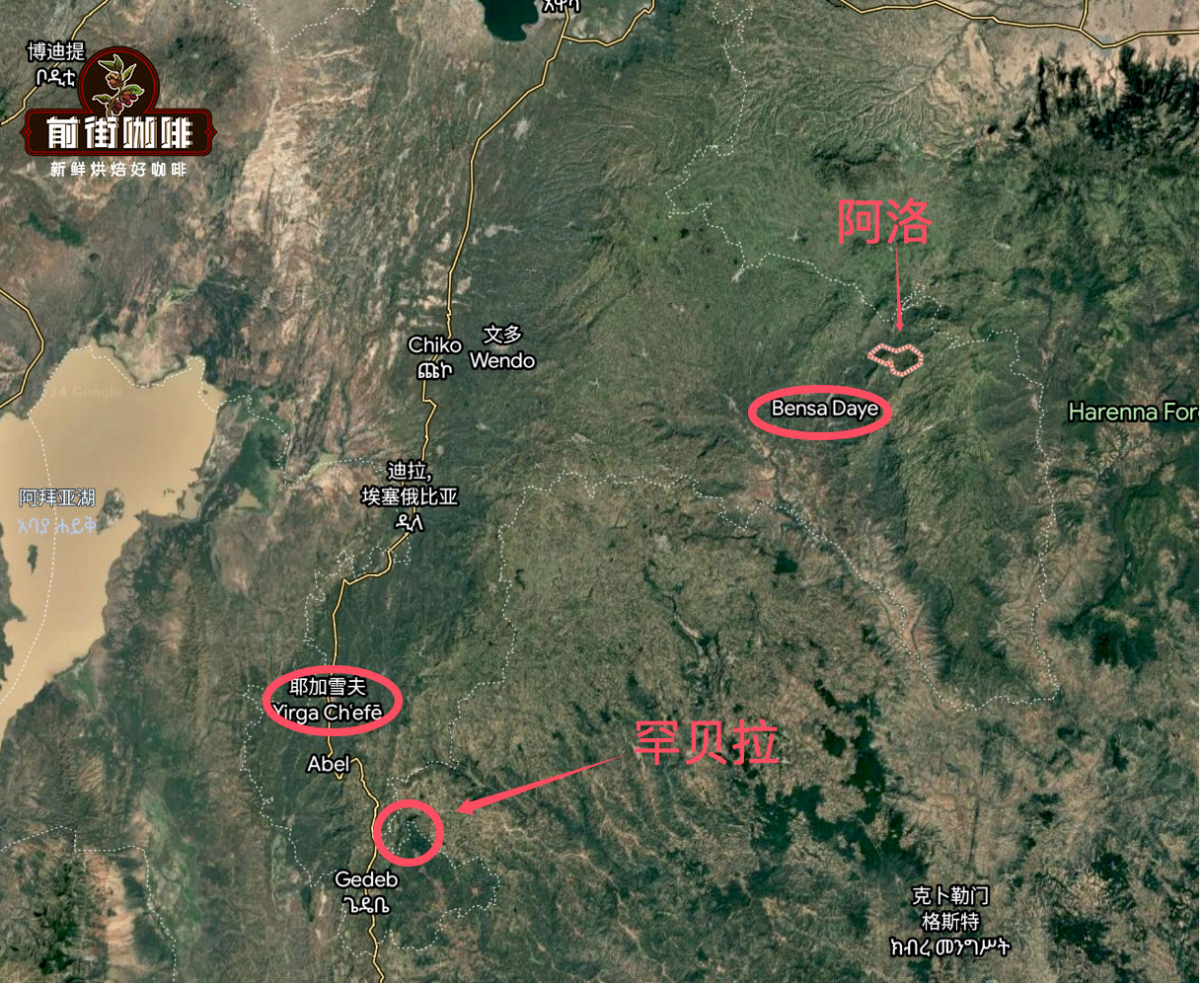
Alo Coffee is an Ethiopian green bean brand that has attracted much attention in the specialty coffee circle in recent years, coming from Arlo Village in Bensa Town, Sidama Region. Founder Tamiru Tadesse Tesema won the 2021 COE competition with anaerobic natural 74165, quickly making this small high-altitude production area famous. Coffee trees in Arlo Village grow between 2,200 and 2,400 meters above sea level, and slow ripening brings higher density and complex aromas. This article will sort out Alo Coffee's brand background, production area location, processing station layout, and natural processing details, and, combined with Front Street's cupping experience, present the flavor layers of this bean from magnolia and passion fruit to yellow peach and dried hanging apricot, helping coffee enthusiasts fully understand the unique charm of Arlo Village. [more…]
Sidamo Alo Village Coffee Beans alo coffee|Introducing the flavor characteristics of coffee beans from Alo Village, Bensa district, Sidamo, Ethiopia
Since the beginning of this year, a coffee origin called Alo Village has quickly risen to fame in coffee circles both at home and abroad, with extremely high exposure and discussion. In conversations with multiple roasters and buyers, Front Street Coffee has also clearly felt the continued rise in popularity of this origin. So, what is it about this suddenly "ubiquitous" Al [more…]
Exploring Ethiopia Sidamo Bensa Alo Village: The Flavor and Origin Story of High-Altitude Floral Coffee
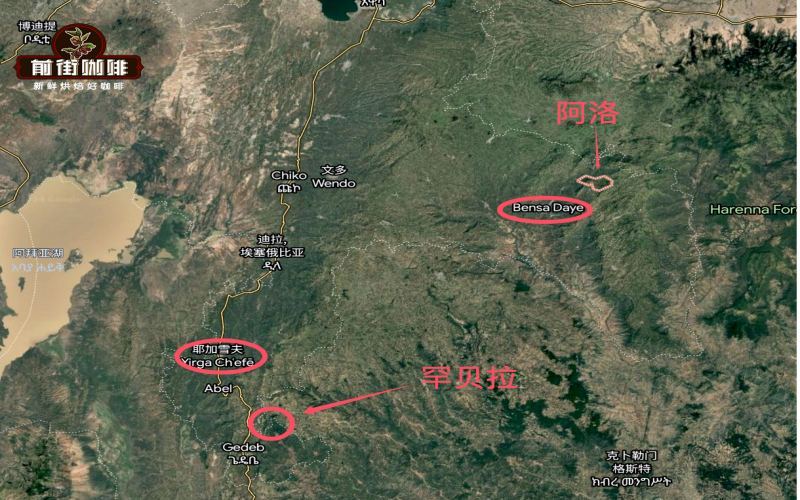
Ethiopia, as the birthplace of coffee, has always been a pilgrimage destination for specialty coffee enthusiasts. In recent years, Alo Village in the Bensa area of Sidama has quickly risen to fame thanks to its outstanding performance as the 2021 COE champion, becoming a hot topic of discussion in the coffee world. Alo Coffee founder Tamiru Tadesse started from scratch, bringing the floral and fruity aromas of this high-altitude land to the world. This article will guide you through the origin background of Alo Village, the distribution of processing stations, the natural processing of the 74158 variety, and the cupping flavors and brewing suggestions brought to you by Front Street Coffee, so you can experience the unique charm of this coffee. [more…]
Analysis of the Flavor Characteristics and Origin Knowledge of Ethiopian Sidama and Bensa Alo Village Coffee
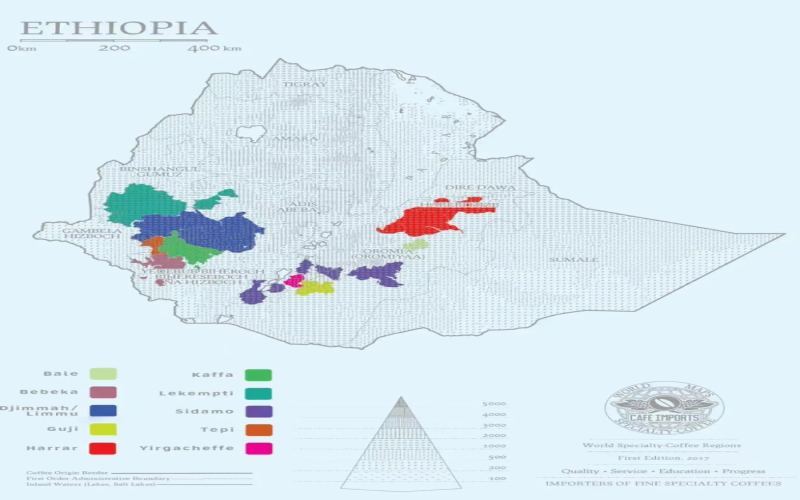
Sidamo is a highly representative coffee-producing region in southern Ethiopia. The evolution of the names Sidama and Sidamo, the geography, the rise of the sub-region Bensa, and the story and processing system of Alo Coffee together form a clear thread of knowledge. The article also explains how high altitude affects coffee flavor, and includes Front Street Coffee's brewing performance of the 74158 natural beans from Alo Coffee's Hatessa processing station, which feature pronounced tropical fruit and floral notes—ideal for coffee enthusiasts seeking a systematic understanding of the current state of Sidamo and Bensa. [more…]
Tracing the Origin of the Sidamo Region Name and Analyzing the Flavor of Bensa Alo Village Natural Coffee Beans
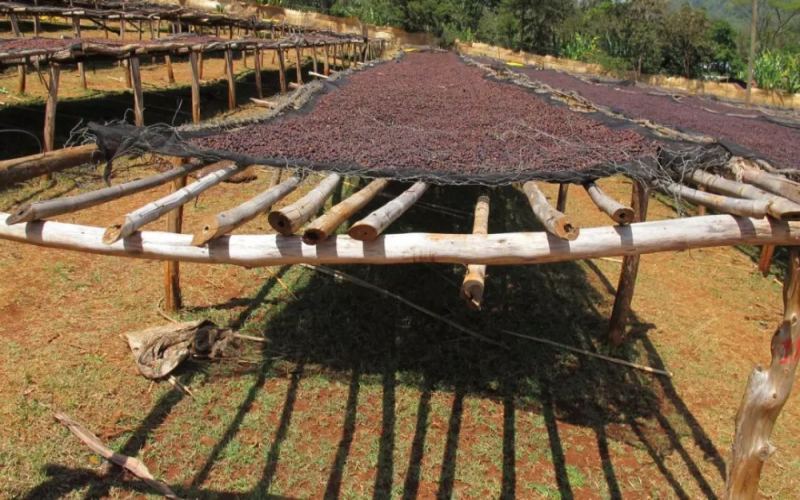
Sidamo is one of Ethiopia's most renowned specialty coffee regions, famous for its rich floral aromas and abundant fruity notes. This article begins with the origin of the region's name, tracing the historical roots of the two appellations "Sidamo" and "Sidama," and focuses on the high-altitude micro-region of Bensa town and its Alo village. It analyzes the variety composition, processing methods, and flavor characteristics of Bensa coffee, and introduces in detail Front Street Coffee's newly launched Ethiopian natural Alo coffee beans—from green bean processing to cupping performance, and on to V60 three-pour brewing parameters—providing coffee lovers with a complete reference for tasting and brewing. [more…]

What is the origin of Ethiopian numerical varieties like 74158? Front Street Coffee ALO and Hamasho flavor analysis
In recent years, a group of numerically named varieties have frequently appeared among Ethiopian coffees. Coded beans such as 74158, 74110, and 74112 not only appear on the lists of major green bean competitions, but have also become targets that many coffee farmers and brands are eager to plant. What exactly do these numbers represent? Why can they excel in both flavor and yield? This article will start with the history of JARC's variety selection and breeding, sort out the origins and advantages of these coded beans, and focus on two standout 74158 coffees in Front Street Coffee's bean list — Front Street Ethiopia·ALO and Front Street Ethiopia·Hamashu — to help you understand their respective flavor characteristics and origin backgrounds. [more…]

A Complete Guide to Ethiopia's Sidama Region: The Flavor Code of Sidama Coffee Beans and the Characteristics of the Bensa Sub-region
Sidamo/Sidama is one of Ethiopia's three official coffee regions, located in the highlands of the East African Rift Valley and known for its bright acidity, syrupy smooth body, and interwoven floral, spice, and fruity notes. This article begins with the historical origins of the region's name, sorts through the naming dispute between Sidamo and Sidama, analyzes the standout performances of micro-regions such as Bensa in the 2020-2021 COE competitions, and takes a deep look at the processing methods and flavor characteristics of high-altitude coffee from Bensa. At the same time, Front Street Coffee brings a cupping experience of a high-altitude natural Alo along with a three-stage brewing recipe, taking you through the unique charm of Sidama coffee in full. [more…]
Ethiopia Bensa Bensa Region Full Analysis | The Origin of the Names Sidamo and Sidama and Coffee Processing Methods
Sidamo is one of Ethiopia's most renowned coffee regions, celebrated for its rich floral aromas and bright fruit acidity. This article begins with the region's geography, the origin of its name, and its COE-winning micro-regions, then focuses on Bensa, a high-altitude star town, outlining its washed, natural, and red honey processing methods. It also presents the cupping flavors and three-stage brewing parameters of Front Street's Ethiopian natural Alo coffee, offering coffee enthusiasts a complete guide to understanding this region. [more…]
Exploring Ethiopia's Bensa Region: A Full Breakdown of Sidama Coffee Bean Processing Methods and the Origin of the Name
Sidamo is one of Ethiopia's most representative specialty coffee regions, renowned worldwide for its rich floral aromas and abundant fruity notes. This article provides a systematic overview of Sidamo coffee, covering the region's geography, the origin of its name, variety classifications, and the microclimate and processing methods of Bensa Woreda. It also introduces in detail Front Street Coffee's newly launched Ethiopian natural Alo coffee, complete with cupping flavors and V60 three-pour brewing parameters, taking you deep into the unique charm of this high-altitude region. [more…]
A Comprehensive Analysis of Ethiopian Sidamo Coffee: Terroir, Varieties, Processing Methods, and Cupping Flavor Characteristics
Sidamo is one of Ethiopia's three official coffee regions, located in the highlands of the East African Rift Valley, and is renowned for its bright acidity, intense floral aromas, and juicy character. This article will introduce the region one by one, covering its geography, the origin of its name, its COE-winning micro-regions, coffee variety classification, and the terroir conditions and processing methods of Bensa town. At the same time, by combining the cupping experience and brewing parameters of Front Street Coffee's Ethiopian natural Alo coffee, it will guide readers to a comprehensive understanding of the flavor code and production details of Sidamo coffee. [more…]
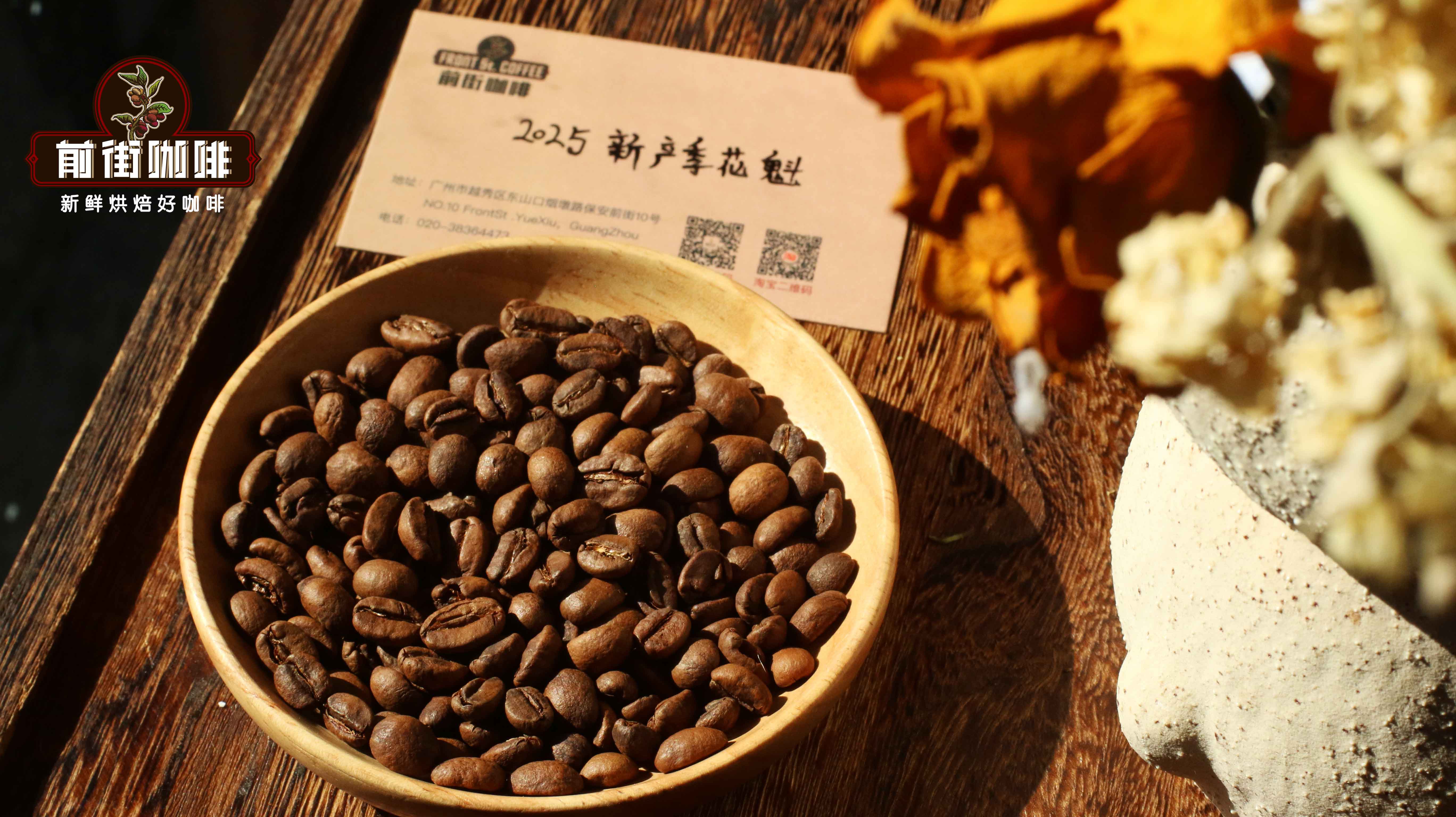
Sidamo Huakui Pour-Over Coffee Flavor Analysis: A Complete Guide to Its Regional Origins, Brewing Parameters, and Price Varieties
Sidamo is one of Ethiopia's most renowned specialty coffee regions, winning over countless coffee lovers with its rich fruity aromas and elegant floral notes. But did you know? What is now commonly called "Huakui" actually comes from Guji Hambela, not Sidamo. This article will take you deep into Sidamo's regional history and ethnic origins, the distribution of core sub-regions within Production Area A, and the specialty lots recommended by Front Street Coffee, such as Huakui, Santavini, and Alo. At the same time, we will also break down in detail the pour-over essentials for Sidamo natural beans—from dripper selection and water temperature control to grind size assessment and the three-pour technique—to help you brew a great cup overflowing with floral and fruity aromas. [more…]

How to make iced pour-over coffee tasty enough? A full analysis of the practical parameters of the stirring method and the ice-shaking method.
As soon as the weather warms up, iced coffee comes back into everyone's view. Many people keep trying ready-made methods at home, yet always feel the result is either weak or flat in flavor. This time Front Street Coffee has put together two more direct and easy-to-use iced brewing methods: one is the stirring method from KURASU COFFEE in Kyoto, which boosts extraction efficiency by stirring while pouring water, making it beginner-friendly; the other is the ice-shaking method from Taiwanese barista Amis, which uses a large dose, fine grind, and high water temperature to first extract a concentrated liquid, then hand-shakes it with ice to cool it down, giving more prominent aroma layers. The article retains complete bean selection suggestions, dripper pairings, coffee-to-water ratios, water temperatures, and grind parameters, and uses Alo Hatessa, recently recommended by Front Street Coffee, for a full demonstration, helping you find a summer iced coffee method that is both rich and refreshing. [more…]

Why Is Washed Coffee More Acidic? How to Brew It to Bring Out More Sweetness? A Detailed Guide to the Classification of Washed and Natural Processing Methods
Washed coffee is often labeled as "more acidic"—but which parts of the processing method are actually behind this? From the Dutch popularizing washed techniques in the eighteenth century to today, when nearly seventy percent of the beans at Front Street stores are sun-dried or washed, the choice of processing method profoundly shapes the flavor direction of coffee. This article will start with the historical development and processing steps, as well as differences in silver skin residue, and, using a comparison between Front Street Gutingting and Red Cherry, explain the specific differences between washed and sun-dried coffee in acidity, sweetness, and body. Finally, using Front Street Washed Alo as an example, it will fully demonstrate a four-pour brewing method to help you recreate a clear, sweet flavor like floral and fruity tea at home. [more…]
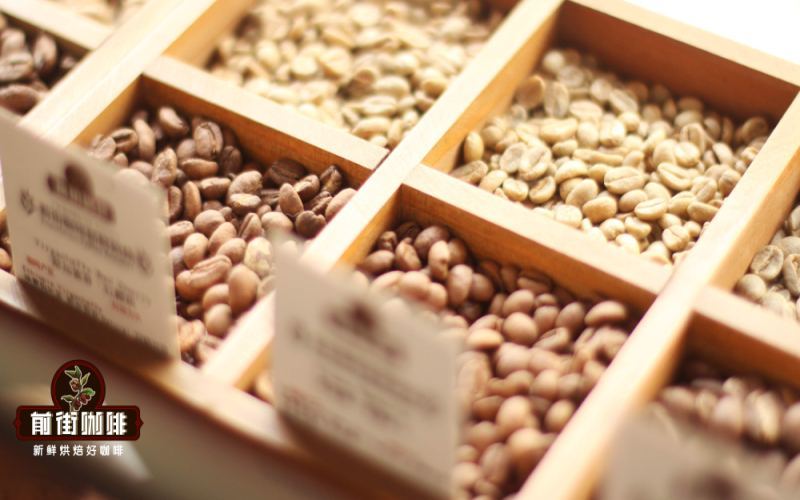
Ethiopian Washed Sidamo G1 Coffee Beans: From Grading and Roasting to a Comparison of Washed and Natural Flavor Sweetness
The Sidamo region is located in the southern highlands of Ethiopia and is known for its garden cultivation model, producing coffee beans with diverse flavors. The two processing methods, washed and natural, each have their own characteristics: washed Sidamo often carries citrus notes, nutty creaminess, and a slight cocoa aroma, while natural leans toward floral notes and fruity sweetness with acidity. What the two share is a smooth mouthfeel and pleasant acidity. In terms of grading, G1 represents the highest grade, with plump beans and balanced quality. The roast level directly affects its use; light-medium roasts are suitable for showcasing origin flavors as single-origin coffee, while medium-dark roasts can serve as an espresso base or in coffee blends. This article will focus on the Front Street Coffee Sidamo series products, including Huakui 11, Alo Village, and Natural Hamasho, and outline the green bean appearance, flavor characteristics, and brewing suggestions, helping coffee enthusiasts more clearly understand the differences between washed and natural processing in sweetness expression. [more…]

Exploring Sidamo, Ethiopia: A Coffee Region Where Floral-Fruity Aromas Meet Chocolate Notes
Sidamo is one of Ethiopia's key specialty coffee regions, known for its coffee's milder fruit acidity, elegant floral aromas, and smooth mouthfeel, often with chocolate notes layered into the fruity flavors. This article will provide a comprehensive analysis of the unique appeal of Sidamo coffee from the perspectives of the region's background, trademark disputes, geographical environment, natural processing methods, and grading standards, and recommend high-quality beans such as Front Street Coffee's Huakui, Front Street Coffee's Hamasho, and Front Street Coffee's Alo, helping coffee enthusiasts gain a deeper understanding of the flavor code of this region. [more…]

Is It Feasible to Use Coconut Water Instead of Plain Water for Pour-Over Coffee? A Practical Record of Coconut Americano and Iced Pour-Over
In the coffee world, the combination of coconut and coffee is nothing new—from coconut water americano to raw coconut latte, there's no shortage of creative variations. But Front Street Coffee recently stumbled upon a more "unorthodox" approach—using coconut water instead of plain water to brew freshly ground coffee. To find out whether this coconut water pour-over is actually drinkable, Front Street Coffee brewed a hot pour-over and an iced pour-over using fresh young coconut and Sidamo Alo beans, keeping a complete record from parameter settings to actual flavor. If you're also curious about how to make coconut water pour-over coffee, you might want to check out this hands-on report before deciding whether to give it a try. [more…]

What Is Japanese Iced Coffee? An Analysis of Two Major Iced Brewing Methods and Practical Details
As the weather warms up, iced drinks are once again becoming a favorite among coffee lovers. This article focuses on Japanese-style iced coffee, introducing its characteristics and sharing two ready-to-use iced pour-over methods: the stirring method from KURASU COFFEE in Kyoto, and the ice-shaking method from Taiwanese barista Amis. The article breaks down in detail each method's equipment choices, coffee bean preferences, pouring techniques, and parameter differences, using Ethiopian Sidama Alo Hattesa beans as a demonstration to help readers brew a fragrant yet refreshing summer iced coffee. [more…]

How Should You Adjust Parameters for the "Egg-Whisking" Style Pour-Over? Front Street Coffee Breaks Down Three Rounds of Testing to Explain the Boost in Sweetness and What Causes Clogging
Pour-over coffee brewing methods are endless, and recently a technique called the "egg-beating brewing method," a stirred extraction approach, has made a comeback, reportedly able to significantly boost coffee's sweetness. Front Street, driven by curiosity, conducted three rounds of comparative experiments: starting with a light-to-medium roast natural-process bean without blooming, then switching beans and adjusting the coffee-to-water ratio, and finally reintroducing the blooming step, to verify this technique's actual effects and problems one by one. The article meticulously records each round's brewing parameters, techniques, and flavor performance, and analyzes how grind size, water temperature, coffee-to-water ratio, and blooming affect the final cup's taste. If you also want to try this novel stirred extraction, or are looking for brewing ideas to enhance sweetness, this hands-on record will provide concrete references. [more…]

Washed Processing vs. Red Wine-Style Natural Processing: A Full Analysis of Flavor Differences, Process Pros and Cons, and Taste Characteristics
What do the labels commonly seen on coffee packaging—natural, washed, honey—actually mean? This article focuses on the natural process and its innovative offshoot, the red wine–style natural process. Starting from the structure of the coffee fruit, it breaks down in detail the steps of the natural method, its cost advantages, and defect risks, and further explains how the red wine process uses controlled fermentation to enhance sweetness, cleanliness, and complex acidity. The article also draws on specific products such as Front Street Red Cherry, Huakui, ALO, and the Panama Hartmann Estate to show how traditional natural and red wine natural coffees actually perform in aroma and mouthfeel, helping coffee lovers understand more clearly how processing methods influence the flavors in the cup. [more…]

A Complete Analysis of the Flavor Characteristics and Processing Methods of Ethiopian Sidamo Coffee Beans
Front Street Sidamo coffee has become a favorite among many coffee enthusiasts thanks to its bright and refreshing taste, sweet floral aroma, and rounded fruity flavor. The Sidamo producing region is located in the highlands of the East African Rift Valley, in southern Ethiopia, with abundant annual rainfall, fertile soil, and high altitude. It is one of Ethiopia's three official producing regions and is known for its diversity, high quality, and complex flavors. By cupping several Front Street Sidamo single-origin coffees, one can experience bright acidity, a viscous and smooth mouthfeel, and rich layers of spice, floral, and fruity notes intertwined. Varieties such as Front Street Huakui, Front Street Hamasho, and Front Street ALO Natural all come from this region, which shows just how popular it is. This article will provide a detailed introduction to the origin of the Sidamo region's name, its geographical features, processing methods, and flavor performance, taking you through a comprehensive understanding of the story behind this coffee. [more…]