







Search Results for: Milk Concentration
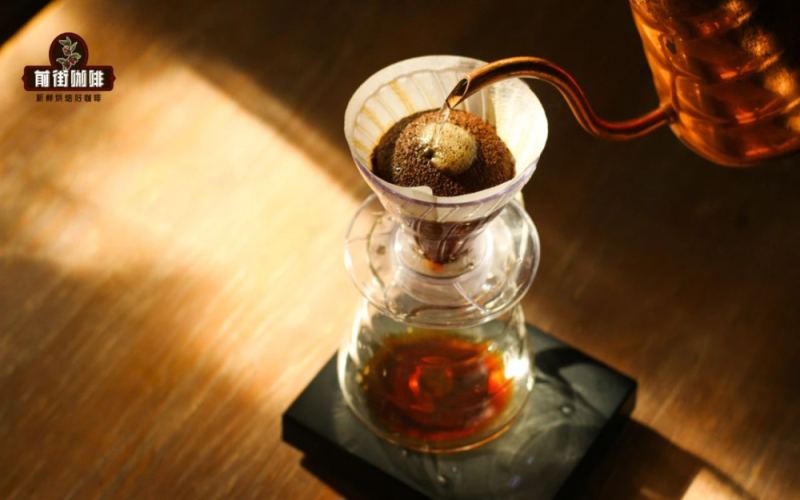
Can You Make a Latte Without an Espresso Machine? A Complete Guide to the Immersion-Style High-Concentration Coffee Extraction Method
Can you make a latte by adding milk to pour-over coffee? Of course you can, but if you simply mix milk with coffee at the strength of a regular pour-over, the result often tastes thin and weak. If you want to enjoy a rich milk coffee without an espresso machine or a moka pot, the key is to first obtain a sufficiently concentrated coffee liquid. In this article, Front Street will share a recently popular "reverse operation" — first soaking and extracting the coffee in a container, then filtering out the grounds with a paper filter, thereby obtaining a high-concentration coffee suitable for making milk coffee. The article will break down in detail the essential difference between this immersion-style extraction and regular pour-over, why making milk coffee requires high concentration, which coffee beans are suitable, and the complete operational steps from coffee-to-water ratio, grind size, stirring rhythm, to milk ratio. [more…]

Why Is Milk Unsuitable for Pour-Over Coffee? Analyzing the Truth of Milk-Brewed Coffee Through Temperature, Concentration, and Flow Rate
Using milk instead of water to brew pour-over coffee sounds like an interesting experiment, but once you actually try it, you'll find that getting a delicious cup of milk coffee is nearly impossible. Front Street Coffee has shared related experiments many times, and the conclusion is always the same: milk is not suitable for brewing coffee. Three core limitations lie behind this—temperature, concentration, and flow rate. Milk can neither maintain a good mouthfeel at high temperatures, nor avoid severely slowing down extraction due to its own high concentration, and it can even turn drip extraction into immersion extraction. This article will break down these limitations one by one and explain why, if you want to extract coffee with milk, immersion is the more viable direction. [more…]
Can Pour-Over Coffee Make a Latte? A Correct Reverse-Brewing Method and Key Points for Extracting Milk Coffee
Recently, a "reverse brewing" method has become popular in the coffee world—first mixing and soaking the coffee grounds and water to complete extraction, then using a paper filter and dripper to filter out the grounds, resulting in a highly concentrated coffee liquid used to make milk coffee. After being asked about this method by customers in-store, Front Street Coffee specifically sorted out the principles and operation of this approach. Strictly speaking, this is no longer "brewing" but immersion extraction, similar to a smart cup or French press. Although it cannot match the concentration of an espresso machine or moka pot, for households without pressure equipment, it is a practical alternative to satisfy a craving for milk coffee. This article will explain why making milk coffee requires high concentration, how to choose beans, and the specific extraction parameters and steps for Front Street Coffee's Strawberry Candy · Geisha Blend. [more…]
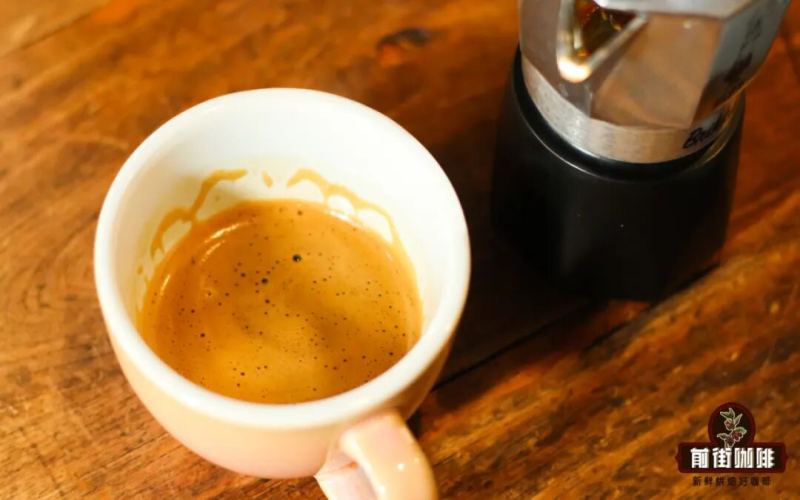
Moka Pot Coffee | How to Make a Latte with a Moka Pot? What Are the Brewing Parameters for Making Milk Coffee with a Moka Pot?
“It can serve as a stand-in for an espresso machine” — this is the reason that convinces many friends to make up their minds to buy a moka pot. Since the moka pot, like an espresso machine, uses pressure extraction, it can produce coffee with a higher concentration than atmospheric-pressure extraction. And the reason many friends need this high concentration [more…]
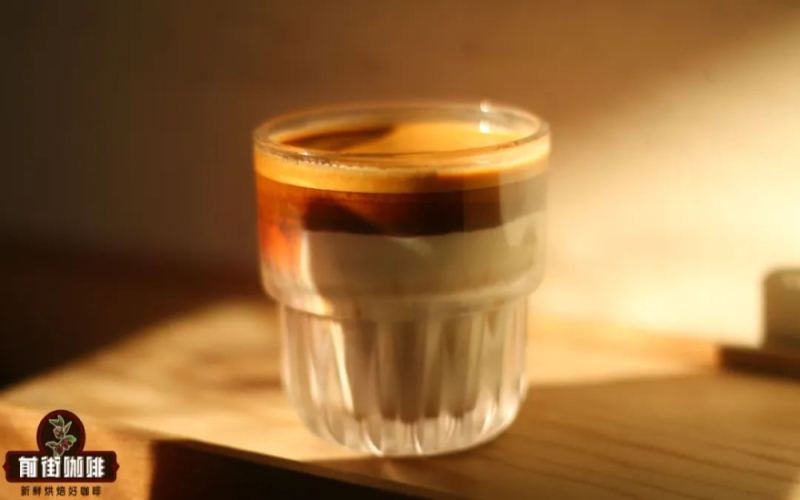
An Analysis of the Differences Between Purified Milk and Regular Milk in Making Milk Coffee: Concentration, Ratios, and a Practical Guide
In the explorations of coffee enthusiasts, purified milk such as IceBock has gradually come into view, bringing a whole new mouthfeel to milk coffee. However, many beginners still use the ratios for regular milk, and as a result the coffee's flavor is masked by the rich milky taste. This article starts from the principles of IceBock, teaches you step by step how to make a "home version" of purified milk, and explains how to adjust the ratio of coffee to milk when using it, so as to balance concentration and enhance sweetness and body. The article also specifically recommends the outstanding performance of purified milk in making a Dirty, and includes practical information about Front Street Coffee to help you easily advance to becoming a milk coffee expert. [more…]
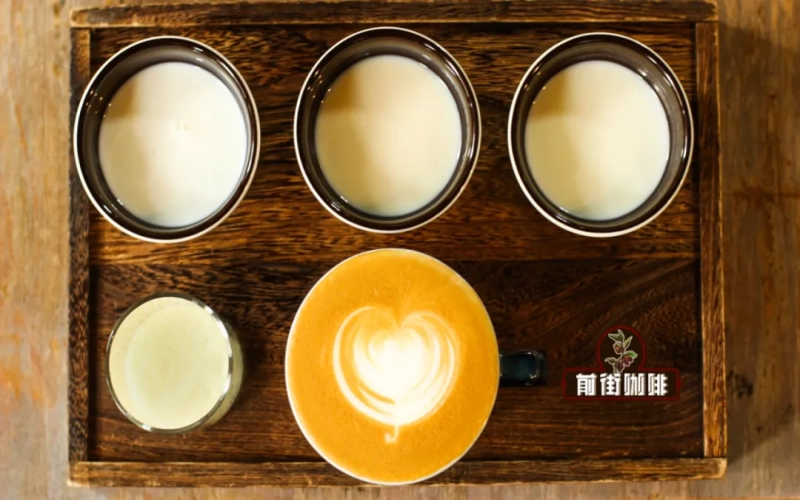
A Complete Analysis of Milk Blending in the Coffee World: Blending Approaches and DIY Methods for Purified Milk and Plant-Based Milk
In coffee drinks, milk is far more than a supporting player; through clever blending, it can make the flavor of milk coffee achieve an effect where 1+1 is greater than 2. Whether adjusting concentration or enhancing sweetness, blended milk gives baristas more flexible creative space. This article, from the perspective of Front Street, systematically sorts out the common milk blending methods in the coffee world, including the freeze-concentration principle of purified milk, the practice of mixing it with fresh milk in proportion to balance concentration, and the basic concept of plant-based milk blending. The article not only explains the purpose of blending, but also provides actionable DIY ideas to help coffee lovers recreate a professional-grade milk coffee experience at home. [more…]
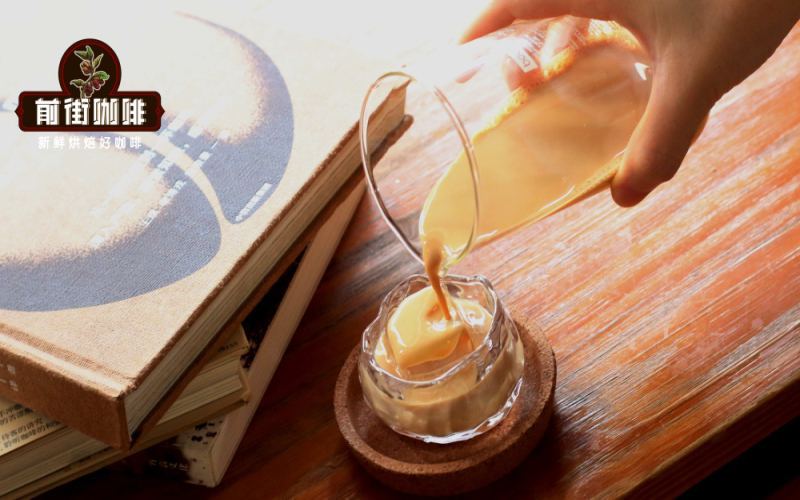
Can Drip Bag Coffee Be Used to Make a Latte? An Analysis of Feasible Methods and Techniques for Making Milk Coffee with Drip Bags
Many coffee enthusiasts with limited equipment want to know whether they can make a delicious milk coffee using drip bags. The essence of a latte lies in the fusion of a highly concentrated coffee base with milk, while drip bags are limited by pre-ground coffee and the drip extraction method, so their concentration is naturally insufficient. But as long as you master the right methods—increasing the amount of coffee powder, reducing the amount of water, and combining this with stirring or microwave heating—you can still make a milk coffee at home that is close to latte flavor. This article will explain in detail, from principles to practice, the complete steps for making highly concentrated coffee with drip bags, and recommend several medium-dark roast drip bag products from Front Street that are suitable for pairing with milk. [more…]
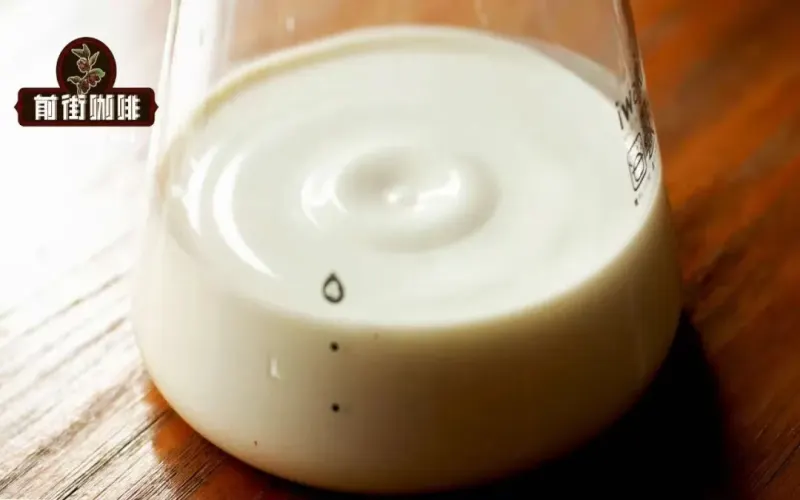
What Is Ice Breaker Purified Milk? A Guide to Making High-Concentration Fresh Milk at Home Using the Freeze Distillation Method for Dirty and Lattes
Front Street Coffee has frequently introduced ice bock—that is, purified milk—recently, and many friends want to know exactly how it differs from milk coffee made with ordinary fresh milk. Simply put, purified milk tastes richer, and its mouthfeel is fuller and more substantial. Besides buying it directly, you can actually easily make it at home: just freeze fresh milk and then thaw it, using the difference in freezing points among the components to remove some of the water, and you get milk with a higher concentration. In this article, Front Street Coffee will share the specific steps for purifying milk, how to judge the degree of purification, and how to adjust the ratios when using it to make milk coffees such as Dirty and latte, along with recommendations for coffee beans that pair well, to help you make a cup of rich yet not cloying purified milk coffee. [more…]
A Guide to Producing Purified Milk: Can Eisbock Be Used for Dirty and Lattes? A Full Analysis of the Freeze-Distillation Purification Method and Ratio Adjustments
Front Street has recently been sharing a lot about ice bock (concentrated milk), and quite a few friends are curious about how it actually differs from milk coffee made with regular fresh milk. Simply put, concentrated milk tastes richer and has a thicker mouthfeel. If you haven't tried it yourself, it's hard to imagine the texture, so you might as well make a cup and experience it. Besides buying ice bock online, you can also make it at home with just two steps: freezing and thawing. In this article, Front Street will break down in detail the principles of the freeze-concentration method, the key operational points, and separately explain the ratio strategies for using concentrated milk to make a Dirty and other milk coffees (such as lattes, flat whites, and cappuccinos)—for a Dirty, you can directly replace it in equal amounts, while for blended milk coffees, you need to adjust the amount of milk to avoid masking the coffee's flavor. It also retains product recommendations such as Front Street's classic blend and Queen's Estate SOE. [more…]
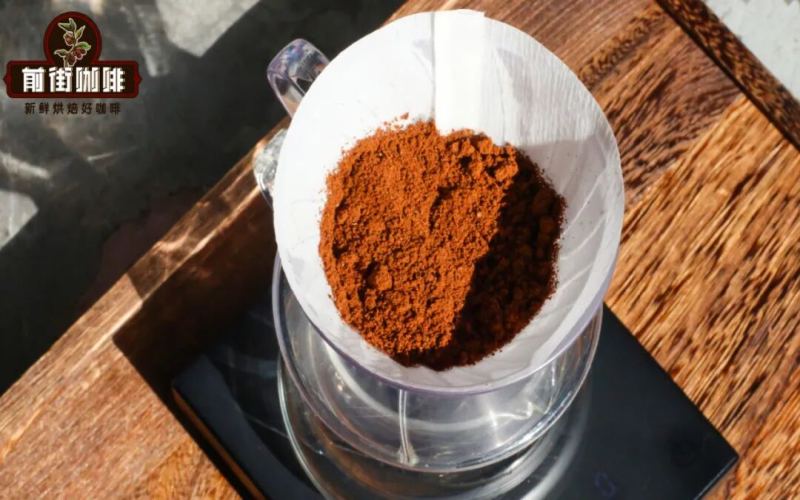
Milk Coffee | How can a coffee novice without a coffee machine make a rich and creamy milk coffee at home? Can you make milk coffee using pour-over coffee?
Sweet, rich, and mellow—these are the three most popular characteristics of latte. The reason a milk coffee can have such a texture is mainly due to the extremely high concentration of espresso. And to achieve such a high concentration in coffee that it won't be diluted by milk, we need to use a very extreme extraction method, therefore [more…]

Can Pour-Over Coffee Be Drunk with Milk? Parameters, Ratios, and Steps for Making Milk Coffee with High-Concentration Pour-Over
Will you get beaten up for adding sugar and milk to pour-over coffee? Behind this internet meme, there's actually a reflection of many people's stereotypes about how coffee should be drunk. This article uses this topic as a starting point to explain that coffee is essentially an everyday beverage, and how you drink it is entirely up to personal preference. It then aims to make milk coffee, sharing how to adjust the coffee-to-water ratio, grind size, and water temperature to extract a more concentrated pour-over coffee using Front Street PWN Golden Mandheling, and then mix it with milk in proportion to ultimately get a smooth, flavorful milk coffee. The article includes complete parameters, brewing steps, and tasting descriptions, making it a useful reference for coffee lovers who want to try making pour-over milk coffee at home. [more…]
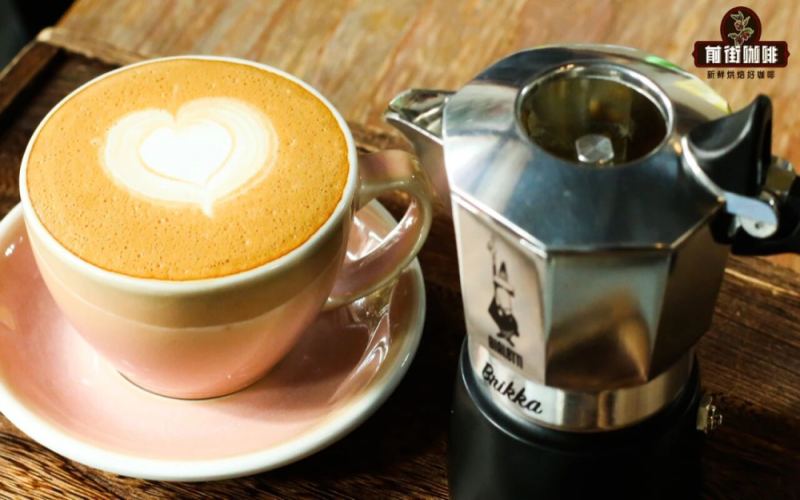
Brewing a Latte with a Moka Pot | How to Make an Americano Latte with a Moka Pot? How to Increase the Strength of Moka Pot Coffee? Moka Pot Usage Tips and Safety Precautions
"It can serve as a substitute for an espresso machine" — this is a reason that convinces many friends to make up their minds to buy a moka pot. Since the moka pot, like an espresso machine, uses pressure extraction, it can produce coffee with a higher concentration than atmospheric pressure extraction. And the reason many friends need this high concentration [more…]
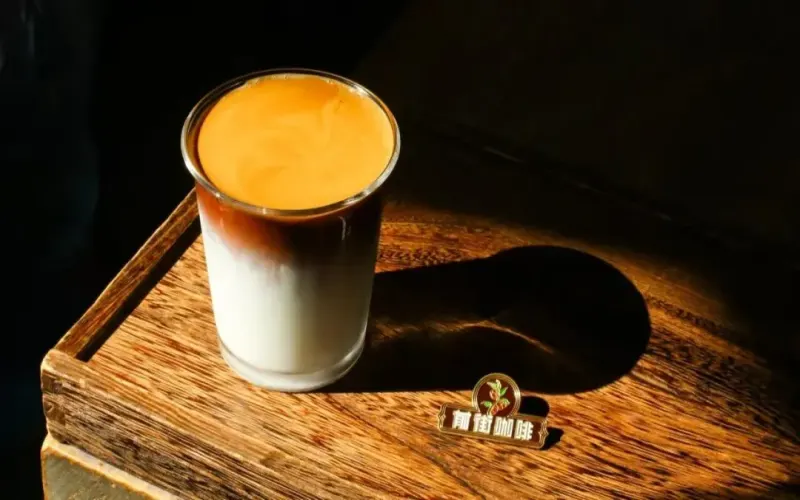
Why Dirty Coffee Layers Are Not Distinct: Causes, Solutions, and Front Street Coffee Espresso Blend Recommendation
Want to make a beautifully layered, richly flavored Dirty coffee, but always end up with the embarrassing situation where the espresso shoots straight into the milk and turns into an iced latte? In fact, the key factors affecting the layering effect are not complicated, mainly including the distance between the espresso outlet and the milk surface, the temperature and concentration of the milk itself, and the extraction quality of the espresso. This article will analyze the common causes of layering failure one by one from these three perspectives, and give specific and feasible adjustment methods, including various operational solutions for shortening the distance, suggestions for using iced milk and a chilled cup, and how to judge whether the espresso concentration meets the standard through extraction time and grind size. At the same time, it will also recommend the types of coffee beans suitable for making Dirty and the specific flavor performance of Front Street Coffee's classic Italian blend, helping coffee lovers consistently produce a cup of Dirty with clear layers and harmonious taste. [more…]

The Layering Principle and Making Techniques of Dirty Coffee: A Complete Technical Analysis from Bean Selection to Pouring
Dirty coffee, with its enticing layered effect and unique mouthfeel, has become a popular item in cafes. But many people who try making it at home often run into the embarrassment of no layering, the coffee sinking to the bottom, or even turning into a milk-tea color. This article starts from the physical principles, breaks down the differences between a Dirty and an iced latte, and explains in detail how to make a Dirty coffee with clear layers and a natural gradient by controlling the three key elements: temperature, concentration, and impact force. The article also includes Front Street Coffee's practical details on bean selection, cup choice, and milk ratios, helping you master the essentials in one go. [more…]
Can Pour-Over Coffee Also Make Milk Coffee? A Complete Guide to Pairing a High-Extraction Pour-Over Base with Milk
When it comes to combining pour-over coffee with milk, most people think of café au lait, but café au lait has a relatively low coffee concentration, and its flavor is easily diluted once milk is added, making it clearly different from an espresso-based latte. Front Street Coffee recently noticed a shop-visit video by a well-known Korean coffee blogger, in which a champion barista used a pour-over method to make a milk coffee with excellent flavor and mouthfeel. This article will focus on the extraction logic of espresso and share how to obtain a very high-concentration pour-over coffee as a base by adjusting the coffee-to-water ratio, grind size, water temperature, and stirring technique, then add milk in an appropriate ratio to create a drink that comes infinitely close to a latte. It will also recommend medium-dark roasted beans suitable for pairing with milk and specific Front Street Coffee products, and include complete brewing parameters and operating steps. [more…]
Feasibility and Practical Ratio Analysis of Using Milk Powder Instead of Milk to Make Lattes and Espresso Milk Coffee
Not every coffee lover owns an espresso machine or a moka pot, but wanting to drink a rich, smooth milk coffee doesn't have to be difficult. This article centers on the common question "Can milk powder be used instead of milk to make a latte," and, drawing on Front Street Coffee's practical experience, systematically sorts out the key operating points, ratio suggestions, and precautions for using milk powder in two scenarios: low-concentration black coffee brewed by pour-over and espresso. The article not only explains the principle of reconstituting milk powder into milk, but also gives specific references for powder amount, water temperature, and ratio, and recommends the Front Street Boundary Estate · Sidra coffee beans suitable for making milk coffee. Whether you want to simply experience the fun of using milk powder to make milk coffee, or try using milk powder to steam milk foam for latte art, you can find an executable solution here. [more…]
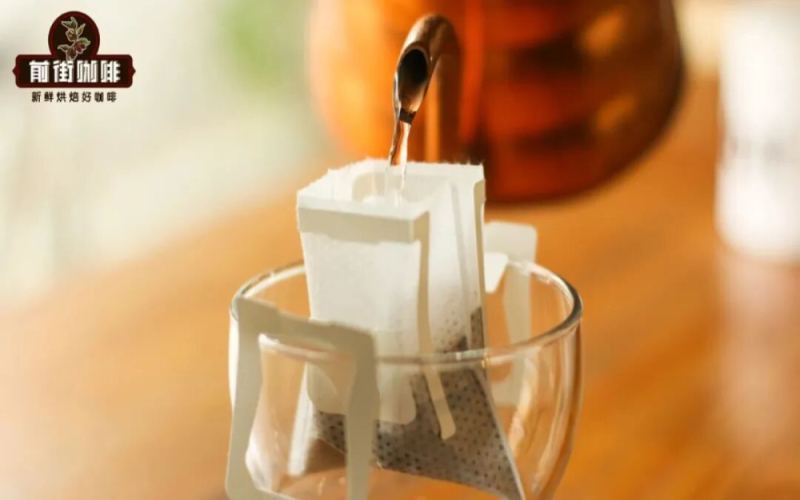
Can Drip Bag Coffee Brew a Latte-Like Flavor? Four Detailed Homemade Methods to Increase Concentration
Many people only have drip bags on hand but want to drink a latte with a milky aroma—is this actually possible? The black coffee brewed from a drip bag is far less concentrated than espresso, and adding milk directly tends to make it weak and separated. But drip bags originate from pour-over, which is highly versatile; as long as you find a way to increase the concentration of the coffee liquid, you can make a decent-tasting "fake latte." This article compiles four practical methods summarized by Front Street Coffee: the stirring method, the repeated brewing method, the milk brewing method, and the added milk powder method, and recommends medium-to-dark roast beans suitable for pairing with milk, such as Indonesian Mandheling, Colombian Huila, Queen's Estate, Cerrado, and Blue Mountain No. 1. Whether at home, in the office, or camping, you can achieve a rich and smooth milk coffee experience with simple steps. [more…]
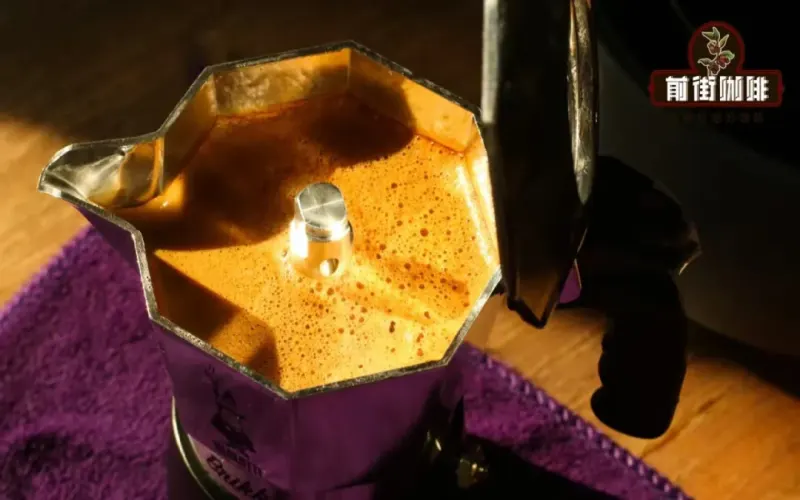
Moka Pot Can Also Make Standard Espresso-Based Drinks: Espresso Enhancement Tips and Floral Coffee Bean Recommendations
The moka pot uses pressurized extraction, and its principle is the same as that of an espresso machine. Therefore, it can make black coffee with a concentration close to espresso, and is regarded by many people as a home alternative to an espresso machine. On this basis, it can then be used to recreate Americano, latte, mocha, and other specialty coffee drinks. However, the pressure of a moka pot is limited, and the coffee concentration is only close to espresso. When milk is added directly, the result often tastes too watery, so the key is to increase the concentration of the coffee itself. This article will explain why it is necessary to increase the coffee-to-water ratio and extraction efficiency, and will provide adjustment directions such as grind size, coffee dose, and heat level. It will also recommend coffee beans with floral and fruity notes that are suitable for the moka pot, and finally use Golden Mandheling as an example to fully demonstrate the production process and parameters for a cup of moka pot latte. [more…]

Can You Make Rich Milk Coffee Without an Espresso Machine? The Golden Ratio for Pour-Over with Milk and a Full Step-by-Step Guide
Want to enjoy a rich, mellow glass of milk coffee but don't have an espresso machine at home? In fact, with pour-over methods combined with a few key techniques, you can also make a milk coffee that comes close to the texture of a latte. This article breaks down in detail how to use ultra-fine grinding, high water temperature, long extraction time, and stirring assistance to obtain a highly concentrated coffee liquid under pressure-free conditions, and provides the golden ratio of coffee to milk. The article also recommends the Front Street series coffee beans suitable for home use, and uses Hacienda La Esperanza Geisha as an example to fully demonstrate the entire process from parameter setting to the milk-mixing ratio, helping you easily achieve milk coffee freedom. [more…]

LATTE DIRTY COFFEE DRINKING METHOD | How can you make the layers in a Dirty coffee clearly distinct? What are the key points for making a delicious Dirty coffee?
What we usually call a Dirty coffee is nothing more than taking a glass, filling it with milk, then placing it under the espresso machine's brew head and letting the espresso slowly flow into the glass, so that the coffee floats on top of the milk, forming a beautiful layer, and then as time passes, the coffee on top slowly seeps into the pure white milk. [more…]