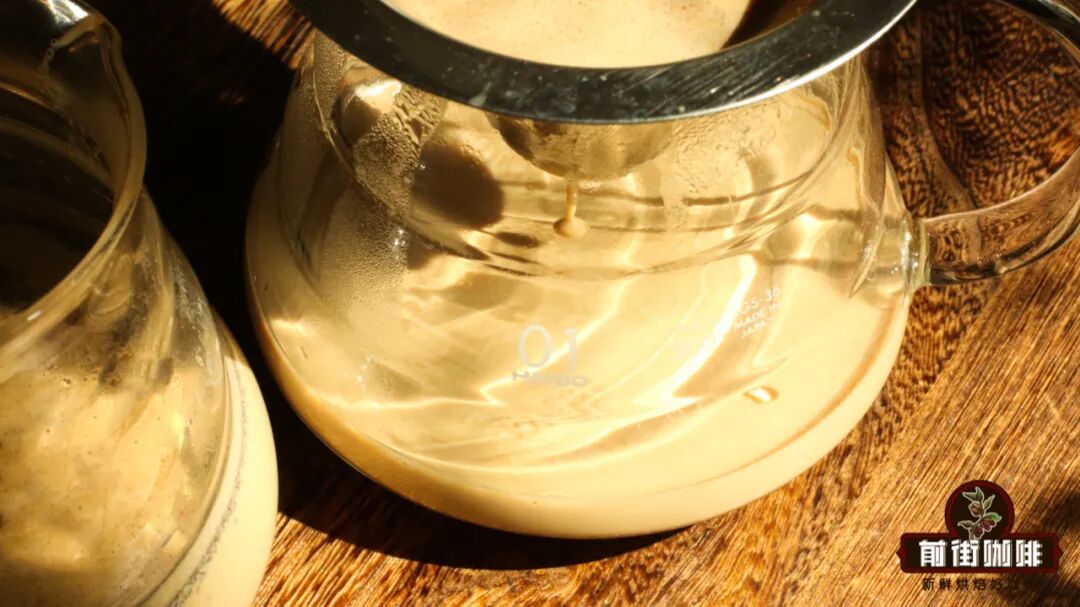
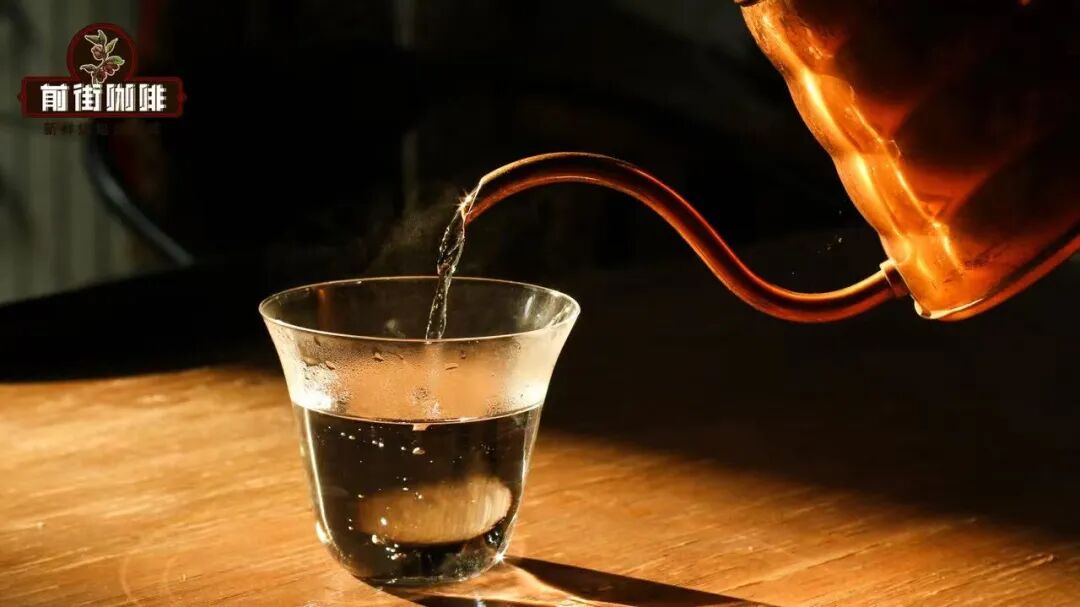
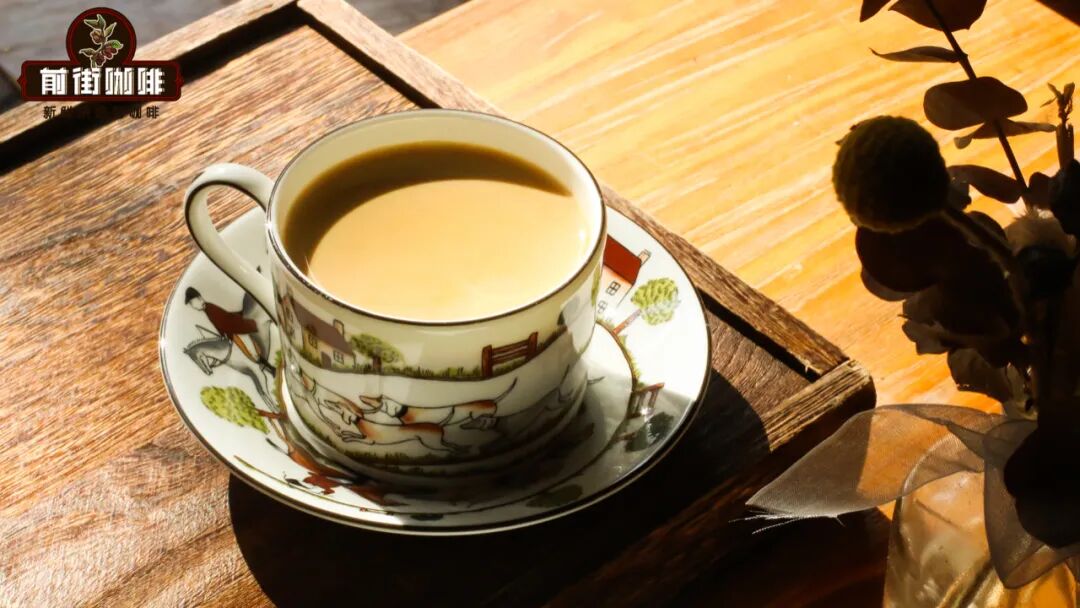
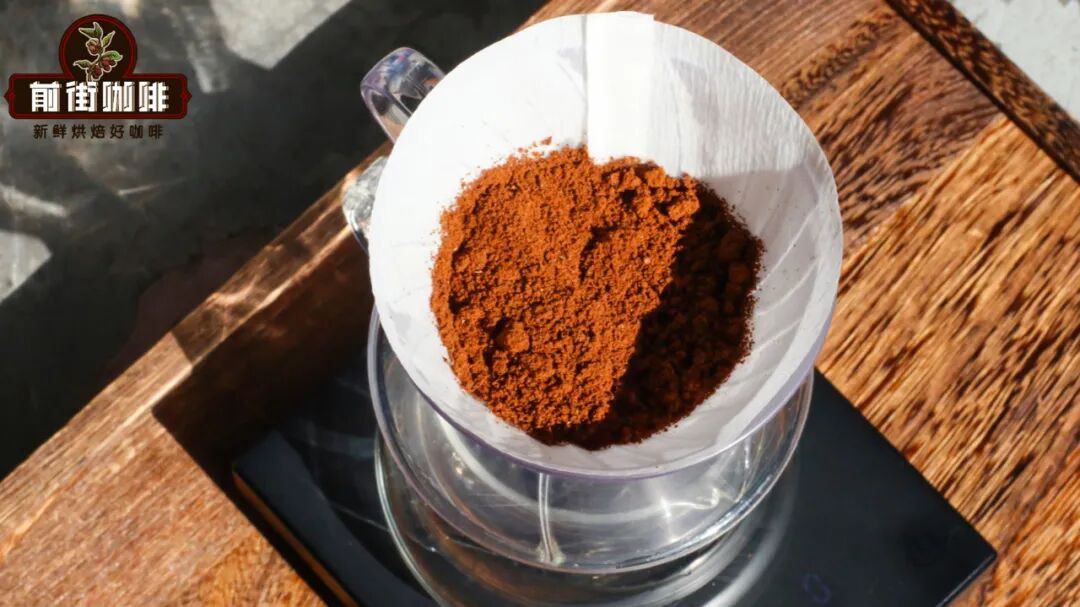
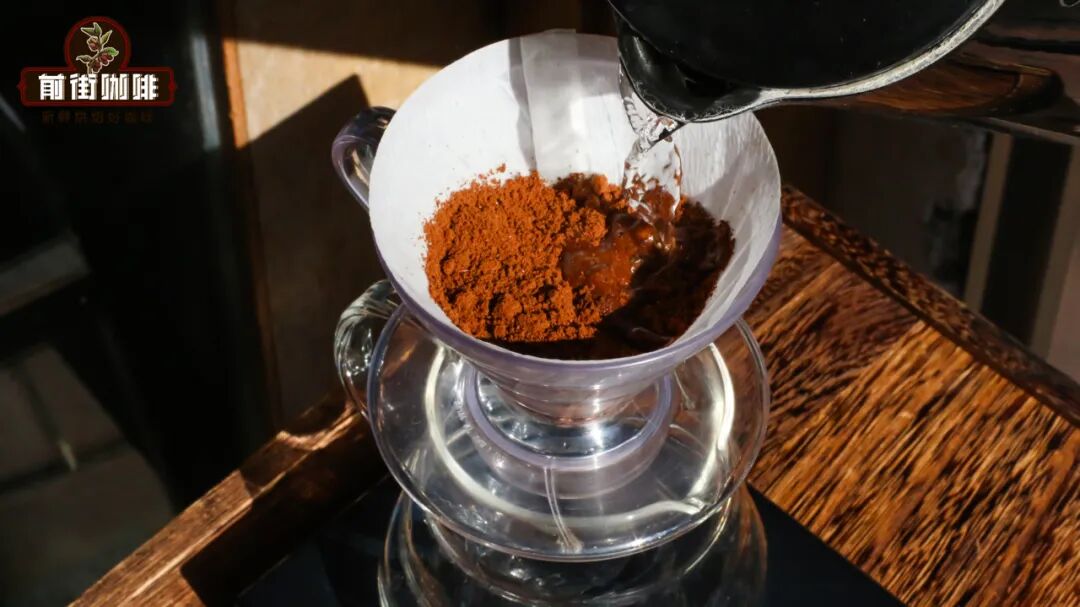
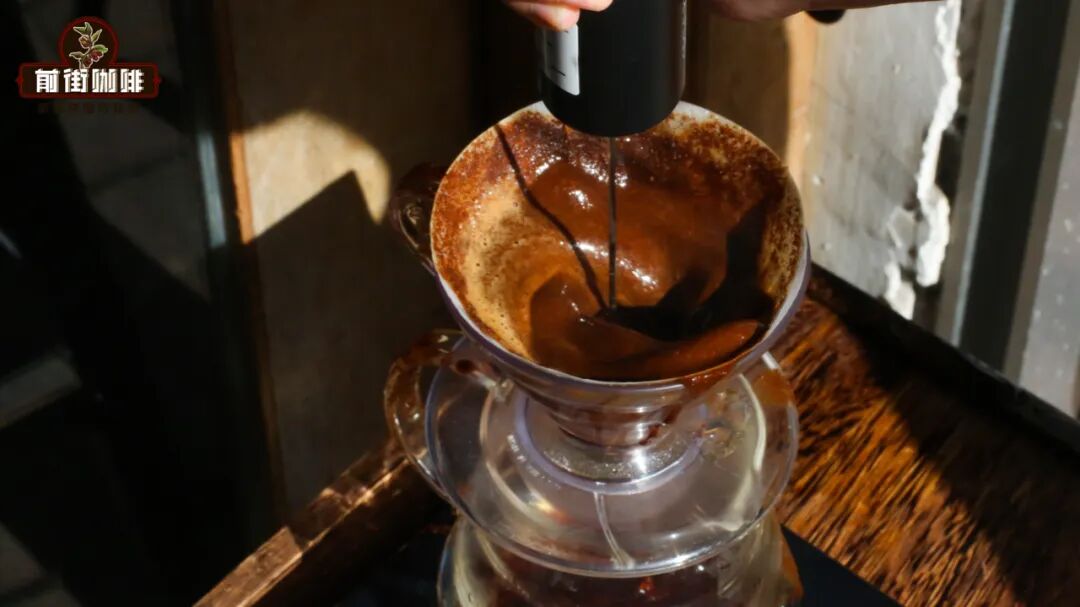
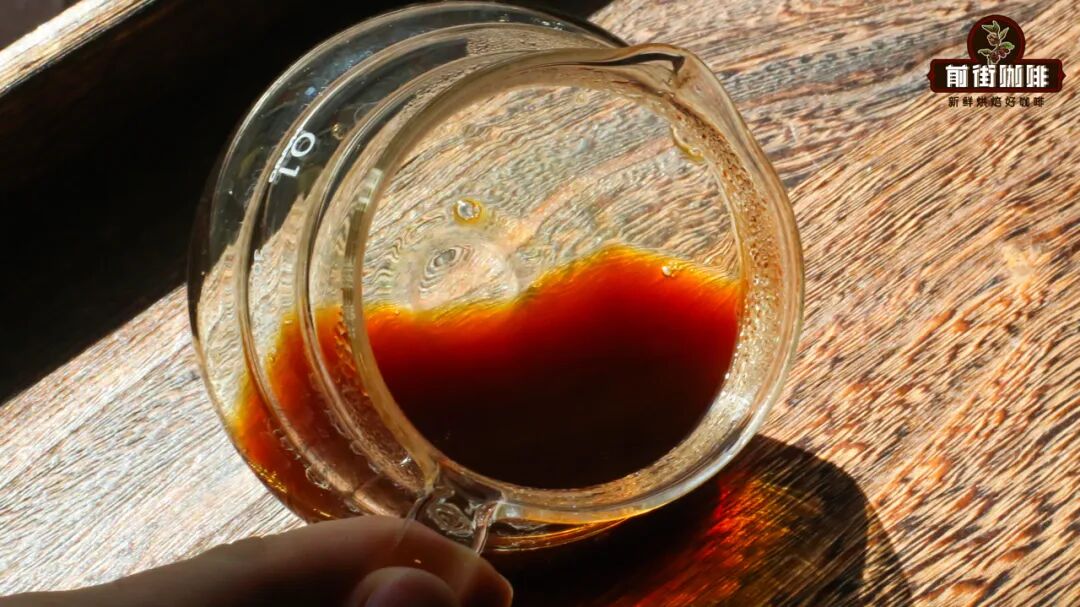
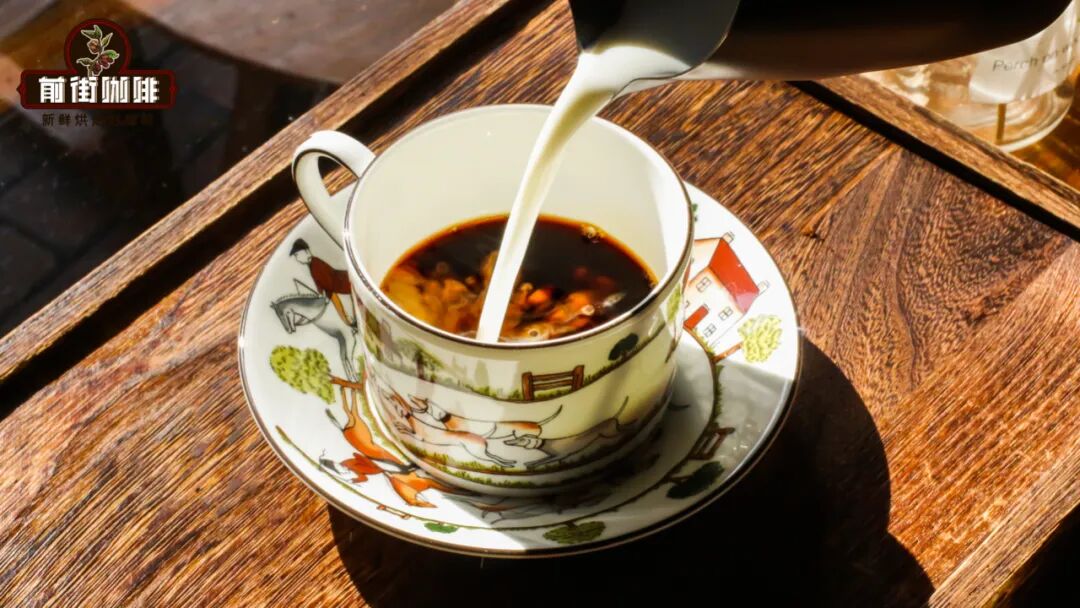
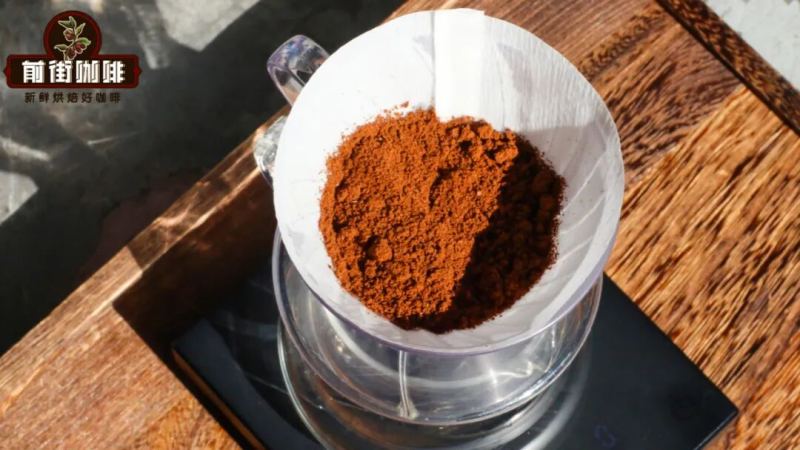
Sweet, rich, and mellow—these are the three most popular characteristics of latte. The reason a milk coffee can have such a texture is mainly thanks to the extremely high concentration of espresso. To achieve such a high concentration in coffee that isn't diluted by milk, we need to use very extreme extraction methods, which is why espresso machines incorporate pressure to assist.A good-performance espresso machine is not cheap, and not everyone will equip a coffee machine at home just for a latte—nor is it necessary. So we can see online that people have invented many alternative solutions to make a rich and delicious milk coffee, all for the purpose of satisfying their craving when they want one! For example, the milk brew that Front Street Coffee often shares is one of many solutions.As Front Street Coffee said, there are many other solutions besides this one, and we can choose different methods to make milk coffee according to different situations. So next, Front Street Coffee is going to share another very simple and relatively widely applicable way to make a rich and fragrant milk coffee~How to make a rich and mellow milk coffee without a coffee machine?The reason milk coffee in the espresso system can achieve a rich taste and a non-thin mouthfeel is mainly thanks to the extremely high concentration of espresso. If we want to make milk coffee with a similar texture through other methods, we first need to obtain a high-concentration coffee.So-called high-concentration coffee refers to water containing more dissolved coffee solids per unit volume. Therefore, to make a high-concentration coffee, we need to use a very small amount of water to extract more flavor substances.But without the support of pressure, a tiny amount of water makes it difficult for the coffee to achieve complete extraction. For this reason, we need to use relatively extreme parameters to increase extraction efficiency: ultra-fine grinding, ultra-high water temperature, and ultra-long extraction time are what Front Street Coffee calls extreme parameters. However, these alone are far from enough to extract a sufficient amount of substances from the coffee, because the amount of water is simply too small! We need to find other ways to replace pressure and dissolve a large amount of flavor substances from the coffee. And "stirring" is the most suitable "candidate."Through stirring, we can quickly press out the flavor substances from the coffee, allowing a small amount of hot water to extract a large amount of flavor substances, and then combine it with other extreme parameters to obtain a relatively high-concentration espresso. In the end, as long as you add milk in an appropriate ratio, you can make a rich and fragrant milk coffee!Talking more is useless; next, Front Street Coffee will share the specific steps! But note that milk coffee made this way can only approach the texture of latte, not equal it. The mouthfeel and taste will not be as outstanding as latte, because the extraction yield is not high! However, it still has a unique charm of its own~Because Front Street Coffee wants to drink a milk coffee with floral and fruity notes this time, the coffee beans used in this sharing are Front Street Coffee Hacienda La Esperanza · Geisha from the bean list. It comes from Colombia and has flavor notes of rose, grape, and black tea.In terms of parameters, Front Street Coffee used the same coffee-to-water ratio as for extracting espresso—1:4, which converts to a coffee-to-liquid ratio of 1:2; the water temperature is 100°C, and the water is used directly after being boiled; the grind size is the finest 0 setting on the Ek43, close to espresso grind, with a flour-like particle size. Then you need to prepare any tool for stirring~This method is relatively widely applicable. Whether your tool is a Clever Cup, a drip filter, or an AeroPress, you can use this method to make it. For this demonstration, Front Street Coffee chose a drip filter. First is still the usual preparatory work: fold the filter paper, wet the filter paper, then pour the coffee grounds into the dripper, and you can start making the coffee.The amount of coffee used by Front Street Coffee this time is 20g, so the hot water to pour in is 80ml! We split the target water amount into two pours. First, pour in 20ml of hot water to wet the coffee grounds and let them degas, then immediately take out the stirring tool and stir!Stir for about 10 seconds and then stop. Next, pour in all the remaining hot water, then take out the stirring tool again and stir. Stop stirring after about 30 seconds. Next,all you need to do is wait for all the coffee liquid to drip through, and the coffee is ready.(A small dripper is not recommended—cleaning it up is a mess)As you can see from the picture below, the coffee concentration is very high, and the liquid color is very dark. But even so, Front Street Coffee still needs to emphasize that its concentration is still not as high as espresso.Next, we need to add milk! Since this Geisha used by Front Street Coffee is a medium-light roast and a regular honey process, its flavor will not be as prominent as dark-roasted or anaerobically processed coffee, so we need to appropriately reduce the amount of milk used to prevent the milk's flavor from masking the coffee's flavor. After several experiments by Front Street Coffee, the optimal golden ratio was finally determined to be 1:2.5. Converted, that means 40ml of coffee needs 100ml of milk.(If using anaerobically processed or dark-roasted coffee beans, the ratio can be increased a bit)The milk coffee made this way is overall fragrant, rich, and smooth. You can not only taste the coffee's flavor, but also enjoy a silky and mellow mouthfeel. It is not bland or thin at all—very good~Although overall it is not as good as espresso-based milk coffee, compared with other methods, its performance is already very outstanding~ The above content is compiled by CoffeeHunters, a coffee news website.