








What Is Coffee Blending and How Do Baristas Do It?
Coffee blending here means combining milk sources so the result is more than a simple sum: a stronger concentration, a sweeter taste, or a clearer layering in drinks like Dirty. Common methods include freeze-distilled purified milk mixed with fresh milk in set proportions, plus plant-based milk blends that baristas adjust to the goal they want.
Purified milk is made by freezing milk overnight and thawing it; because lactose, protein, and fat melt before water, collecting the early and middle liquid leaves a higher concentration. Shops once bought ready-made purified milk instead. Home mixing coffee with milk follows the same idea: pick sources and ratios based on the concentration or sweetness you are after.
In coffee drinks, milk plays a role far beyond that of a supporting actor. Through clever blending, the flavor of milk coffee can achieve an effect where one plus one is greater than two. Whether adjusting concentration or enhancing sweetness, blended milk provides baristas with more flexible creative space. This article, from the perspective of Front Street, systematically sorts out the common milk blending methods in the coffee world, including the freeze-distillation principle of purified milk, the practice of mixing it with fresh milk in proportion to balance concentration, and the basic concept of plant-based milk blending. The article not only explains the purpose of blending but also provides actionable DIY ideas to help coffee enthusiasts recreate a professional-level milk coffee experience at home.

Milk blending is not random mixing; its starting point is likewise to make the overall effect exceed a simple sum. For example, blended milk may achieve a more ideal concentration or present a more prominent sweetness. Which milk sources to choose and in what proportions to combine them depends on the goal the blender wants to achieve.
Today, Front Street will talk with everyone about the common "milk blending" methods in the coffee field.
I. Blending Ideas for Purified Milk
In recent years, Dirty coffee became rapidly popular, and it also boosted a type of dairy product—highly concentrated purified milk. Because its concentration far exceeds ordinary fresh milk, its mouthfeel and flavor are more prominent. A Dirty made with purified milk not only has a clearer visual layering effect, but the drinking experience is also more distinctive.
The method for making purified milk is actually not complicated. The most common way is freeze distillation. Put milk in the freezer, then take it out the next day to thaw. Because components such as lactose, protein, and fat thaw earlier than water, collecting only the liquid from the early and middle stages of the frozen milk's melting process yields milk with a higher concentration.

Although the operation is simple, in the early days of Dirty's popularity, this method was not yet widely known, or making it in large batches was rather troublesome, so most businesses at the time chose to directly purchase purified milk products on the market. At that time, the purified milk sold was often especially high in concentration and was not suitable for making all types of milk coffee, as it easily overpowered the coffee's own flavor or made the finished product seem too heavy. Thus, in order to dilute the purified milk to a level that would not affect the final product, many businesses adopted blending.
Mixing purified milk with fresh milk at a 1:1 ratio yields a milk liquid that is higher in concentration than ordinary fresh milk but not excessively strong. Coffee made with it not only has more obvious sweetness, but its body and smoothness are also improved. It can be seen that the purpose of blending here is to dilute or adjust the concentration of the milk.
II. Blending of Plant-Based Milk
As everyone knows, plant-based milk does not belong to dairy products. It is a grain beverage made from plant seeds (or fruits) rich in protein and fat together with water as the base. Because the finished product looks similar to milk, it is given the name "milk."

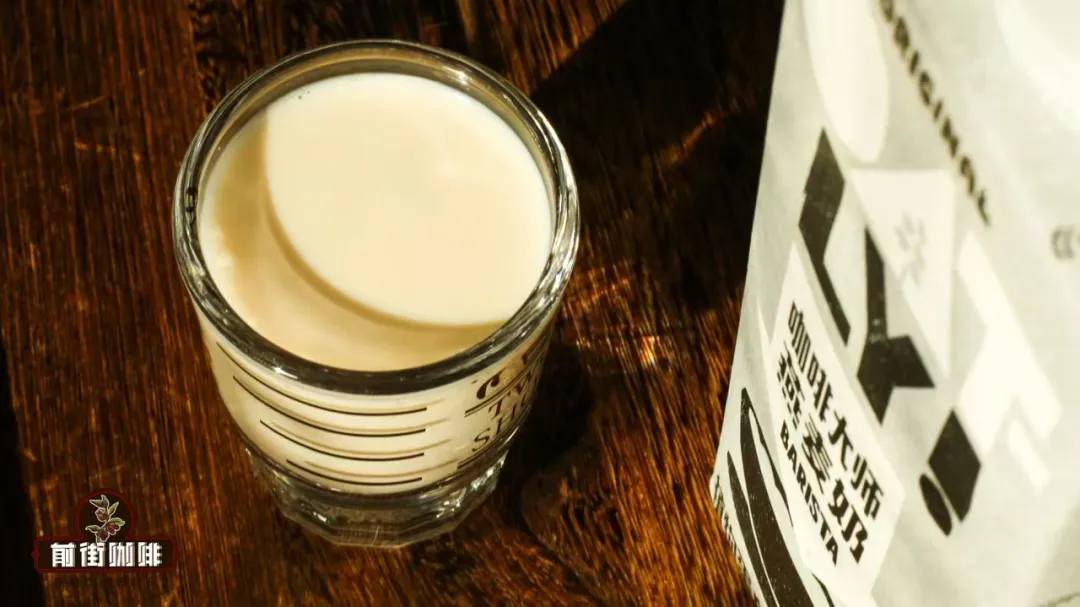


The above content is compiled by CoffeeHunters, a coffee news website.


