







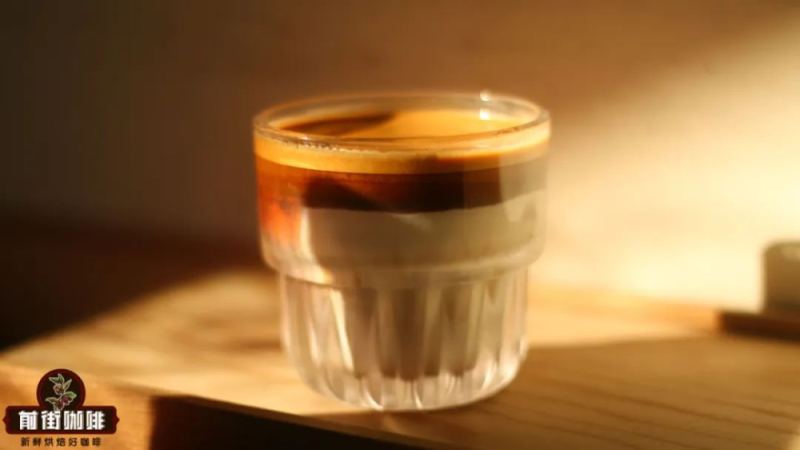
What milk to coffee ratio latte drinks need with purified milk?
Purified milk such as IceBock is more concentrated than regular milk, so the usual ratios leave the coffee flavor hidden behind a heavy milky taste. The milk-to-coffee ratio needs to be adjusted toward less milk or a stronger coffee base to keep the cup balanced and bring out sweetness and body.
IceBock borrows the Eisbock idea of freezing and separating: water in milk freezes near 0 degrees Celsius before protein and fat, so the portion that thaws first is richer. A homemade version follows the same freeze-and-drain method. The concentrated result also works well in a Dirty, where the milk-to-coffee ratio is set for a clear layered look.
In the explorations of coffee enthusiasts, purified milk such as IceBock has gradually come into view, bringing a whole new mouthfeel to milk coffee. However, many beginners still use the ratios for ordinary milk, and as a result, the coffee flavor is masked by the rich milky taste. This article starts with the principles of IceBock, teaches you step by step how to make a "homemade version" of purified milk at home, and explains how the ratio of coffee to milk should be adjusted when using it, so as to balance concentration and enhance sweetness and body. It also especially recommends the outstanding performance of purified milk in making Dirty, and includes practical information for Front Street Coffee to help you easily advance to become a milk coffee expert.
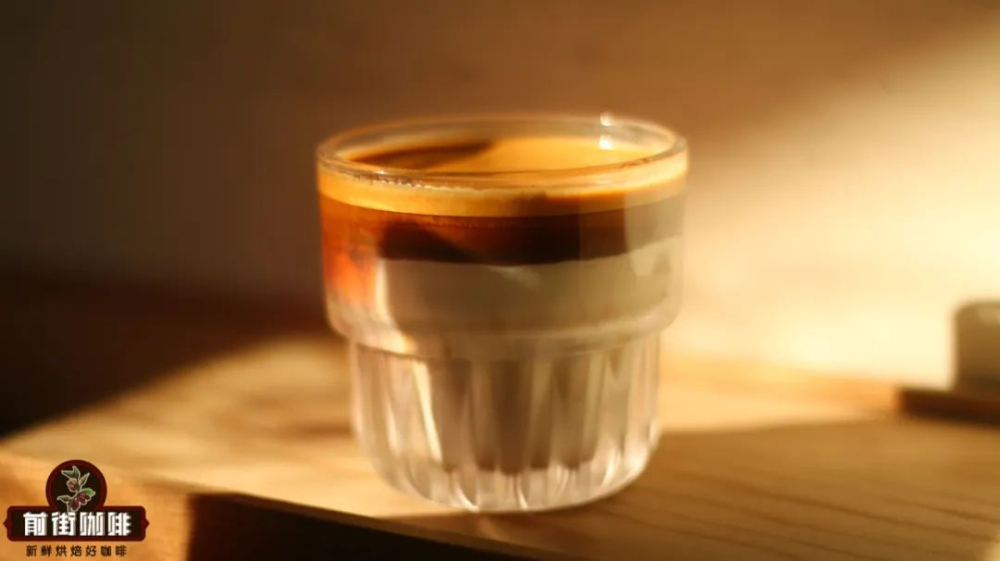
However, many friends who are just getting into coffee still use their old ratios to make milk coffee when using this kind of new-style dairy product, and the final result is often completely overpowered by the milky flavor. The first two kinds of milk are fine, but IceBock often becomes the high-incidence area for this kind of "failed attempt" case. So, when using IceBock to make milk coffee, exactly what ratio should be used?
Wait, if you do not have IceBock on hand, do not worry—we can start with the making of "homemade IceBock," that is, "purified milk"!
The principles of IceBock
The IceBock sold on the market is a purified milk launched by the BIRU brand. The name "IceBock" is a transliteration of the German word "Eisbock," originally meaning "ice bock," and it is known as the uncrowned king in the German beer world. It uses the difference in freezing points between alcohol and water to obtain a more concentrated liquid, and IceBock milk borrows exactly this idea.
The freezing point of water in milk is 0°C, while the freezing points of other components such as protein and fat are lower than that of water. So, when you put a bottle of milk into a freezer at minus 20°C, the water will freeze first, and the other substances will freeze afterward.
Because water takes longer to freeze, the ice structure it forms is also firmer, so during thawing it will be slower than the other components. Therefore, as long as you collect the portion that thaws and flows out first and discard the water that has not yet melted, you can obtain purified milk.
How to make "homemade IceBock"
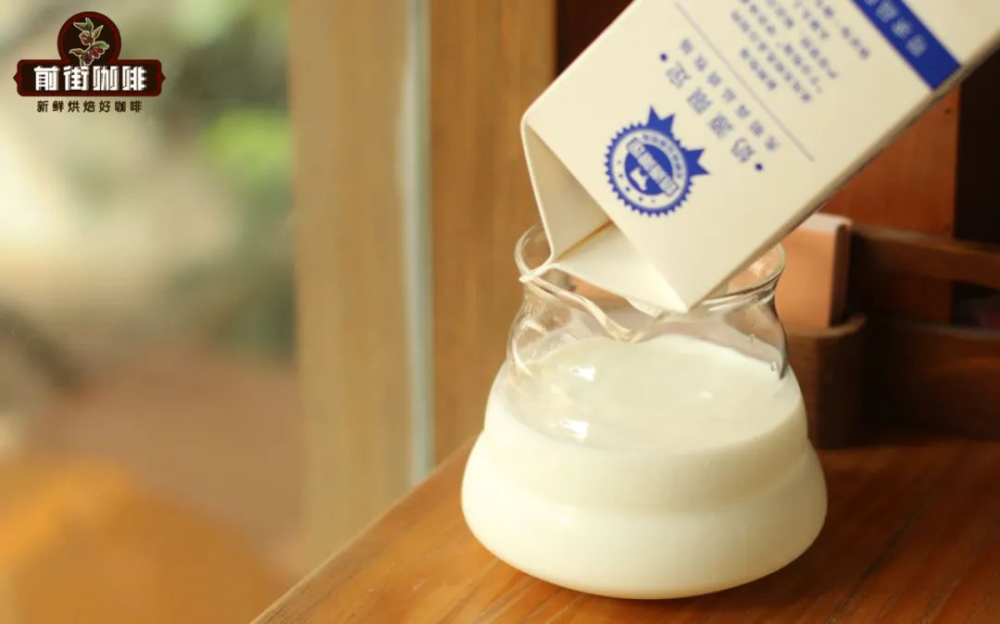
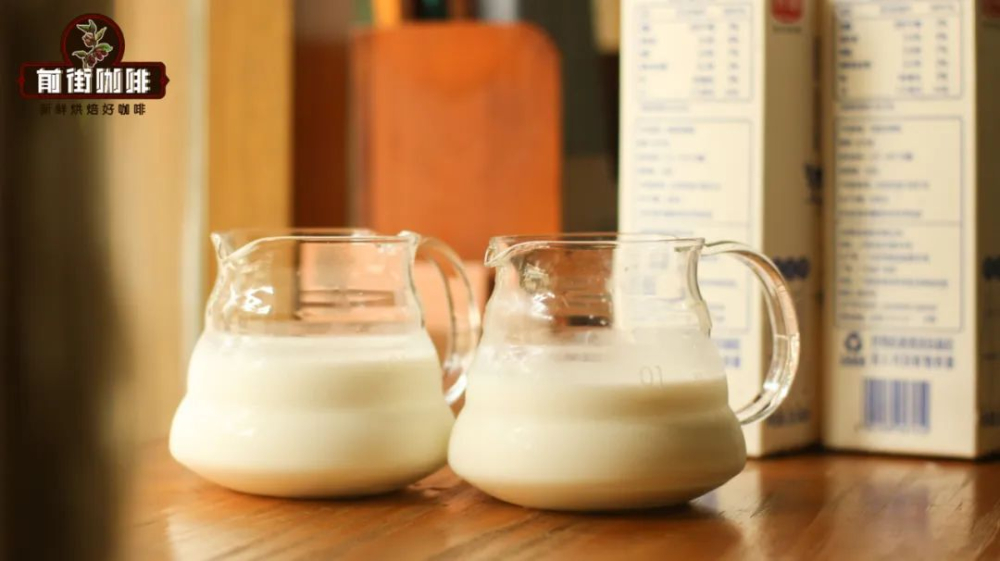
It is simpler to do than you might imagine: put a bottle of milk in the freezer and freeze it overnight, take it out the next day, place it upside down over any container at room temperature, and let it drip naturally. Stop when the amount dripped reaches 40% of the total volume of the milk. If you prefer a less rich taste, you can extend the dripping time and wait until 50% has dripped before removing it.
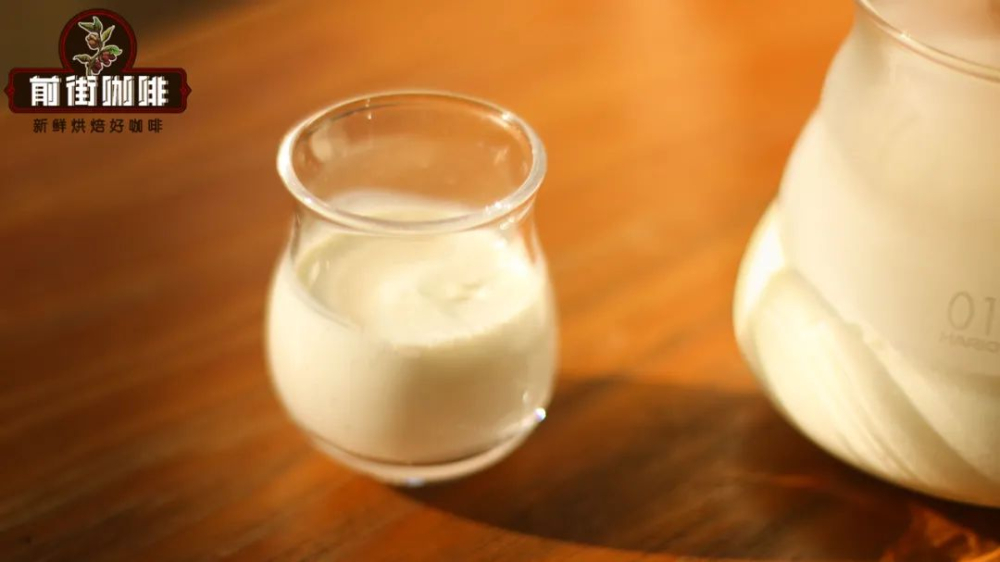
In this way, you get a "homemade version" of IceBock. The reason it is called a "homemade version" is that its concentration is only about half that of BIRU IceBock, making it more suitable for us to use when making milk coffee at home.
What should be noted when using purified milk?
After milk is purified, its concentration clearly rises to another level. Milk coffee made with it has a more prominent sweetness and a richer mouthfeel. But if you still mix it according to the original ratio, the taste of the coffee will inevitably be covered by the milky flavor. Therefore, when making it, you need to appropriately adjust the ratio of coffee to milk so that the concentration of the two is balanced and they do not mask each other.
For example, the milk-to-coffee ratio commonly used for making lattes is 5:1 (200ml milk with 40ml coffee liquid). Then after switching to purified milk, you can increase the espresso ratio to 10:3 (200ml milk with 55ml coffee liquid), or reduce the milk to 4:1 (160ml milk with 40ml coffee liquid). In this way, you can maintain the mouthfeel, increase the concentration, and still keep either side from overpowering the other.
By the way, purified milk is best suited for making Dirty! Because the high-concentration milk has a higher lactose content, its sweetness is naturally fuller, and since it is very dense, the overall sip is smoother and richer. Moreover, it is enough to support the espresso floating on the surface, and the layering effect can also last longer.
Front Street Coffee (FrontStreet Coffee)
No. 10, Bao'an Qian Street, Yandun Road, Dongshankou, Yuexiu District, Guangzhou, Guangdong Province
The above content is compiled by CoffeeHunters, a coffee news website.


