








Why Does Cold Brew Coffee Taste Like Alcohol?
Cold brew is made by steeping ground coffee in cold water, usually for 12 hours, or 24 to 48 hours for a heavier body, then filtering out the grounds. The low temperature and long extraction reduce bitterness and create a smooth, fermented character. That is why does coffee taste like alcohol: prolonged steeping develops fermented, wine-like notes.
Because cold brew coffee tastes like alcohol grows more pronounced the longer it sits in the fridge, the flavor changes day by day, and drinking it within three to four days is recommended. The guide covers ratios, bean choices by origin and processing, and three recipes that add sparkling water, milk, or alcohol.
Cold brew coffee, thanks to its low-temperature slow extraction process, presents a smoother, less bitter taste than hot extraction, making it the most convenient coffee choice in a busy life. This article provides a detailed analysis of the definition, flavor characteristics, and brewing ratios of cold brew coffee, and recommends suitable coffee beans for cold brew based on different origins and processing methods, including Front Street Coffee's Yirgacheffe Gutingting, Honduras Sherry and Lychee Orchid, Panama Butterfly, and more. In addition, it shares three creative specialty recipes—adding sparkling water, adding milk, and adding alcohol—to help you find the cold brew solution that best suits your taste.
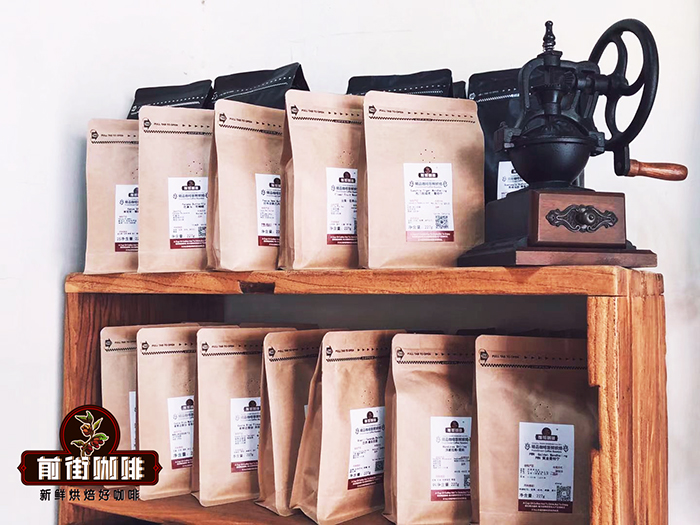
Nowadays, cold brew coffee is becoming increasingly popular. When life is fast-paced, there's not even time to go out and buy a cup of coffee, and cold brew happens to be the easiest way to get your coffee fix. Its cool, fermented flavor makes you feel completely refreshed with just one sip, and it's something you'll crave even in autumn and winter. Preparing the materials takes only a few minutes—put it in the fridge and enjoy it the next day. More importantly, if you can't finish it, you can seal it and put it back in the refrigerator to keep. However, note that the longer cold brew stays in the fridge, the more pronounced the fermented flavor becomes, so the taste you experience each day will vary. Front Street recommends drinking it within 3 to 4 days.
What exactly is cold brew coffee?
Cold brew coffee is called Cold Brew Coffee in English. The method is to put ground coffee into a dedicated container, pour in cold water at a certain ratio, then place it in the refrigerator. It usually takes 12 hours. If you want a heavier body, you can extend it to 24 to 48 hours. After soaking, filter out the coffee grounds, and the remaining liquid is cold brew coffee.
Low temperature and long extraction time are the two major characteristics that distinguish cold brew from other methods. Compared with hot extraction, its flavor is more intense and concentrated, bitterness is noticeably reduced, and it goes down more smoothly. It sounds like a lot of work, but it's actually much easier than you'd imagine. Simply put: coffee grounds soaked in cold water—leave in the fridge overnight—filter out the grounds—done. To put it poetically, "What you're drinking isn't just a cup of coffee, but a long wait."
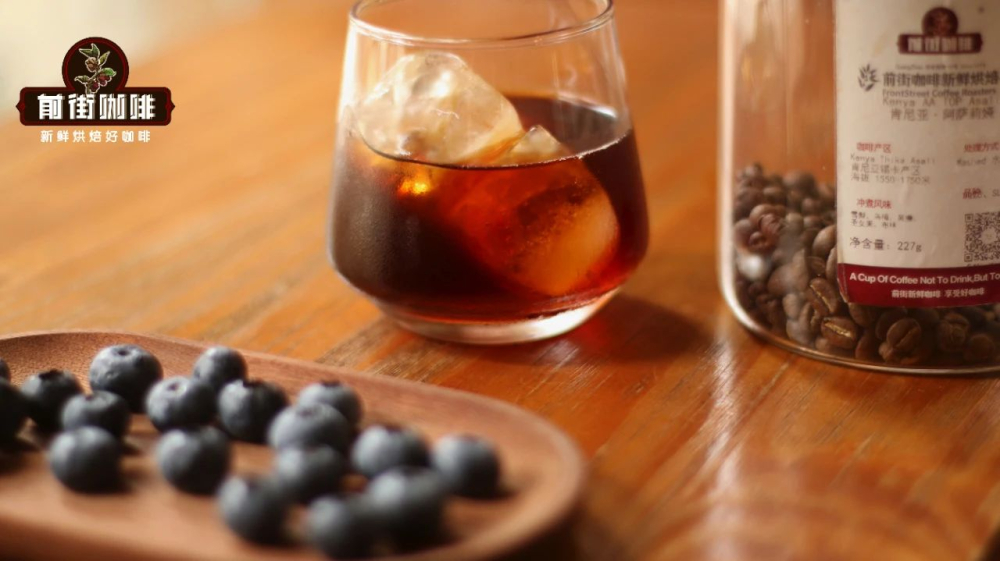
Flavor Characteristics of Cold Brew Coffee
Cold brew is made entirely in a low-temperature environment, with water and coffee grounds in contact for a long time, so only small-molecule flavor compounds can be dissolved out. In other words, small molecules like fruit acids and floral notes are more easily extracted into the water, while larger-molecule flavors like smoky and roasted notes are difficult to extract. Because of this, cold brew coffee has relatively low acidity and astringency, making it naturally more approachable.
What coffee beans should you choose for cold brew?
Front Street recommends trying beans that are natural, washed, or specially processed. The reason is simple: cold brew made from these beans has more distinctive character and more pleasing sweetness.
African beans are known for their intense floral aromas and alluring fruit acids—lively and delightful acidity—but their body tends to be thin. American beans have more balanced flavors; for example, coffee from Panama and Costa Rica has clear floral and fruity notes, excellent acidity, and no lack of body. Honey-processed beans in particular have even more intense fermented notes.
tips: The long extraction of cold brew brings out distinct layers and a prominent sweet aftertaste; it compensates for the lack of body in African beans while suppressing the sharp acidity that African beans tend to develop at low temperatures.
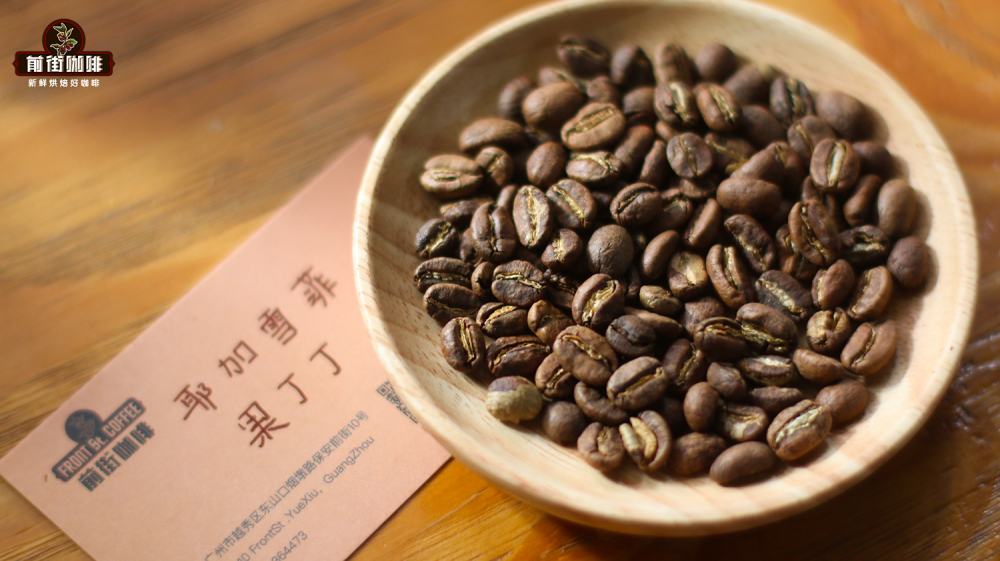
Front Street Coffee: Yirgacheffe Gutingting Coffee Beans Country: Ethiopia Region: Yirgacheffe Altitude: 1850-2100m Processing: Washed Grade: G1
Variety: Heirloom native species Flavor: White florals, citrus, red plum, medium acidity
Front Street Coffee: Honduras Sherry Coffee Beans Country: Honduras Region: Marcala Farm: Moca Estate Altitude: 1500-1700m Variety: Caturra, Catuai, Pacas Processing: Refined washed whisky sherry barrel fermentation Flavor: Vanilla, whisky aroma, honeydew melon, dark chocolate finish
Front Street Coffee: Honduras Lychee Orchid Coffee Beans Region: Marcala Farm: Moca Estate Altitude: 1500-1700m Variety: Caturra, Catuai Processing: Refined washed and brandy barrel processing Flavor: Creamy mouthfeel, brandy fermented aroma, dark chocolate
Front Street Coffee: Panama Butterfly Coffee Beans Region: Boquete, Panama Variety: 70% Geisha, Caturra, Catuai Altitude: 1600-1650 Processing: Natural processing Flavor: Classic Geisha flavor, citrus, tea-like notes
Of course, the following creative methods are also worth trying:
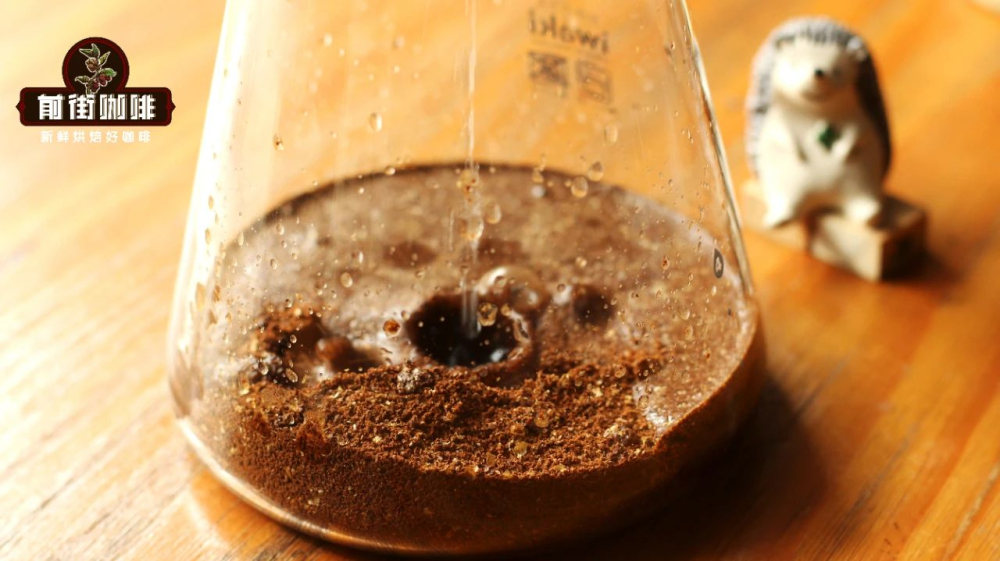
\Adding sparkling water/ Front Street once used soda water to make cold brew and found the resulting concentration was on the high side. The reason is that the bubbles in the soda water cause the coffee grounds to float to the top before going into the fridge, and the rising bubbles continuously "strike" the coffee grounds. After about 13 hours, when taken out of the fridge, the coffee grounds had already sunk to the bottom of the bottle. During the soaking process, the coffee grounds moved from top to bottom, making the extraction efficiency higher.
However, the [Cold Brew Yirga] that Front Street made with soda water smelled even more intensely of berries! Observing the coffee liquid, although there were no bubbles, drinking it gave a sensation of bubbles colliding in the mouth.
\Adding milk/ Light-roast beans are usually meant for enjoying floral and fruity notes and sweet-tart acidity, so most people drink them black. Dark-roast beans have a heavier body, and this kind of rich cold brew can be mixed with milk to create a mellow, smooth flavor. Different dairy products also bring different mouthfeels.
Broadly, they can be divided into two categories: fresh milk and cream balls (fresh cream type). Fresh milk has a higher water content, so after blending, the taste is on the lighter side and the body is thinner; cream balls have less water content, so the overall taste is richer and the body is thicker. When Front Street makes cold brew, adding milk without sugar makes a cold brew coffee latte, which naturally has a sweet aftertaste.
\Adding alcohol/ Front Street thinks that adding a small amount of Irish whiskey or brandy also gives a unique flavor. Of course, you can add any alcohol, but Irish whiskey is grain-based, unlike Scotch whisky which mostly uses barley as its raw material. If you want an alcohol-free coffee that still tastes like alcohol, you can try Front Street Coffee's Honduras Sherry. This bean is processed with whisky barrel fermentation, carrying an intense whisky-cream-vanilla aroma, making it very suitable for guests who want to experience alcohol-flavored coffee.
Summary
This experiment of making cold brew coffee with room-temperature water turned out unexpectedly well overall. As for choosing beans, it's still the same advice: just go with your own taste.
The above content is compiled by CoffeeHunters, a coffee news website.


