







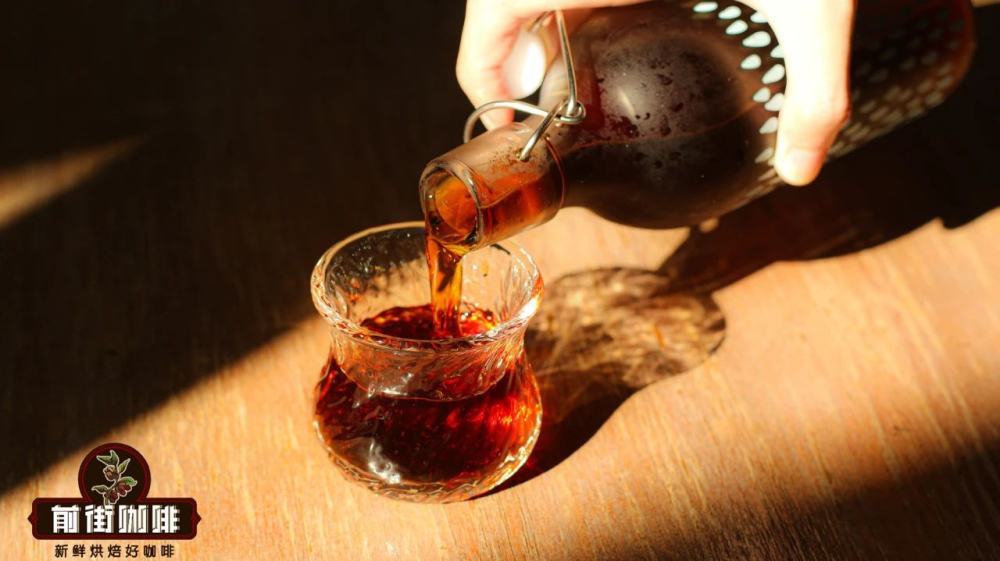
What is Cold Brew Coffee?
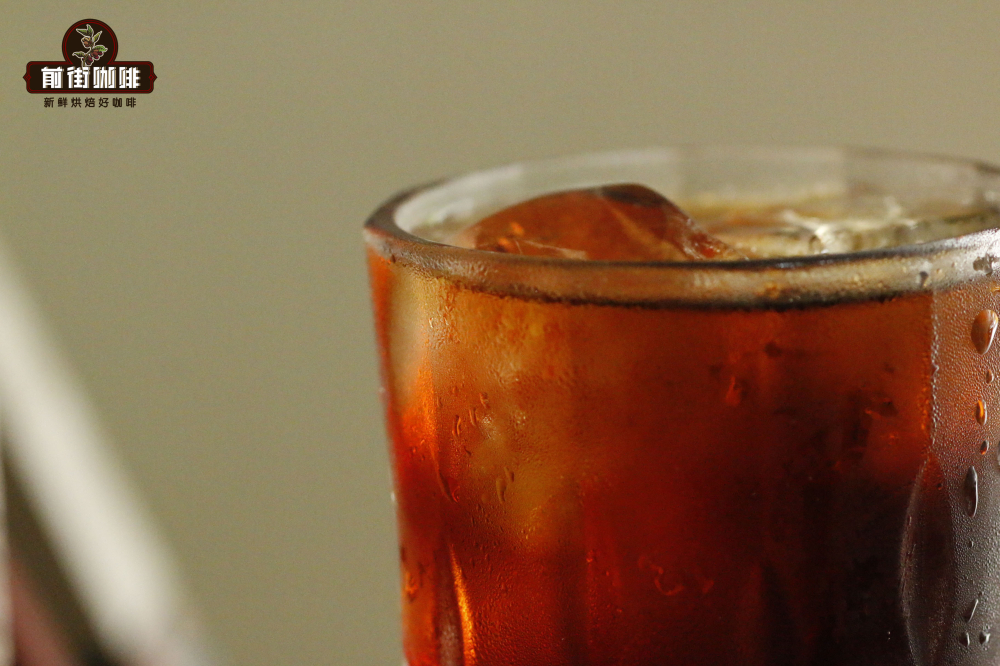
Cold brew coffee, also known as cold water coffee, ice-brewed coffee, or cold-brewed coffee. Put the ground coffee into room temperature water, soak and extract for 12 hours, then filter out the coffee grounds to get the coffee liquid, which is cold brew coffee.
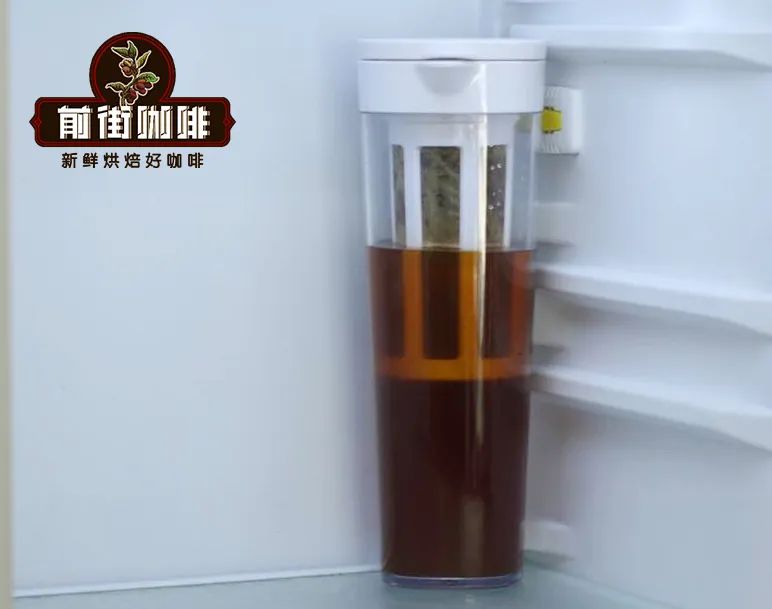
Cold brew coffee is deeply loved by everyone because making it requires no technique at all—no pouring method, no water temperature requirements. For those who love drinking coffee but find pour-over coffee too troublesome, cold brew coffee is like an angel. One bottle, one portion of coffee grounds, one night—wake up and you can drink a full-bodied, rich iced coffee.
Unlike pour-over coffee, which uses hot water for high-temperature extraction, low-temperature extraction produces much less bitterness. By extending the extraction time and fully soaking the coffee grounds, it is easier to extract small-molecule flavor compounds, such as floral and fruity notes. Coffee made by immersion extraction is smoother and richer in mouthfeel, with a strong aroma and a sweetness that is easier to perceive.
In Front Street's view, cold brew is great in every way, except that it takes a relatively long time to make. So we suggest soaking it before going to sleep at night, and then the next day you can enjoy an awesome iced coffee!!
How to Make Cold Brew Coffee?
Front Street recommends a coffee-to-water ratio of 1:13 for making cold brew coffee. For example: 40g of coffee added to 520g of ice water (don't pour the ice cubes in too~) for extraction.
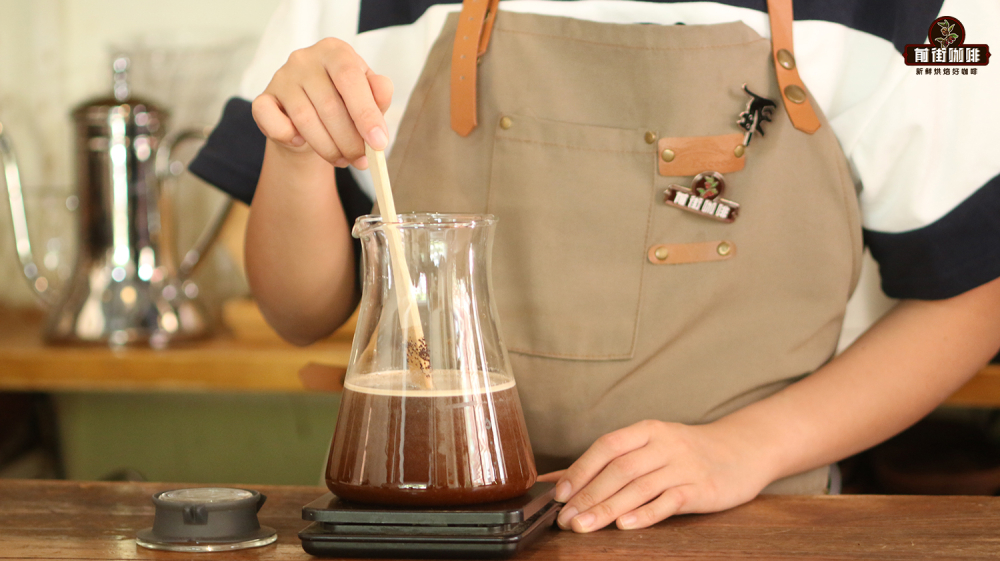
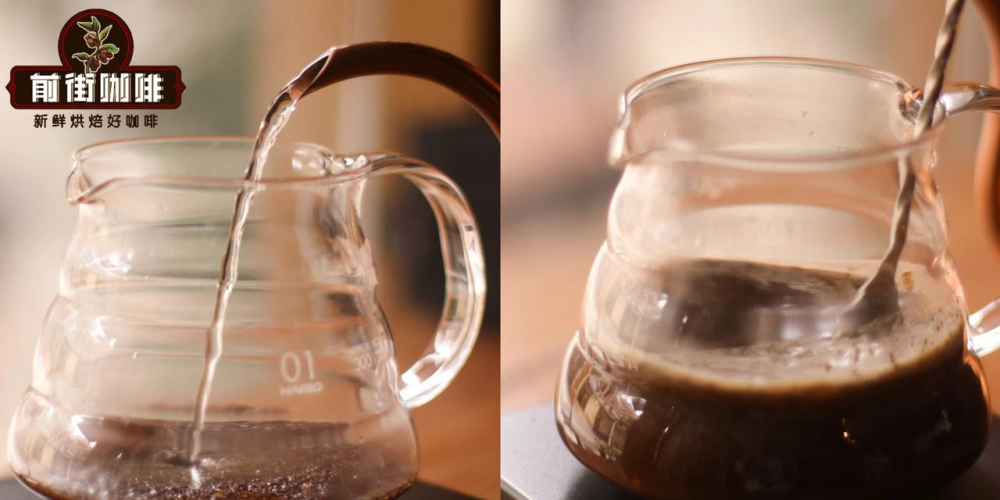
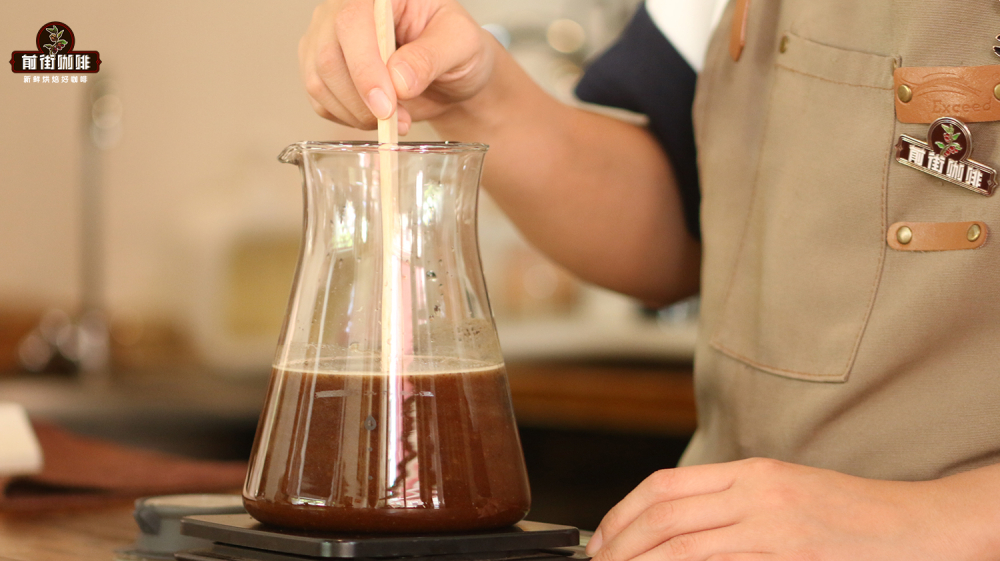
After adding the ice water, stir thoroughly with a stirring rod/spoon, then put it in the refrigerator to soak for 12-24 hours. After extraction is complete, filter out the coffee grounds using filter paper or a fine mesh strainer, and it is ready to drink.
Note that the coffee grounds used for cold brew soaking must not be ground too fine! It is recommended that the grind size be about 80-85% passing through a standard 0.85mm sieve. Although low-temperature extraction can reduce the appearance of bitterness, it is not 100%.
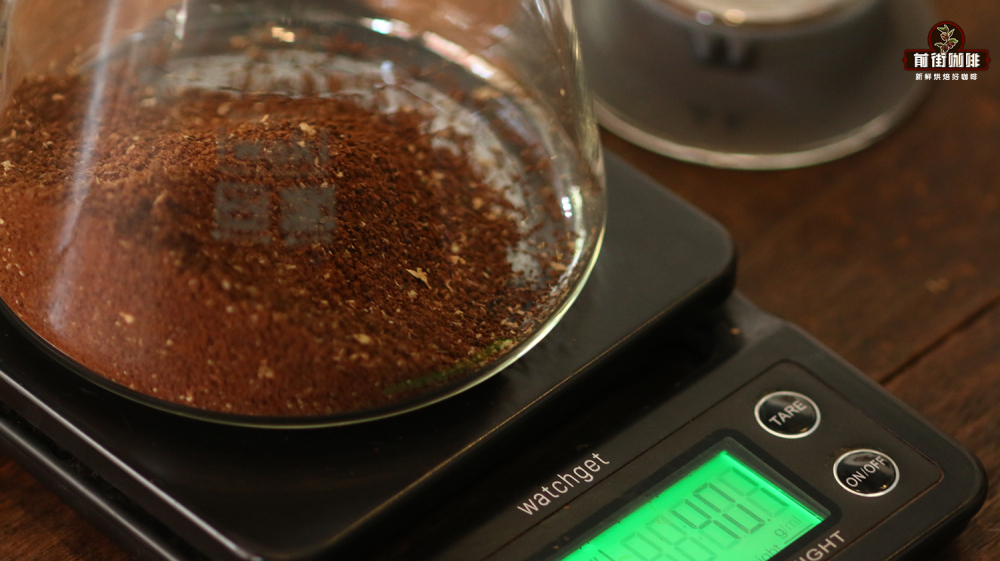
If ground too fine, after the sour and sweet substances in the coffee grounds are quickly extracted, the rich and heavy substances will be released. An appropriate amount of rich and heavy substances can enhance the coffee's body, but after soaking for a long time, a woody taste will begin to appear, reducing the coffee's overall cleanliness.
Moreover, when ground too fine, because there is no movement of hot molecules during extraction, the coffee particles tend to clump together, causing uneven extraction. Therefore, coffee grounds with the coarseness of fine granulated sugar are more suitable for making cold brew coffee.
How Front Street Makes Cold Brew Coffee
1. 40 grams of coffee grounds with the coarseness of fine granulated sugar, coffee-to-water ratio 1:13;
2. Prepare an oil-free, clean sealed container with a capacity of more than 600 milliliters;
3. After everything is ready, add 520g of ice water and stir evenly, so that the coffee grounds fully contact the water, then put it in the refrigerator and let it sit sealed for 8-12 hours;
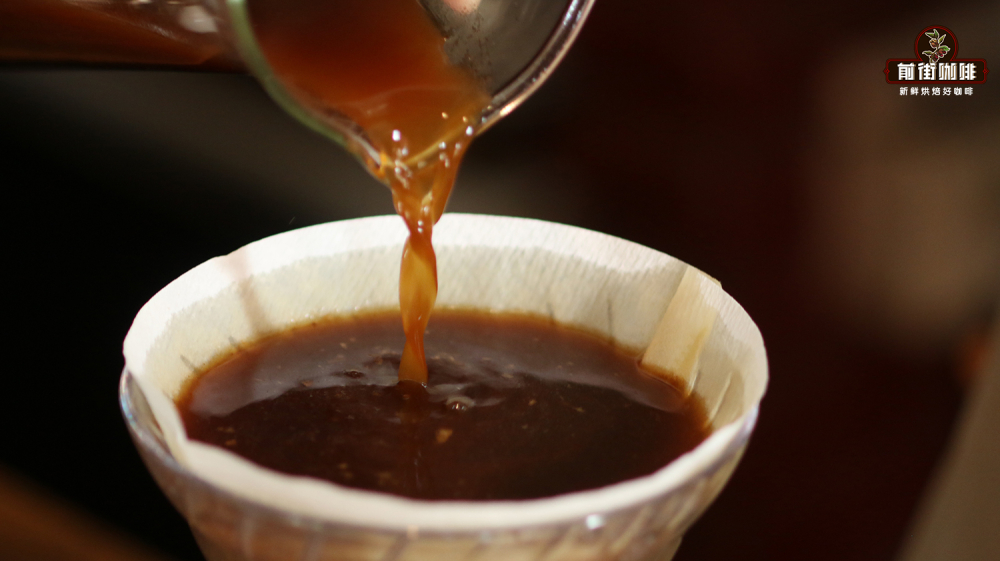
4. When the extraction time is up, take it out, filter out all the coffee grounds from the pot, and then enjoy and store it.
5. Storage time for cold brew coffee: In a sealed state, Front Street recommends drinking cold brew coffee within 72 hours after filtration is completed.
Many coffee lovers have said that cold brew coffee tastes awesome after being left in the refrigerator for 7 days after extraction! Theoretically, the longer cold brew coffee is left, the stronger the fermented flavor becomes.
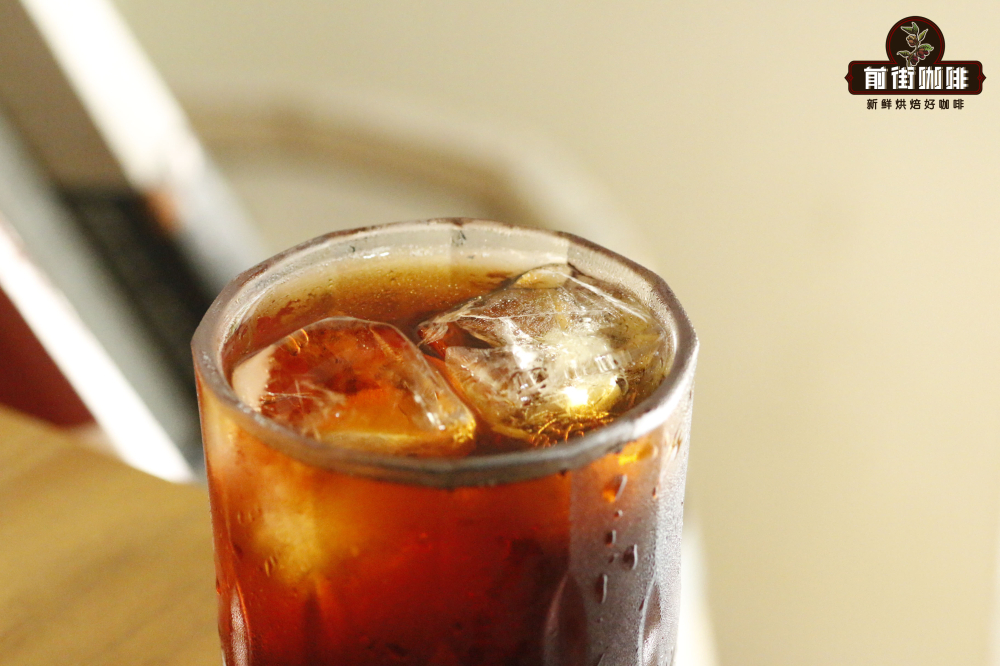
But! When this fermented flavor becomes strong, it will mask the coffee's flavor. For those who do not like too heavy a fermented flavor, Front Street does not recommend trying it easily! The best time to taste cold brew coffee is 2-3 days after filtering out the coffee grounds. It is worth noting that when drinking, it is recommended to add an appropriate amount of ice cubes. On the one hand, this maintains a low temperature; on the other hand, after dilution the coffee's layers are opened up, presenting more different flavors. It highlights the fermented flavor, and after warming up it will also be stronger, while the icy mouthfeel also makes it taste better.
The Origin of Cold Brew Coffee
Many people probably know about cold brew coffee because of Starbucks, but cold brew coffee was not invented by Starbucks. However, Starbucks did indeed popularize cold brew coffee and made more people fall in love with it.
It is said that cold brew coffee first appeared and was invented by the Dutch. In the 1600s, because hot coffee could not be drunk at sea, sailors could only soak coffee grounds in cold water and found that the taste was not bad. According to Front Street's understanding, cold brew coffee is very popular in Western countries. Especially by the mid-19th century, cold brew coffee spread around the world, from the United Kingdom to Japan, and then to the United States. Various cold brew espresso drinks emerged one after another, and it was especially popular in the military.
In the 1960s, Todd Simpson was traveling in Peru, tasted Peruvian cold brew coffee, and became obsessed with it. Not long after, he designed and released the now world-famous Toddy Cold Brewing System. Starbucks used the Toddy Cold Brewing System and pushed cold brew coffee to the whole world.
Recommended Coffee Beans Suitable for Cold Brew Coffee
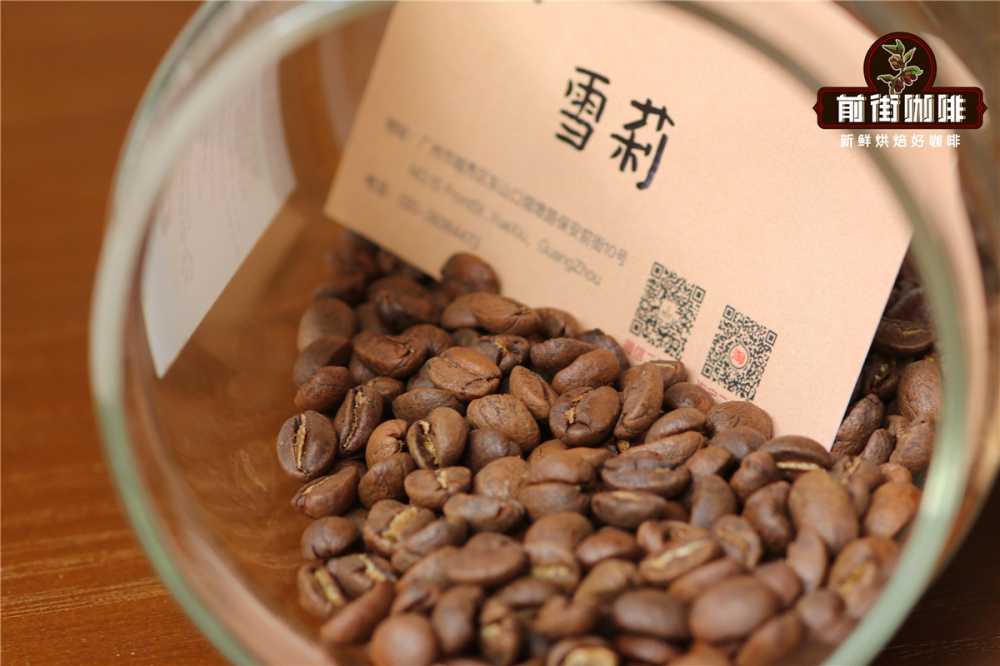
Front Street Coffee (FrontStreet Coffee): Honduras Sherry Coffee Beans Country: Honduras
Region: Marcala Estate: Moca Estate Altitude: 1500-1700m Variety: Caturra, Catuai, Pacas Processing Method: Fine washed whiskey sherry barrel fermentation Flavor: Fermented wine aroma, cream, vanilla
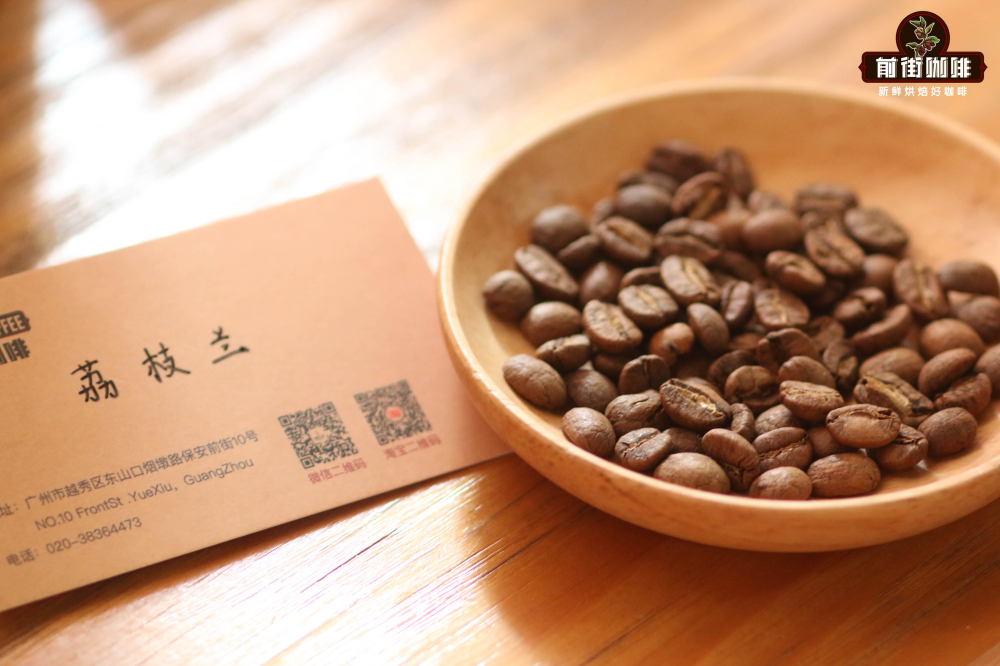
Front Street Coffee (FrontStreet Coffee): Honduras Lychee Orchid Coffee Beans Region: Marcala Estate: Moca Estate Altitude: 1500-1700m Variety: Caturra, Catuai Processing Method: Fine washed and brandy barrel processing Flavor: Lychee, brandy, dark chocolate, cream
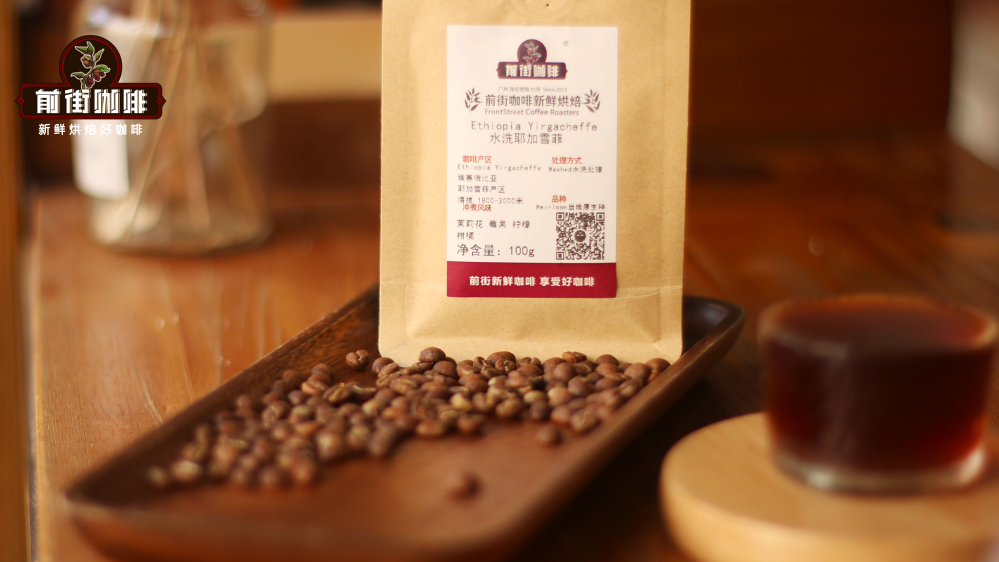
Front Street Coffee (FrontStreet Coffee): Washed Yirgacheffe Coffee Beans Country: Ethiopia Region: Yirgacheffe Altitude: 1800-2000 meters Processing Method: Washed Variety: Local heirloom Flavor: Berry, citrus, lemon
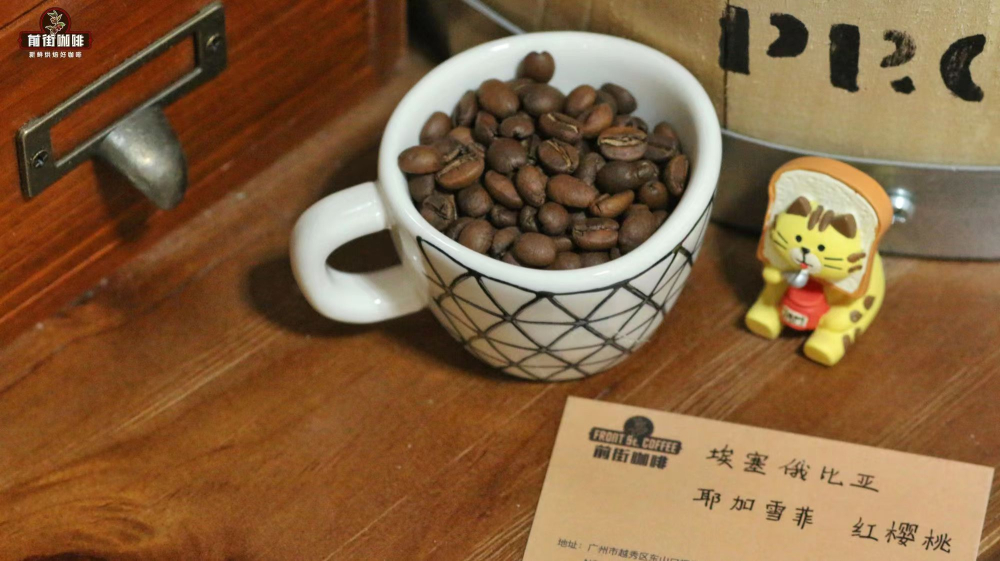
Front Street Coffee (FrontStreet Coffee): Yirgacheffe Natural Red Cherry Coffee Beans Country: Ethiopia Region: Yirgacheffe Processing Station: Aricha Altitude: 2300 meters Variety: Local heirloom Processing Method: Natural Flavor: Berry, lemon, strawberry, fermented wine aroma
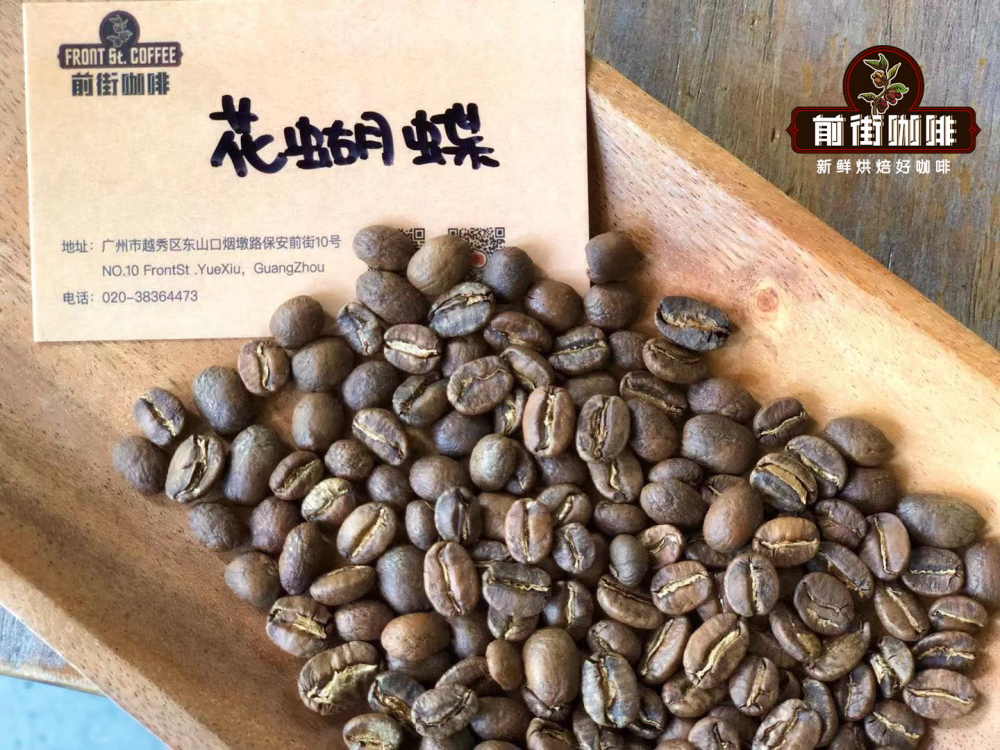
Front Street Coffee (FrontStreet Coffee): Panama Butterfly Coffee Beans Region: Boquete, Panama Variety: 70% Geisha, Caturra, Catuai Altitude: 1600-1650m Processing: Washed processing Flavor: Tea-like, citrus, white floral
The choice of coffee beans is all based on personal preference. There are no strict requirements on exactly which beans to use—as long as you like it, it's OK. But because under low-temperature extraction the bitter/rich and heavy substances in coffee beans are not easily released, Front Street Coffee (FrontStreet Coffee) relatively recommends everyone use coffee beans with a sweet and sour taste~
For more specialty coffee beans, please add the private WeChat Front Street Coffee (FrontStreet Coffee), WeChat ID:kaixinguoguo0925
The above content is compiled by CoffeeHunters, a coffee news website.


