







Cold brew coffee is becoming more and more common these days. We're all so busy in our daily lives that we don't even have a moment to go buy a cup of coffee. In that case, cold brew coffee is the fastest way to get a cup of coffee right now.
The fermented aroma and refreshing coolness of cold brew instantly lift your spirits — even in autumn and winter, it makes you crave its taste. You only need to spend a few minutes preparing the ingredients, then put it in the fridge, and the next day it's ready to drink! The best part is, if you can't finish it, you can seal it and put it back in the fridge to drink later! One thing to note is that the longer cold brew coffee sits, the stronger its fermented flavor becomes. So the taste you get each day will be a little different. Front Street recommends finishing it within 3-4 days.

What is cold brew coffee?
Cold brew coffee is, well, Cold Brew Coffee. Take ground coffee, use a professional device, add cold water in a specific ratio, and refrigerate it — typically for 12 hours. (If you want a fuller body, you can extend it to 24-48 hours.) Then filter out the grounds, and the coffee liquid you get is cold brew coffee.

Low temperature and long extraction time are the two main characteristics of cold brew coffee. Compared to hot-brewed coffee, its flavor is noticeably richer, with less bitterness and a smoother mouthfeel. This sounds like a lot of work, but it's actually much simpler to make than you'd imagine. You can think of it this way: soak coffee grounds in cold water — put in the fridge overnight — filter out the grounds — done. To put it poetically: "What you're drinking isn't just a cup of coffee — it's a long wait."

Characteristics of cold brew coffee
Since the cold brew process takes place at low temperatures, the long contact between water and coffee grounds means only small-molecule flavor compounds get extracted. Only small molecules like fruit acids and floral notes are dissolved, while larger-molecule flavor compounds such as smoky and roasted notes are difficult to extract. As a result, cold brew coffee has lower acidity and astringency, making it widely popular.
What coffee beans to use for cold brew coffee?
Front Street recommends trying naturally processed, washed, or special-process beans. The reason is simple: the resulting cold brew coffee has higher recognizability and better sweetness~
African beans are characterized by intense floral aromas and alluring fruit acids; the acidity is lively and delightful. But their body tends to be thin. As for well-balanced American beans, like those from Panama & Costa Rica, they have distinct floral and fruity aromas, excellent acidity, and a full body — especially honey-processed beans, which have an even richer fermented character.
tips:
The long extraction of cold brew coffee gives the coffee distinct layers and a clear sweet aftertaste;
While compensating for the thinness of African beans, it also suppresses the sharp acidity of African beans at low temperatures.

Front Street Coffee: Yirgacheffe Guddina Coffee Beans
Country: Ethiopia
Region: Yirgacheffe
Altitude: 1850-2100m
Process: Washed
Grade: G1
Variety: Heirloom
Flavor: White florals, citrus, red plum, medium acidity
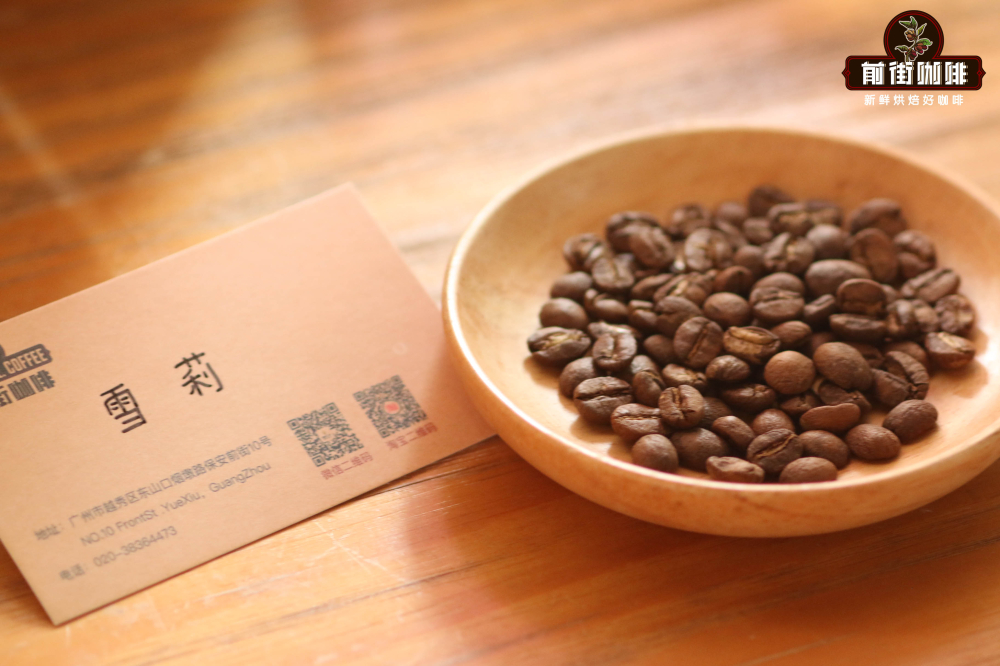
Front Street Coffee: Honduras Sherry Coffee Beans
Country: Honduras
Region: Marcala
Estate: Moca Estate
Altitude: 1500-1700m
Variety: Caturra, Catuai, Pacas
Process: Refined washed whisky sherry barrel fermentation
Flavor: Vanilla, whisky aroma, honeydew, dark chocolate finish
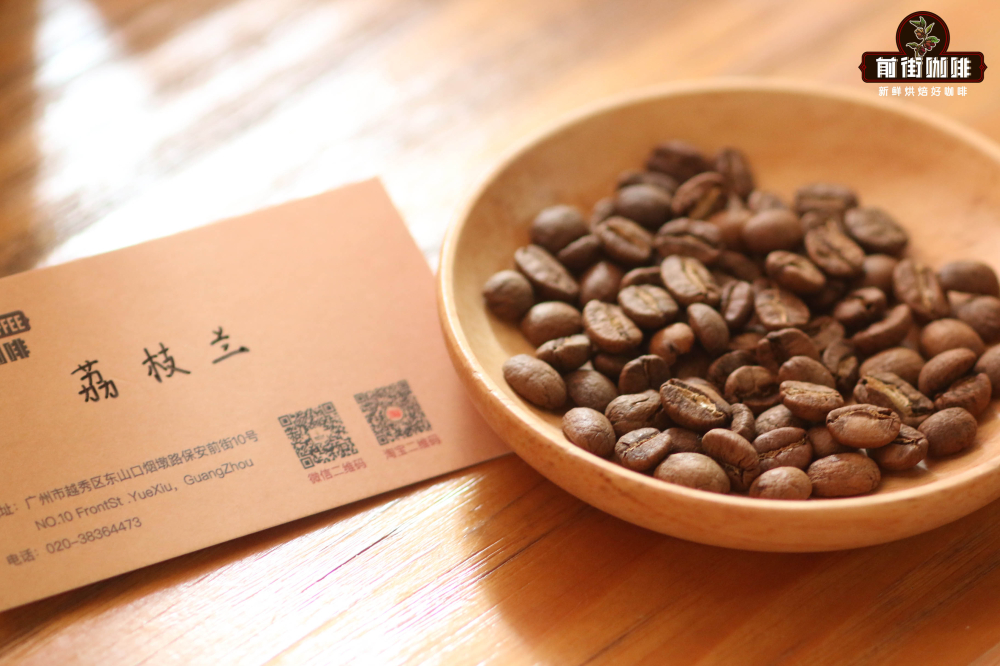
Front Street Coffee: Honduras Lychee Orchid Coffee Beans
Region: Marcala
Estate: Moca Estate
Altitude: 1500-1700m
Variety: Caturra, Catuai
Process: Refined washed and brandy barrel process
Flavor: Creamy mouthfeel, brandy fermented aroma, dark chocolate

Front Street Coffee: Panama Butterfly Coffee Beans
Region: Panama Boquete
Variety: 70% Geisha, Caturra, Catuai
Altitude: 1600-1650
Process: Natural process
Flavor: Classic Geisha flavor, citrus, tea-like
Of course, you can also try the following creative methods:
\Add sparkling water/
Front Street tried making cold brew coffee with soda water and found that the concentration tends to be higher. The reason is that before putting it in the fridge, the soda water's bubbles cause the coffee grounds in the soda water cold brew to float to the top. As the bubbles rise and "collide" with the coffee grounds, after 13 hours, when you take it out of the fridge, the coffee grounds have already sunk to the bottom of the bottle. During the soaking process, the coffee grounds move from top to bottom, making it easier to extract compounds from them.

But the [Cold Brew Yirgacheffe] that Front Street made with soda water smells even more intensely of berries!
Look at the coffee liquid — even though there are no bubbles, drinking it gives you the sensation of bubbles bursting in your mouth~
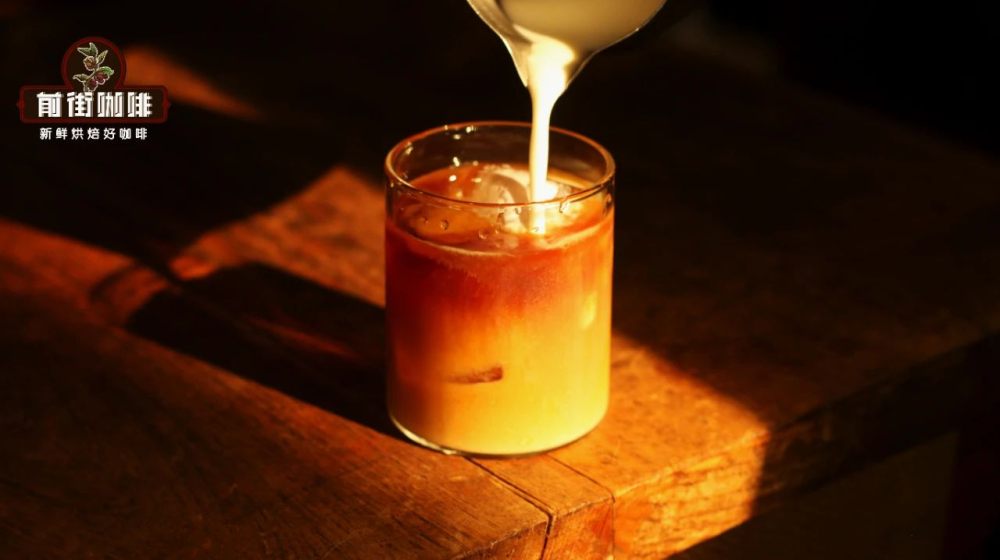
\Add milk/
Generally, when choosing light-roast beans, you want to enjoy the floral and fruity aromas and the sweet-tart sensation, so they're mostly drunk black. For dark-roast beans, the flavor is heavier, so this type of richer cold brew coffee can be mixed with milk to create a fragrant, smooth, and mellow taste. However, different dairy products used for mixing will produce different mouthfeels.
They can be divided into two categories: fresh milk and creamer balls (fresh cream type). Since fresh milk contains more water, mixing with fresh milk gives a lighter, thinner body; but if you use creamer balls (fresh cream type), the lower water content results in a richer, thicker body. When Front Street makes cold brew coffee with milk and no sugar, it's essentially a cold brew coffee latte. It drinks with a natural sweet aftertaste and sweetness.
\Add alcohol/
Front Street thinks that adding a little Irish whiskey or brandy gives it a unique flavor too. Actually, you can add whatever alcohol you like, but Irish whiskey is grain-based, unlike most Scotch whisky which is made from barley. Of course, if you want a non-alcoholic drink with an alcoholic taste, you can also try Front Street Coffee Honduras Sherry. This one uses whisky barrel fermentation, giving it a rich whisky, cream, and vanilla flavor — especially suitable for guests who want a coffee with an alcoholic taste.

Summary
This experiment with cold brew coffee made using room-temperature water was unexpectedly good overall! As for choosing coffee beans, it's the same as always — just go with whatever suits your taste~!
The above content is compiled by CoffeeHunters, a coffee news website.

