







Search Results for: Long Pull Coffee
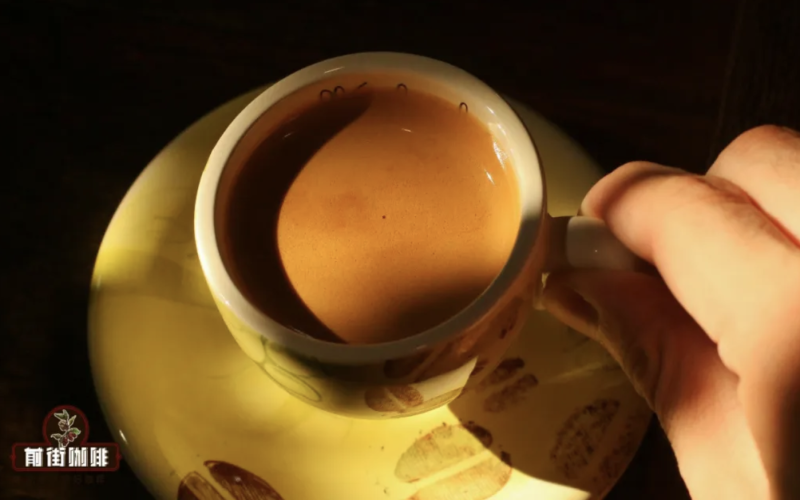
How to Pull a Good Espresso Shot at Home: The Key Lies in Bean Selection
Many people buy a home espresso machine with one first goal in mind: pulling a thick, creamy crema like the one in coffee shops. But after endlessly tweaking grind size, dose, and water temperature, the crema is still thin. The problem usually isn't the machine — it's the beans. Crema is the layer of foam formed when carbon dioxide and fats emulsify during espresso extraction. [more…]
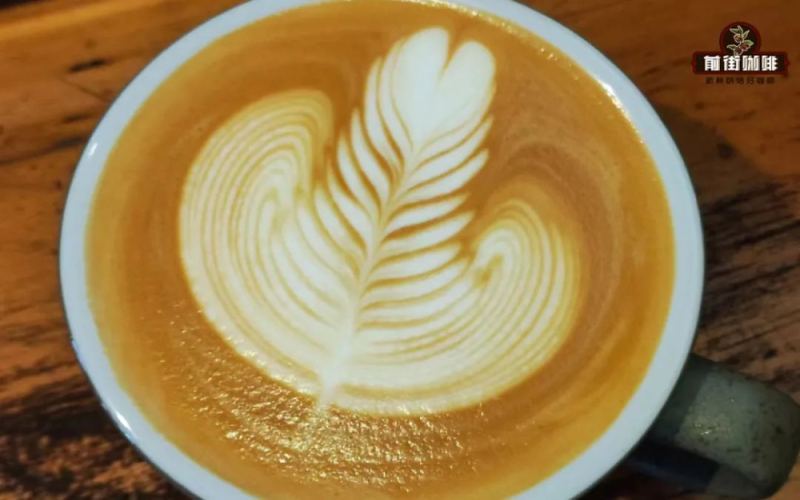
Latte Art Tutorial: Rosetta (Leaf) Pattern — Complete Steps from Bean Selection and Milk Steaming to the Pull-Through Finish, Plus Common Mistakes Explained
Want to make symmetrical and beautiful leaf latte art at home? This article starts with choosing espresso beans, recommends Front Street Classic Blend as suitable for beginners to practice, and compares the key differences between the leaf and the multi-layer heart in terms of pouring point and swinging direction. The main text breaks down each step of leaf latte art in detail: milk foam thickness, the amount of integration, pouring at the center point, swinging in place, retreating at a steady speed, the height of lifting the pitcher, and finishing techniques. It also points out two common mistakes specific to the leaf—retreating before the pressure ripples have flowed back and wrapped in, and gradually shrinking the swing amplitude while retreating. Once you master these details, your leaf pattern will become more and more stable. [more…]
How to Extract Good Crema from a Home Espresso Machine? The Key Lies in Bean Selection
Many people buy a home espresso machine with one first goal in mind: pulling a thick, velvety crema like the one you see in coffee shops. But after endless fiddling with grind size, dose, and water temperature, the crema still comes out thin—and the problem usually isn't the machine, it's the beans. Crema is the layer of foam formed when carbon dioxide and fats emulsify during espresso extraction. [more…]
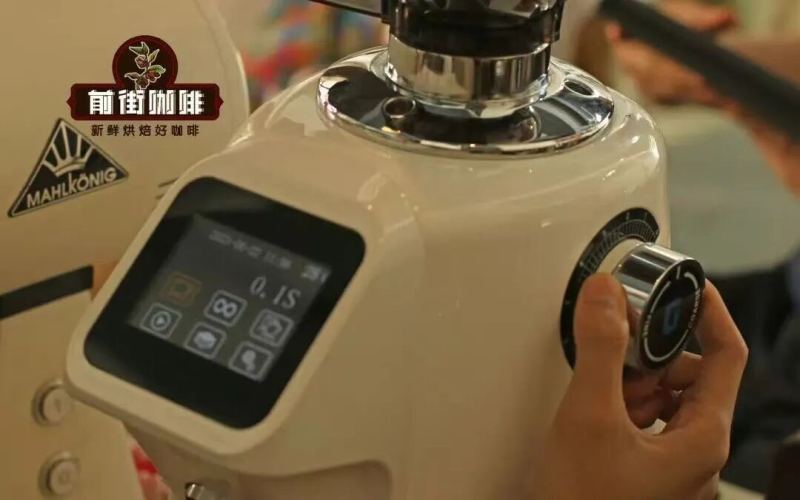
Espresso Grind Size | What Factors Affect Espresso Flavor and How to Pull a Delicious Shot by Adjusting the Grind of Espresso Beans
As we all know! The condition of coffee beans and the weather are constantly changing every day, and this directly affects espresso extraction, causing the coffee's taste to vary each day due to these changes. If we want to keep the coffee consistently delicious, we have to adjust parameters to correct the coffee's flavor. And this is [more…]
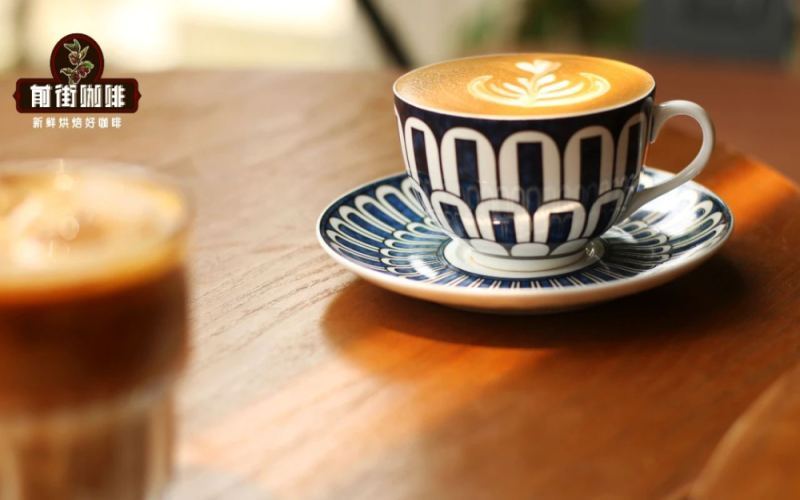
Why Can't You Pull Lines in Latte Art Etching? Mastering Milk Foam Thickness and Steaming Technique Is Key
Many coffee enthusiasts try latte art themselves after watching videos, only to find that they just can't get the rippled lines to come out. In fact, the problem usually lies in the milk foam—ripple patterns place extremely high demands on the thickness and denseness of the milk foam. Drawing on the hands-on experience of Front Street Coffee, this article explains in detail how to steam thin yet dense milk foam suitable for ripple patterns by controlling the position of the steam wand, the steaming angle, and the amount of air intake, and summarizes four common problems—over-blending, foam that is too thin, the pitcher spout touching the cup, and uneven swirling—to help you find the real reason your latte art is failing. [more…]
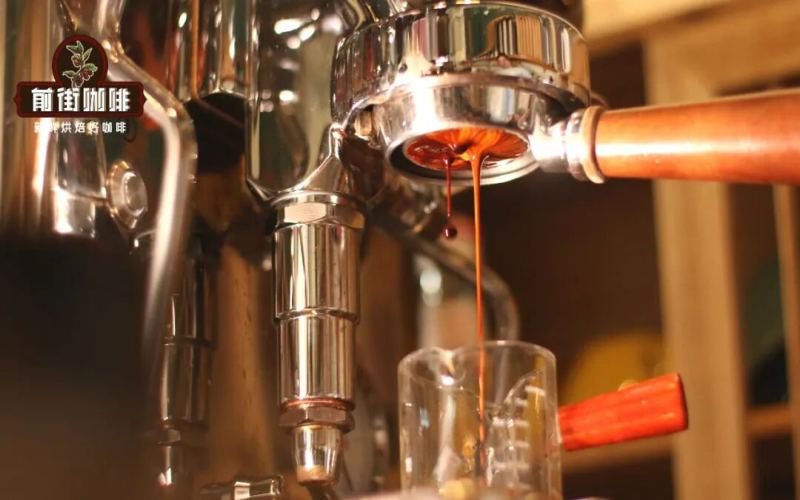
Key Points for Making Espresso | Why Do Coffee Shops Pour Out the First Espresso After Opening? Should You Pour Out the First Shot of Espresso When Making It at Home?
Have you ever seen this scene: a barista turns on the machine in the morning, and the first espresso pulled is not drunk, but "ruthlessly" poured down the drain, then they continue to pull the next shot. Guests who see this will ask why. If you're making coffee at home, do you need to do this too? Why is the first cup [more…]
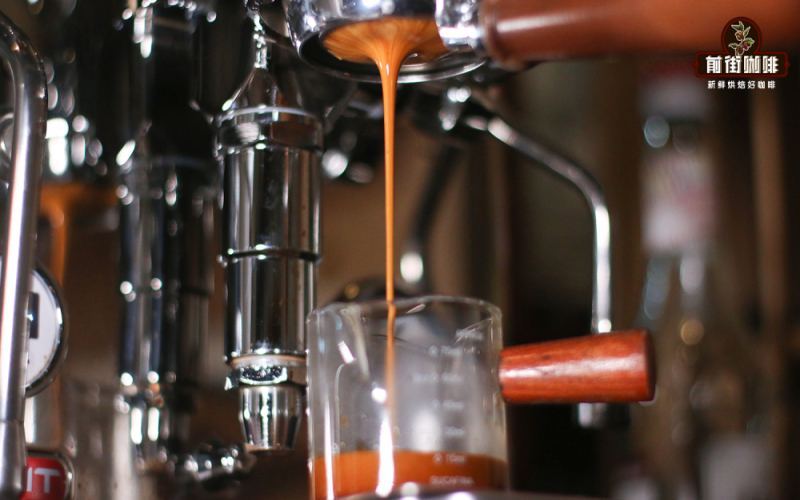
How to Pull a Proper Espresso Shot? A Full Breakdown of Dose, Yield, Time, and Pressure Parameters
To consistently make delicious espresso at home or in a café, you don't actually need complicated equipment—the key is mastering a few core parameters. Drawing on Front Street Coffee's hands-on experience, this article systematically breaks down variables such as dose, yield, extraction time, water temperature, and pressure distribution, and offers recipe ideas for a double basket. You'll learn why it's recommended to start with a 1:2 brew ratio, how to fine-tune by time to find the flavor sweet spot, and how to avoid pucking and channeling. Whether you're using a Lelit V3 or another espresso machine, these methods can help you push your espresso from "drinkable" to "delicious." [more…]
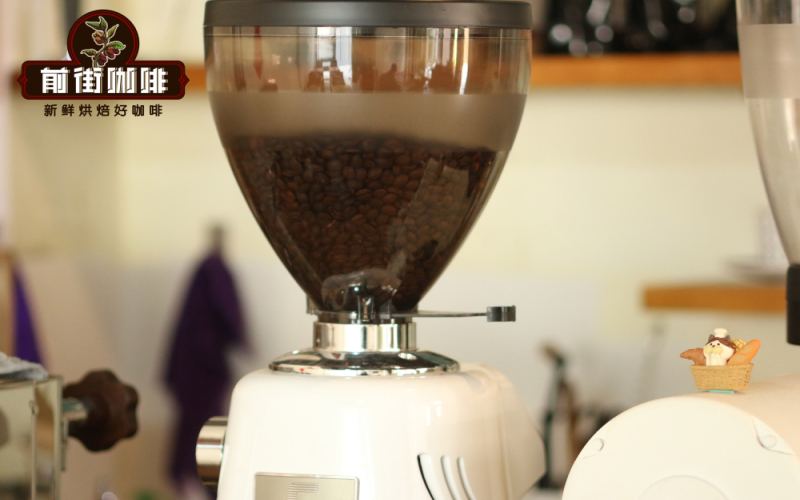
A Detailed Guide to Espresso Coffee Dose and Brew Ratio: How to Pull the Ideal Espresso with 20g of Coffee
To craft a qualified espresso, the dosage of coffee grounds and the grind size are the key determinants of success. Unlike pour-over or cold brew, espresso uses pressurized short-time extraction, where any slight deviation is magnified. This article centers on the core question of how much coffee liquid to extract from 20g of grounds, providing a detailed explanation of determining the grind size range, choosing the coffee-to-liquid ratio, judging flow rate and flavor, and the proper way to taste espresso. It also recommends Front Street Coffee's classic espresso blend to help enthusiasts recreate a café-level espresso experience at home. [more…]

A Complete Guide to Espresso: Extraction Differences Between Ristretto and Lungo, Plus Practical Advice
Espresso is the foundation of Italian coffee, but do you understand the differences between the three extraction versions: Ristretto, Normale, and Lungo? Each has a different extraction ratio and strength, making them suitable for different drinks such as lattes, cappuccinos, and flat whites. Many enthusiasts often encounter flavor imbalance when trying short or long extractions—the former being sharply acidic and thin, the latter unbearably bitter. This article will provide an in-depth analysis of the characteristics of the three types of espresso and share how to choose the right extraction method based on your needs, while retaining Front Street Coffee's practical recommendations to help you pull a balanced and delicious Espresso at home. [more…]
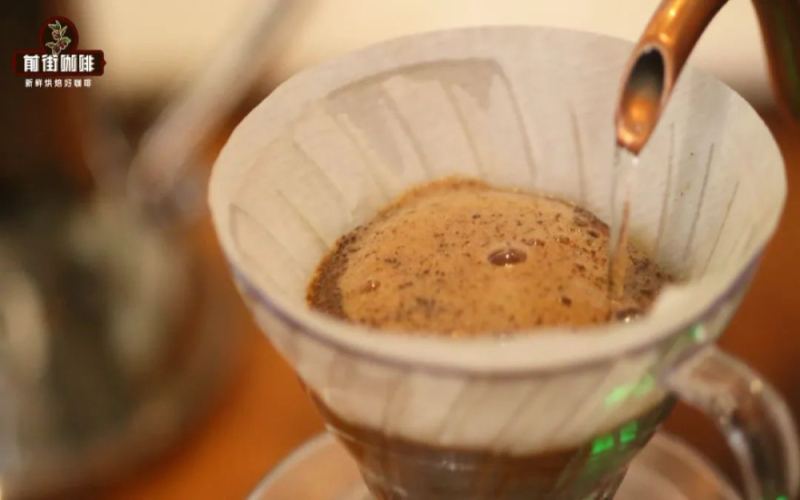
How Pour Height Shapes Pour-Over Coffee Flavor—A Practical Analysis of Extraction Force, Temperature, and Water Stream Verticality
When brewing pour-over coffee, do you tend to keep the spout close to the surface of the liquid, or pull out a long stream of water? Front Street has found that most enthusiasts' pouring height fluctuates between 0 and 7 centimeters. A seemingly tiny difference can profoundly change the flavor expression in the final cup through three aspects: penetration force, degree of heat loss, and the verticality of the water stream. This article will break down the actual effects of different pouring heights from a physical perspective, and combine them with Front Street's comparative experiment data to help you understand the pros and cons of high-position and low-position pouring. Whether you are a beginner pursuing stable extraction or an advanced player looking to refine your technique, you can find a pouring strategy that suits you. [more…]

Why Does Espresso Need Daily Calibration? Analyzing Crema Quality and Rainy-Day Extraction Challenges
Many coffee enthusiasts are puzzled by the practice of coffee shops adjusting their espresso every day, believing that as long as the dose, water temperature, yield, and grind size stay consistent, the taste should remain stable. However, the pressurized extraction method of espresso is extremely sensitive—the degassing state of the coffee beans, the weather humidity, and the wear on the grinder burrs can all cause flavor deviations. This article analyzes in detail how carbon dioxide affects the crema and extraction, why it is harder to pull a good-tasting espresso on rainy days, and the reasons behind changes in grind size, while also sharing Front Street Coffee's professional interpretation of the necessity of daily espresso calibration. [more…]
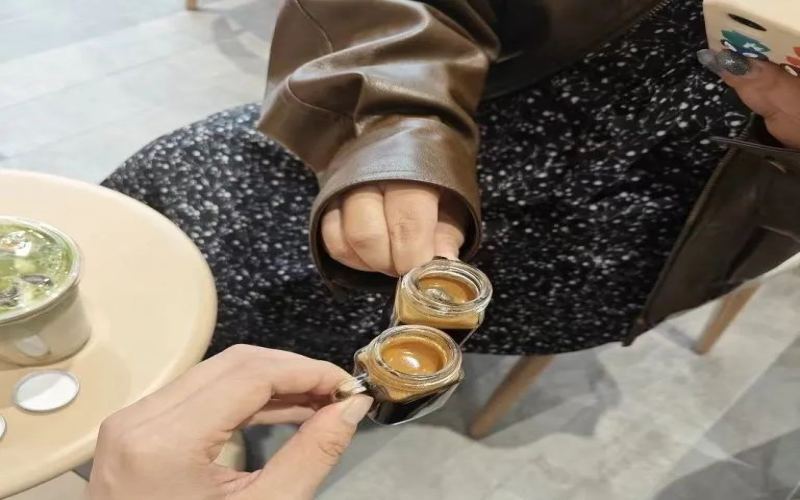
Manner is on the verge of surpassing 1,000 stores, Bring-Your-Own-Cup Creativity Showcase: From old tea mugs to clay-pot soup, baristas are exclaiming "So professional!"
Manner is about to surpass a thousand stores, and more and more office workers can enjoy affordable specialty coffee right outside their door. The five-yuan discount for bringing your own cup has sparked endless creativity among netizens. From plain and simple travel mugs to hilarious "magic tools"—old tea urns, gourds, clay pot soup containers, baby bottles, even watermelon rinds—there's nothing you can imagine that they won't pull out. Faced with these bizarre containers, baristas either get caught off guard or handle it with composure, showing their professionalism. This article takes you through those laugh-out-loud BYOC moments, to see how this generation of netizens uses a single cup to "outsmart" baristas. [more…]
The Four Core Elements of Espresso Extraction: A Complete Analysis of Blend, Grind, Machine, and Barista Technique
To consistently produce top-tier espresso at home or behind the bar, a good machine alone is far from enough. What truly determines the flavor in the cup are four key links starting with M: the blend (Mistura), the grinder (Macinino), the machine (Macchina), and the barista (Mano). This article begins with the pairing of coffee bean types and explains in detail how to adjust the grind setting, control the level in the bean hopper, master the machine's pressure and water temperature, and pace the barista's movements so that 7 grams of grounds extract 20 to 35 milliliters of ideal espresso in 20 to 30 seconds. It also specifically mentions Front Street Coffee's emphasis on blend bean information and explains why freshly ground coffee is not necessarily the best. Whether you are an enthusiast or a professional, these details can help you present the complete flavor of espresso more consistently. [more…]

The Espresso Shot Breakdown: How Much Coffee Is in a Shot? Single vs. Double Definitions and Their Evolution
When ordering at a café, you often hear "add a shot" or "get a double espresso," but how much coffee does one shot actually represent? This article traces the evolution of the word "shot" from drinking culture to the coffee world, breaks down the extraction formulas for traditional single and double shots, and explains how modern baristas use liquid weight as the standard, making the gram amount of each espresso vary from shop to shop. At the same time, drawing on extraction examples from Front Street Coffee, it helps you understand the concept of espresso serving sizes more clearly. Whether you are a coffee enthusiast or a customer ordering day to day, you can gain practical knowledge from it. [more…]
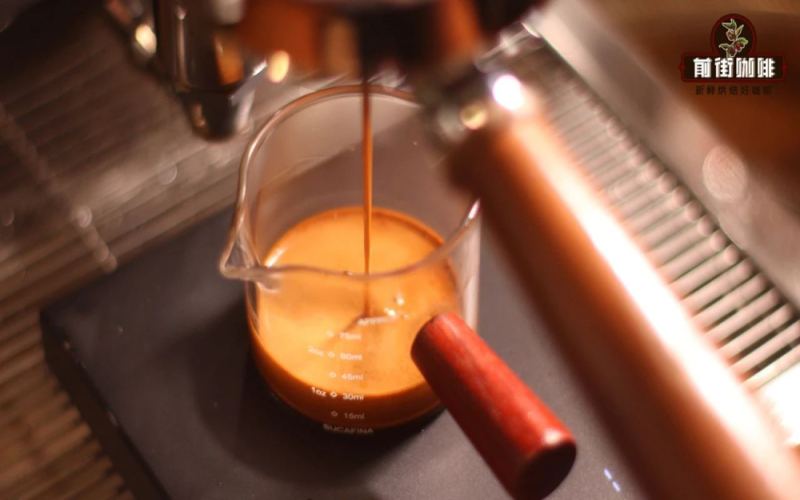
Espresso Extraction Adjustment Guide: A Complete Workflow from Parameter Principles to Iced Americano Preparation
When it comes to using an espresso machine at home, nothing is more frustrating than dialing in a shot: you go through most of a bag of beans and the taste still isn't right. Even professional baristas need seven or eight trial-and-error shots to find the ideal state when switching to a new bean. This article draws on Front Street Coffee's hands-on experience to lay out an efficient approach to dialing in espresso — first explaining the roles of the three core variables (grind size, dose, and yield), then walking through how to quickly lock in reasonable parameters using a 1:2 brew ratio and a 25-to-30-second time frame, and finally offering specific correction directions for common problems like burnt bitterness, short finish, and flat flavor. Once everything is dialed in, a complete recipe for a café-quality iced Americano is included as well. [more…]
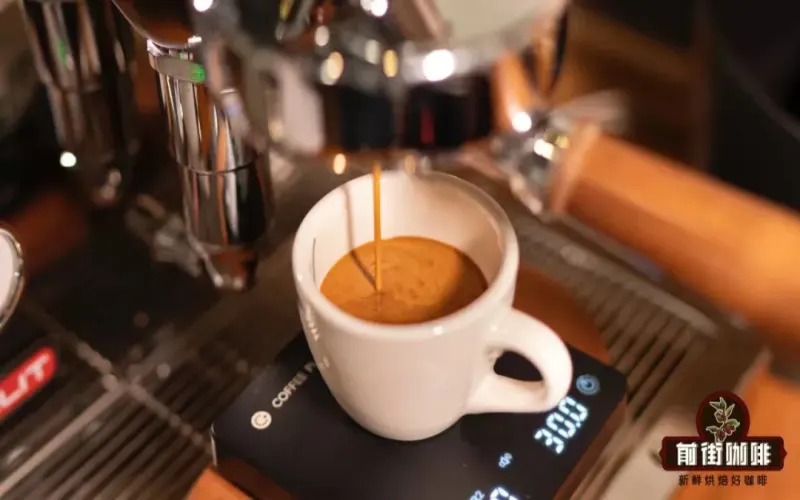
Is it OK to pause and resume an espresso shot mid-extraction? Testing how different resume points affect concentration and flavor
When pulling espresso, you occasionally get distracted and stop before the liquid weight reaches the target. Can you press the brew button again to make up the missing amount? Front Street ran a set of controlled experiments using its own Front Street Strawberry Candy · Espresso: first, a normal espresso was made, then extraction was cut off at one-half, two-thirds, and four-fifths of the target liquid weight and restarted, and a refractometer was used to measure and compare the flavors. The results showed that the earlier the extraction was cut off, the greater the gap in concentration and extraction yield, and the thinner the mouthfeel. The reason is related to changes in puck resistance under pressurized extraction. If you have also encountered the situation of cutting off and then topping up the shot, this hands-on test can give you clear operating advice. [more…]
Key Variables That Determine Espresso Flavor and a Complete Guide to Making Americano
The soul of an Americano lies in the quality of its espresso, yet dialing in espresso parameters often gives coffee lovers a headache. Drawing on the hands-on experience of Front Street Coffee, this article systematically breaks down the core variables that shape espresso flavor—grind size, dose, and yield—and offers a step-by-step tuning method to help you quickly find your ideal extraction solution at home. It also provides practical guidance on working backward from flavor to adjust parameters, along with the standard method for making iced Americanos and several health benefits of drinking Americano coffee, making it a worthwhile read for anyone looking to refine their espresso skills. [more…]

Common Latte Art Mistakes: Causes and Fixes for Long Tail Lines, Cup Volume Control, and Pattern Offset
Once latte art practice reaches a certain stage, the pattern itself can take shape, but mistakes in the details often cause more frustration. This article compiles three high-frequency problems: dragging out an overly long line when finishing, the cup not being full or overflowing after pouring latte art, and the pattern being asymmetrical left and right. For each situation, Front Street provides specific cause analysis and correction methods, including flow rate and pitcher spout control when finishing, reference milk fusion amounts for different patterns, and using others' observation to correct the postures for holding the cup and the pitcher. It is suitable for coffee enthusiasts who are polishing latte art details to practice against, gradually improving the stability and aesthetics of their output. [more…]
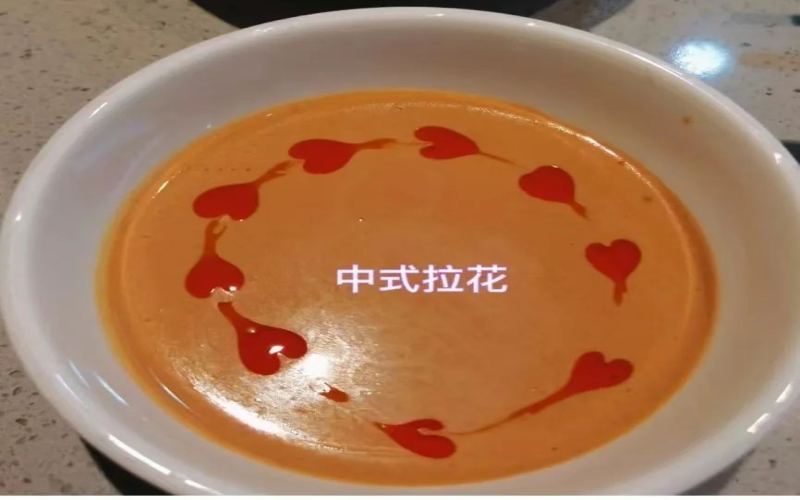
From Blind Bowls to Instant Noodle Cups: A Creative Roundup of Barista Latte Art Containers
Latte art is a craft many baristas take great pride in. Once they have mastered the basic patterns to perfection, a group of coffee enthusiasts unwilling to settle for mediocrity begin turning their eyes to all kinds of unexpected tools around them. Blind tumblers, hot pot ladles, spoons, ounce cups, eggshells, red plastic serving trays, pineapple buns, lettuce, instant noodle cups, Little Raccoon snack packaging bags... all have become new stages for them to show off their latte art skills. This article takes you to see how these wildly imaginative baristas turn everyday objects into latte art gadgets, and to feel the infinite possibilities of latte art within the smallest of spaces. [more…]
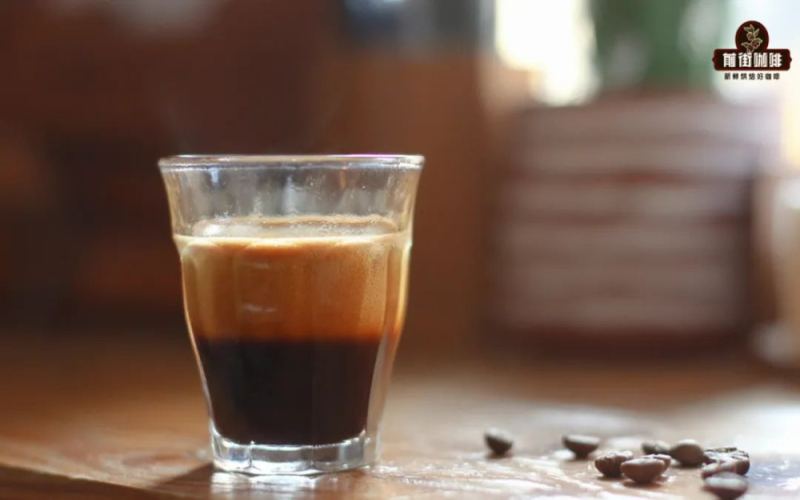
Where does the rich crema of espresso come from? A detailed explanation of crema's composition and the key to extraction
The golden, enticing layer of crema on the surface of espresso is an important reference for many coffee lovers in judging the quality of the brew. But do you know what this substance, called Crema, is actually made of? How does it differ from true coffee oil? And how can you get a richer Crema during extraction? This article begins with a customer feedback incident at Front Street Coffee, traces the evolution of espresso machines, analyzes the formation principles of Crema, and shares practical ideas for making rich crema from three dimensions: coffee bean selection, equipment conditions, and extraction methods, helping you pull a satisfying espresso at home too. [more…]