







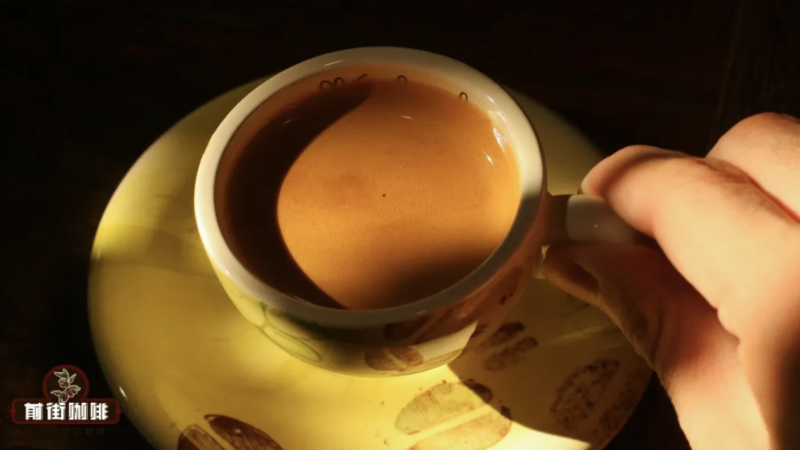
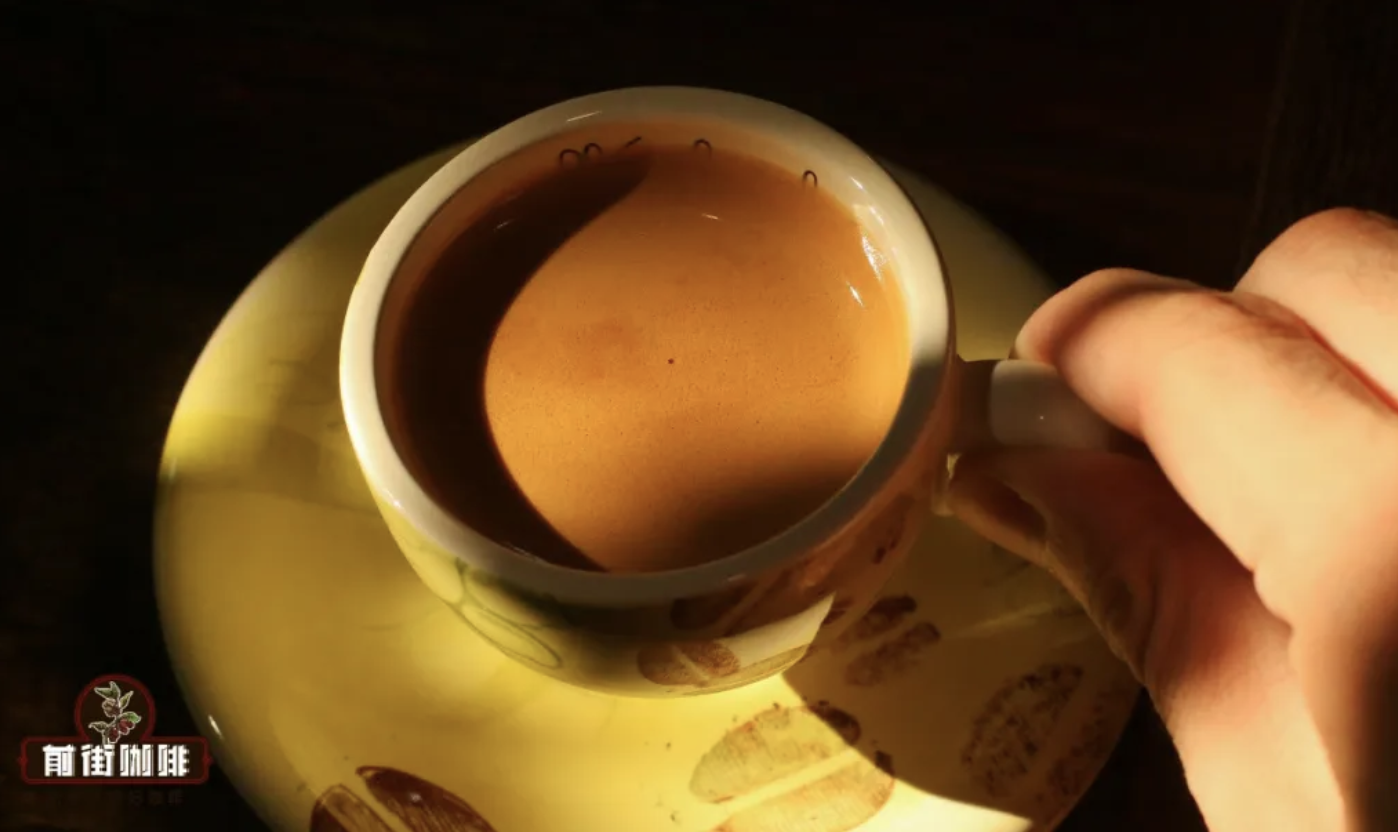
Many people buy a home espresso machine with one first goal: to extract thick, dense crema like a coffee shop. But after struggling with grind size, dose, and water temperature, the crema is still thin—and the problem is often not the machine, but the beans.
Crema is the foam layer formed by the emulsification of carbon dioxide and fats during espresso extraction. It is not just for looks; it also affects mouthfeel smoothness, aroma release, and latte art in milk coffee. Choose the right beans, and beginners can quickly extract decent crema too.
If crema is lacking, check the beans first
If your home espresso machine cannot produce crema no matter how you adjust it, do not rush to change machines. First check whether the beans in your hands are suitable for espresso extraction.
Some light-roast or medium-roast filter beans have great flavor, but their crema performance is usually not as good as espresso-specific blends. Although dark-roasted beans are rich in crema, if they are over-roasted or stored for too long, the carbon dioxide escapes, and you still will not extract thick crema.
So when choosing beans for espresso, crema performance is one of the important indicators. Espresso-specific blends are formulated and roasted with "crema + richness" in mind.
Front Street Classic Blend: A representative crema-focused bean
Front Street Classic Blend uses the traditional Mamba recipe, a combination of Brazilian beans and Mandheling beans. Brazilian beans provide nutty sweetness and a thick body, while Mandheling brings richness and herbal notes, making the overall flavor rich and warm.
The biggest advantage of this bean is its outstanding crema performance. Even with a home semi-automatic machine, as long as the grind size and dose are roughly on point, you can basically extract fine, dense crema. For beginners, this high fault tolerance bean can help you avoid many detours.
Moka pot users can use it too
The pressure of a moka pot is far lower than that of an espresso machine, so its requirements for bean crema and richness are actually higher. Beans with insufficient crema tend to produce a weak brew in a moka pot, and adding water or milk still leaves little coffee flavor.
A crema-focused bean like Front Street Classic Blend can well make up for the moka pot's lack of pressure. The extracted concentrate is rich and full-bodied; add water and it becomes a decent americano, add milk and it becomes a smooth latte.
Beginner extraction reference
When extracting with Front Street Classic Blend, you can refer to the following parameters:
Dose: about 12-14 g for a single, about 18-20 g for a double
Grind size: finer than pour-over, close to fine granulated sugar
Extraction time: 25-30 seconds
Yield: about 30 ml for a single, about 60 ml for a double
There is no need to pursue absolute precision; this bean's fault tolerance is high enough. First get the process running smoothly—extracting crema, no spraying, no clogging—and then fine-tune slowly later.
If you want to drink coffee-shop-level milk coffee at home, you do not need to upgrade your equipment first. Start by switching to the right beans. Front Street Classic Blend performs in a balanced way in crema, flavor, and stability, making it a choice that both home espresso machines and moka pots can handle easily.
The above content is compiled by CoffeeHunters, a coffee news website.

