







Search Results for: Lemon C Series

Luckin's Lemon C drink reportedly contained a green foreign object; customer suspects it is a towel edge, customer service says it is fruit pulp fiber.
Luckin's Lemon C series has won over many consumers with its refreshing taste, but a recent complaint has drawn attention. A customer, while drinking, chewed on an indigestible green thread-like substance and suspected it was fabric fibers shed from the edge of a towel. Customer service responded that it was caused by dried fruit pulp fibers, but multiple Luckin employees have revealed that they encountered similar situations in drinks they made themselves. Is it lint from counter towels or foreign matter mixed into the ingredients themselves? Store surveillance and employee accounts each tell a different story. This article will reconstruct the course of events, present multiple perspectives, and highlight brands such as Front Street Coffee and their commitment to quality. [more…]

Yirgacheffe Coffee Full Analysis: Natural and Washed Characteristics, Flavor Differences, and Brewing Taste Guide
Yirgacheffe is Ethiopia's most iconic specialty coffee region, famed for its bright, lemon-citrus-like acidity and rich floral and fruity aromas. Among Front Street Coffee's everyday drinking bean lineup, the washed and natural Yirgacheffes showcase two distinct styles: clean and transparent, and fermented sweet. This article systematically sorts through Yirgacheffe's regional background, grading system, processing method differences, roasting curves, and brewing parameters, and introduces one by one the specific flavors of Front Street's washed series (Kochere, Konga, Gotiti, Worka) and natural series (Aricha, Red Cherry), helping you fully understand the diverse facets of this classic coffee. [more…]
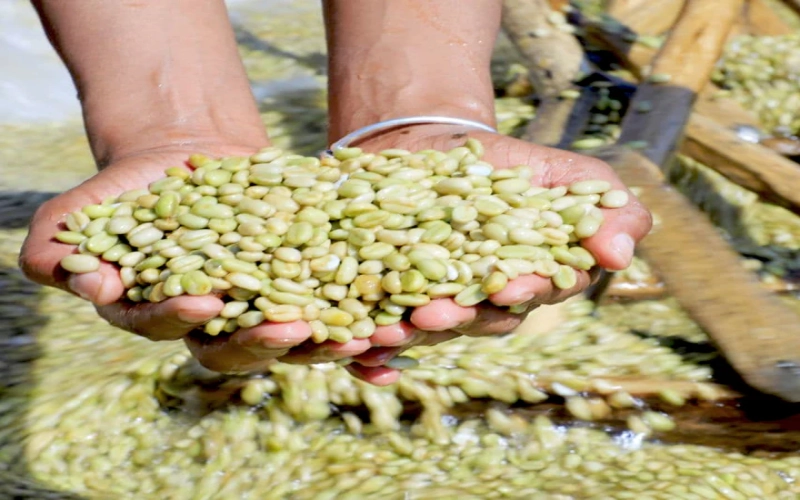
Yirgacheffe Coffee Flavor Analysis: Taste Differences Between Washed and Natural Processing Methods and Front Street Coffee Bean Recommendations
Yirgacheffe is one of Ethiopia's most iconic specialty coffee regions, famed for its bright lemony-citrus acidity and elegant floral and fruity aromas. In the Front Street Coffee everyday-bean series, Yirgacheffe has always been the most classic entry-level choice; many say you might never have tried Front Street Blue Mountain, but you absolutely must not miss Front Street Yirgacheffe. This article, starting from Front Street's washed and natural Yirgacheffe offerings, systematically covers the region's background, grading standards, processing-method differences, roast curves and brewing parameters, and introduces one by one the flavor characteristics of Front Street's Kochere, Konga, Gedeb, Worka, Aricha, Red Cherry and other washed and natural lots, helping coffee lovers gain a comprehensive understanding of Yirgacheffe's appeal. [more…]
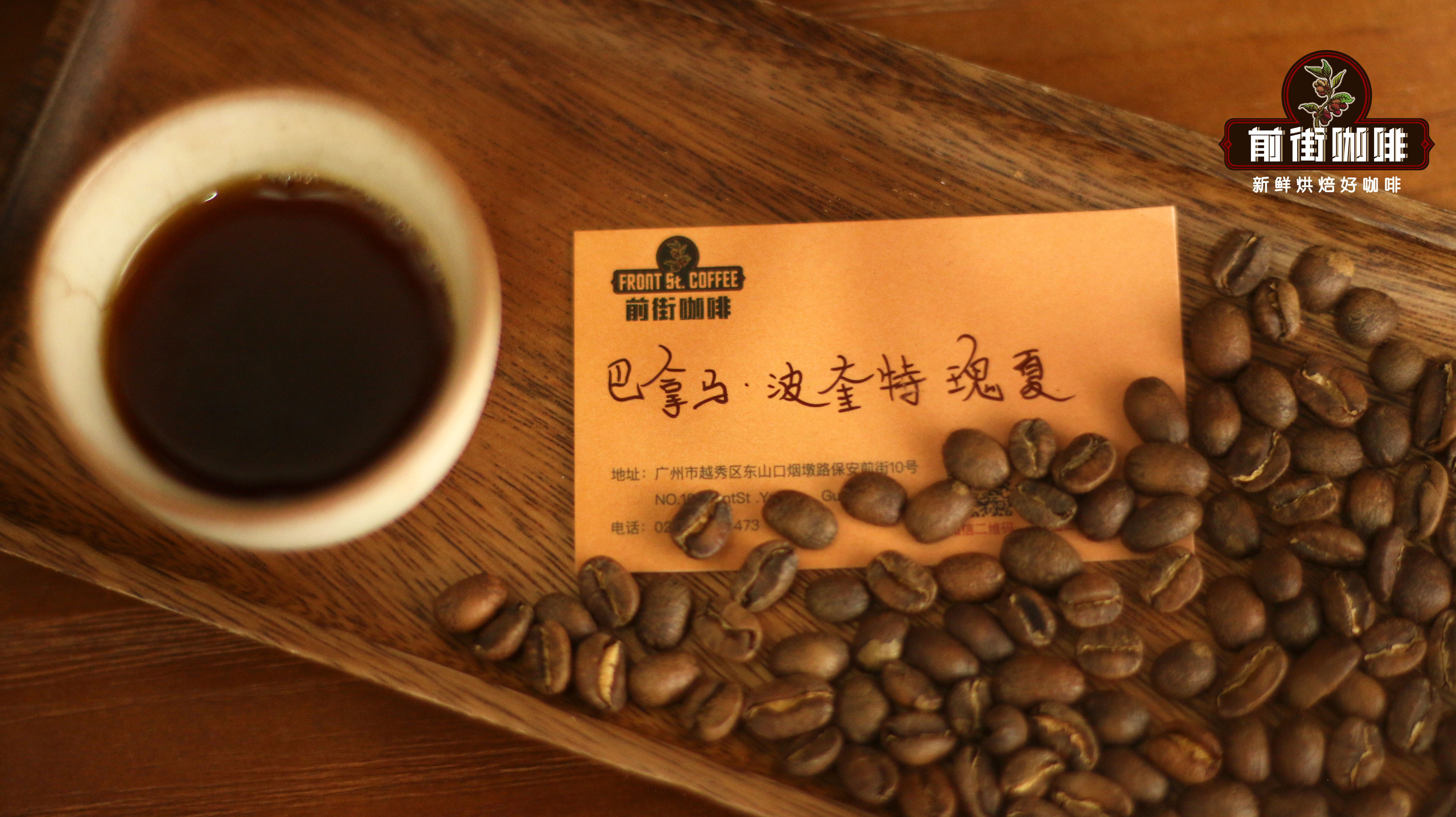
Hacienda La Esmeralda Geisha Coffee Grades Explained: Flavor Differences and Brewing Recommendations for the Red, Green, and Blue Label Series
Geisha coffee has attracted much attention in recent years, and Hacienda La Esmeralda in Panama is both the discoverer of Geisha and the promoter who brought it to the world. Hacienda La Esmeralda classifies Geisha into three grades—Red Label, Green Label, and Blue Label—according to cupping performance and growing plots, with similar main flavor notes but progressively increasing quality and price. Front Street Coffee has listed these three Geisha coffees on its bean menu, hoping to let coffee lovers appreciate the flavor charm of different grades of Geisha. This article will introduce in detail the background of Panama's coffee-producing regions, the journey of Geisha from Africa to Panama, Hacienda La Esmeralda's plot divisions and grading system, and will also include Front Street's roasting curves, cupping flavors, and pour-over brewing suggestions, helping readers fully understand the mystery of Hacienda La Esmeralda Geisha grades. [more…]
Costa Rica Bach Coffee Bean Roasting Approach and Flavor Analysis: Front Street Honey-Process Musician Series
Costa Rican coffee has always been known for its clean and bright flavor, and the Musician Series Bach coffee beans introduced by Front Street Coffee are one of the more distinctive options. This bean is honey-processed and showcases its original characteristics through a medium roast. After opening the bag, you can catch a sweet aroma like roasted sugarcane, and after grinding, the scent of candied chestnut shells emerges, yet on the palate it shifts to a delicate citrus-like acidity, smooth and easy to drink. Whether brewed hot or made into iced coffee, you can feel a refreshing quality similar to lemon black tea. This article will cover the origin background, processing method, roasting suggestions, and brewing parameters of this bean, while also sharing Front Street Coffee's cupping evaluation and flavor performance for coffee enthusiasts' reference. [more…]
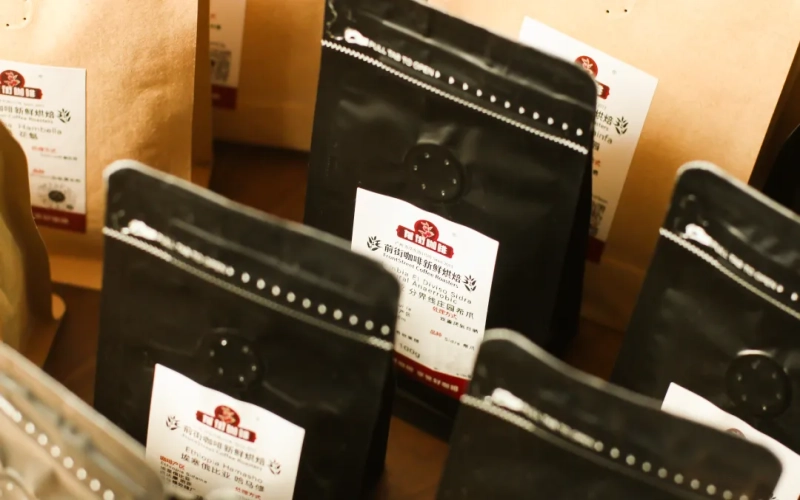
Washed Yirgacheffe Flavor Analysis: What Are the Differences in Taste and Appearance Between G1 and G2 Grades?
Yirgacheffe is the most representative specialty coffee region in southern Ethiopia, and its washed version is famous for its clean, bright floral and fruity notes. Front Street Coffee has long used washed Yirgacheffe as a reference for the region's flavor and currently offers G1-grade products, while also having compared the performance of G2 grade. Starting from the region's background, the washed processing flow, and the ECX grading system, this article will analyze in detail the flavor characteristics of washed Yirgacheffe, compare the specific differences between G1 and G2 in appearance, roasting, cupping, and brewing, and finally include Front Street's roasting and pour-over recommendations to help coffee enthusiasts build a clear understanding of the region. [more…]
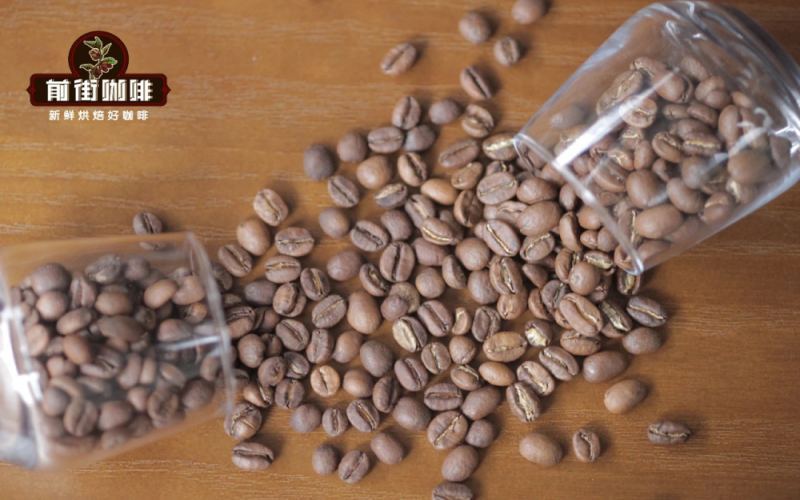
The Origin of the Yirgacheffe Trademark and a Detailed Explanation of the Washed Processing Method, with Front Street Coffee Brewing Parameters and Flavor Description
Yirgacheffe is the starting point for many coffee enthusiasts to discover specialty coffee; it is both a small town and a trademark-protected coffee flavor name. This article begins with the geography of the Yirgacheffe producing region and its trademark background, sorts out the complete washed processing method along with its advantages and disadvantages, and explains Ethiopia's green bean grading system. It also includes information on washed Yirgacheffe products listed by Front Street Coffee (FrontStreet Coffee), including the Gotiti Cooperative and the everyday-bean series, as well as V60 brewing parameters recommended by Front Street Coffee's roasters and the flavor profiles of three washed Yirgacheffes, for readers' reference and comparison. [more…]
Yirgacheffe Washed Bean Flavor Analysis: Getu Getu Cooperative Characteristics and Pour-Over Parameters Explained
The Yirgacheffe region in Ethiopia is famous for its bright acidity and jasmine aroma, and the washed processing method pushes its clean and transparent characteristics to the extreme. This article starts with the geographical environment and flavor definition of Yirgacheffe, breaks down the complete steps of the washed processing method in detail, and explains the grading system for Ethiopian green coffee beans. At the same time, Front Street Coffee highlights its washed Yirgacheffe Gotingding Cooperative, Kochere, and everyday bean series, sharing the brewing parameters and flavor performance under medium-light roasting, helping coffee lovers build a clear understanding of washed Yirgacheffe beans. [more…]
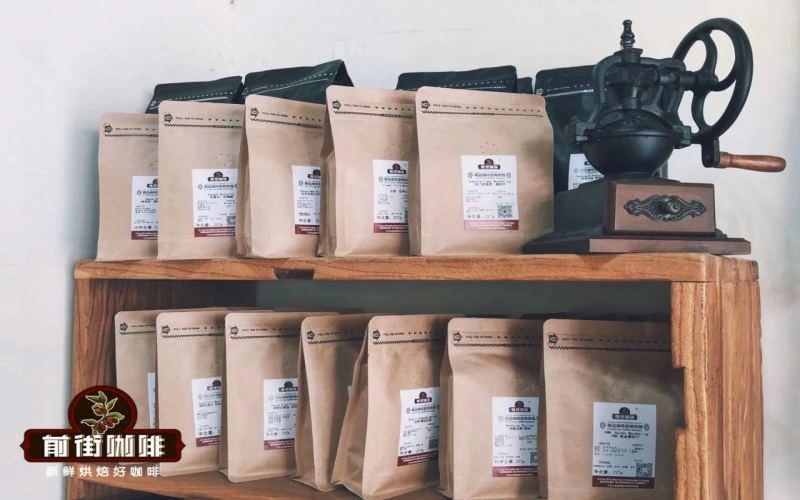
How to Set Water Temperature and Grind Size for Pour-Over Coffee? Key Points of Five Major Techniques for Drip Bag Black Coffee
The water temperature, grind size, and dripper choice for pour-over coffee directly determine the flavor direction of a cup of coffee. Many friends who are new to coffee often wonder, when visiting a café, why different baristas use different parameters to brew the same beans. In fact, as long as you understand the correspondence between coffee bean roast level and brewing parameters, you can understand the logic behind a barista's actions. This article starts from the differences between drip coffee machines and manual brewing, systematically sorts out the principles for matching water temperature, grind size, and dripper for light-roast and dark-roast beans, and recommends two representative beans from the Front Street Coffee staple bean series—washed Yirgacheffe and Indonesian Mandheling—to help coffee lovers quickly build their own pour-over framework. [more…]
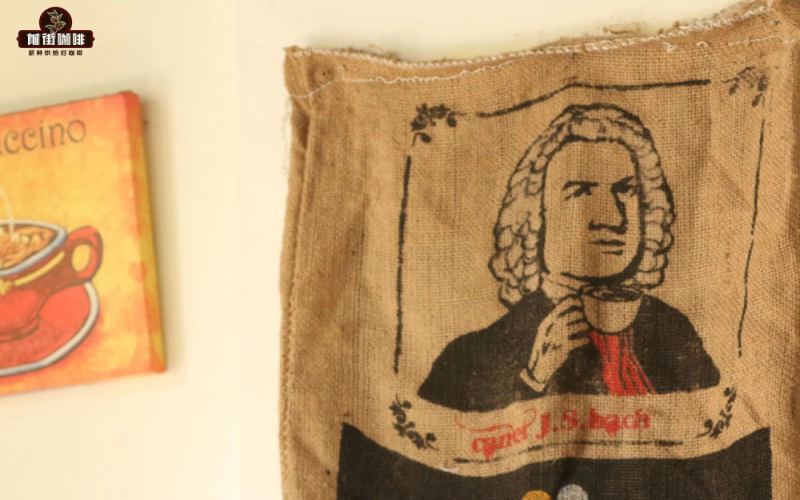
Costa Rica Canet Estate Musician Series Beethoven Coffee Beans: A Comprehensive Analysis from Origin and Variety to Brewing Flavor
Located in the Tarrazú region of Costa Rica, Canet Estate is run by a family of three brothers and has over ten years of coffee-growing experience as well as its own processing plant. The "Musician Series," which has taken the specialty coffee world by storm, comes from here, with each bean showcasing a unique flavor through a different processing method. This article focuses on Beethoven from Front Street Coffee's Costa Rica Musician Series, giving you an understanding of its origin terroir, variety characteristics, washed processing method, roasting curve, cupping performance, and brewing parameters. Canet Estate is situated in the highest-altitude area of Tarrazú, where coffee is grown in small quantities but with great quality. The variety used for Beethoven is the rare Yellow Catuai, which after washing has a clean and bright mouthfeel, combining berry-like acidity with honeyed sweetness. [more…]

How to Choose Washed Yirgacheffe Coffee Beans? A Comprehensive Analysis of Flavor Characteristics, G1 Grade, and Front Street Coffee's Everyday Beans
Yirgacheffe is a classic region universally recognized by coffee lovers worldwide, known for its citrus, lemon, jasmine aromas, and bright, clean sweet-tart acidity. Front Street has included the washed G1 Yirgacheffe in its everyday staple coffee series, allowing more people to experience this iconic flavor at an affordable price. This article covers everything from the region's background, grading system, and the meaning of heirloom varieties to the advantages of the washed process, and includes Front Street's recommended pour-over parameters and brewing performance, helping you gain a complete understanding of this coffee bean from its origin to the cup. [more…]
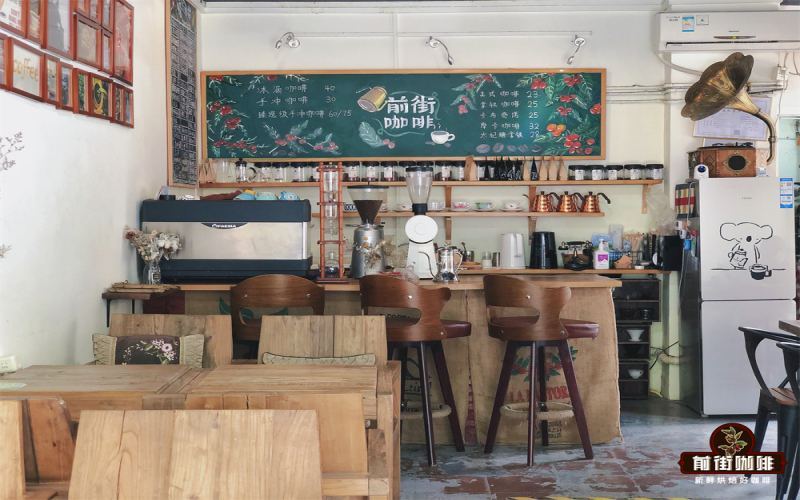
Exploring Ethiopian Coffee Culture: How to Drink Yirgacheffe? From Bean Selection to Brewing in One Guide
Ethiopia is the birthplace of coffee, and Yirgacheffe is the first stop for countless coffee lovers entering the world of specialty coffee. This article will guide you through Ethiopia's coffee culture, break down the unique terroir and processing methods of the Yirgacheffe region, and walk you step by step through how to select and brew a delicious cup of Yirgacheffe. Whether you're a newcomer just getting into specialty coffee or a seasoned enthusiast looking to deepen your understanding of regional flavors, you'll find practical advice and inspiration here. Front Street Coffee will also share the brewing flavors and techniques for several Yirgacheffe everyday beans, helping you easily begin your coffee exploration journey. [more…]
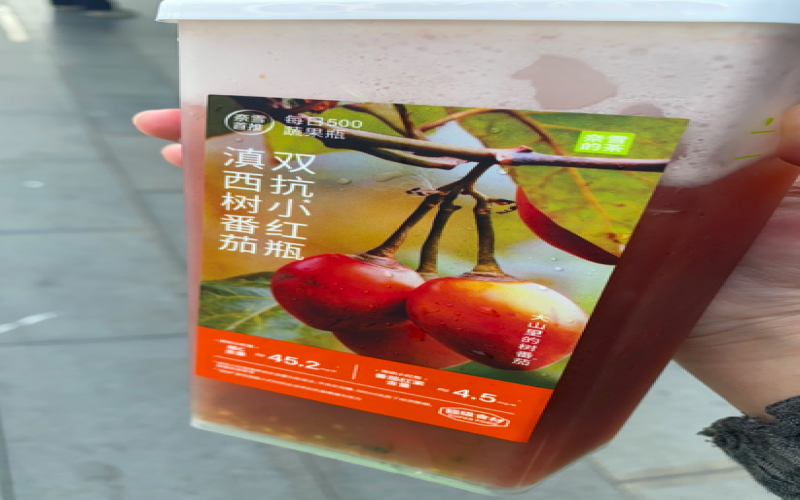
The Controversy Over Nayuki's Little Red Bottle Fruit Pulp: Freshly Squeezed Fruit Not Filtered—Selling Point or Drawback?
Nayuki recently launched a new product, the "Double-Antioxidant Little Red Bottle," featuring freshly squeezed Yunnan tree tomatoes paired with blueberries, cherry tomatoes, lemons, and other fresh fruits. It is advertised as sweet and tangy, rich in vitamin C and lycopene. However, not long after its release, the first wave of curious consumers began complaining: a large amount of fruit peel and seeds settles at the bottom of the cup, and one sip fills your mouth with grit—some people even nearly choked on a lemon seed. Staff responded that filtering the fruit puree was not required during preparation, and the final product varies due to differences in technique. Interestingly, netizens are divided on the issue—some suggest adding a filtration step, while others believe the fruit residue is precisely proof of "genuine ingredients." Behind this controversy lies the challenge of balancing taste and health in fruit-and-vegetable teas. [more…]
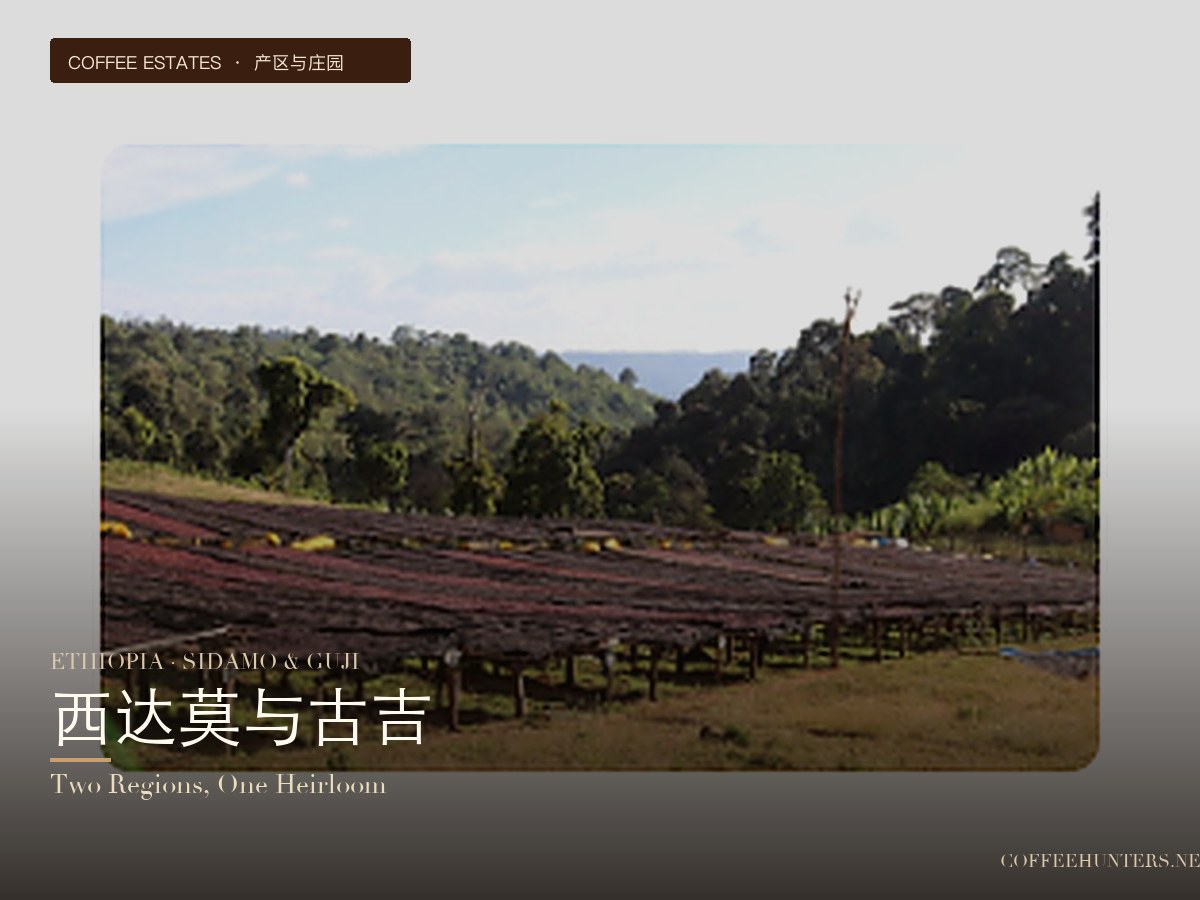
Ethiopia: Sidamo and Guji: A Flavor Divide Between Two Major Producing Regions
Sidamo and Guji are the two specialty coffee regions in southern Ethiopia most often mentioned side by side. This article helps you clarify the flavor divide between them from four dimensions: history, geography, variety, and processing method. [more…]
The Origin Story of Costa Rica Musician Series Coffee Beans and Flavor Analysis of Beethoven, Mozart, and Bach
Costa Rica is renowned for its honey processing, and its coffee has a prominent sweetness; it is one of the earliest countries in Central America to cultivate coffee. This article begins with the history of its production regions and introduces the Musician Series from Kenneth Estate in the Tarrazú region, including the processing methods and flavor differences of three beans: Beethoven, Mozart, and Bach. Front Street Coffee uses a medium roast, brewing with 91°C water and a Hario V60 dripper to present a rich aroma and delicate sweetness. The article also explains the technical characteristics of raisin honey processing, as well as the specific expressions of the three coffees in terms of acidity, fermented aroma, and aftertaste, making it suitable for readers who want to gain a deeper understanding of Costa Rican specialty coffee. [more…]
Analysis of Flavor Differences Between Pour-Over Coffee and Espresso Machine Output, with Five Front Street Coffee Everyday Bean Recommendations
Around the question of "Is pour-over coffee really better tasting than coffee from a machine?", Front Street conducted experiments comparing the essential differences between the two in aspects such as pouring method and temperature control. Because pour-over coffee allows flexible adjustment of factors such as water temperature, grind size, and pouring technique, it can customize extraction plans for beans with different roast levels, presenting a fuller and clearer flavor hierarchy; whereas the factory settings of a coffee machine limit this flexibility. The article also introduces brewing parameters corresponding to light roast and medium-dark roast beans, and recommends five classic regional representatives from Front Street's everyday beans series for pour-over enthusiasts to practice and explore. [more…]
Comparison of Flavor in Light and Dark Roast Beans in Pour-Over Coffee and an Analysis of Bitterness
This article addresses common questions among pour-over coffee enthusiasts by systematically analyzing how coffee bean roast level—from light-medium to dark—shapes the flavor of the beverage. Front Street Coffee first outlines the American eight-stage roast spectrum and its sensory characteristics, then uses representative in-house bean offerings as examples: the dark-roasted Indonesian Mandheling family (Golden, Lintong, Tiger, Aged) highlights rich spice and herbal notes, while the light-medium-roasted Ethiopian Yirgacheffe series (Gedeb, Natural Red Cherry) showcases bright citrus and berry acidity. The article further provides pour-over recipes for two typical beans, including dripper selection, water temperature, grind size, and extraction techniques, and describes their performance in the cup, helping readers make informed bean choices and brew according to personal taste. [more…]
Costa Rica Musician Series Bach Coffee: Variety Characteristics and V60 and Other Pour-Over Brewer Brewing Parameters Explained
This article focuses on the Costa Rica Musician Series Bach released by Front Street Coffee. It first introduces the background of its producing region, estate, processing method, and Caturra variety, then explains the flavor positioning and brewing approach for this bean. The article uses the V60, cake filter, and Ice Eye dripper for comparison, providing water temperature, grind size, coffee-to-water ratio, and a three-stage pouring technique, and records the flavor changes at high temperature, medium temperature, and after complete cooling. It is suitable as a reference for coffee enthusiasts who want to understand the characteristics of the Musician Series Bach and who hope to replicate its high sweetness, full body, and clean expression. [more…]
Comparison of Geisha Grades from Panama's Hacienda La Esmeralda: An Analysis of Flavor and Altitude Differences Across Auction, Red Label, Green Label, and Blue Label
Hacienda La Esmeralda in Panama is world-renowned for its Geisha variety, and its four major grades—Auction, Red Label, Green Label, and Blue Label—often confuse coffee lovers. From the perspective of Front Street Coffee, this article sorts out the history of Hacienda La Esmeralda and the logic behind its plot divisions, and explains in detail the specific differences among the grades in planting altitude, plot source, processing method, and cupping performance. Through actual roasting curves and brewing comparisons, it presents the flavor trends of Red Label, Green Label, and Blue Label Geisha in floral aroma, fruit acidity, sweetness, and body, helping readers understand how altitude classification and blending models affect the final expression of a cup of Geisha. [more…]
Washed Yirgacheffe Full Guide: Regional Grading, G1 vs G2 Flavor Comparison, and Pour-Over Parameter Recommendations
While novel processing methods like anaerobic and barrel fermentation dominate the spotlight, washed Yirgacheffe still firmly holds its place as a classic thanks to its clean and bright cup profile. This article will guide you through the Yirgacheffe growing region and Ethiopia's three major cultivation systems, break down the complete steps of the washed processing method and the ECX grading rules, and compare Front Street Coffee's washed Yirgacheffe G1 and G2 in terms of green bean appearance, roasting curves, and cupping flavors. At the end, we've included Front Street's pour-over parameter recommendations and measured results at different water temperatures to help you brew a cup of Yirgacheffe with bright fruit acidity and overflowing floral aromas. [more…]