






How does grind size change pour-over coffee?
To use a drip coffee machine, the user can only adjust the dose of grounds and the grind coarseness, because water temperature and dispensing are preset at the factory. Manual pour-over gives full control: match water temperature and grind size to the roast level, using finer grinds and slightly cooler water for light roasts and coarser grinds for dark roasts.
Roast level and brewing parameters move together. Light-roast beans such as washed Yirgacheffe extract better with hotter water and a finer grind, while darker Indonesian Mandheling beans do better with a coarser grind and lower temperature. Dripper choice then shapes the flow rate and the final flavor direction of the cup.
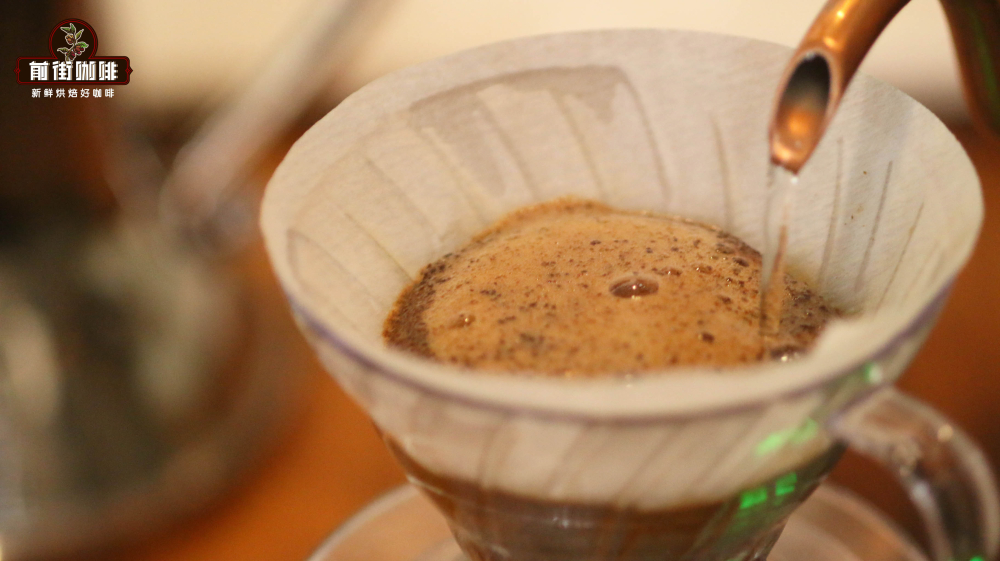
The water temperature, grind size, and dripper choice for pour-over coffee directly determine the flavor direction of a cup. Many friends who are just getting into coffee often wonder, when visiting cafés, why different baristas use different parameters when brewing the same beans. In fact, as long as you understand the correspondence between coffee bean roast level and brewing parameters, you can understand the logic behind a barista's actions. This article starts from the differences between drip coffee machines and manual brewing, systematically sorts out the water temperature, grind size, and dripper pairing principles for light-roast and dark-roast beans, and recommends two representative beans from the Front Street staple bean series—washed Yirgacheffe and Indonesian Mandheling—to help coffee lovers quickly build their own pour-over framework.
Many friends who are just beginning to explore coffee will always order a pour-over coffee whenever they walk into a café they have never visited before. The most enjoyable part of drinking coffee in a shop is probably watching the barista weigh, grind, and pour water over the beans chosen for you.
Interestingly, however, every barista often uses different equipment, water temperature, and other conditions when brewing coffee. If you are fairly familiar with the basics of pour-over coffee, you can understand the intention behind each of the barista's steps based on the basic information of the beans.
Compared with the coffee machine in the office, some friends cannot help asking: is pour-over coffee really tastier than coffee made by a machine? Front Street previously did a comparison and published a related article on its official account. The article mentioned that drip coffee machines usually have parameters such as water temperature and water dispensing method preset by the manufacturer at the factory. As users, the only things we can adjust are the amount of coffee grounds and the coarseness of the grind. Because of this, drip coffee machines of different brands, types, and designs can produce differences in flavor and mouthfeel even when using the same beans. Some taste good, some are not ideal—this is all very common.
The method Front Street most advocates is full manual control throughout the process. If you like cold drinks, you can try cold brew coffee, ice drip coffee, or iced pour-over; if you prefer hot drinks, then choose pour-over coffee.
Friends who have visited Front Street stores know clearly that Front Street's coffee is divided into two categories: espresso coffee and drip coffee, among which the drip category only includes ice drip coffee and pour-over coffee. Among all categories, pour-over coffee is the type Front Street produces most frequently.
Front Street's baristas have already written many educational articles around the basics of pour-over coffee, such as the standard for pour-over coffee grounds coarseness and pour-over coffee temperature. Front Street's bean list has nearly fifty beans, so how do baristas design brewing plans based on the characteristics of each bean? The answer is: determine the water temperature, grind size, and dripper according to the depth of the roast.
For example, coffee beans from African regions are known for their bright acidity, and most are medium-light roasted. Because the roast level is relatively light, the flavor compounds in the coffee dissolve more slowly. In order to extract high-quality acidity and aroma, it is necessary to use a higher water temperature (93°C) and a finer grind size (80% passing rate on the Chinese standard No. 20 sieve). Since high temperature accelerates the release of substances from coffee particles, in order to prevent over-extraction caused by too long contact between water and coffee grounds, it should be paired with a faster-flow dripper (Front Street recommends using Hario V60).
If the coffee beans are more deeply roasted, because the substances in the coffee dissolve faster, it is necessary to use a lower water temperature (88°C) and a coarser grind size (70% passing rate on the Chinese standard No. 20 sieve). Because the water temperature is lower, the dissolution rate of substances in the coffee grounds will be relatively slower. In order to avoid under-extraction caused by too short a time for water to pass through the coffee grounds, it should be paired with a slower-flow dripper (Front Street recommends using the KONO dripper).
Hearing this, do some friends already feel eager to try and brew a cup themselves? Don't rush—Front Street will first give a pour-over coffee bean recommendation so you can try both methods.
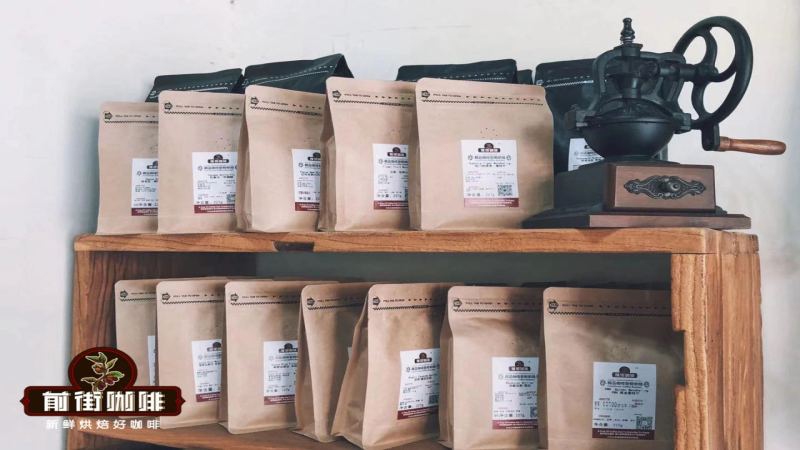
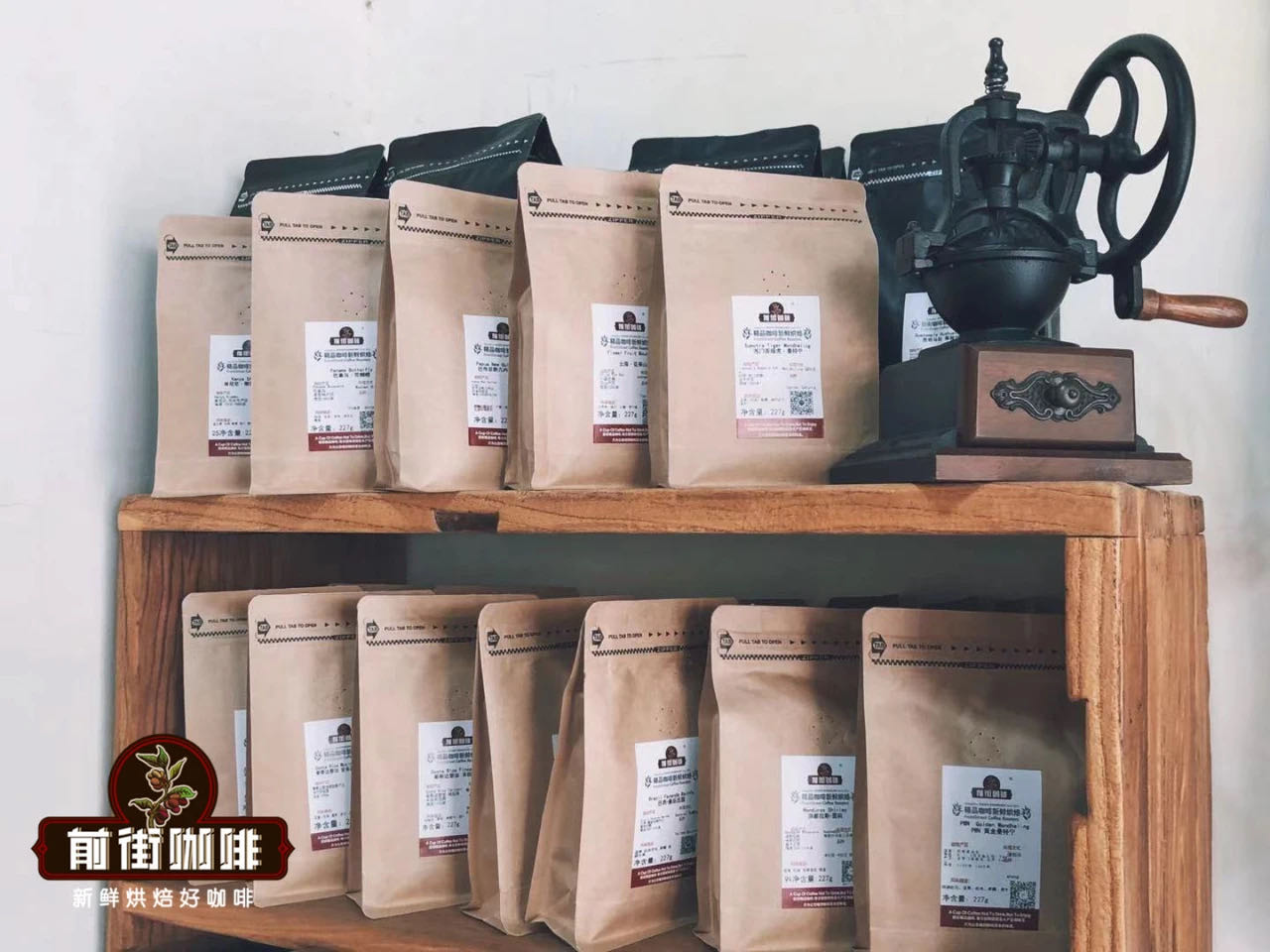
As a representative of light roast, you can try the washed Yirga from the FrontStreet Coffee staple bean series. Front Street's staple bean series covers coffee beans from various important producing regions, and it is a highly cost-effective series that allows coffee beginners to quickly find the regional flavor they prefer. In order to let everyone taste the most basic regional flavors, most beans in this series use the washed processing method.
Ethiopia is the coffee-producing country that coffee beginners hear about most often and also drink most often. Within Ethiopia, the Sidamo region and the Yirgacheffe region are the most well-known. Coffee from the Sidamo region is mostly sun-dried, and its signature characteristics are berry-like acidity and a creamy mouthfeel. The Yirgacheffe region, after introducing the washed processing method in the 1970s, has mostly been presented in washed form. Washed Yirgacheffe has intense white floral notes, lemon-like acidity, and a clean, refreshing mouthfeel—very charming.
FrontStreet Coffee: Washed Yirgacheffe Coffee Beans
Region: Yirgacheffe, Ethiopia
Altitude: 1,800 m—2,000 m
Variety: local heirloom varieties
Processing method: washed processing
Brewing flavor: jasmine, berries, lemon, citrus
The Yirgacheffe region originally belonged to the Sidamo region, but because Yirgacheffe coffee has a unique white floral aroma, for a time coffee farmers in other areas of Ethiopia rushed to label their coffee as Yirgacheffe. Later, under pressure, Yirgacheffe became independent from the Sidamo region and became a separate producing region.
The dark-roast representative selected by Front Street also comes from the staple bean series: a Mandheling from Sumatra, Indonesia. Mandheling coffee, like Blue Mountain coffee, became famous as early as the last century. Richness is their shared label, and it is also the first choice for friends who do not like obvious acidity.
The highly distinctive post-processing method for green beans in Sumatra, Indonesia, gives Mandheling coffee its unique flavor and also brought this processing method successfully into public view. Because the weather in Indonesia is often uncertain, it cannot meet the conditions required for sun-dried processing. In addition, local economic conditions are limited, so a unique semi-washed processing method here—wet hulling—came into being.
Coffee beans processed by wet hulling are thicker and smoother in mouthfeel, and may even present aromas such as spices and herbs as the temperature changes.
FrontStreet Coffee: Indonesia·Mandheling Coffee Beans
Region: Lintong, Sumatra, Indonesia
Altitude: 1,100 m—1,600 m
Variety: Tim Tim, Ateng
Processing method: wet hulling
Brewing flavor: baked toast, nuts, caramel, pine, herbs
For more coffee bean information, please follow Coffee Workshop (WeChat public account: cafe_style)
For professional coffee knowledge exchange, please add WeChat ID: kaixinguoguo0925
The above content is compiled by CoffeeHunters, a coffee news website.


