







How does roast level change pour-over flavor?
Roast level decides how a bean tastes in the cup. Light and medium-light roasts keep bright acidity, so a Yirgacheffe from Ethiopia reads as citrus and berry. A deep roast, such as an Indonesian Mandheling, trades that acidity for spice, herbs and a heavier body. Neither is better; they suit different palates.
The eight-stage American roast scale runs from light cinnamon roasts to dark French styles. Green beans from different arabica coffee producing countries respond differently: high-grown Ethiopian lots hold acidity well under light roasting, while wet-hulled Sumatran beans develop their herbal depth at medium-dark to dark levels.
This article addresses common questions among pour-over coffee enthusiasts by systematically analyzing how the roast level of coffee beans—from medium-light to dark roast—shapes the flavor of the beverage. Front Street Coffee first outlines the American eight-stage roasting spectrum and its sensory characteristics, then uses representative bean varieties from their shop as examples: the dark-roasted Indonesian Mandheling family (Golden, Lintong, Tiger, Aged) highlights rich spice and herbal notes, while the medium-light-roasted Ethiopian Yirgacheffe series (Gedeb, Sun-Dried Red Cherry) showcases bright citrus and berry acidity. The article further provides pour-over recipes for two typical beans, including dripper selection, water temperature, grind size, and extraction techniques, along with descriptions of the resulting cup profile, helping readers make informed choices about beans and brewing methods based on personal taste.
All lovers of specialty coffee understand that the roast level of coffee beans is equally a key variable determining how a bean's flavor is expressed. Green beans from different geographical origins suit different roast profiles; for example, the Ethiopian Yirgacheffe region is known for its citrus-lemon-like acidity, which is why Front Street Coffee specifically uses a light roast for this bean, aiming to amplify its bright acidic character—the lighter the roast, the more pronounced the acidity. Below, Front Street Coffee provides detailed information on how roast levels affect coffee flavor.
What Is Roast Level?
According to Front Street Coffee, American terminology divides roast levels into three major categories—light, medium, and dark—which can be extended into eight sub-stages, and interpretations of roast intensity vary slightly by region. Below is a brief explanation of each roasting segment and its corresponding flavor: 1. Light Roast: Also called "light roast" Drop timing: Around the onset of first crack Flavor: Bean surface is pale cinnamon in color, with a strong grassy smell, weak body and aroma; mostly for experimentation, rarely consumed.
2. Cinnamon Roast: Also called "cinnamon roast" Drop timing: From the start to the peak of first crack Flavor: Bean surface is cinnamon-colored, grassy notes fade, strong acidity with slight aroma; often used for American-style coffee.
3. Medium Roast: Also called "medium-light roast" Drop timing: Between the peak and end of first crack Flavor: Bean surface is chestnut-colored, mild taste, acidity with some bitterness, balanced aroma, retains the bean's original flavor; often used for American-style or blends.
4. High Roast: Also called "deep roast" Drop timing: End of first crack Flavor: Bean surface is light reddish-brown, crisp and rich body, balanced acidity and bitterness without sharpness, slightly sweet, excellent aroma and flavor; suitable for Blue Mountain and Kilimanjaro, favored in Japan and Central-Northern Europe.
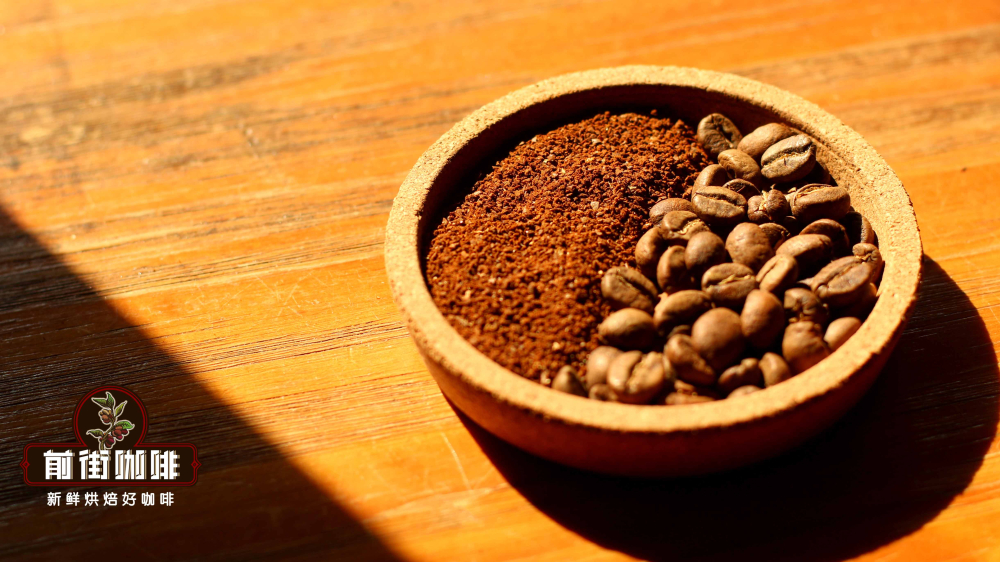
Jamaica Blue Mountain Coffee Beans
5. City Roast: Also called "city roast" Drop timing: After first crack, i.e., the gap between first and second crack Flavor: Bean surface is light brown, bright and lively body, balanced acidity and bitterness with acidity slightly receding, releases quality flavors; the standard roast level, most popular among the masses, suitable for Brazil and Colombia, often used for French press.
Brazil Queen's Estate Coffee Beans
6. Full City Roast: Also called "deep city roast" Drop timing: Second crack Flavor: Bean surface is brown, steady and full body, bitterness stronger than acidity, sweet aftertaste, abundant aroma; Central-South American style, mostly used for iced coffee and black coffee.
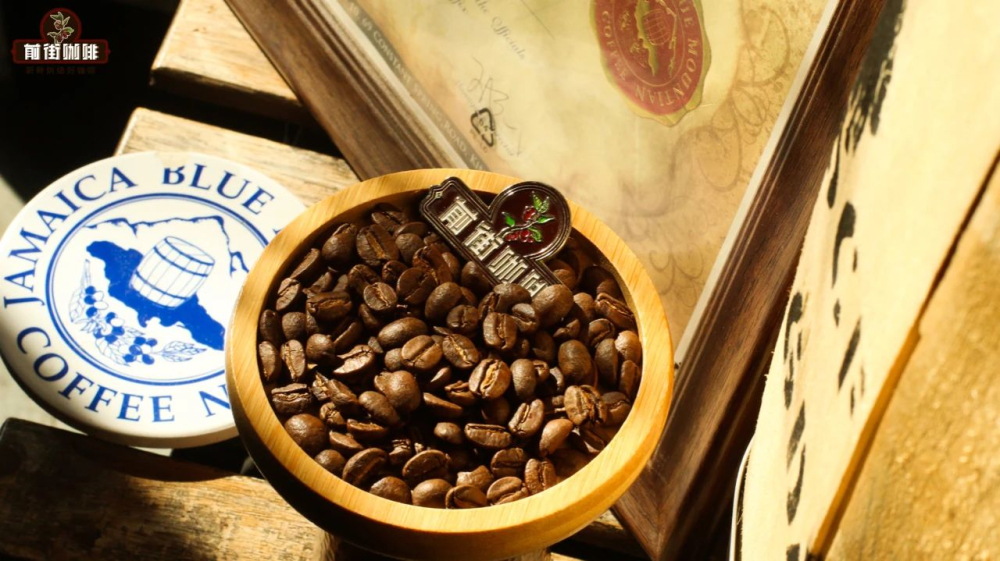
7. French Roast: Also called "French roast" Drop timing: From the peak to the end of second crack Flavor: Bean surface is dark brown, nearly black, intense body, heavy bitterness with almost no acidity, rich chocolate and smoky notes; especially popular in France, used for café au lait and Viennese coffee.
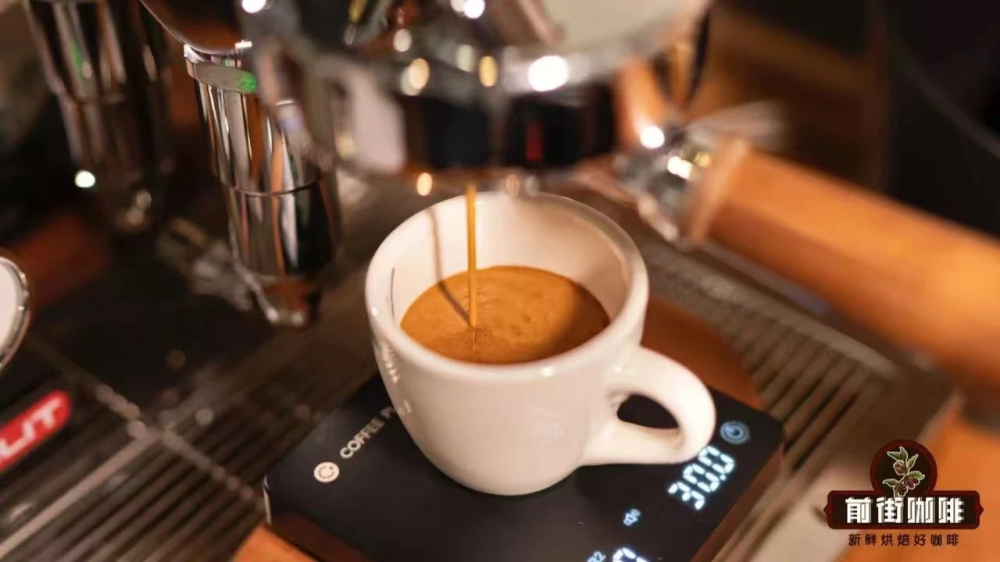
8. Italian Roast: Also called "Italian roast" Drop timing: From the end of second crack until the bean surface turns black and oily Flavor: Bean surface is black and shiny with oil, complex and intense body before fiber carbonization, sharp bitterness, heavy roast and char notes; popular in Latin countries and Italy, used for Espresso.
Espresso
The above is Front Street Coffee's comprehensive overview of coffee roasting. Just as Front Street Coffee's shop focuses on medium-light and dark roast beans as its main offerings, Front Street Coffee will now introduce several representative light-roast and medium-dark-roast beans.
Dark Roast Coffee Beans
The epitome of dark roast at Front Street Coffee is Indonesian Mandheling. The base flavor profile of this region is spice, herbs, and a smooth body, so a dark roast better highlights its essence; a light roast would weaken its original character and lose the soul of Mandheling. Below, Front Street Coffee specifically recommends several dark-roasted Indonesian Mandheling beans.
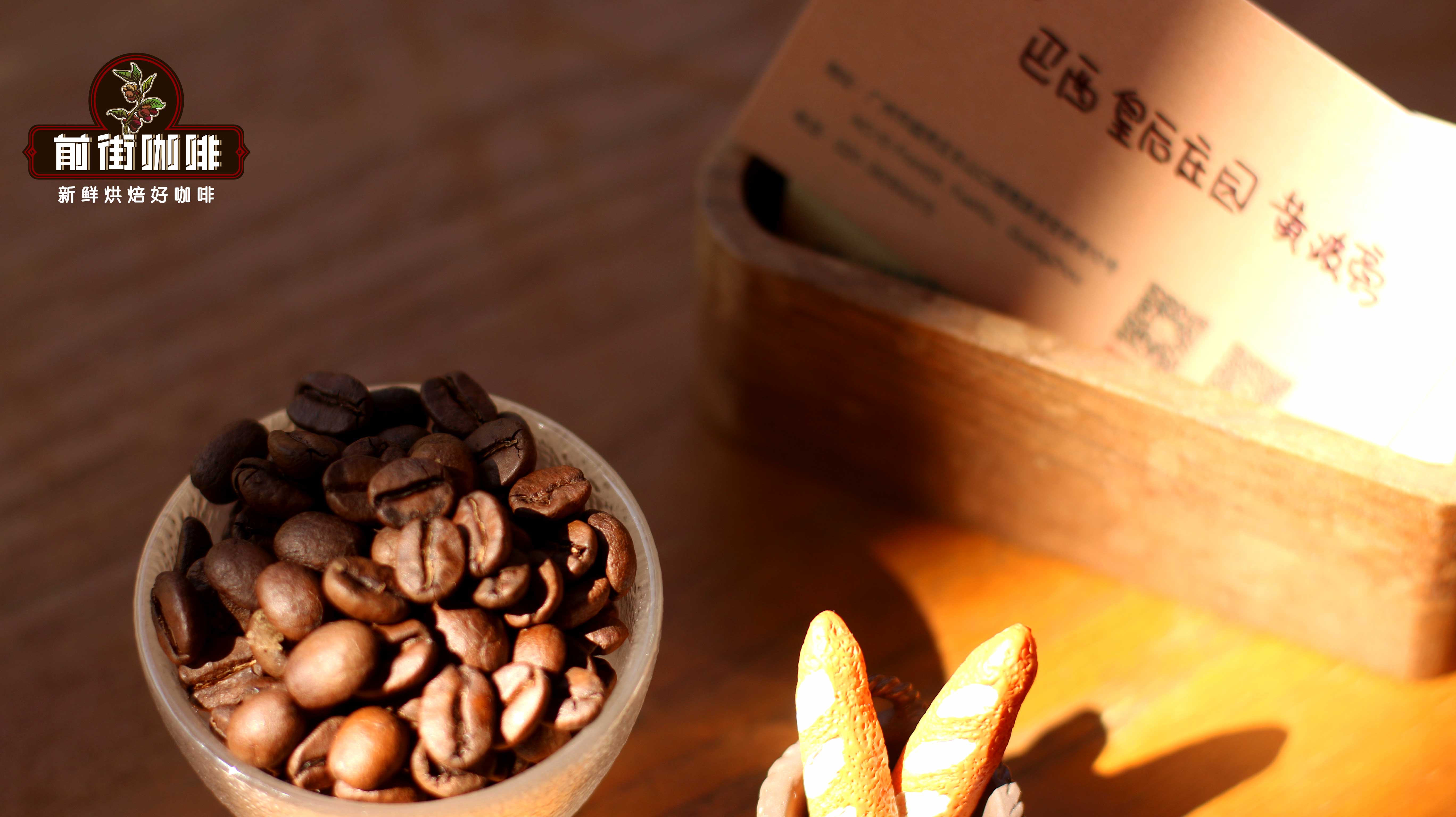
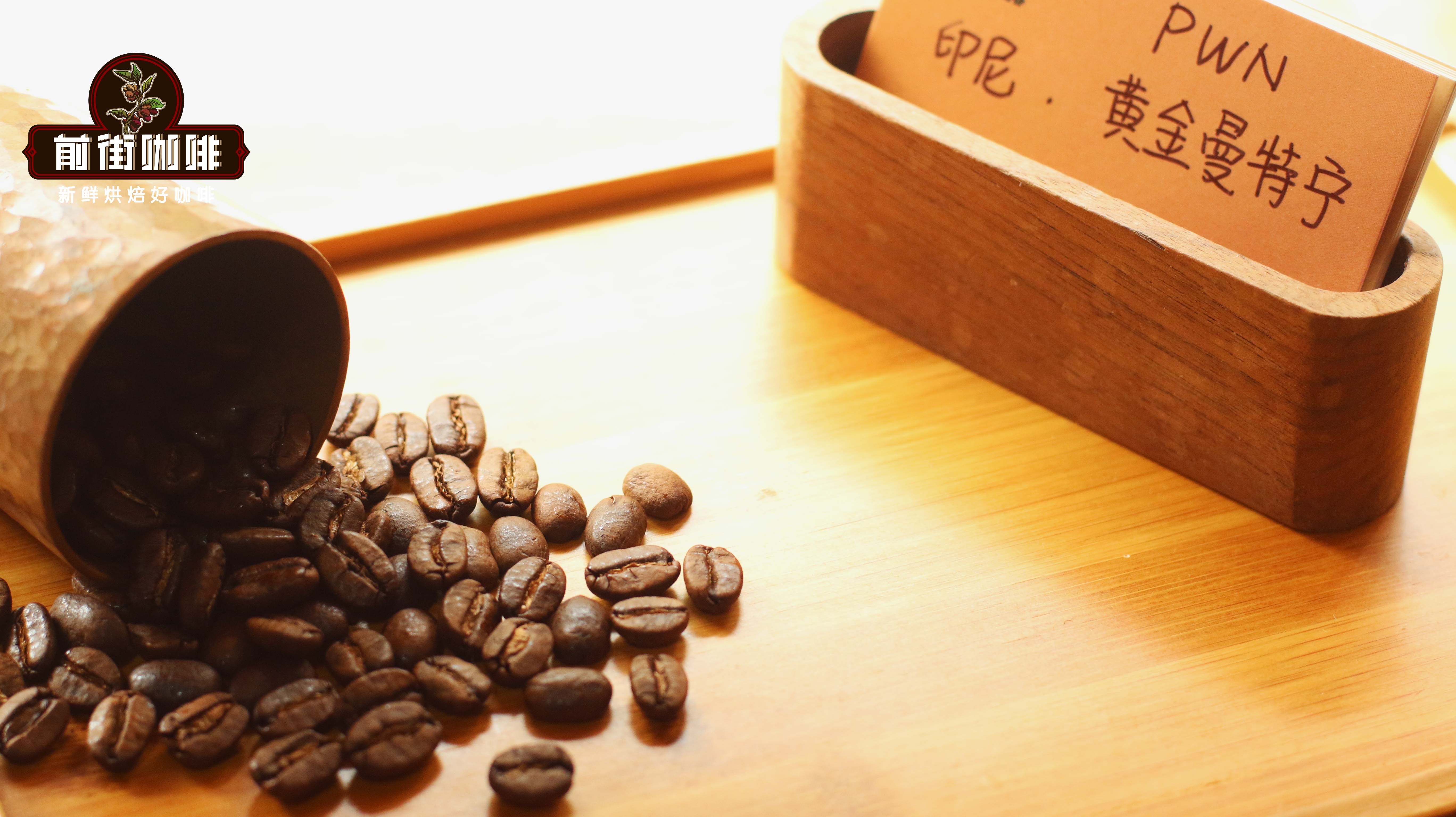
Front Street Coffee: PWN Golden Mandheling Coffee Beans Country: Indonesia Specific Region: Sumatra, Aceh, Mount Gayo Altitude: 1100-1600m Variety: Ateng Processing Method: Wet-hulled Cup Profile: Baked toast, nuts, pine, caramel, herbs
This Golden Mandheling was recently launched by PWN in the past few months. Unlike the previous generation of PWN Golden Mandheling (from Lake Tawar), the new version originates from Mount Gayo in Aceh, Sumatra. Through Front Street's cupping and brewing comparison, the new batch shows more pronounced baked toast notes, resulting in an even richer body.
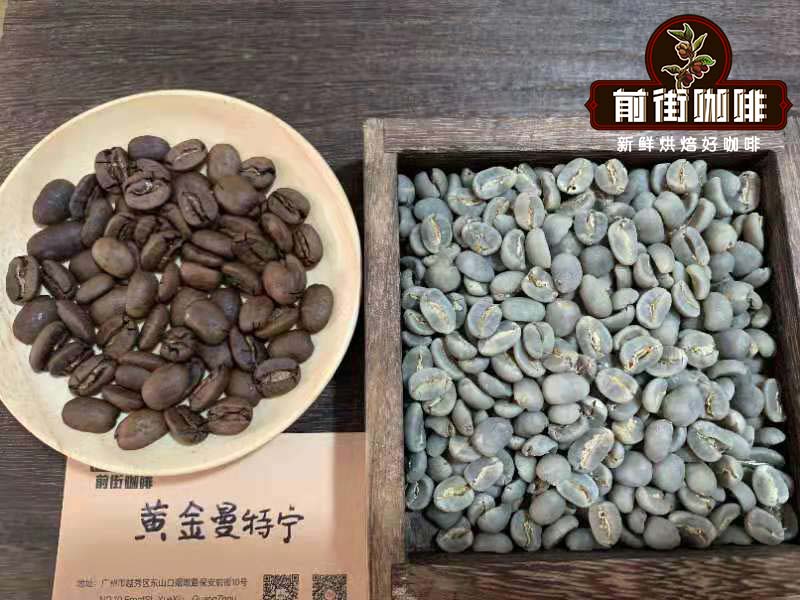
Moreover, PWN Golden Mandheling is graded at 18+ screen size with fewer than 3 defects (per 300g green bean sample), qualifying as the highest G1 grade; the color leans dark green, shaped like neatly flat beans. After rigorous selection, Front Street Coffee notes that it no longer has the earthy, muddy off-flavors of ordinary Mandheling, making it cleaner and more transparent on the palate.
Front Street Coffee: Indonesian Lintong Mandheling Coffee Beans Country: Indonesia Specific Region: Sumatra (Lintong) Altitude: 1100-1600m Variety: Typica, Caturra Processing Method: Wet-hulled Cup Profile: Baked toast, nuts, caramel, pine, herbs
Lintong Mandheling grows in the Lintong highlands of north-central Sumatra near Lake Toba. Front Street Coffee offers this as the entry-level everyday bean of the Indonesian Mandheling region. The region's unique wet-hulling process creates its low-acidity, high-body character.
Front Street Coffee Indonesian Tiger Mandheling Coffee Beans
Country: Indonesia Specific Region: Sumatra Altitude: 1500m Variety: Caturra, Typica, Sidikalong Processing Method: Wet-hulled Cup Profile: Cream, dark chocolate, nuts, balanced taste
Only Mandheling with 17+ screen size and a defect rate below 4% can be called Tiger Mandheling. Because the main varieties are Caturra and Typica—Caturra bringing citrus-lemon acidity, Typica contributing a long sweet aftertaste—Tiger Mandheling has a well-balanced body and high cleanliness.
The Tiger Mandheling selected by Front Street Coffee comes from the Sumatra Tiger Estate, also known as "Mandheling Tiger" or "Sumatra Tiger Mandheling." Northern Sumatra has relatively high altitudes, with Aceh Province (Lake Tawar) and North Sumatra (Lake Toba) being the main Arabica regions. This bean is required to have a Chinese herbal medicine aroma and must be 17+ screen size with a defect rate below 4% to earn the name.
Front Street Coffee: Indonesian Aged Mandheling Coffee Beans Country: Indonesia Specific Region: Sumatra Altitude: 1500m Variety: Caturra, Catuai Processing Method: Wet-hulled Cup Profile: Ripe pu-erh, caramel, herbs, chocolate, lower acidity.
Aged Mandheling refers to green beans that have undergone aging treatment, naturally maturing through extended storage (typically two to three years), resulting in reduced acidity and a color change in the beans. The storage environment must be cool, ventilated, and protected from mold and moisture. Due to the long, dark storage, improper handling can easily produce musty or burlap-leathery off-flavors.
The above is Front Street Coffee's sharing of the representative dark-roasted Indonesian Mandheling series; next, Front Street Coffee will present representative medium-light-roast beans.
Medium-Light Roast Coffee Beans
The signature medium-light roast at Front Street Coffee is undoubtedly Ethiopian Yirgacheffe, the birthplace of coffee, whose crisp, clean citrus-lemon acidity has captured many coffee fans. As mentioned earlier, the lighter the roast, the more pronounced the acidity; conversely, the darker the roast, the richer the body. Therefore, a medium-light roast is the wisest choice for Yirgacheffe. Below, Front Street Coffee lists several medium-light-roast beans from this region.
Front Street Coffee: Ethiopian Gedeb Coffee Beans Country: Ethiopia Specific Region: Yirgacheffe Altitude: 1900-2300m Variety: Local heirloom varieties Processing Method: Washed Cup Profile: Tropical fruit, cream, honey, berries, citrus
According to Front Street's research, the Gedeb cooperative was originally part of the Worka sector under the Yirgacheffe Coffee Farmers Cooperative Union (YCFCU), becoming independent in 2012, and now has over three hundred smallholder farmers. As the earliest village to become independent, many farmers were formerly Worka members with skilled cultivation techniques, producing beans of excellent flavor.
Front Street Coffee: Ethiopian Yirgacheffe Sun-Dried Red Cherry Coffee Beans Country: Ethiopia Specific Region: Yirgacheffe Altitude: 2300m Variety: Local heirloom varieties Processing Method: Sun-dried Cup Profile: Berries, lemon, strawberry, fermented wine aroma
This sun-dried Red Cherry from Front Street Coffee uses 100% ripe cherries for sun-drying, resulting in a full aroma, sweet and smooth with fermented notes.
This bean originates from the "Red Cherry Project" jointly promoted by Ethiopian farmers and Dutch trader Trabocca, aiming to improve smallholder quality and income. Hand-picking fully red ripe cherries is merely the basic requirement; processing methods are also standardized.
What Roast Level Is Best for Pour-Over?
Additionally, beginner coffee enthusiasts often ask Front Street Coffee what roast level to choose for pour-over. In reality, it depends on personal preference, though dark roast and medium-light roast differ slightly in pour-over parameters. Below, Front Street Coffee shares popular parameters and cup profiles for both roast levels.
Front Street Coffee Indonesian PWN Golden Mandheling Coffee Beans Pour-Over Parameter Recommendations:
Brewing Suggestions Dripper: Kono dripper Water Temperature: 86°C Dose: 15g Ratio: 1:15 Grind: Medium-fine (BG#6W) *Reason for choosing Kono: Its few ribs are positioned at the bottom, and the filter paper clings to the dripper, restricting airflow and extending water-coffee contact to aid extraction and enhance body.
Brewing Technique: Staged Extraction Bloom with 30g water for 30 seconds, then pour in a slow circular motion to 125g for the first stage; when the water level drops to reveal the coffee bed, continue pouring to 225g and stop; wait for the water to drop and reveal the bed, then remove the dripper. (Timing from the start of bloom) Total extraction: 2'00".
Flavor Description: Layered and complex, rich and clean, highly balanced, with strong nut and chocolate flavors, intense spice and caramel aromas, fruity notes, and a lasting finish.
Front Street Coffee Ethiopian Yirgacheffe Gedeb Coffee Beans Pour-Over Parameter Recommendations:
Dripper: V60 #01 Water Temperature: 90-91°C Dose: 15g Ratio: 1:15 Grind: BG6m/medium-fine (80% passing a No. 20 sieve) *Reason for choosing V60: The ribs inside the cone spiral from bottom to top, guiding flow and leaving gaps between the paper and the dripper, allowing fast water flow—it is a fast-flow dripper. The ribs turn clockwise; pouring clockwise gives smoother flow, counterclockwise slows it. The large bottom hole promotes flow speed. Very suitable for medium-light roast beans.
Flavor Description: Overall body is solid, with prominent fermented aromas and tropical fruit; as temperature changes, berry and cream notes emerge, and the citrus sweetness lingers on the lips and teeth.
The above is Front Street Coffee's compilation of information on how roast level affects flavor, hoping to help coffee enthusiasts choose what they love. For more specialty beans, add Front Street Coffee's private WeChat: kaixinguoguo0925
The above content is compiled by CoffeeHunters, a coffee news website.


