







How Does the Coffee Beans Process Shape Costa Rica's Musician Series?
Costa Rica was the first country in Central America to cultivate coffee, starting in the late 18th century in the Central Valley. Its reputation for sweetness comes largely from honey processing. The Musician Series from Finca Canet in Tarrazu covers three beans, Beethoven, Mozart, and Bach, each processed and flavored differently.
Front Street Coffee roasts the series at a medium level and brews it with 91°C water in a Hario V60 dripper. The coffee beans process matters here: raisin honey processing shapes the fermented aroma, acidity, and aftertaste of the three lots. Costa Rica's history of costa coffee growing, from free land grants in the 19th century to seven producing regions, explains why honey processing spread so widely.
Costa Rica is renowned for its honey processing, with coffee that has a prominent sweetness, and it is one of the earliest countries in Central America to cultivate coffee. This article begins with the history of the producing regions and introduces the Musician Series from Finca Canet in the Tarrazu region, including the processing methods and flavor differences of three beans: Beethoven, Mozart, and Bach. Front Street Coffee uses a medium roast, brewed with 91°C water and a Hario V60 dripper, presenting a rich aroma and delicate sweetness. The article also explains the characteristics of raisin honey processing and the specific expressions of the three coffees in terms of acidity, fermented aroma, and aftertaste, making it a reference for readers who want to gain a deeper understanding of Costa Rican specialty coffee.
For more specialty coffee knowledge, please follow the WeChat public account: Front Street Coffee (FrontStreet Coffee)
Everyone says Costa Rican coffee is as sweet as honey, which is closely related to the widespread use of honey processing for local green beans. Those who prefer acidity will choose Ethiopia or Kenya in Africa; those who pursue a full-bodied taste praise Mandheling and Blue Mountain; and when it comes to sweetness, Costa Rica is definitely a producing region worth trying.
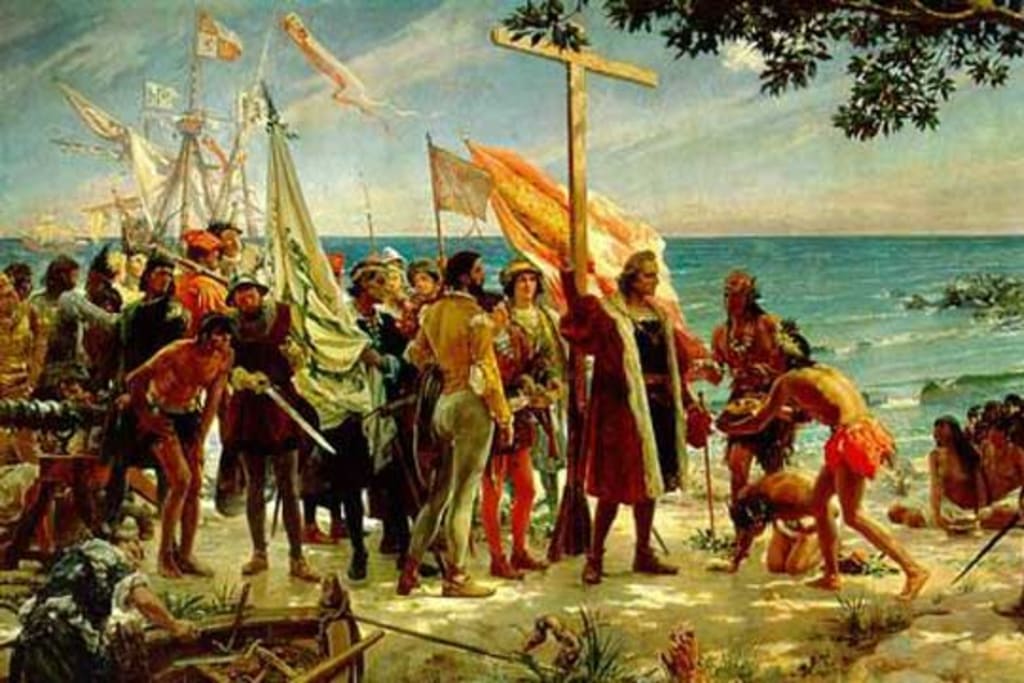
Costa Rica was the first country in Central America to begin cultivating coffee, starting as early as the late 18th century. The first Arabica coffee trees were planted in the Central Valley area, which has fertile soil, higher altitudes, and a cool climate. Later, the government discovered that coffee could bring considerable economic returns, so in the 19th century it distributed land to farmers free of charge and encouraged them to grow coffee, causing production to rise rapidly. By 1829, Costa Rica's coffee export value had already far exceeded that of tobacco, sugar, and cocoa.
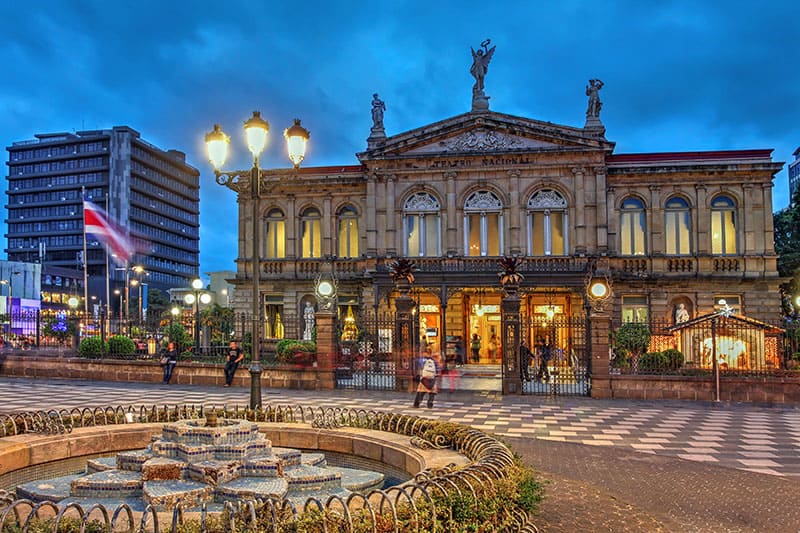
At that time, Costa Rica's coffee industry was massive in scale, giving rise to many powerful and influential figures. Some wealthy individuals even funded the country's railway to the Atlantic coast and built the National Theatre of San José, showing just how deep their financial strength was.
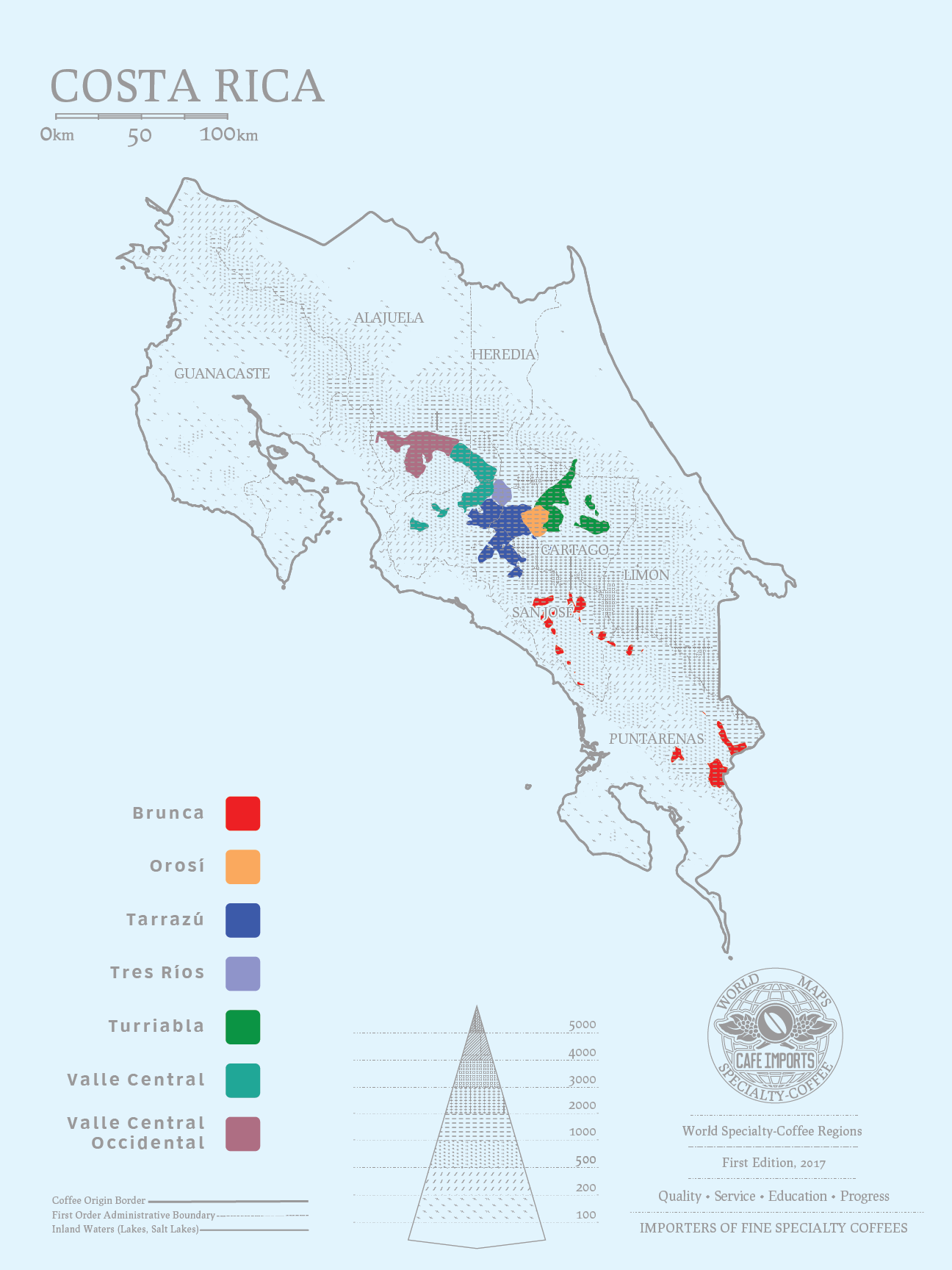
According to Front Street's understanding, Costa Rica's coffee-producing regions are divided into seven: Valle Central Occidental, Valle Central, Tarrazu, Tres Rios, Orosi, Brunca, and Turrialba.
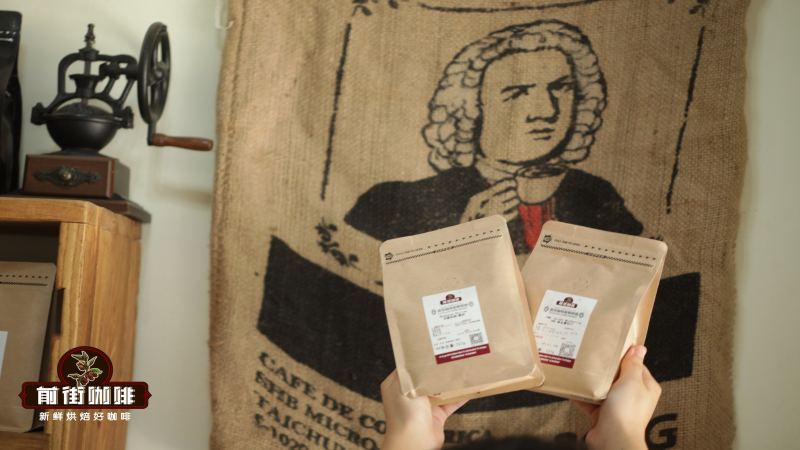
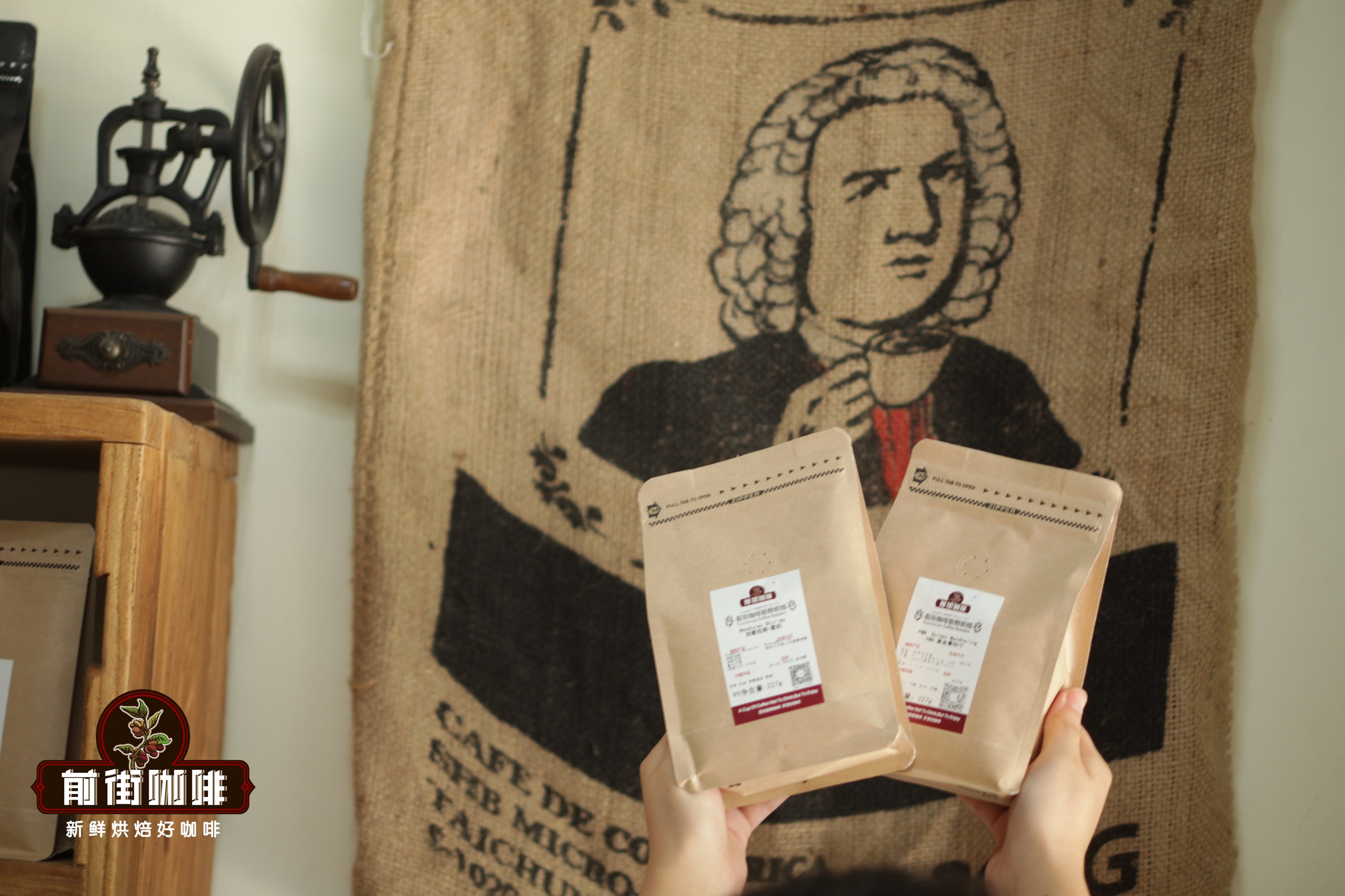
If music and coffee are a perfect pairing, then coffee beans named after musicians are worth trying. Front Street's menu also includes three Costa Rican Musician Series beans.
The beans in the Musician Series come from Finca Canet in the Tarrazu producing region. Tarrazu is one of Costa Rica's most highly regarded coffee-growing areas. Finca Canet is not large, covering about 5 hectares, and is located in the town of San Marcos in Tarrazu. The estate's Musician Series includes four beans, and because of different green bean processing methods, their flavors are also distinct.
Among the three Musician Series beans on Front Street's menu, Beethoven uses the washed processing method, while Bach and Mozart use raisin honey processing.
Raisin honey processing is a method that retains 100% of the mucilage and uses zero-water processing. This increases the difficulty of honey processing and requires strict control of timing. On the day of harvest, suitably ripe fruits are selected, then placed on raised beds to dry for three days, after which the skin is removed and the mucilage is retained for drying.
During the drying process, the coffee fruits must be constantly turned so they dry evenly, but the frequency of turning must be controlled properly. Slow drying ensures that the coffee undergoes a fermentation process. Coffee beans processed this way are full of sweetness, with a flavor that has a white wine-like mouthfeel and balanced acidity, along with a rich fermented aroma. Front Street believes that coffee beans processed with raisin honey have a strong fermented quality and a fruity, dried-fruit-like sweetness.
Front Street Costa Rica Mozart Coffee Beans
Producing Region: Tarrazu, Costa Rica
Estate: Finca Canet
Altitude: 1,980 meters
Processing Method: Raisin Honey Processing
Variety: H1
Front Street Costa Rica Bach Coffee Beans
Producing Region: Tarrazu, Costa Rica
Estate: Finca Canet
Altitude: 1,980 meters
Variety: Caturra, Catuai
Processing Method: Raisin Honey Processing
Front Street Costa Rica Beethoven Coffee Beans
Producing Region: Tarrazu, Costa Rica
Estate: Finca Canet
Altitude: 1,900 meters
Variety: Yellow Catuai
Processing Method: Washed
When roasting, Front Street uses a medium roast to highlight the rich aroma characteristic of Costa Rican coffee. During brewing, in order to extract more aromatic compounds, water at 91°C is used. At the same time, to avoid over-extraction caused by water that is too hot, a Hario V60 dripper is chosen.
Dripper: Hario V60
Water Temperature: 91°C
Dose: 15 grams
Coffee-to-Water Ratio: 1:15
Grind Size: Medium-fine grind (80% passing through a No. 20 sieve)
Three-stage extraction: Bloom with 30cc of water for 30 seconds, then pour in a slow circular stream until 125cc and pause for a stage break; when the water level drops to the point where the coffee bed is about to appear, continue pouring until 225cc and stop; once the water in the dripper has completely dripped into the server, the dripper can be removed. Total extraction time is 2’00”.
[Bach] A faint wine aroma, full and solid acidity, with a sweetness similar to raisins; as the temperature drops, the tea-like note becomes prominent, and the finish has a lasting yet delicate sucrose sweetness.
[Mozart] On the palate there are complex floral notes and a fermented sauce-like aroma, with a raisin and candied fruit-like sweetness, berry acidity, and a sucrose-like sweet aftertaste.
[Beethoven] Rich fruit notes: strawberry, apple, lemon, grape, citrus; the sweet aftertaste is as memorable as honey and toffee, the mouthfeel is as silky and delicate as cream, and the finish is as long as Darjeeling black tea.
The above content is compiled by CoffeeHunters, a coffee news website.


