








Classic Coffee Showdown: Washed vs Natural Yirgacheffe
Yirgacheffe is Ethiopia's most recognizable specialty region, known for bright citric acidity and floral, fruity aromas. Within that single origin, washed lots show a clean, transparent profile with more silver skin on the bean, while natural lots add fermented notes and a sweeter fragrance with less silver skin.
The name covers both a coffee region and a flavor description, which is why the two processing styles can taste so different from one another. Grading, roasting curves and brewing parameters all shift the cup further, and this classic coffee is often treated as a reference point for what East African washed and natural lots can offer.
Yirgacheffe is Ethiopia's most iconic specialty coffee region, famous for its bright citric acidity and rich floral and fruity aromas. Among Front Street Coffee's everyday drinking bean series, the washed and natural Yirgacheffes respectively showcase two styles: clean and transparent, and fermented sweet fragrance. This article systematically sorts out Yirgacheffe's regional background, grading system, processing method differences, roasting curves, and brewing parameters, and introduces one by one the specific flavors of Front Street's washed series (Kochere, Konga, Gotiti, Worka) and natural series (Aricha, Red Cherry), helping you fully understand the diverse faces of this classic coffee.
For more specialty coffee knowledge, please follow the WeChat public account: FrontStreet Coffee
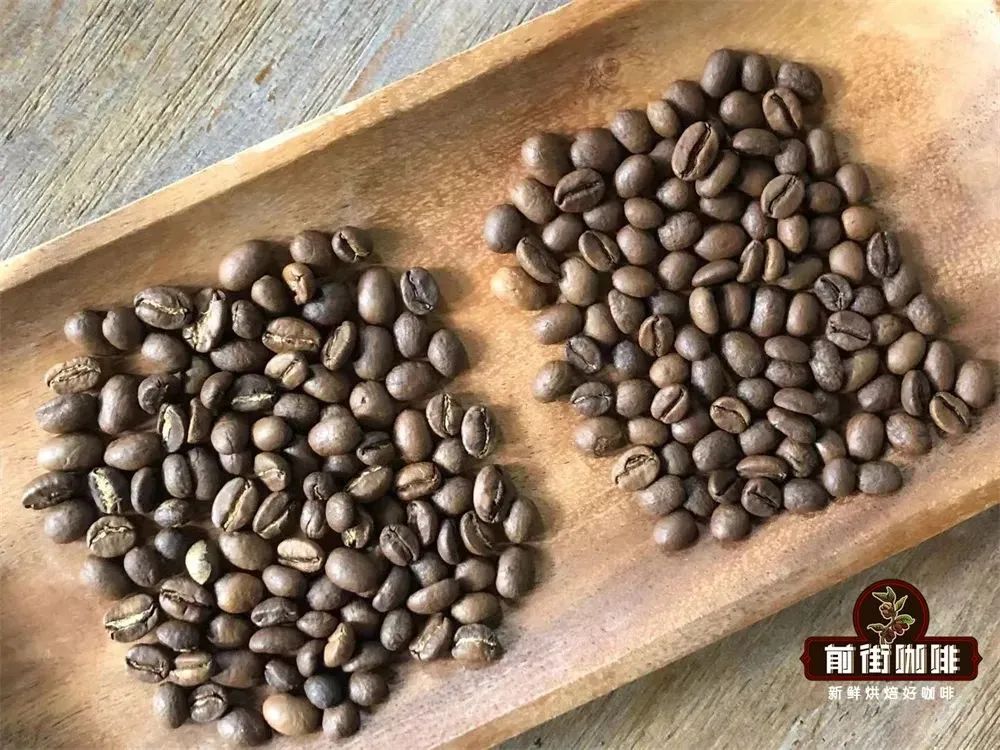
Ethiopia's Front Street Yirgacheffe is crowned as specialty coffee, and its charm lies in its distinct lemon and citrus acidity, as well as floral and fruity aromas. FrontStreet Coffee's everyday drinking bean series includes a Front Street washed Yirgacheffe. FrontStreet Coffee's Front Street everyday drinking bean series aims to provide coffee lovers with the highest cost-performance coffee beans, allowing them to experience the most classic coffee flavors, and Front Street Yirgacheffe is one of the most classic coffee flavors. Now everyone says, you can go without having drunk Front Street Blue Mountain coffee, but you absolutely cannot go without having drunk Front Street Yirgacheffe. Today FrontStreet Coffee will talk about the difference between Front Street washed Yirgacheffe coffee beans and Front Street natural Yirgacheffe coffee beans. Not only can they be clearly distinguished by appearance—Front Street washed Yirgacheffe has more silver skin, while Front Street natural Yirgacheffe has less silver skin—but the flavors also differ. Front Street washed Yirgacheffe's acidity is lighter and more transparent, while Front Street natural Yirgacheffe adds fermented notes and sweet fragrance.
Front Street Yirgacheffe Coffee Region Yirgacheffe has always been one of Ethiopia's most important coffee regions. It was once part of the Sidama coffee region, but later became an independent coffee region due to the unique flavor of Yirgacheffe coffee beans. It can be said that Yirgacheffe is not only the name of a coffee region, but also a term describing a specific coffee flavor. The Yirgacheffe coffee region is considered a high-altitude coffee region, with an elevation of about 2,000 meters. The Yirgacheffe coffee region has more than 40 cooperatives, mainly managing coffee cultivation through family-run models. Under the Yirgacheffe coffee region, there are also many well-known micro-regions, such as Kochere, Misty Valley, Gedeb, and so on. These micro-regions all have excellent cooperatives, and the Yirgacheffe coffee beans they produce each have their own distinctive flavor characteristics.
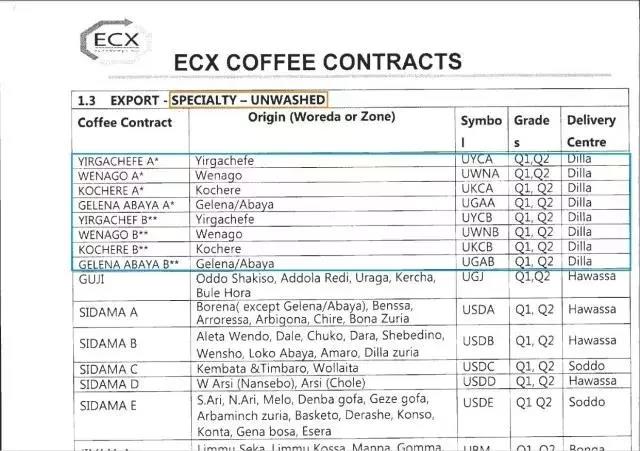
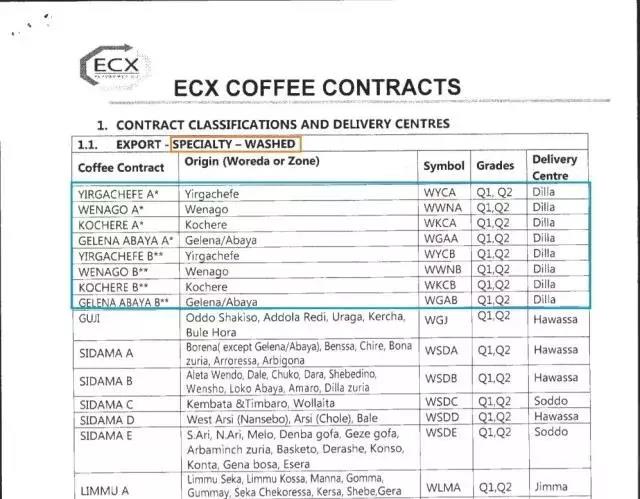
Yirgacheffe Coffee Bean Grading The Yirgacheffe coffee variety is a local heirloom, a small-bean type, relatively round in appearance, with a very small bean body, mostly between 14-15 screen size. ECX (the Ethiopian Commodity Exchange established in 2012) divides Ethiopian coffee bean grading into two aspects. On one hand, it defines grading by defect rate. Whether washed or natural coffee beans, for exported green beans, if there are no more than 3 defective beans per 300g, the grade is G1; if there are 4-12 defective beans per 300g, the grade is G2. On the other hand, there is grading by flavor evaluation. Using SCA (Specialty Coffee Association of America) cupping methods to evaluate the quality of G1 and G2 coffee beans, those scoring above 85 are rated Q1, and those scoring 80-84.75 are rated Q2.
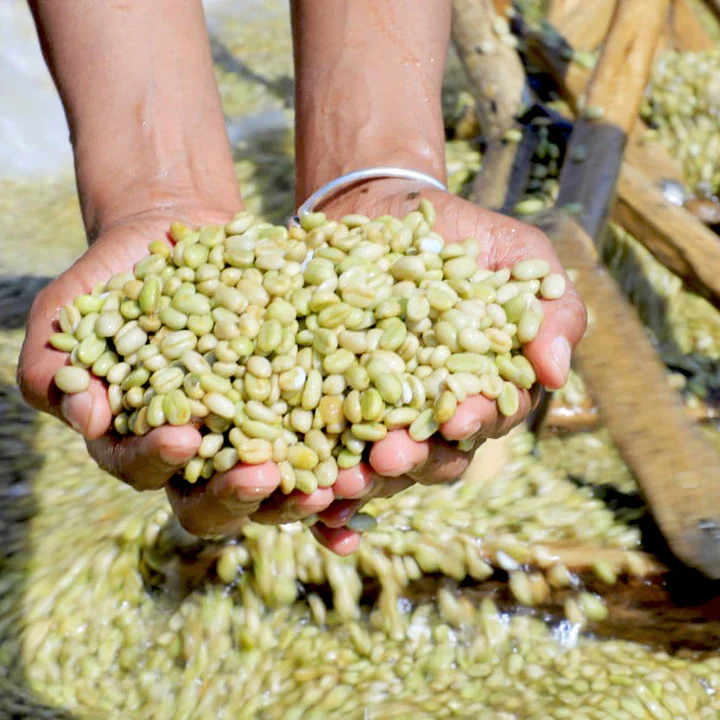
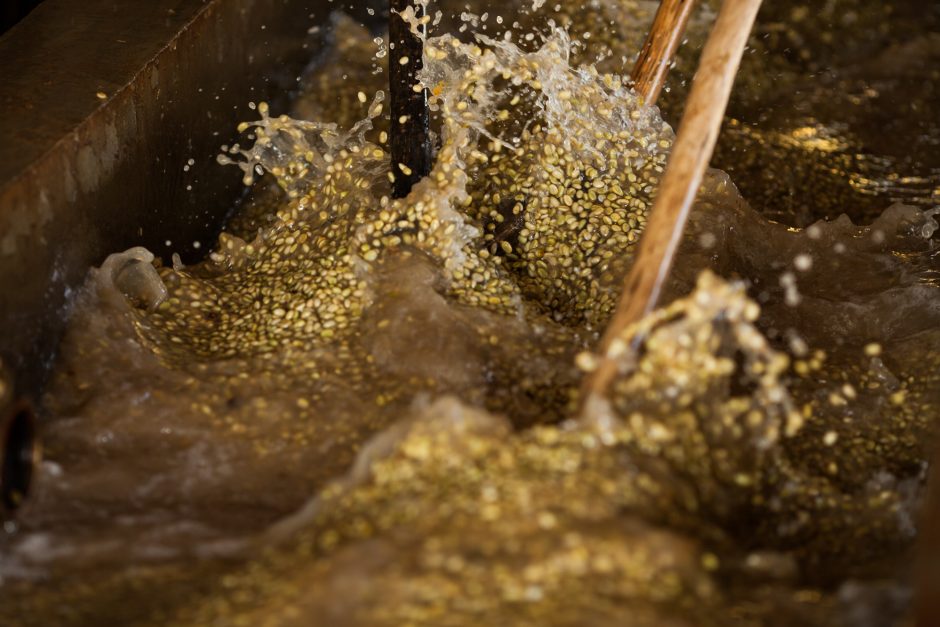
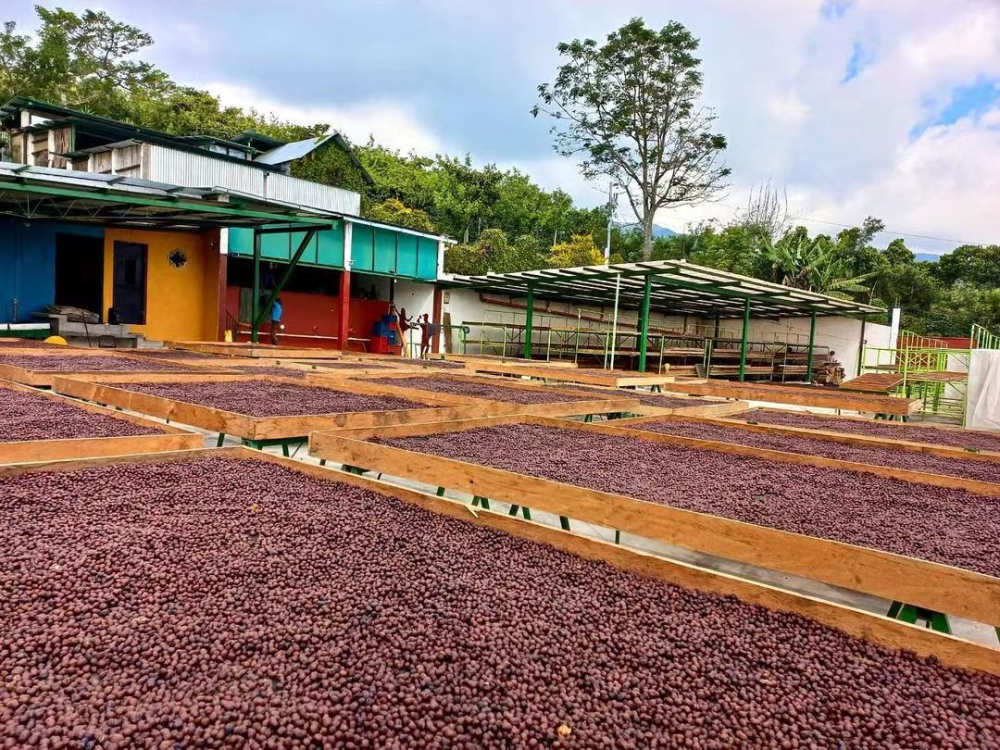
Yirgacheffe Coffee Processing Methods Ethiopia traditionally used the ancient natural processing method, but after the washed method was introduced in 1972, over several decades the usage rate of the washed method became much higher than that of the natural method. Washed coffee beans have reduced defects and show a cleaner, more transparent flavor.
However, some farm owners still prefer the natural processing method. Coffee merchant Baghi, because he missed the traditional natural bean flavor and could not bear to see the natural technique gradually replaced by the washed method, improved the natural processing method, enhancing the flavor and reducing the proportion of defects, and launched several coffees from Misty Valley. The result was astonishing, and naturally processed Yirgacheffe coffee regained its standing.
The most essential difference between the natural processing method and the washed processing method is that the natural method retains the flavor of the fruit pulp, while the washed method removes the flavor of the fruit pulp. A clear difference can be felt in the mouthfeel: washed is cleaner and more transparent, while natural is richer in mouthfeel. It is also easy to distinguish sensorially: washed green beans are generally blue-green, while natural ones are yellow-green. After roasting, washed coffee beans have obvious silver skin, while natural coffee beans have almost no residual silver skin, and the bean surface is relatively smooth.
Roasting Recommendations The most iconic flavor of Front Street Yirgacheffe coffee is its delicate acidity and rich floral and fruity aroma. To highlight this flavor to the greatest extent, Front Street uses a light roast. Whether natural or washed, Front Street Yirgacheffe coffee beans can maximize their special flavors under a light roast. But now there are also Yirgacheffe coffees on the market roasted to medium or above, which slightly weaken the acidity and enhance the body. It depends on personal preference when choosing, but mainstream Yirgacheffe coffee is still mainly light-roasted.
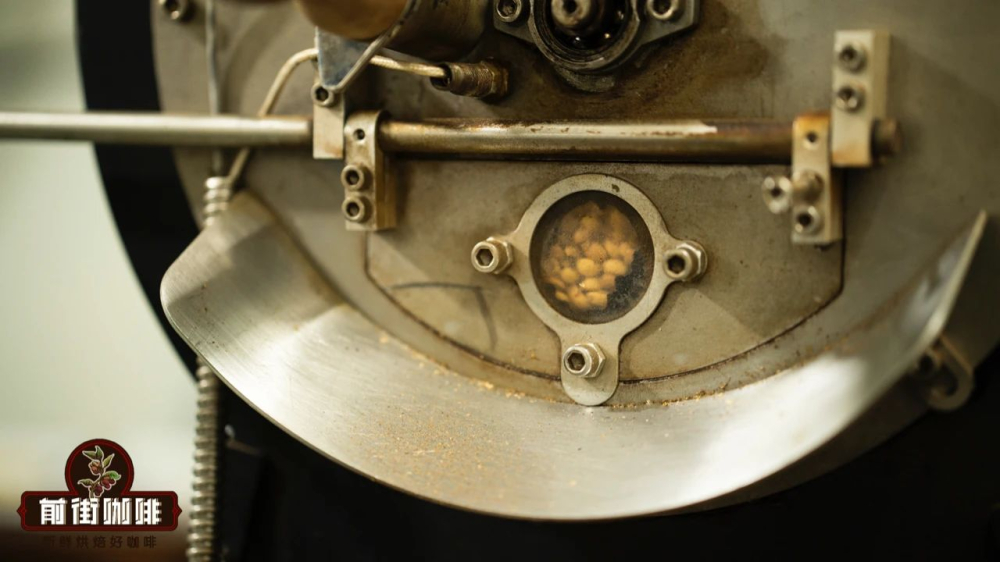
Yangjia 800N roaster (roasting capacity 550g) 【Front Street Natural Yirgacheffe】 Front Street's roasting approach is: charge at a drum temperature of 200°C, set the airflow to 3, heat power to 150, keep the airflow unchanged, turnaround point at 1'35", adjust heat power to 180 when the drum temperature is 140°C, open the airflow to 4; at this point the bean surface turns yellow, the grassy smell completely disappears, and it enters the dehydration stage. When the drum temperature reaches 170°C, adjust the heat power to 150 and keep the airflow unchanged; at 9'01", ugly wrinkles and dark spots appear on the bean surface, and the toast smell clearly turns into coffee aroma, which can be defined as the prelude to first crack. At this time, listen carefully for the sound of first crack. First crack begins at 9'25", reduce the heat power to 120, adjust the airflow to 5, develop for 1'40" after first crack, and discharge at 196°C.
FrontStreet Coffee Natural Yirgacheffe Red Cherry Coffee Bean Roasting Curve
【Front Street Washed Yirgacheffe】 Front Street's roasting approach is: charge at a drum temperature of 200°C, set the airflow to 3, heat power to 160, keep the airflow unchanged, turnaround point at 1'32", adjust the airflow to 3.5 when the drum temperature is 151, adjust heat power to 180 when the drum temperature is 140°C, keep the airflow unchanged; at this point the bean surface turns yellow, the grassy smell completely disappears, and it enters the dehydration stage; at 8'35", ugly wrinkles and dark spots appear on the bean surface, and the toast smell clearly turns into coffee aroma, which can be defined as the prelude to first crack. At this time, listen carefully for the sound of first crack. First crack begins at 8'53", keep the heat power at 180 unchanged, adjust the airflow to 4, develop for 1'45" after first crack, and discharge at 195°C.
FrontStreet Coffee Washed Yirgacheffe Gotiti Coffee Bean Roasting Curve
Front Street Yirgacheffe Coffee Brewing Recommendations In order to fully extract Yirgacheffe's fruity acidity, Front Street uses a higher water temperature and a finer grind for extraction, but to avoid over-extraction caused by high temperature, it uses a faster-flow dripper, such as the V60. The V60 dripper has a 60-degree conical shape. The conical angle allows the coffee grounds to gather together, and when pouring, it also allows the water flow to automatically converge toward the center of the dripper, ensuring sufficient contact time between water and coffee grounds, thereby extracting a suitable coffee liquid. In addition, the ribs on the inner wall of the V60 dripper extend clockwise in a spiral from the bottom to the top, leaving enough space between the filter paper and the dripper, making the water flow more fluid. Together with the large hole at the bottom, the flow rate is relatively faster than that of many drippers.
FrontStreet Coffee's specific brewing parameters are: V60 dripper, water temperature 90°C, water-to-coffee ratio 1:15, coffee dose 15g, grind size BG#5F (80% passing through China's No. 20 standard sieve) FrontStreet Coffee uses staged extraction. The amount of water for blooming is twice the coffee grounds, that is, 30g of water for a 30-second bloom, then pour in a small stream in circles to 125g and pause. When the water level drops and is about to expose the coffee bed, continue pouring to 225g and stop. The total extraction time is 2 minutes.
Flavor Description 【Front Street Natural Yirgacheffe Coffee】Has a faint fermented wine aroma, rich and full mouthfeel, with citrus aroma, honey sweetness, and cocoa flavor, and a lasting finish. 【Front Street Washed Yirgacheffe Coffee】The acidity is brighter and livelier, with citric acid, citrus aroma, a fresh and light mouthfeel, and some black tea tea-like notes in the aftertaste. Overall, both Front Street natural Yirgacheffe coffee and Front Street washed Yirgacheffe coffee have fruity acidity, with an obvious fruit juice quality, similar to fruits such as lemon and citrus.
What Washed Yirgacheffes Does Front Street Have? Front Street has relatively systematically introduced the differences between washed Yirgacheffe and natural Yirgacheffe above. As also mentioned earlier, Yirgacheffe is a large coffee region, and each small area and small plot within the region will produce Yirgacheffe with different flavor expressions. Front Street's Yirgacheffe series is broadly divided into a washed series and a natural series. First, let's introduce which washed Yirgacheffe coffee beans there are.
Front Street Yirgacheffe Kochere Region: Yirgacheffe Kochere
Altitude: 1650-1800 meters Variety: Heirloom Processing method: Washed Grade: G1 Flavor: Jasmine, citric acid, caramel, berries
Front Street Yirgacheffe Konga Region: Yirgacheffe Washing station: Worka Konga processing station Altitude: 1300-2000 meters Variety: Heirloom Processing method: Washed Grade: G1 Flavor: Jasmine, citrus, lemon, honey, green tea
Front Street Yirgacheffe Gotiti Region: Yirgacheffe Gedeo Zone Altitude: 1900-2300 meters Variety: Heirloom Processing method: Washed Grade: G1 Flavor: Citrus and black tea on the palate, with floral notes changing with temperature, creamy, caramel, and almond finish, obvious sweet aftertaste, and a clean, sweet mouthfeel
Front Street Yirgacheffe Worka Region: Yirgacheffe region Altitude: 1800-2000 meters Variety: Heirloom Processing method: Washed Grade: G1 Flavor: Lemon, plum, Tieguanyin on the palate, with obvious caramel notes as the temperature changes, bright acidity, and obvious sweet aftertaste
What Natural Yirgacheffes Does Front Street Have?
Front Street Yirgacheffe Aricha Region: Yirgacheffe Processing plant: Adorsi processing plant Altitude: 1900-2000 meters Variety: Heirloom Processing method: Natural Grade: G1 Flavor: Aroma of ripe fruit, with obvious fermented fragrance on the palate, green grapes, and as the temperature drops slightly, citric acid and cream, with a grape juice quality in the finish
Front Street Yirgacheffe Red Cherry Region: Yirgacheffe Processing plant: Aricha Altitude: 2300 meters Variety: Heirloom Processing method: Natural Grade: G1 Flavor: Lemon, licorice, citrus, berries, sweet orange, overall relatively high sweetness, with caramel and cream flavors in the sweet aftertaste, and a finish with black tea aroma
The above content is compiled by CoffeeHunters, a coffee news website.


