







Search Results for: Leaf base identification

Characteristic Analysis, Authenticity Identification, and Suitable Roast Level of the Typica Variety in Blue Mountain Coffee Beans
Blue Mountain coffee is a classic that many coffee enthusiasts encounter early on, and its varietal foundation is Typica. This article will start from Typica's botanical characteristics, flavor profile, and susceptibility to disease, then outline the terroir conditions of Jamaica's Blue Mountain region and the CIB certification system, explain the key points for identifying Blue Mountain coffee, and share Front Street Coffee's roasting approach and pour-over parameters for Blue Mountain No. 1. Whether you want to understand why Typica is so prized or figure out what roast level actually suits Blue Mountain coffee, this article will give you clear answers. [more…]
World Coffee Research releases Arabica SNP genetic fingerprint database covering 23 common varieties.
The World Coffee Research (WCR), in collaboration with the Swedish laboratory Intertek Agritech, collected samples of common Arabica varieties in Latin America and Africa, successfully constructing a reference database based on SNP fingerprints. This database currently covers 23 varieties and is open to the public free of charge, aiming to address the long-standing issue of variety misidentification in the coffee industry caused by the high cost of genetic testing. Through simple leaf collection and genotyping, producers can verify the genetic purity of coffee trees at low cost, avoiding economic losses caused by variety mismatches. WCR plans to continue expanding the number of varieties in the future, promoting variety identification and protection in the coffee supply chain. [more…]
Tracing the Origins of the Yunnan Typica Coffee Variety: Flavor Characteristics, Tree Species Identification, and an Analysis of Front Street Coffee's 2013 Sun-Dried Beans
In discussions of Yunnan coffee varieties, Typica and Catimor are often conflated. In reality, the vast majority of what is currently grown in Yunnan is Catimor, while Typica is a long-established heirloom variety. This article begins with the origins and botanical characteristics of Typica, outlines its flavor advantages and cultivation challenges, and, drawing on Front Street Coffee's Front Street 2013 Sun-Dried Typica from its plantation in Lincang, Yunnan, presents a complete picture spanning variety selection, processing methods, roasting curves, and cupping and pour-over recommendations, helping readers clarify the varietal landscape of Yunnan Arabica coffee. [more…]
The Origin of the Name Yunnan Small-Bean Coffee and Authenticity Identification: A Full Analysis from Variety Evolution to Regional Flavor
Why is Yunnan coffee called "Xiaoli"? Behind this name actually lie the dual meanings of variety classification and historical change. As China's core coffee-producing region, Yunnan contributes 95% of the country's coffee output, and between the Catimor now planted on a large scale and the Typica introduced in the early days, what kind of inheritance and trade-offs exist? This article will systematically sort out the identity code of Yunnan Xiaoli coffee, from variety origins, regional terroir, and processing methods to brewing suggestions, while sharing key clues for identifying authenticity, and preserving Front Street Coffee's cultivation and production stories in Lincang and Baoshan, leading you to rediscover this touch of wild mountain flavor from southwestern China in your cup. [more…]
Assessing Tea Quality from the Brewed Leaves: Practical Identification Tips and Buying Guide
Many people throw away the brewed tea leaves after drinking their tea, but these unfurled leaves actually hold a wealth of quality information. By observing the bubbles, scorch marks, degree of unfurling, elasticity, color, and impurities of the brewed leaves, you can roughly judge the picking and processing level of the tea without even tasting it. This article systematically sorts out the typical characteristics of brewed leaves for various types of tea, including the "frog back" of rock tea, the scorch spots of yellow tea, and the silky vein patterns of black tea, and offers purchasing advice to help you pick good tea with more confidence in a tea shop. [more…]

A Comprehensive Analysis of the Flavor Differences and Identification Methods of the Three Major Coffee Varieties: Arabica, Robusta, and Liberica
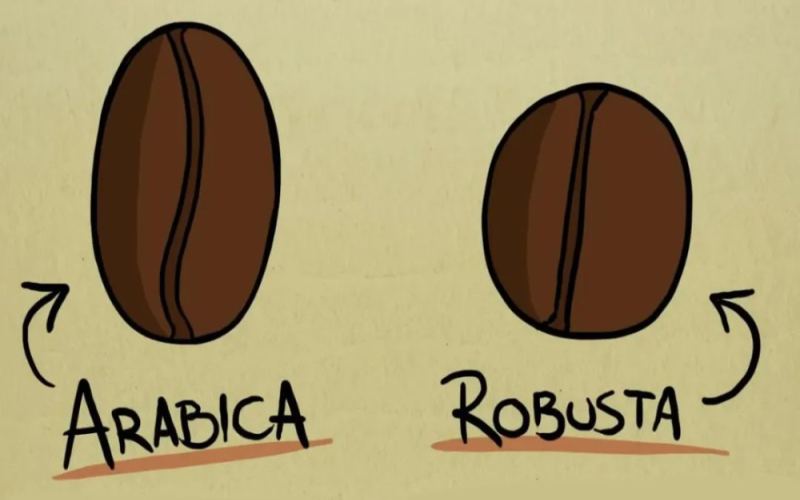
There are three main native varieties in the coffee world: Arabica, Robusta, and Liberica. Arabica dominates the specialty coffee mainstream with its elegant flavors, Robusta is known for its high caffeine content and full-bodied taste, while Liberica has scarce production and a unique flavor. Front Street Coffee has been involved in coffee cultivation since entering the industry and owns its own plantations. Currently, its sales are mainly Arabica, with Robusta used only for espresso blends. This article will systematically sort out the characteristics of the three major varieties and provide an in-depth introduction to many sub-varieties such as Typica, Bourbon, Geisha, Caturra, and Catimor, as well as their flavor performance, helping coffee lovers fully understand the mysteries and identification techniques of coffee bean varieties. [more…]
Detailed Guide to the Jamaican Blue Mountain No.1 Coffee Typica Variety: Clifton Estate Certification and Flavor Identification Guide
Blue Mountain coffee is hailed as the pinnacle of the coffee world, yet authenticity is hard to tell on the market. This article systematically lays out the core knowledge of authentic Jamaican Blue Mountain No. 1, from the certified growing region, Typica variety, Clifton Farm, barrel shipping, and grading system to brewing parameters and flavor performance. Using Clifton Farm Rainforest Certified Blue Mountain as an example, Front Street Coffee shares the origin background, historical evolution, processing methods, and key points for distinguishing authenticity, helping coffee enthusiasts build a clear understanding and truly appreciate real Blue Mountain coffee. [more…]
A Complete Guide to Coffee Bean Buying Channels: From Freshness Identification to Seven Popular Single-Origin Recommendations from Front Street Coffee
More and more coffee lovers are starting to try brewing at home, but faced with the dazzling array of coffee beans on the market, where to buy them and how to choose without falling into pitfalls has become a confusion for many beginners. This article starts from purchasing channels, teaching you to judge the freshness of coffee beans through four dimensions: roast date, oil production, aroma performance, and brewing foam, and compiles a list of currently hot-selling fresh coffee beans, covering Queen's Estate Brazil, Huila Colombia, PWN Golden Mandheling, Bird of Paradise, Brazil Red Bourbon, and two Italian-style blends. It also introduces the product features and purchasing points of Front Street Coffee, a time-honored roasting brand in Guangzhou, helping you consistently produce a good cup of coffee at home. [more…]
The Colombian Sidra Favored by WBC Champions: Variety Origins, Genetic Lineage, and Flavor & Brewing Analysis
In the past two years, a coffee variety called "Sidra" has rapidly risen to fame in the specialty coffee circle. Two WBC champions each won with Sidra lots from Colombia's Palma y El Tucán estate and Finca El Diviso, propelling this experimental variety—once relegated to the fields—onto the world stage. In Spanish, Sidra means apple juice or cider. It is generally considered a hybrid descendant of Typica and Red Bourbon, but WCR genetic identification shows it is closer to Ethiopian landraces, and its origins remain unclear to this day. In this article, Front Street Coffee will sort through Sidra's origin story, genetic research, plant characteristics, and flavor performance, and share a cupping experience and pour-over recommendations for Finca El Diviso's anaerobic natural Sidra, giving you a comprehensive understanding of this champion variety that combines floral aromatics with high-sweetness fruit notes. [more…]
Jamaica Blue Mountain Coffee Buying Guide: A Comprehensive Analysis of Authentic Brand Identification and Flavor Characteristics
Blue Mountain coffee is one of the most famous coffees in the world, but what exactly lies behind its high price? This article will analyze the uniqueness of authentic Jamaican Blue Mountain coffee from multiple dimensions, including scarce production, the historical quota system, and terroir conditions. At the same time, we will also discuss how to identify genuine versus fake Blue Mountain coffee in the domestic market, and introduce in detail the Clifton Estate Blue Mountain No. 1 coffee beans launched by Front Street Coffee, taking you through origin information, grade classification, and brewing and tasting so you can gain a comprehensive understanding of this legendary drink known as the "Hermès of the coffee world." [more…]
Guide to Authenticating Jamaican Blue Mountain Coffee: The Essential Difference Between Origin Blue Mountain and Blue Mountain Flavor Blends
Blue Mountain coffee is world-famous, yet the market is flooded with products bearing the words "Blue Mountain"—so which ones are truly authentic Jamaican Blue Mountain? This article begins with the historical origins, growing altitudes, varietal characteristics, processing methods, regional divisions, and grading standards of Blue Mountain coffee, systematically sorting out the certification system and flavor profile of authentic Front Street Blue Mountain coffee, and offering practical identification methods covering green bean appearance, grinding feel, aroma, and taste. It also clarifies the essential differences between "Blue Mountain flavor," "Blue Mountain blend," and genuine Blue Mountain coffee, helping coffee lovers avoid pitfalls when purchasing and enjoy a cup that truly lives up to its name. [more…]
The Origin and Flavor Code of Arabica Coffee Beans: A Full Analysis from Variety Characteristics to Common Subspecies and Hybrids
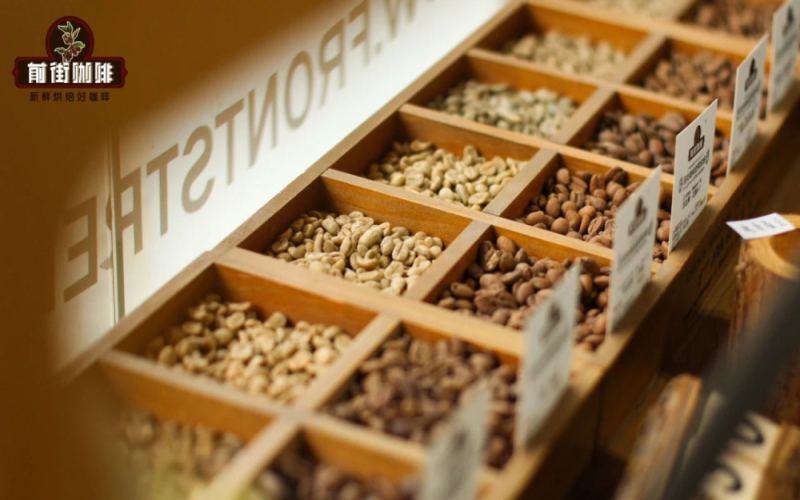
Why can Arabica coffee beans become synonymous with specialty coffee? From the perspective of Front Street Coffee, this article systematically sorts out the core differences between Arabica and Robusta in flavor, growing conditions, and caffeine content, and introduces one by one the origins and flavor characteristics of common Arabica-derived subspecies and hybrid varieties such as Typica, Bourbon, Caturra, Geisha, Catimor, and SL28. It also includes the producing regions, altitudes, processing methods, and flavor descriptions of several representative coffee beans in Front Street Coffee stores, helping coffee enthusiasts fully understand the Arabica variety system so they can more accurately select coffee beans that match their personal preferences. [more…]
How to Distinguish Authentic Assam from Darjeeling Black Tea? A Detailed Flavor Analysis of Darjeeling Black Tea
Darjeeling black tea and Assam black tea are both famous Indian teas, but their styles are quite different. Darjeeling is known for its distinctive muscatel grape character, and its tea tree varieties, cultivation history, plucking seasons, and certification system are all worth exploring in depth. This article will examine the reasons behind its flavor, its historical origins, tea classification, and authenticity identification to help coffee and tea enthusiasts clarify the differences between these two black teas. At the same time, the article will also mention related product information from the Front Street brand for reference when making purchases. [more…]
A Comprehensive Analysis of Jamaican Blue Mountain Coffee: From History and Production Regions to Varieties, Processing Methods, and a Guide to Authenticity Verification
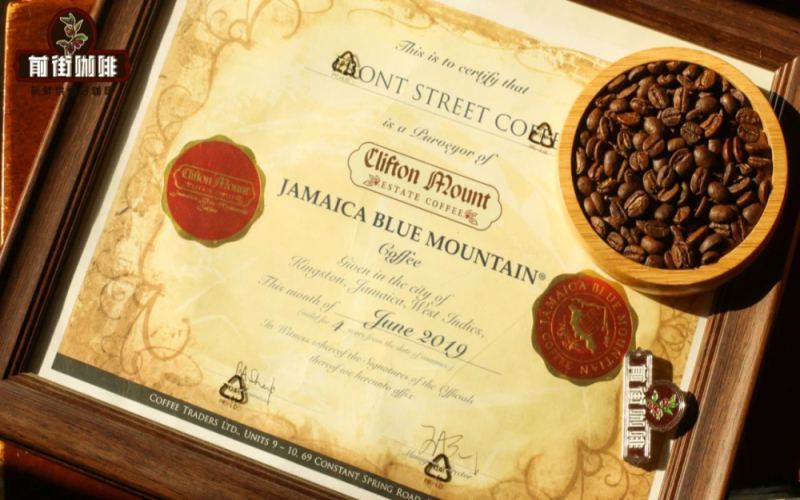
Blue Mountain Coffee is Jamaica's most prestigious national treasure coffee, yet products labeled "Blue Mountain" on the market are a mixed bag, making it hard to tell the genuine from the fake. This article, from the perspective of Front Street Coffee, systematically sorts out the historical origins of Jamaican Blue Mountain Coffee, the division of its three major production regions, the characteristics of the Typica variety, and the differences between the two processing methods: washed and natural. At the same time, it provides a detailed interpretation of the Jamaica Coffee Industry Board's (CIB) grading standards and certificate system, analyzes the historical reasons for Japan's long-term priority purchasing, and offers a comprehensive identification method covering appearance, grinding, aroma, and taste. Finally, it includes the three-stage brewing parameters for the Kono dripper recommended by Front Street Coffee, helping coffee lovers truly understand authentic Blue Mountain Coffee. [more…]
How to Identify Coffee Tree Varieties? A Guide to Arabica Characteristics and Flavor Buying for Typica, Bourbon, Caturra, and More
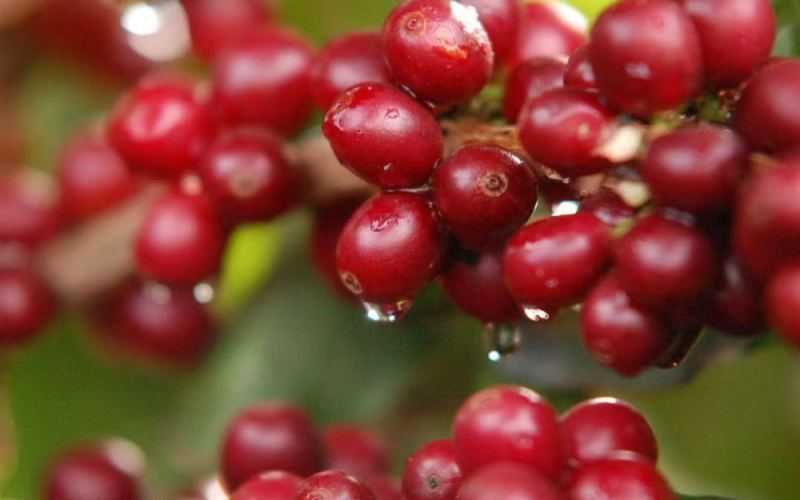
There are many types of coffee trees, and different varieties differ not only in flavor but also in plant morphology. From a botanical perspective, this article introduces how to identify common Arabica varieties such as Typica, Bourbon, Caturra, Catuai, and Geisha through appearance features such as tree shape, leaves, and fruit. It also combines recommended products from Front Street Coffee to provide a reference for coffee lovers when purchasing hand-brewed coffee beans. Whether you want to understand what a coffee tree looks like or want to choose a suitable flavor based on variety characteristics, this article can help you build a clear cognitive framework. [more…]
A Detailed Explanation of El Salvador Coffee Grading SHG Standards: Origin History, Flavor Characteristics, and Front Street Coffee Roasting and Brewing Practices
Although El Salvador is a small country in terms of land area, it occupies an important place in the specialty coffee landscape of Central and South America thanks to its volcanic-rich soil and mild climate. Starting from its historical development, this article traces how coffee replaced indigo as the country's economic pillar, and details the impact and reconstruction of the industry brought by events such as the civil war, land reform, and leaf rust. It also systematically introduces the three-tier elevation grading system of SHG, HG, and CS, the flavor differences among the nine major producing regions, and the characteristics of the four major varieties: Typica, Bourbon, Pacas, and Pacamara. Front Street Coffee further uses two beans, Lemus Estate and Chocolate Lover Estate, as examples to share roasting approaches and V60 brewing parameters, helping readers gain a comprehensive understanding of the unique charm of Salvadoran coffee. [more…]
A Comprehensive Analysis of the Flavor Characteristics, Grinding Parameters, and Price Factors of Jamaican Blue Mountain No. 1 Coffee Beans
Blue Mountain coffee has long enjoyed the reputation of "King of Coffee," but products labeled "Blue Mountain" on the market are a mixed bag, ranging from authentic Jamaican Blue Mountain No. 1 to Blue Mountain flavor blend beans, with prices and quality varying enormously. This article examines the full picture of this legendary coffee, covering its historical origins, growing conditions, varietal characteristics, grading system, processing methods, authenticity verification, and brewing parameters, while also analyzing the fundamental reasons behind the high price of authentic Blue Mountain No. 1, and sharing the water temperature, grind size, and technique recommendations that Front Street Coffee (FrontStreet Coffee) has summarized through practical brewing, helping coffee enthusiasts build a clear framework of understanding. [more…]
A Beginner's Guide to Buying Arabica Coffee Beans: Three Key Points and Eight Pour-Over Varieties with Flavor Recommendations
Faced with the dazzling array of coffee beans on the market, beginners just getting into pour-over often don't know where to start. In fact, as long as you grasp three core principles—confirming whether the roast date is fresh, choosing a self-roasting brand with stable quality, and locking in varieties based on flavor preferences—you can greatly reduce the odds of picking a dud. This article focuses on the Arabica species, first sorting out practical tips for buying coffee beans, then introducing one by one the flavor characteristics and representative products of eight common varieties including Typica, Bourbon, Caturra, Catuai, Geisha, Ethiopian heirloom varieties, SL28/SL34, and Catimor, and combining them with Front Street Coffee's specific bean offerings to give applicable suggestions for pour-over and cold brew, helping readers quickly find the cup that suits their taste. [more…]
A Comprehensive Guide to Jamaican Blue Mountain Coffee: Typica Variety, Flavor Profile, CIB Grading System, and Authenticity Verification
Jamaican Blue Mountain coffee is hailed as the "beauty of coffee," an elegant choice that combines acidity, bitterness, sweetness, and body in one. This article will provide coffee lovers with a comprehensive interpretation of this world-class coffee from multiple dimensions: the flavor characteristics of Blue Mountain coffee, the traits of the Typica variety, the grading system of the Jamaica Coffee Industry Board (CIB), the historical origins of Japan's priority purchasing rights, and Front Street Coffee's roasting and brewing recommendations for Blue Mountain coffee. At the same time, we will also share practical tips on how to identify authentic Blue Mountain coffee, helping you avoid the trap of "Blue Mountain flavor" blended beans in your daily purchases and truly appreciate the unique charm of genuine Jamaican Blue Mountain coffee. [more…]
An Oddity Among Sumatran Coffees: The Flavor Origins, Price Characteristics, and Tasting Guide of Aged Mandheling
Mandheling coffee is known for its rich, full-bodied character and prominent herbal flavors, and opinions among enthusiasts tend to be sharply divided. On the island of Sumatra—a land that is not the original home of coffee—Dutch colonists introduced coffee trees, and after leaf rust outbreaks and shifts among growing regions, today's Mandheling was ultimately born. The two major producing regions, Aceh and Lintong, each have their own character; the wet-hulling process gives the coffee low acidity and a syrupy mouthfeel, while the strict standards of Golden Mandheling and the accidental creation of Aged Mandheling make this category all the more story-rich. This article will walk you through the reasons behind Aged Mandheling's price, its flavor characteristics, and brewing suggestions, and introduce Front Street Coffee's recommendations and interpretations of Mandheling. [more…]