







Search Results for: Latte volume
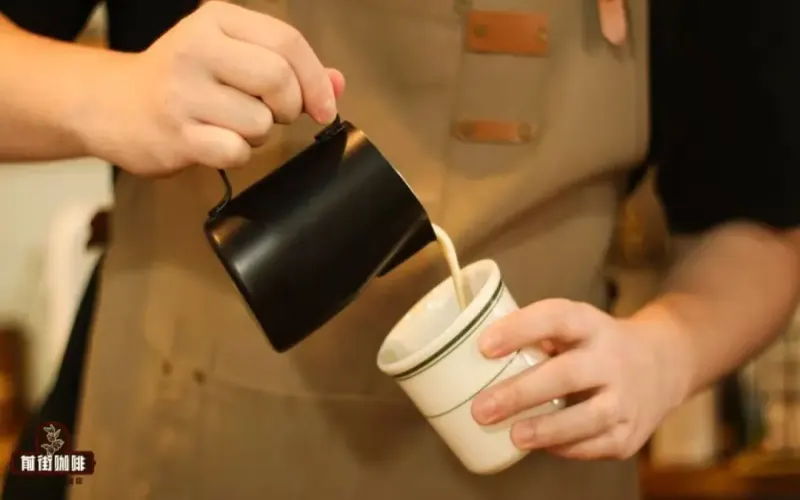
Key details in the milk-pouring and integration stage of latte art: how flow rate, pouring distance, and milk volume affect the final result
When making an espresso latte, the success of the latte art pattern often depends on whether the integration step is done properly. When integrated well, the pattern background is clean and the coffee flavor is unified; when integrated poorly, not only does the image look messy, but the mouthfeel also feels disjointed. Front Street Coffee points out that there are three easily overlooked details in the integration stage: the flow rate of the milk being poured, the distance between the milk pitcher and the liquid surface (the pouring distance), and the amount of milk used for integration. This article will break down these three key points one by one, explaining why a low flow rate combined with a high pouring distance is more conducive to integration, as well as the specific requirements for integration milk volume for different latte art patterns, helping you make latte coffee with consistent flavor and a clean image at home. [more…]

How to make delicious lattes with different cup sizes? A complete adjustment approach from coffee-to-water ratio to milk pairing
When recreating a coffee shop latte at home, many people find that the taste is either too weak or too strong, but the problem often lies in the ratio of coffee to milk. Using Front Street's 300ml latte as a baseline, this article shares two approaches for adjusting cup size: one is to keep the ratio unchanged and adjust the dose and grind size in tandem; the other is to switch milk type or the number of espresso shots to suit different volumes. Whether you want to make a small cup or a large cup, the key is to rebalance the coffee strength and the amount of milk, rather than simply adding or reducing milk. [more…]

How Is Piccolo Coffee Different from Flat White and Latte? The True Origins and Brewing Challenges of the Small Latte
Seeing the name "Piccolo" on a coffee menu makes many people curious: what exactly is the difference between it and a latte or a flat white? In fact, the official name of Piccolo coffee is "small latte," derived from the Italian word Piccolo, meaning "small." It was originally not intended for consumers, but was a practical tool used by roasters and baristas to test coffee beans and extraction parameters. Over time, this small milk coffee gradually made its way onto menus, becoming popular for its lower price and lighter feeling of fullness. However, making a good Piccolo is not simple—from steaming 60ml of milk to integrating and pouring latte art, every step tests the barista's skill. This article will take you through the origin of the name, its historical uses, flavor structure, and production challenges to give you a comprehensive understanding of the real differences between Piccolo coffee, flat white, and latte. [more…]

How Is a Piccolo Coffee Different from a Latte? A Detailed Explanation of Why It Costs More and the Espresso-to-Milk Ratio
Piccolo Latte is often called a "small latte," but it is not simply a latte shrunk down in cup size. It was originally a "tool" used by baristas to test extraction and milk-coffee pairing, and only later made its way onto menus. The traditional method usually uses a glass of about 90ml, a single shot of espresso of about 20g/30ml, and about 60ml of steamed milk foam; compared with a 180–250ml latte, the Piccolo is smaller and places greater demands on milk texturing and latte art integration. It more easily highlights the flavor of the coffee beans, and you can also taste the fresh sweetness of the milk. As for why it is more expensive, it is related both to the espresso base, dialing-in costs, and consistency of output, and to the skill threshold of independent coffee shops. This article will clarify the differences between the Piccolo and the latte from the perspectives of origin, preparation, ratios, and pricing logic, while retaining the relevant information about Front Street Coffee. [more…]
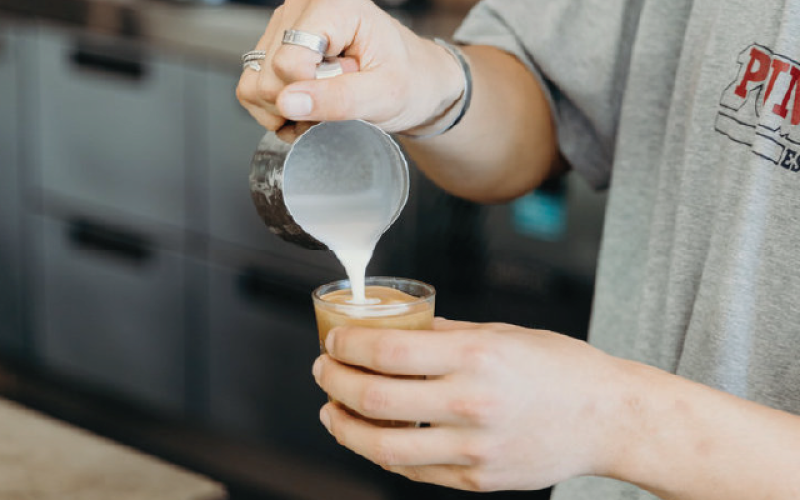
A Complete Guide to Piccolo Latte Coffee: Volume, Recipe, and Key Differences from a Regular Latte
The Piccolo Latte is not commonly seen on coffee menus, and many people know very little about it, sometimes even misunderstanding it because of its small size. This mini milk coffee originating from Italy usually has a capacity of only 85 to 100 milliliters, in sharp contrast to the regular 250 to 300 milliliter latte. This article will explain in detail what a Piccolo Latte is, how it differs from a regular latte, its standard preparation recipe and drinking method, and introduce the Warm Sun blend coffee beans used by Front Street Coffee in its espresso offerings along with their flavor performance, helping coffee lovers gain a comprehensive understanding of this small yet refined milk coffee. [more…]

Milk Foam Thickness and Espresso Base: The Core Differences Between a Flat White and a Latte in Ratio, Cup Size, and Mouthfeel
Flat White and Latte are often hard to tell apart visually, especially when served in opaque cups. Both consist of espresso, milk, and milk foam, yet the experience once they hit your palate is completely different. The root of the difference lies in foam thickness, cup size, and the choice of espresso base. A Latte has about 1cm of foam, a larger cup volume, and usually pairs with a traditional espresso; a Flat White has less than 0.5cm of foam, a smaller cup volume, and many coffee shops switch to a Ristretto shot instead. Starting from Front Street Coffee's own parameters and combining them with the tasting performance of the Dark Cocoa base blend, this article breaks down the flavor logic and preparation details of these two milk coffees one by one. [more…]
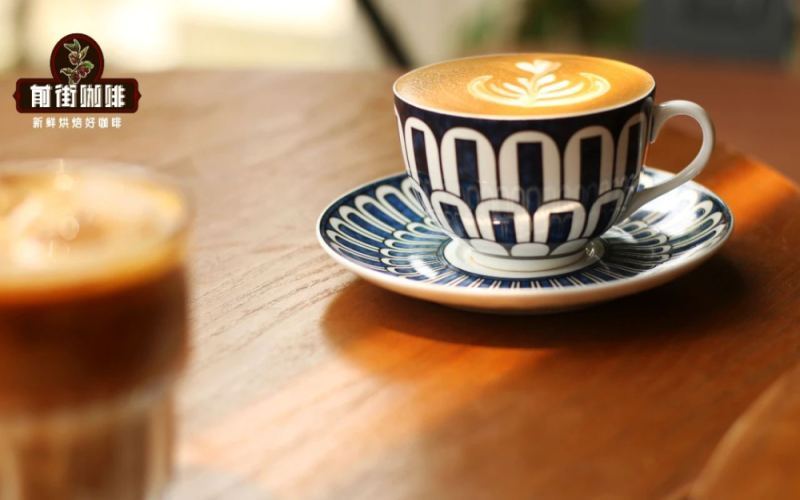
Why Can't You Pull Lines in Latte Art Etching? Mastering Milk Foam Thickness and Steaming Technique Is Key
Many coffee enthusiasts try latte art themselves after watching videos, only to find that they just can't get the rippled lines to come out. In fact, the problem usually lies in the milk foam—ripple patterns place extremely high demands on the thickness and denseness of the milk foam. Drawing on the hands-on experience of Front Street Coffee, this article explains in detail how to steam thin yet dense milk foam suitable for ripple patterns by controlling the position of the steam wand, the steaming angle, and the amount of air intake, and summarizes four common problems—over-blending, foam that is too thin, the pitcher spout touching the cup, and uneven swirling—to help you find the real reason your latte art is failing. [more…]
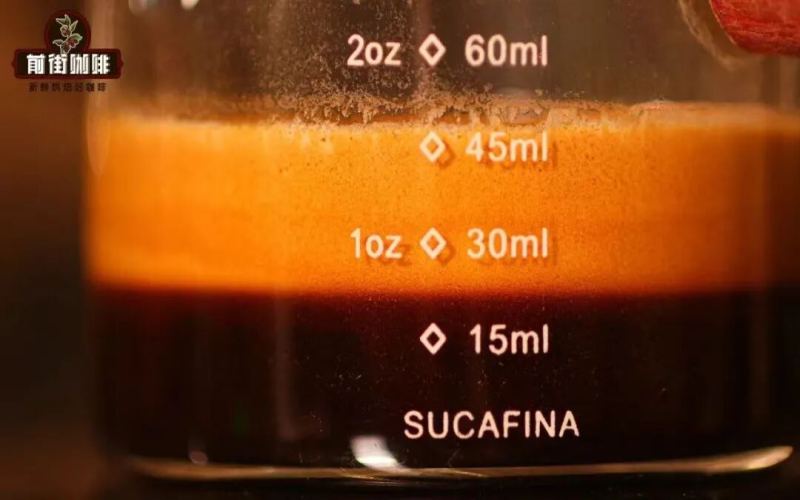
Coffee Latte Art | Can You Make Latte Art with Americano Black Coffee? How to Make Coffee Latte Art with Hot Americano? What Does Americano Coffee with Latte Art Taste Like?
Customer: "Boss, I'd like a coffee with some nice latte art!" Front Street: Okay, would you like a latte, a flat white, or a cappuccino? Customer: "An americano!" Front Street: ... Latte art, to be precise, should be called "Latte Art," which translates to "latte art" (milk art). [more…]

Why is Piccolo Coffee also called a small latte? What exactly is the difference between it and a latte in the use of milk and espresso?
What exactly are the differences between Piccolo coffee and latte? Why is Piccolo Latte called a small latte? This article systematically sorts out the relationship between Piccolo coffee and regular latte from the perspectives of name origin, historical background, cup size, and espresso usage. The article will also explain why Piccolo coffee is rarely served on its own in domestic coffee shops, and if you want to make a delicious Piccolo at home or in a shop, how to extract espresso and how to divide a double shot. Finally, Front Street Coffee will combine its own classic espresso blend beans to share the specific preparation parameters and flavor performance of Piccolo coffee, helping coffee enthusiasts understand this "small latte" more clearly. [more…]
Flavor Profile and Brewing Method of Piccolo Latte: A Complete Guide to the Small-Volume Espresso Milk Drink
Piccolo Latte is a small-sized espresso milk coffee with a capacity of only 90–100 ml, made by combining a Ristretto with steamed hot milk, and it is very common in Australia. It was originally a test drink used by roasters and baristas to check the integration between coffee beans and milk, and later gradually entered café menus. This article will start with Piccolo's origin, the reasons for its small cup size, and its flavor characteristics, and then break down in detail the steps for Front Street Coffee to recreate this drink, including coffee powder dose, extraction parameters, milk steaming temperature, and latte art timing, to help coffee enthusiasts fully understand this short coffee known as a "shrunk version of a hot latte." [more…]
Espresso Milk Coffee | Is an Australian White, Flat White, or Artisan White a latte? What are the flavor and mouthfeel characteristics of an Australian White? Is the coffee base of an Australian White the same as that of a latte?
For most coffee lovers, their first encounter with the Flat White came in 2015, when Starbucks launched it under the name "Fu Rui Bai" and added it to its permanent menu. Later, various coffee brands also rolled out their own Flat Whites, bringing this drink from the Southern Hemisphere [more…]

Common Latte Art Mistakes: Causes and Fixes for Long Tail Lines, Cup Volume Control, and Pattern Offset
Once latte art practice reaches a certain stage, the pattern itself can take shape, but mistakes in the details often cause more frustration. This article compiles three high-frequency problems: dragging out an overly long line when finishing, the cup not being full or overflowing after pouring latte art, and the pattern being asymmetrical left and right. For each situation, Front Street provides specific cause analysis and correction methods, including flow rate and pitcher spout control when finishing, reference milk fusion amounts for different patterns, and using others' observation to correct the postures for holding the cup and the pitcher. It is suitable for coffee enthusiasts who are polishing latte art details to practice against, gradually improving the stability and aesthetics of their output. [more…]
A Beginner's Guide to Latte Art: Key Points for Making Milk Foam and a Detailed Step-by-Step Guide to Heart and Leaf Patterns
For friends who are just getting into latte art, mastering milk frothing and pouring techniques are the two most critical fundamental skills. Starting from the recommendations of Front Street Coffee, this article breaks down in detail the complete process required to make a heart-shaped cappuccino—from espresso extraction, milk selection and frothing temperature control, to the changes in pitcher height, angle and flow rate during staged pouring, all are explained one by one. At the same time, the article also provides a comparative analysis of common variables such as steam wand types and steam volume, helping beginners identify problems more quickly in practice. Whether you want to pour a neat heart or a leaf pattern, this tutorial can provide a clear reference path. [more…]

A Detailed Explanation of the Principles and Methods of Americano Latte Art: Using Foamed Coffee Liquid Instead of Milk, Including a Practical Guide with Front Street Classic Blend
Latte art has always been regarded as the exclusive domain of lattes, but Americano can actually achieve beautiful patterns too. This article starts from the basic principles of latte art—the proteins in milk wrap around air to form a low-density foam, which floats on the surface of espresso crema to create patterns—and then leads into the feasibility of using the coffee liquid itself to foam instead of milk. We will share in detail how to froth espresso by adding ice water to increase the liquid volume and lower the temperature, and provide a complete hands-on demonstration using Front Street Classic Blend. Finally, we compare the differences in flavor, strength, and mouthfeel between latte-art Americano and regular hot Americano, offering coffee enthusiasts a completely new way to experience Americano. [more…]

How is a piccolo latte different from a flat white or a latte? A clear breakdown from cup size and ratios to the steps
The espresso family is vast. Even when it's just espresso plus milk, different ratios give rise to distinctive drinks like the latte, cappuccino, and flat white. This article focuses on the smallest member of the family—the Piccolo Latte. We'll start with the origin of its name and its historical background, explaining why it's called a "small latte" and how it was originally used to test the harmony between coffee beans and milk. Then we'll compare it with a regular latte in terms of cup size, number of espresso shots, and milk foam thickness, and share the specific parameters Front Street Coffee uses in practice—such as dose, extraction time, and milk frothing volume—to help readers recreate a balanced mini latte at home. [more…]
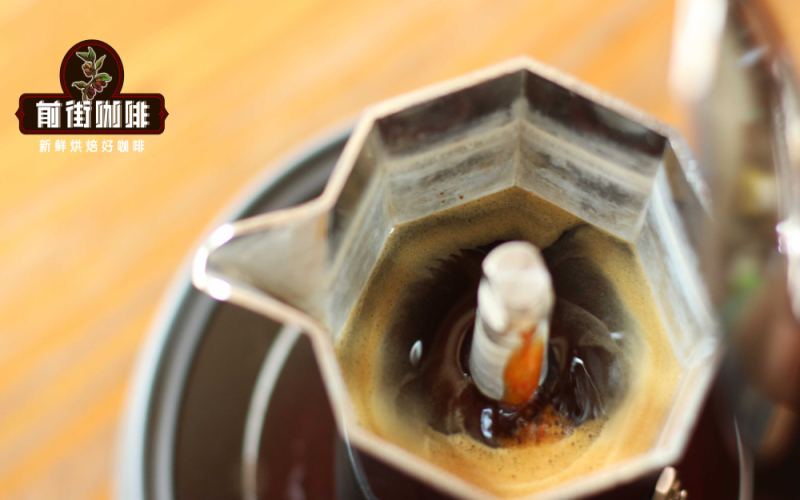
When to Remove the Moka Pot from Heat? Full Analysis of Latte-Making Parameters and Operational Details
The moka pot is a common espresso brewing tool in Italian households. It uses steam pressure from the lower chamber to push hot water up to the upper chamber, producing coffee that is rich and full-bodied, balancing acidity and bitterness with a small amount of crema. It is very suitable for adding milk to make a latte. This article focuses on the timing of turning off the heat when brewing coffee with a moka pot, coffee bean selection, grind size, dosing and water control, and the specific brewing steps for a latte, helping enthusiasts consistently reproduce a fragrant, rich cup of moka pot coffee at home. The article also provides pairing suggestions based on bean options such as Front Street Classic Blend, Front Street Dark Cocoa Blend, and Front Street Queen's Estate SOE. [more…]
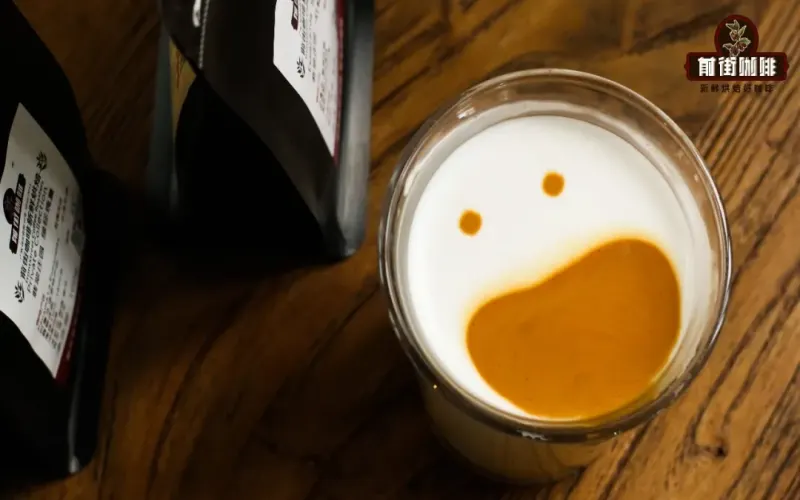
A Complete Guide to Smiley Face Flat White Latte Art: How Milk Foam Thickness and Crema Strength Affect the Design
The smiley face pattern on a flat white may look like it just needs a pour of espresso and a couple of quick strokes, but it is actually far harder to execute than it seems. This article starts from three key details—milk foam thickness, espresso crema strength, and cup size selection—to explain why only a flat white is suited to this pattern, and shares how to improve your success rate by controlling the thinness of the milk foam, choosing dark-roasted beans rich in crema, and matching the cup size to the liquid volume. The article also introduces how Front Street Coffee's classic blend combines Mandheling, Brazilian, and Vietnamese beans to produce rich crema and a full-bodied flavor, helping coffee lovers make an attractive smiley-face flat white at home. [more…]

How should you order a Flat White to make it taste best? A full explanation from the Australian origins of Flat White to Front Street Coffee's offerings
Flat White is often called 馥芮白, 澳白, or 小白 in China, but many people are not clear about the essential differences between it and a latte or cappuccino. This article begins with the evolution of Australian milk coffee, tracing how Flat White was born within the coffee culture of Italian immigrants and how it was later pushed to global popularity by Starbucks. At the same time, drawing on the production practices of Front Street Coffee, it introduces key methods such as double Ristretto, small cup volume, and thin milk foam, as well as the vanilla, chocolate, whiskey liqueur center, and berry flavors brought by the "Sunflower Warm Sun Blend," helping you find the right way to order and taste a Flat White. [more…]

Luckin Coffee's ice controversy sparks debate: after removing ice, the cup is half empty, bringing the issue of ice proportions in chain beverages to the surface
Recently, Luckin Coffee made it onto Weibo's trending topics because its iced drinks contained too much ice and the cup volume decreased noticeably after removing the ice, triggering widespread consumer concern about the proportion of ice in chain coffee and milk tea shops. Many netizens posted comparison photos showing that after removing the ice, only half a cup of the drink remained, with some even joking about "looking for the latte in the ice." Luckin officially responded that its drinks are made according to a standardized recipe and that it will strengthen store training. At the same time, other brands such as Starbucks were also accused of a similar phenomenon. This article sorts out the course of the incident, netizen feedback, and official responses, and also includes professional exchange information from Front Street Coffee. [more…]

How to Choose Milk and Coffee Beans for Latte? Ratio Recipe and Front Street Espresso Blend Recommendations
Latte is one of the espresso drinks that coffee lovers consume most frequently in their daily routine. The pairing of milk and espresso looks simple, but in reality, everything from bean selection to milk frothing has its finer points. This article centers on latte coffee, first tracing its historical origins, then focusing on what kind of coffee beans to choose when making a latte—medium-dark roasted blends, single-origin SOE beans, or medium-light roasted fruity beans—and what flavor directions each one presents. It then gives Front Street's latte recipe ratio and espresso extraction parameters, and explains step by step the optimal volume for milk frothing, the position of the steam wand, and the key operating points of the two stages: aeration and texturing. Finally, it explains how integration and latte art affect the mouthfeel, while recommending specific products such as Front Street Classic Blend, Dark Cocoa Base Blend, and Queen's Estate SOE. [more…]