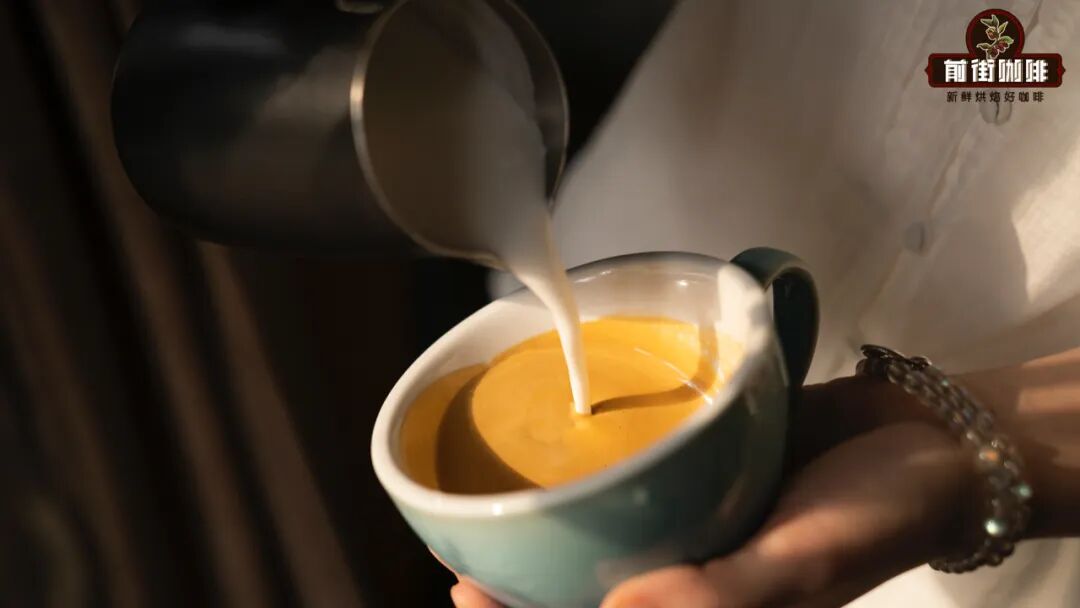
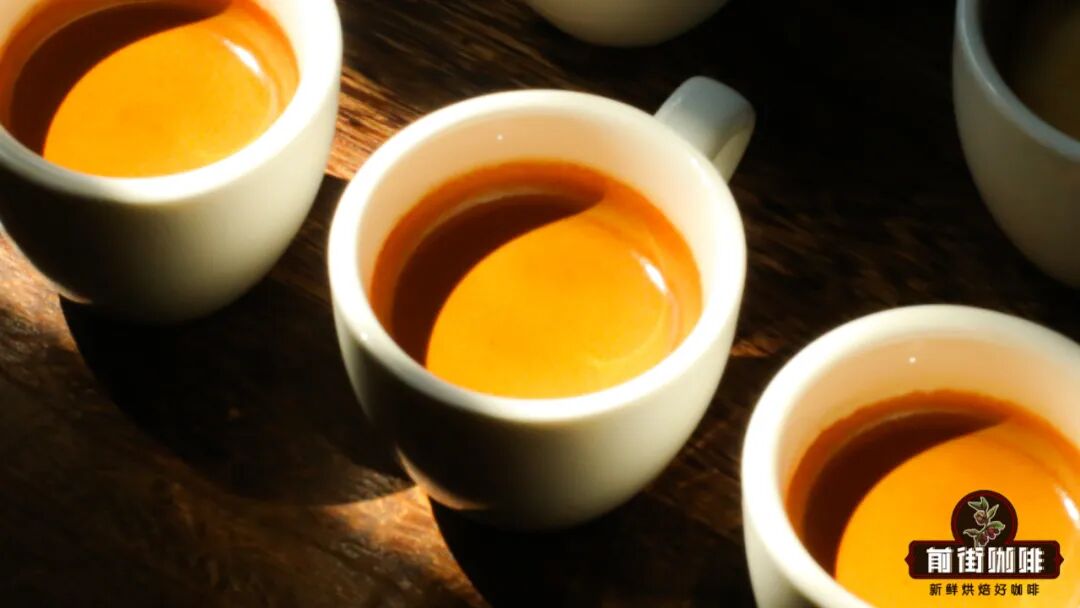
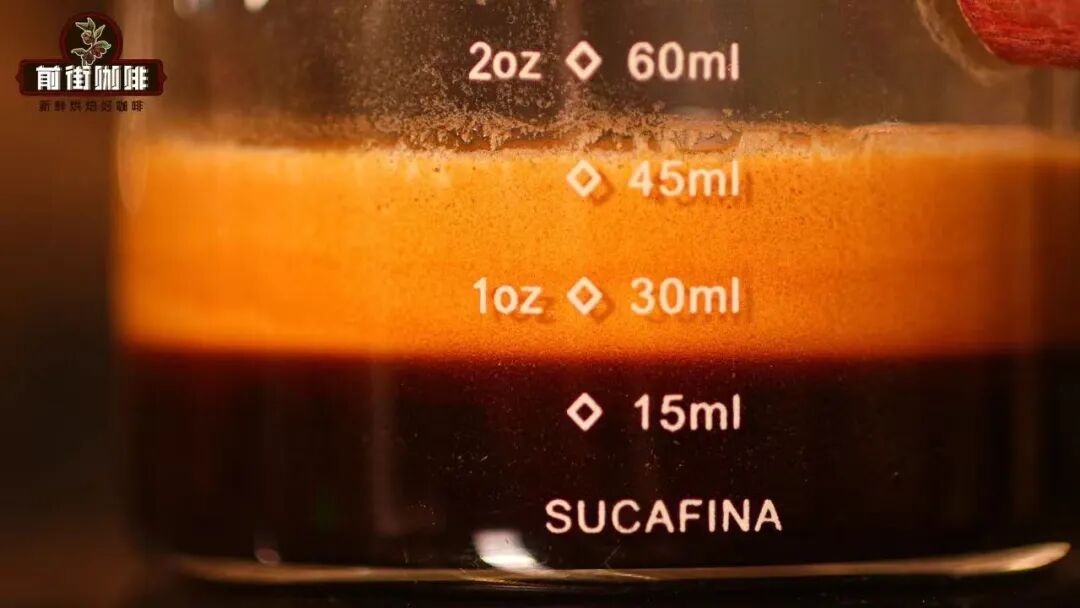
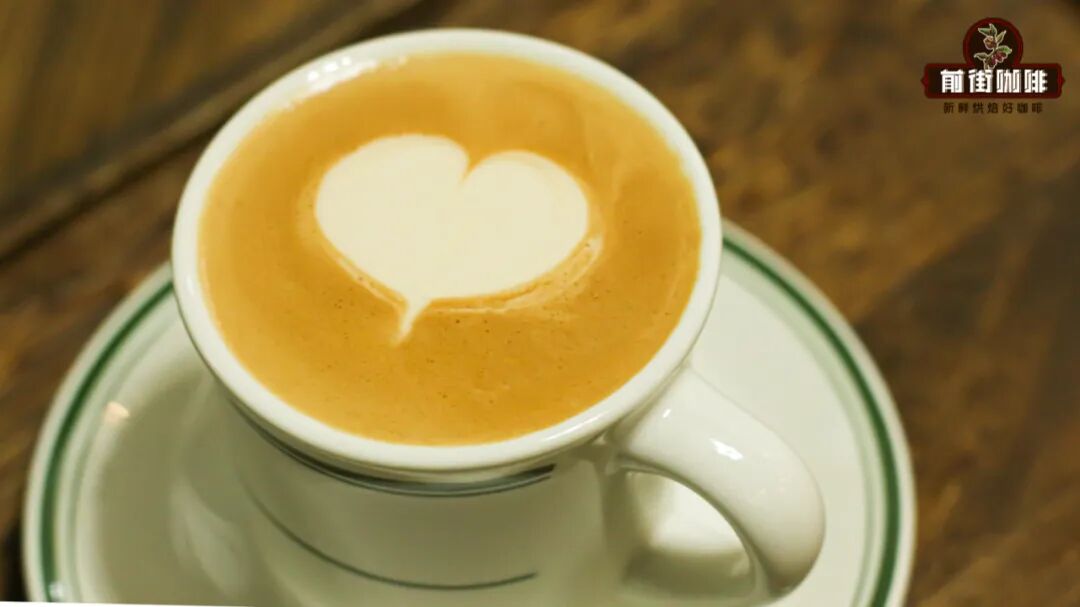
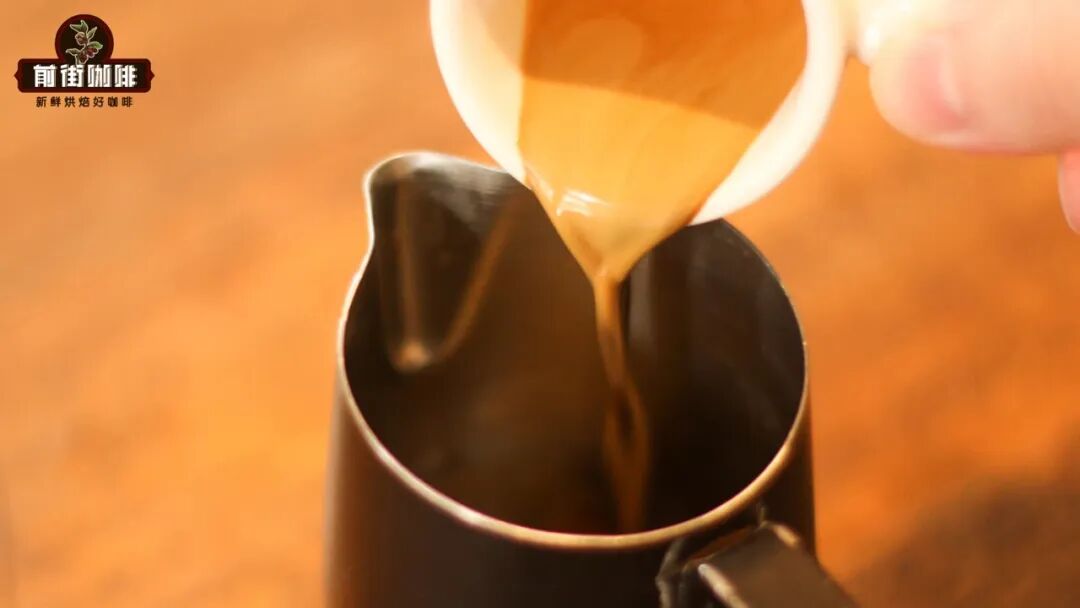
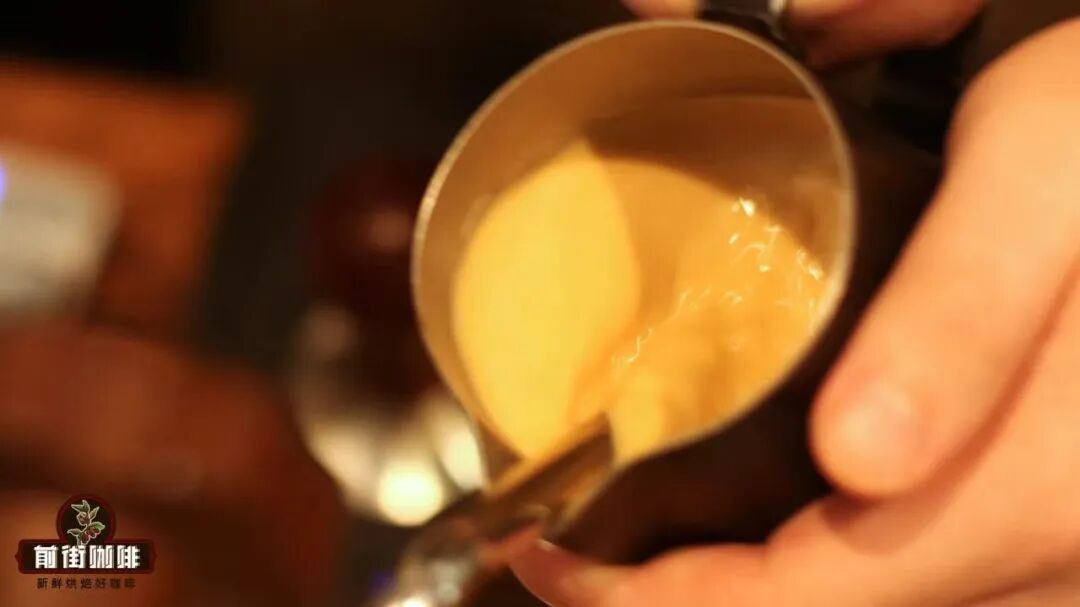
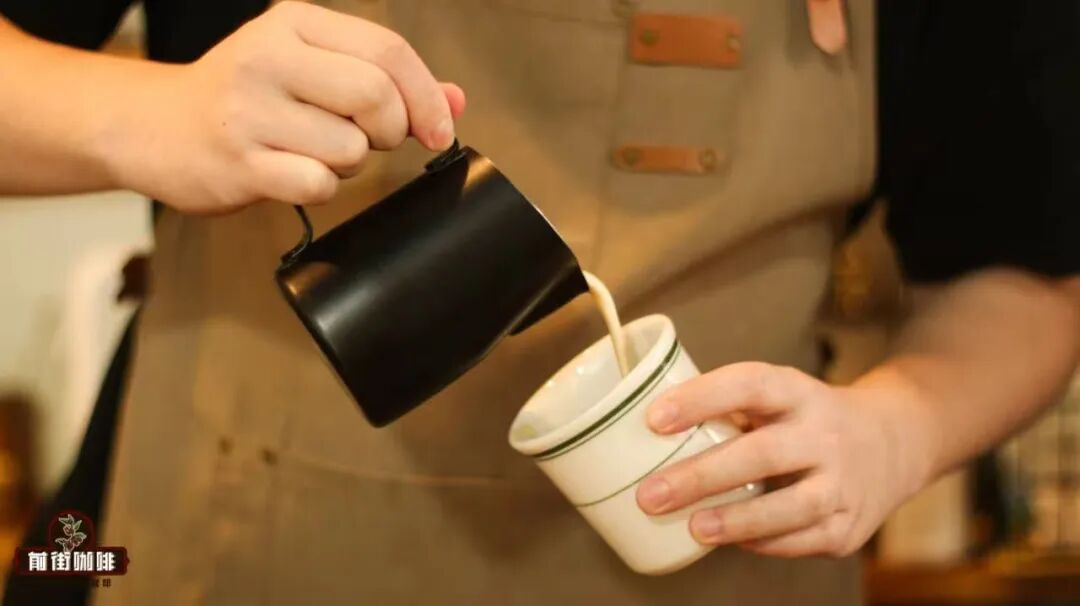
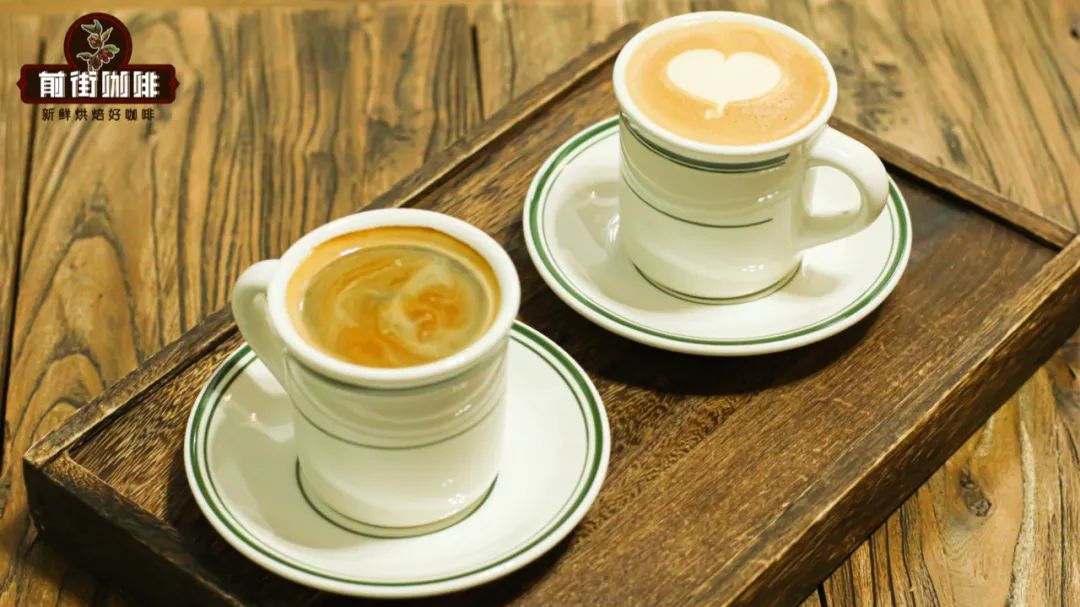
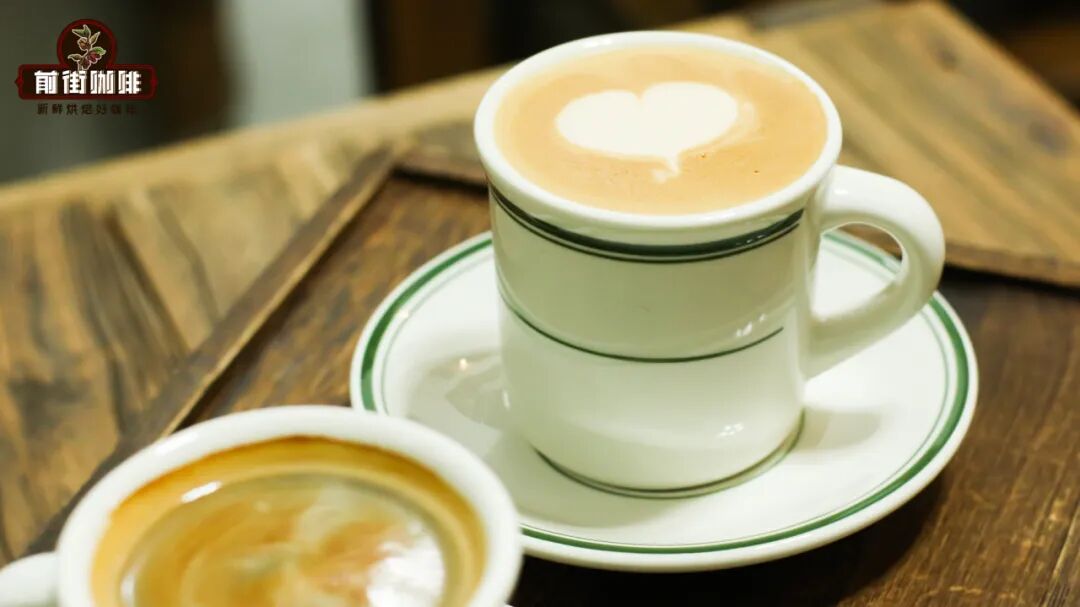
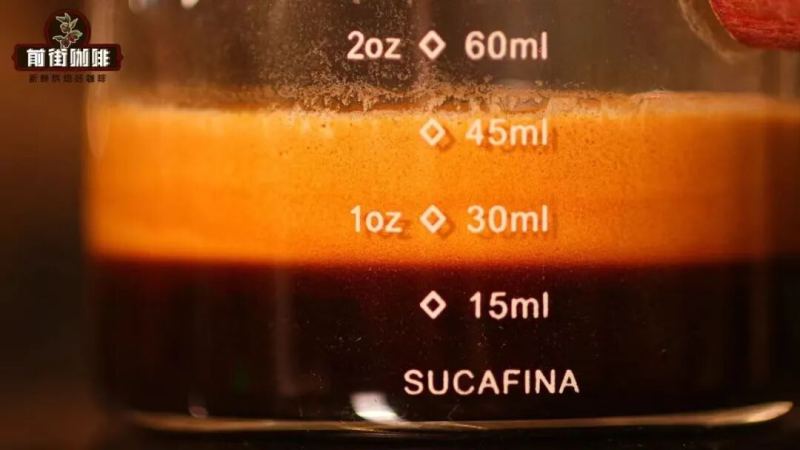
Customer: "Boss, give me a coffee with pretty latte art!"Front Street: Sure, would you like a latte, a flat white, or a cappuccino?Customer: "An Americano!"Coffee latte art, to be precise, should be called "Latte Art," which translates to "latte art."(milk art), which is the creation of various exquisite and beautiful patterns on coffee using milk. The specific method is very simple: you just need to introduce air into the milk, and the proteins in the milk will wrap around the air, forming low-density bubbles that can float on the surface of the liquid.When combined with espresso, due to its low density, the milk foam will float on the surface of the liquid just like the crema. Thenrelying on the sharp contrast between the white of the milk and the brown of the crema,during the pouring process we only need to make slight swings, and the milk foam will form beautiful patterns on the crema. And this is the principle behind making coffee latte art and forming the patterns. So theoretically speaking, milk is an important material for making coffee latte art.But obviously, milk is not irreplaceable. If there is some liquid that can also be frothed into a lasting and stable foam like milk, then it can replace milk for making coffee latte art. And such a liquid is right in front of us—yes, it's coffee itself!If you've been following Front Street for years, you'll know that Front Street has shared the topic of Americano latte art quite a few times. Americano is a black coffee made only with espresso and water, and it can also be used for latte art patterns just like a latte. The specific method is very simple: you just need to use coffee for frothing, and then follow the normal latte art steps to make it~How to make latte art on an Americano?Earlier, Front Street shared with everyone the principle of milk latte art, which is to use frothing technology to create low-density bubbles, and then form patterns through the contrast in color between the milk foam and the crema. Espresso can actually do the same thing, because espresso also has the basis for frothing.As we all know, there is a layer of golden crema floating on the surface of espresso, and this layer of crema is actually bubbles formed by the lipids and proteins of coffee beans wrapping around carbon dioxide. So theoretically speaking, espresso can also be steamed into a dense foam.And that is indeed the case. But unlike milk frothing, coffee has less liquid volume than milk. If we want coffee to reach a state where it can be frothed, then we need to use some special methods to increase its liquid volume and lower its temperature. How exactly?Very simple—just add ice water and froth it~ Since an Americano ultimately needs water added to the espresso to dilute its strength, we can naturally add this portion of water to the coffee in advance, so that the coffee has enough liquid volume to be frothed. The reason for using ice water is that it can effectively extend the frothing time, making the foam denser.Next, let Front Street share how to make an Americano with latte art, and also share with everyone what kind of difference there is between drinking an Americano with latte art and a regular Americano~The coffee beans used by Front Street for this preparation are the Front Street Classic Blend from the Front Street bean list. The espresso extracted with it is not only rich and aromatic, but also has a very abundant crema, making it very suitable for making coffee latte art. The extraction parameters are: 20g of grounds, a 1:2 coffee-to-water ratio, and a 30-second extraction time.Because the espresso needs to be split into two portions for use—one as the base and one for frothing the "milk foam"—we can choose to split it into two after extraction, or use a split portafilter so that the espresso is directly split during extraction. Front Street chose the latter. After tamping the coffee grounds, we directly lock the portafilter onto the group head, then place an espresso cup under each of the two spouts, and immediately begin extraction.After extracting the target liquid weight, Front Street poured one portion intoa latte art pitcher with 80g of ice cubes and 80ml of room-temperature water, and then began frothing the "milk foam"!The frothing steps are almost the same as frothing milk, except that because the foam produced by coffee is not as much as that of milk, we need to introduce a bit more air during frothing, and then heat it to about 65°C. The reason for frothing to 65°C is not that it can bring out the sweetness of the coffee! It's just that this temperature is neither too hot nor too cold, and is just right for drinking.After frothing is complete, we just need to follow the normal latte art process to make the pattern we like, and an Americano with latte art is done!Then Front Street also made a cup of hot Americano using the normal method, with the parameters: 40ml of coffee liquid paired with 160ml of 65°C hot water, to compare the difference in taste between the two!Through tasting, Front Street found that there is not much difference in flavor between the two. Because the beans used are the Front Street Classic Blend from the Front Street bean list, the flavor profile in both is the rich, aromatic note of chocolate, butter cookies, and nuts. The main difference between the two lies in strength and mouthfeel!The Americano with latte art has a layer of foam, so drinking it gives a dense tactile sensation and a rich mouthfeel, while the regular Americano is very smooth, without the tactile experience brought by foam; second is strength—because the foam of the latte-art Americano takes up a certain amount of space in the cup, its water volume is actually a bit less than that of a regular Americano, so the coffee strength is higher and the taste is relatively more concentrated. Other than that, there is not much difference.That's all for Front Street's sharing this time. Those interested can still give it a try—after all, it will bring you a completely different Americano experience—but remember that you can add a little more water to avoid the strength being too high and hard to drink~
The above content is compiled by CoffeeHunters, a coffee news website.