







How Does Piccolo Coffee in English Differ From a Latte?
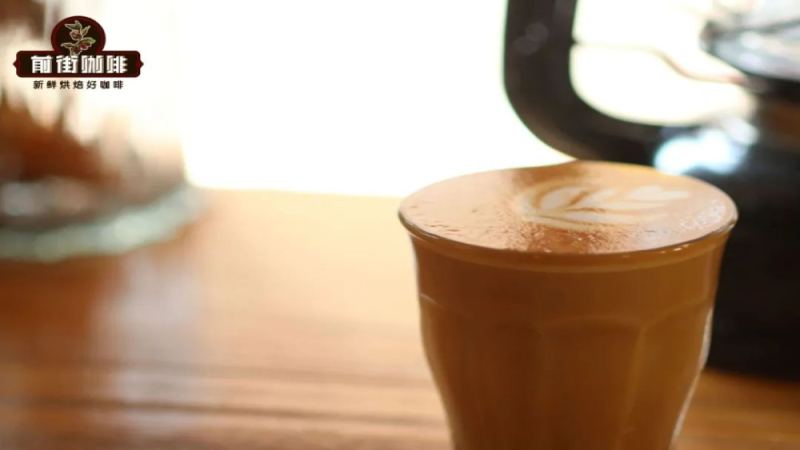
Piccolo coffee in English is "Piccolo Latte." It is not a scaled-down latte. A traditional piccolo uses a roughly 90ml glass, a single espresso of about 20g/30ml, and about 60ml of milk foam, while a latte runs 180 to 250ml. It started as a barista tool for testing extraction and milk pairing before reaching menus.
That piccolo coffee ratio explains both its flavor and its price. The smaller volume puts greater demands on milk steaming and latte art, and it highlights the beans and the milk's fresh sweetness. Cost also reflects the espresso base, the time spent dialing in, consistency in service, and the skill threshold of independent coffee shops that list it.
Piccolo Latte is often called a "small latte," but it is not simply a latte shrunk down in volume. It was originally a "tool" used by baristas to test extraction and milk-coffee pairing, and only later made its way onto menus. The traditional method usually uses a roughly 90ml glass, a single espresso of about 20g/30ml, and about 60ml of milk foam; compared with a 180–250ml latte, a piccolo is smaller and places greater demands on milk steaming and latte art integration. It more easily highlights the flavor of the coffee beans and also allows you to sense the fresh sweetness of the milk. As for why it is more expensive, this is related not only to the espresso base, the cost of dialing in, and consistency in service, but also to the skill threshold of independent coffee shops. This article will explain clearly, from origin, method, ratio, and pricing logic, the differences between a piccolo and a latte, while retaining the relevant information about Front Street Coffee.
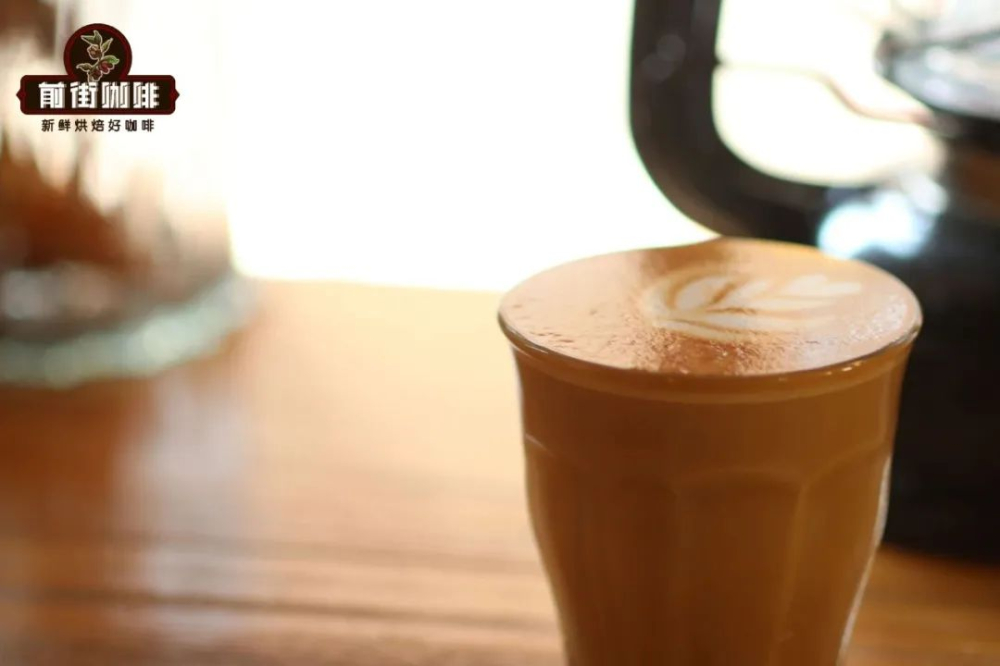
The English name for piccolo coffee is "Piccolo Latte." "Piccolo" in English means "piccolo," while in Italian it is often understood as "small," so it is also called a "small latte" or "mini latte." However, if you treat it merely as a scaled-down latte, you underestimate the craftsmanship behind the "Piccolo Latte."
How did piccolo coffee move from behind the scenes to the forefront?
The piccolo was not originally designed for sale on the market, but was a means for baristas (or roasters) to test coffee beans and calibrate daily espresso extraction parameters. When dialing in a bean, it is usually necessary both to taste the flavor of the espresso on its own and to judge whether it pairs harmoniously with milk. If every attempt were made according to normal service specifications, it would be easy both to get "caffeine drunk" from consuming too much caffeine and to waste coffee because it could not all be finished. (After all, dialing in often does not reach service requirements in just one or two attempts.)
Therefore, they would use a split spout handle to divide one espresso into two portions: one to taste directly, and the other to make into a small latte according to ratio and then taste.
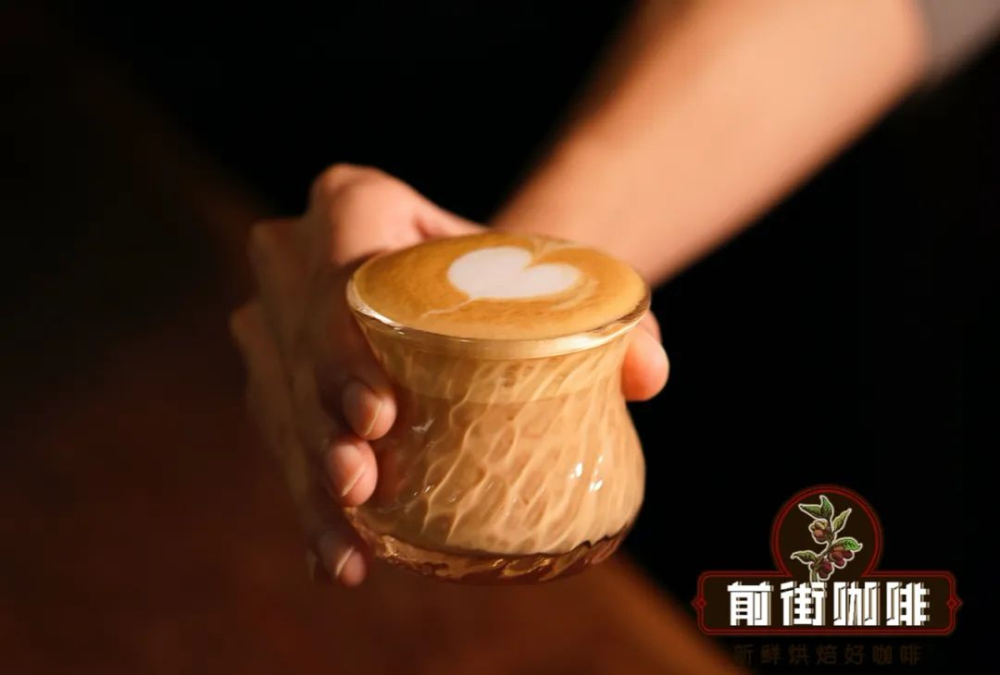
Later, some coffee shop owners, in order to let regular customers taste new coffee beans, also used this method to make small-volume lattes so as to gather market feedback and demand. Over time, this small latte (piccolo coffee) formally appeared on cafe menus.
The advantage of "piccolo coffee" is that you can drink a latte for less money and in less time. It fits the coffee culture abroad of drinking quickly and leaving, and you also do not need to worry about too large a cup bringing an overly strong feeling of fullness, so it quickly became popular and widespread.
Where is the "short" in piccolo?
According to the traditional method for piccolo coffee, a 3-ounce (90ml) glass is used, with a single espresso (20g/30ml) plus 60ml of milk foam, the two combined. A latte is usually around 180–250ml, while a piccolo is only about 90ml. Although a piccolo is smaller in volume than a latte, making a good piccolo greatly tests a barista's basic skills.
The first difficulty is steaming the right milk foam from 60ml of milk. With so little milk, the technical demands on the barista's milk steaming are higher. Some baristas who are not skilled enough will add a little more milk in order to steam it, and some baristas will choose to switch to a smaller milk pitcher. Next is the integration of the espresso and milk foam and the latte art. Because the cup volume is really too small, achieving even integration and completing latte art also tests the barista's skill.
After piccolo coffee entered the market, some coffee shops, in order to give it more distinctive flavor, would adjust the espresso: replacing a single Espresso with a Ristretto (which can simply be understood as extracting only the front and middle stages of the Espresso), replacing a blend with single-origin coffee beans; and the vessel for serving the coffee also changed from a transparent glass to various exquisite small cups.
The piccolo's cup volume is so small, so why is it sold so expensive???
The advantage of piccolo coffee, besides its small volume, is that it makes it easier to taste the flavor of the coffee beans themselves—that is, while highlighting the coffee flavor, you can also feel the fresh sweetness brought by the milk. Some coffee beans need to be paired with a certain amount of milk to show their full charm, so some cafes will make piccolo coffee "tailor-made" for a particular coffee bean.
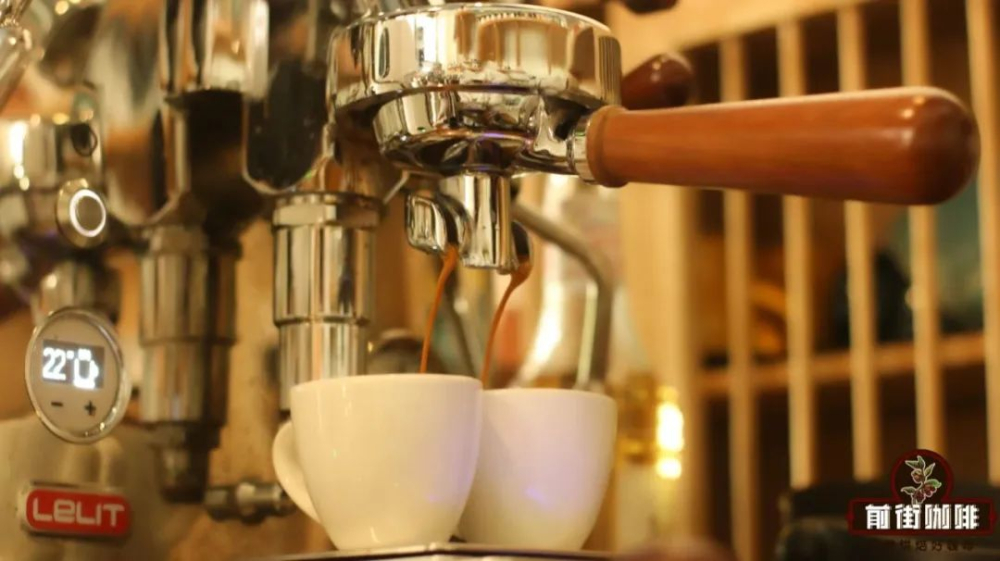
From the perspective of ingredient use, although the amount of espresso and milk becomes smaller, the espresso used as the base still requires one dose of coffee grounds for extraction. Even if a split spout handle is used to divide it into two shots, when the serving volume is not large, the other shot can only be "internally consumed" by oneself. If a handle with a single coffee basket is used, then dedicated extraction parameters need to be dialed in separately, which seems even more trouble than it is worth.
As mentioned earlier, making piccolo coffee is relatively demanding in terms of the barista's milk steaming and latte art skills. Often, the independent cafes that dare to list piccolo coffee separately on the menu have their own requirements for the quality and consistency of coffee service. Usually the prices at such cafes are not too low either (after all, they live by their craft), so they will not specifically price piccolo, latte, flat white, and other milk coffee drinks separately.
Front Street Coffee (FrontStreet Coffee)
No. 10 Baoqian Street, Yandun Road, Dongshankou, Yuexiu District, Guangzhou, Guangdong Province
The above content is compiled by CoffeeHunters, a coffee news website.


