







What Piccolo Coffee Ratio Makes a Balanced 90 ml Cup?
A piccolo latte is a 90-100 ml espresso milk drink built from a ristretto shot plus steamed milk, commonly served in Australia. It began as a test drink that roasters and baristas used to check how well beans and milk combine, then moved onto cafe menus. The small format keeps the coffee aroma clear instead of washed out by milk.
A workable piccolo coffee ratio is roughly 1:1 ristretto to milk, with the milk steamed to around 55-60C and poured while the crema is still intact. Lighter-roast beans are often chosen so the espresso flavor stays bright without turning harsh. This guide piccolo coffee approach also covers dose, extraction parameters and latte art timing for anyone who wants the same result at home.
Piccolo Latte is a small cup espresso milk coffee with a capacity of only 90-100ml, made by combining Ristretto with steamed milk, and is very common in Australia. It was originally a test drink used by roasters and baristas to check the integration of coffee beans and milk, and later gradually entered cafe menus. This article will start with the origin of Piccolo, the reason for the small cup size, and its flavor characteristics, and then break down in detail the steps for Front Street Coffee to replicate this drink, including coffee powder amount, extraction parameters, milk steaming temperature, and latte art timing, to help coffee enthusiasts fully understand this short coffee known as a "shrunk version of hot latte."
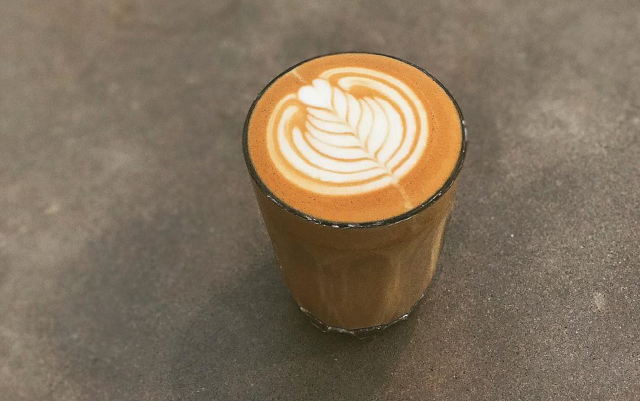
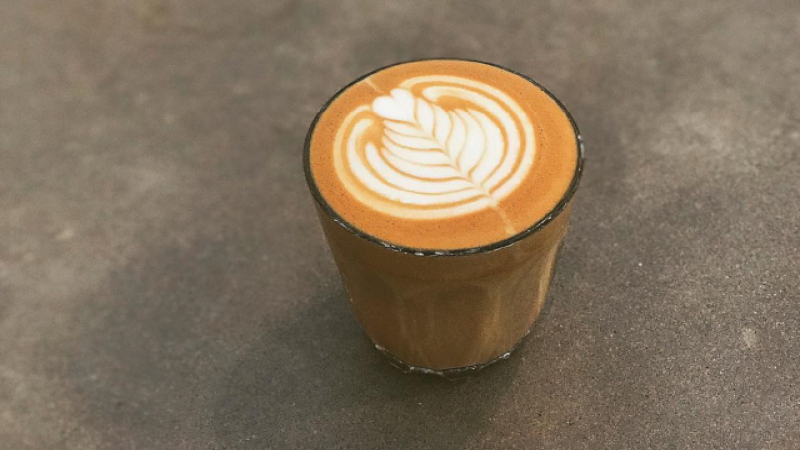
Piccolo Latte is a type of espresso coffee, made by mixing espresso with steamed milk. Its cup size is quite mini, generally controlled at around 90-100ml, so many people regard it as a shrunk version of hot latte. When making this drink, baristas often choose coffee beans with a lighter roast level; the finished product has abundant coffee aroma but is not overly harsh.
Why is Piccolo Latte such a small cup?
Piccolo Latte originated in Australia. If you order a Piccolo in a Sydney cafe, what is served is a hot milk coffee with a capacity of only 3-4 ounces (about 88-118ml), usually in a glass. Its coffee aroma is elegant, and on the palate you can feel both the delicate smoothness of the milk and the distinct coffee flavor. After drinking it, the fragrance still lingers in the mouth, and it may even make you feel "I haven't had enough." So why is Piccolo's cup size so small?
Piccolo was first invented because roasters or baristas wanted to test the harmony between coffee beans and milk, but were unwilling to make a 200-300ml large latte for evaluation, so they chose to reduce the proportion of milk. Later, baristas put this "small latte" on the menu for customers who did not want to take in too much caffeine or did not want to drink a large latte. Some people may mutter: the price is about the same as a latte, but the cup is so much smaller, isn't that a bad deal?
As the specialty coffee industry continues to develop, coffee professionals have begun to pursue coffees with origin flavors, such as fruity notes and floral notes. More and more refined single-origin coffees are also being used to make espresso drinks. If produced according to the large cup size of a latte, the proportion of milk is too high, and the finished product is closer to milk with coffee flavor, with a more balanced taste, which instead fails to highlight the personality of the beans themselves. Therefore, baristas try to present the unique flavor of milk coffee with a smaller cup size, adding a small amount of warm, sweet milk to set off the characteristics of the coffee beans. To put it plainly, it is for better taste, and when you think of it that way, you no longer feel it is a loss.
So how do you make Piccolo Latte?
Friends who have visited Front Street Coffee stores for coffee may have noticed that Front Street Coffee's espresso menu does not include Piccolo Latte. This time Front Street Coffee will try to replicate this relatively "niche" drink and see how it tastes.
When making Piccolo, Front Street Coffee uses a small cup of about 90-100ml, controls the ratio of coffee to milk at 1:5, and preheats the cup in advance to maintain the drinking taste of the coffee as much as possible. The base uses a single Ristretto. Ristretto means "restricted" in Italian, also called extra-concentrated espresso, and usually only the front and middle sections of Espresso are extracted, so the taste is stronger and the flavor is more concentrated. Front Street Coffee weighs 20 grams of coffee powder and extracts 28 grams of coffee liquid, taking 20-25 seconds, of which a single Ristretto is 14 grams, poured into the cup first.
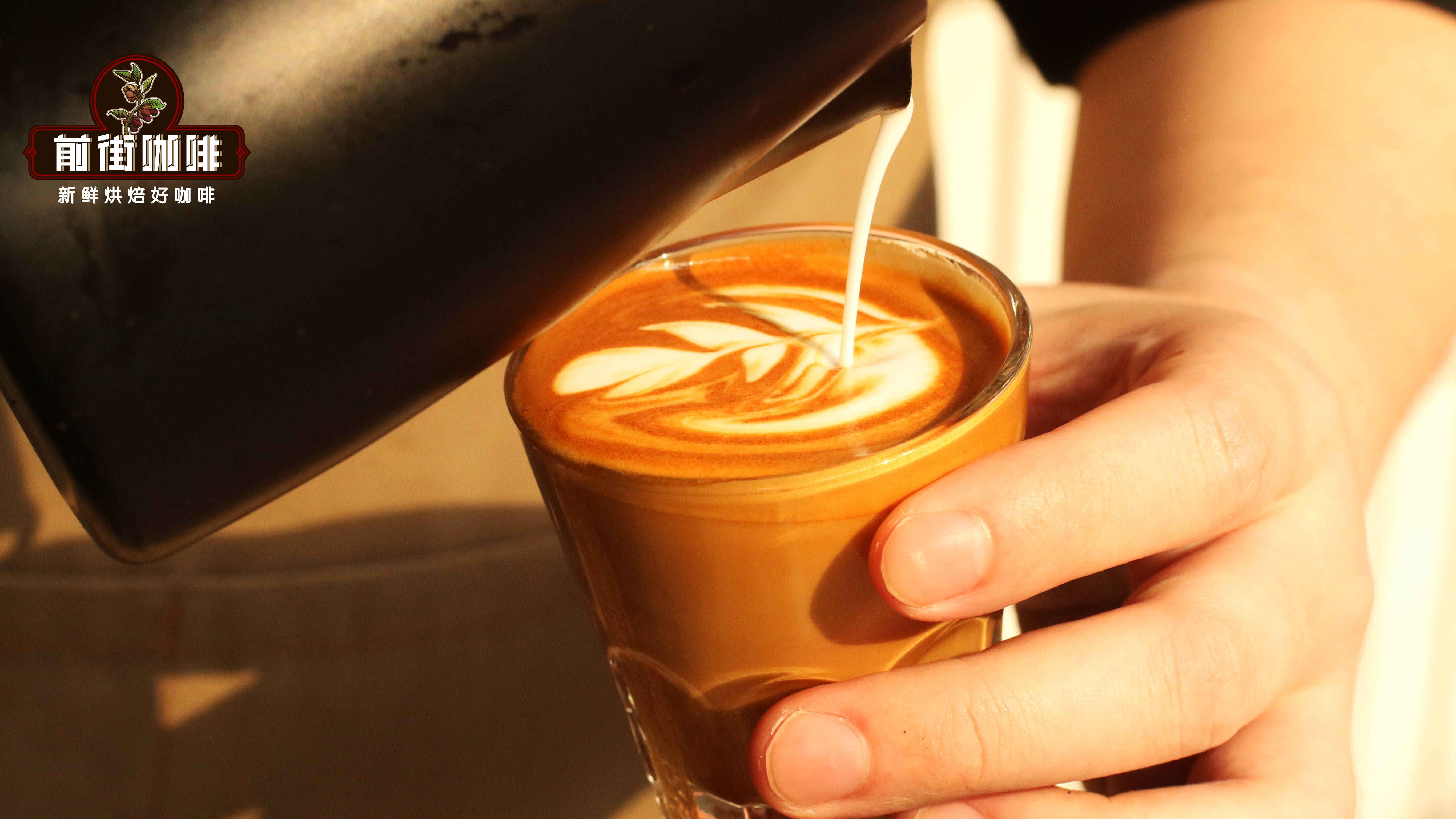
The milk steaming step is quite particular; you should know that the less milk there is, the harder it is to steam. Front Street Coffee uses a 350ml milk pitcher and pours in 100ml of milk. Piccolo does not need the milk foam to be level with the rim of the cup like a flat white, so it retains a milk foam thickness close to that of a latte, about 0.3-0.5cm, and the milk steaming temperature is controlled between 55°C and 60°C, so it will not burn the mouth when drinking. Try to let the milk and Ristretto blend evenly, and when poured to seven-tenths full, begin drawing the pattern. Piccolo is best enjoyed immediately after it is made.
The flavor of the coffee depends on the coffee beans used. The espresso drinks served at Front Street Coffee stores all use Front Street Coffee's own roasted "Sunflower Warm Sun Blend Coffee Beans" to extract espresso. The Piccolo made by Front Street Coffee has aromas of vanilla, cream, chocolate milk, and whiskey-filled chocolate, along with the sweet-and-sour taste of berries. The coffee flavor is full, the milk is dense and fragrant, and the aftertaste is quite long-lasting.
Professional coffee knowledge exchange For more coffee bean information, please follow Coffee Studio (WeChat public account: cafe_style)
For more specialty coffee beans, please add the private WeChat of Front Street Coffee, WeChat ID: qjcoffeex
The above content is compiled by CoffeeHunters, a coffee news website.


