







Search Results for: Large-Bean Coffee
Why Is Liberica Coffee So Rare? Characteristics, History, and Pour-Over Flavor Analysis of the Large-Bean Coffee
Among the three major coffee varieties, Arabica and Robusta dominate the mainstream trading market, while the large-beaned Liberica accounts for only about 1% of global economically cultivated coffee production, making it quite rare. This time, Front Street Coffee (FrontStreet Coffee) will introduce Liberica: its plant morphology, fruit characteristics, disease-resistant advantages, and why it is more labor-intensive in post-processing. The article will also sort through its semi-wild cultivation history in Borneo, as well as its appearance and award-winning experience at the 2018 Stuttgart Coffee Summit in Germany. Finally, it will include Front Street's sun-dried Liberica hand-brewing parameters and flavor description to help you fully understand this niche coffee variety. [more…]
The Forgotten Large-Bean Liberica: Can Excelsa Coffee Become a New Choice in a Warming Climate?
Today, when Arabica and Robusta absolutely dominate global coffee supply, a species once forgotten for its poor flavor—Liberica (Coffea liberica)—is re-entering researchers' view. From 2021 to 2022, climate change-induced droughts tightened coffee inventories and sent prices soaring, with Arabica prices doubling in a short period. Facing the crisis of shrinking arable ranges, academia proposed three paths: relocating production areas, adjusting cultivation methods, and developing new crops. In December 2022, Nature Plants pointed out that Liberica might regain attention in an era of supply chain disruptions. One of its natural varieties, Excelsa, combines disease resistance, drought tolerance, low-temperature tolerance, and a flavor close to Arabica, and is being widely planted by coffee farmers in places such as Uganda. Front Street Coffee takes you through the full picture of this potential variety. [more…]
Full Analysis of Liberica Coffee Beans: Why the Large-Bean Species Among the Three Major Coffee Varieties Is Rarely Cultivated
Liberica coffee is one of the three major commercial coffee species, standing alongside Arabica and Robusta, yet it accounts for only 2% of global consumption. This coffee tree is tall with large cherries, and its flavor is dominated by woody and smoky notes, with the lowest caffeine content among the three. It originated in Liberia, Africa, and was only cultivated artificially in the 19th century; due to the difficulty of harvesting, it has never been widely promoted. After the coffee rust outbreak in 1890, the Philippines took the lead in large-scale cultivation of Liberica, and today the Philippines remains the world's largest producer. This article will give you a comprehensive understanding of Liberica's flavor characteristics, cultivation history, and producing regions, along with product recommendations from Front Street Coffee. [more…]
Colombian Arabica Coffee Beans: A Comprehensive Analysis of Large-Bean Characteristics, Variety Differences, and Origin Grading
Colombia, as the world's second-largest coffee-producing country and the largest exporter of washed Arabica beans, is renowned for its silky, balanced flavor, and its coffee is hailed as "green gold." This article will systematically examine the bean size characteristics and differences of Colombian Arabica coffee beans from the perspectives of botanical features, aroma performance, major varieties, cultivation conditions, and washed grading. At the same time, it will also mention Front Street Coffee's selection recommendations for Colombian beans, helping coffee enthusiasts gain a more comprehensive understanding of the appeal of this classic origin. [more…]
A Complete Analysis of the Three Major Coffee Varieties: Distinguishing Large-Bean, Medium-Bean, and Small-Bean Coffee and the Classification of Yunnan Small-Bean Coffee
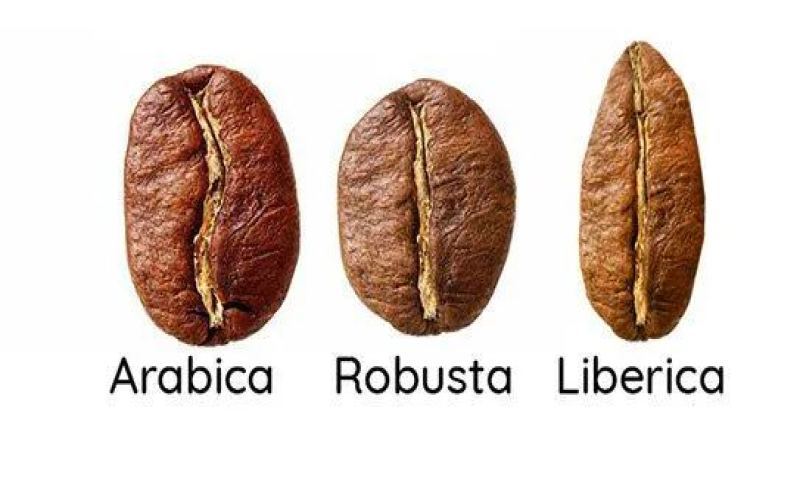
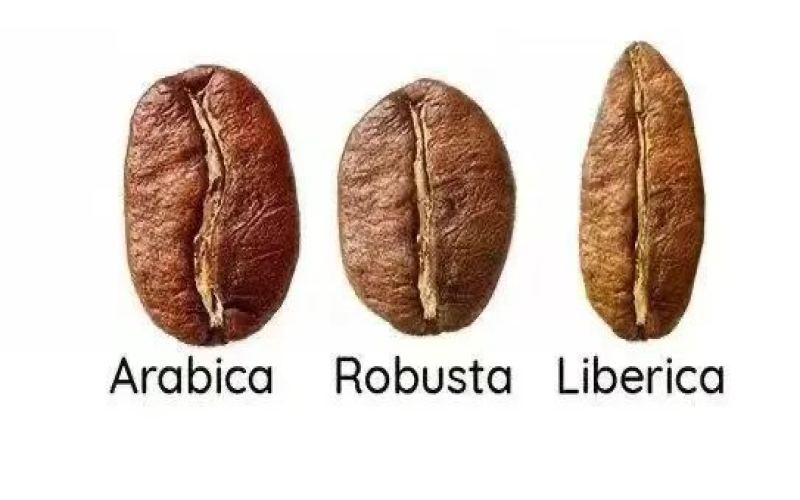
The coffee world is vast and complex. Under botanical classification alone, there are more than a hundred species, yet the cultivated varieties actually used for drinking mainly fall into three major categories: Arabica (small-bean), Robusta (medium-bean), and Liberica (large-bean). Each possesses unique botanical characteristics, growing conditions, and flavor profiles, and their yields and commercial value differ greatly. Yunnan, as China's representative coffee-producing region, grows coffee that belongs to which category? Why is it called "Yunnan small-bean coffee"? This article will systematically outline the key distinctions among the three major coffee varieties, provide an in-depth answer to the varietal classification of Yunnan small-bean coffee, and also present Front Street Coffee's Yunnan Typica and espresso blend recommendations. [more…]
Why did Liberica take the deepest root in the Philippines? From the origins of the large-bean species to the rise of a tough-guy coffee
Liberica, a coffee variety known as "large bean," originated in Liberia, Africa. Its beans are large but extremely low in caffeine, with a flavor profile dominated by smoky, earthy, and woody notes, even described as "liquid tobacco." It was not favored by the commercial market, yet found its widest cultivation ground in the Philippines. Why did the Philippines become the largest producing country of Liberica? This is inseparable from the rise and fall of the country's coffee industry: from the introduction of Arabica in 1740, to the leaf rust disease at the end of the 19th century that caused production to plummet by 80%, to the government's introduction of disease-resistant varieties and implementation of a five-year revival plan in the 1950s, the demand from instant coffee factories ultimately allowed Liberica to gain a foothold. This article will trace this history and explore whether Liberica also has the potential to move toward specialty coffee. [more…]
Pacamara Coffee Full Analysis: Hybrid Lineage, Maragogype Genes, and the Road to Cup of Excellence Glory
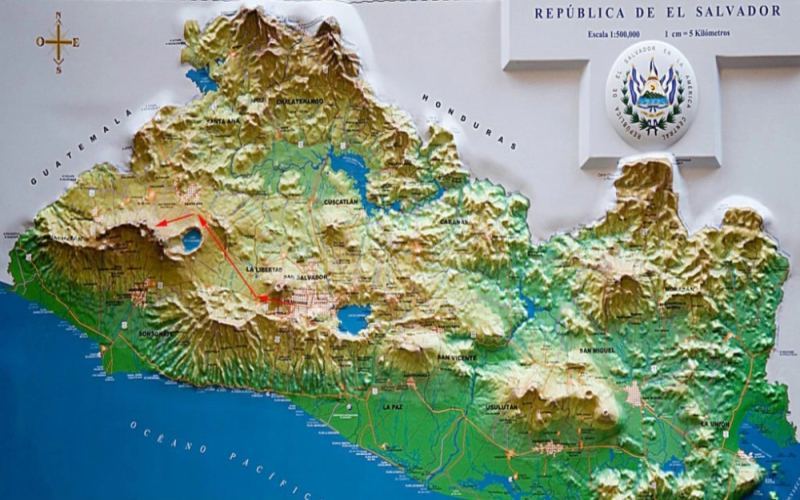
Pacamara is a hybrid variety born in 1958 at the Salvadoran Coffee Research Institute, created by crossing the Bourbon variant Pacas with the Typica variant Maragogipe (Elephant Bean). It inherited the large-bean genes of the Elephant Bean, but because its beans were too large, green bean processing became difficult and yields were low, leaving it dormant for nearly half a century. It was not until 2007 that Pacamara won dual championships at the Cup of Excellence in Guatemala and Honduras, and swept the top three places in El Salvador, defeating many Geisha coffees in one stroke, and has since been hailed as the "Geisha rival." This article will guide you through Pacamara's complex lineage, processing challenges, and how it rose to the specialty coffee stage with its rich and varied flavors. [more…]

Arabica Coffee | What are the three main categories of coffee beans? What coffee variety is Yunnan coffee? Recommended Yunnan specialty coffee suitable for beginners
For professional coffee knowledge exchange and more coffee bean sharing, please follow Front Street Coffee (FrontStreet Coffee). In plant taxonomy, coffee belongs to the Rubiaceae family, under which there are at least over a hundred coffee species, with about eighty confirmed varieties of coffee trees, among which those used for drinking coffee [more…]
A Complete Guide to 14 Coffee Jargon Terms: English Abbreviations and the Three Major Coffee Bean Varieties Explained
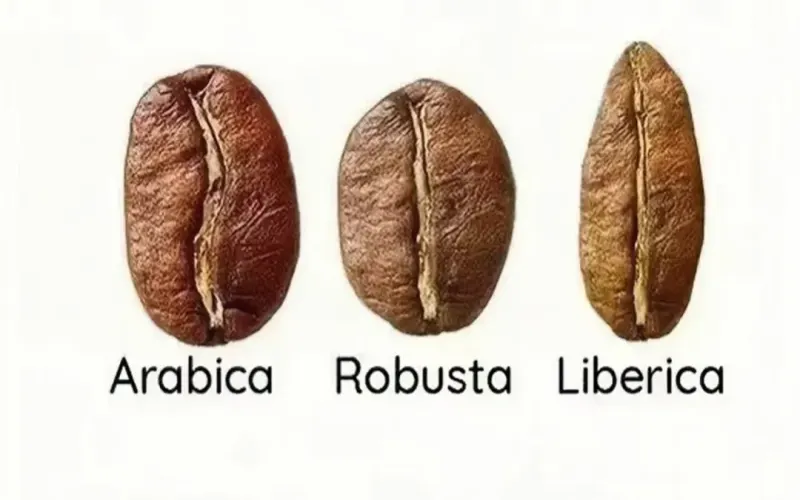
Just as every industry has its own jargon, the world of coffee is likewise filled with a large number of specialized terms. While these terms make communication easier for industry insiders, they also inadvertently create barriers for those who are just getting into coffee—if you do not understand what they mean, it is often difficult to follow a conversation, let alone fit into the coffee community. Therefore, Front Street Coffee has specially put together this installment of terminology explanations, covering the origins of the alternative names of the three major coffee bean varieties, the meanings of common English abbreviations, and core vocabulary for describing coffee taste such as body. Whether you are a complete beginner or an enthusiast looking to fill in gaps in your knowledge, you can gain practical knowledge from it and make communication much smoother and more effortless. [more…]

Yunnan Small-Bean Coffee: Origin Environment and Flavor Analysis — From Botanical Characteristics to Quality Grading
Yunnan, as China's most important coffee-producing region, nurtures outstanding quality Arabica coffee thanks to its subtropical mountain climate south of the Tropic of Cancer and its fertile plateau red soil. This article systematically reviews the introduction history, main cultivated varieties, producing region distribution, and flavor characteristics of Yunnan coffee, and provides a detailed introduction to the botanical features—roots, stems, leaves, flowers, and fruit—of Arabica coffee as well as its grading standards. Whether you are a coffee enthusiast just starting out or a seasoned player hoping to gain a deeper understanding of the past and present of Yunnan beans, you can gain from it a complete understanding of the relationship between this land and coffee, while also seeing Front Street Coffee's continued attention to and recommendations for Yunnan coffee. [more…]
World Coffee Origins | Which famous coffee beans come from each coffee-producing country? What are the flavor, taste, and characteristics of each coffee variety? Introduction to coffee grading systems
I. Brazil (South America) Since 1960, Brazil has consistently ranked first in the world in coffee cultivation, with an average annual output of 24.6 million bags (each bag weighing 60 kilograms). According to a November 2002 report by the United States Department of Agriculture, Brazil's actual coffee output in 2002 should have been 51.6 million bags. Brazil is the world's most [more…]
Flavor Comparison of the Three Major Coffee Varieties: Differences Between Robusta, Arabica, and Liberica, and Front Street Coffee's Fresh Roasting Recommendations
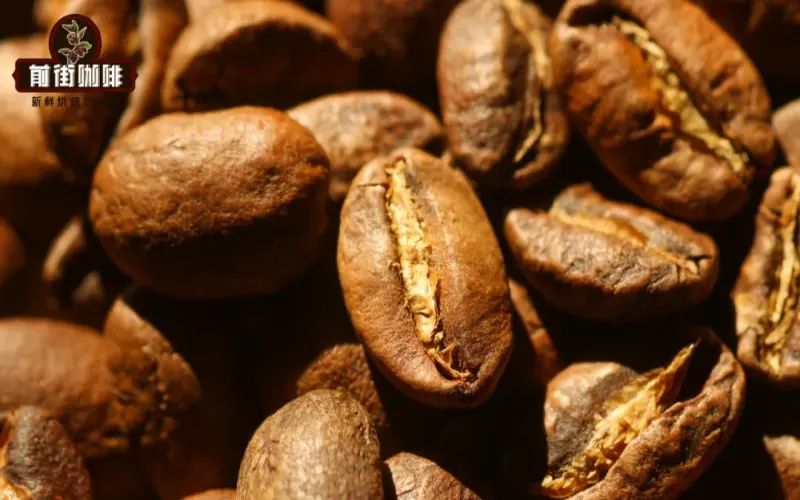
The coffee world is mainly composed of three major species: Arabica, Robusta, and Liberica, but the two most commonly encountered in everyday drinking and commercial blends are the first two. Arabica dominates the specialty coffee mainstream with its delicate and varied flavors, while Robusta, with its robust vitality and high caffeine content, plays an important role in espresso recipes and instant products. This article will systematically sort out the characteristics of the three major species from multiple dimensions such as plant morphology, growing altitude, production share, and flavor performance, and will specifically explain Robusta's position and limitations in the wave of specialty coffee. At the same time, the article will also combine Front Street Coffee's dedication to freshness and share practical suggestions such as the resting period and grinding timing, helping coffee enthusiasts more comprehensively understand the selection logic and brewing key points of different bean types. [more…]
A Complete Guide to Coffee Flowering: From Bud Development to Full Bloom, Understanding Blooming Habits and Appreciation Points
In early spring, the creamy-white flowers that bloom on coffee trees are not only elegant in form and rich in fragrance, but also hold many fascinating botanical characteristics. This article walks you through the structure of coffee flowers, their flowering habits, and the differences in flowering periods among various varieties. It also explains why drought or low temperatures can cause star-shaped flowers to appear, and how irrigation can increase the proportion of normal flowers. Whether you are a coffee enthusiast or a grower-observer, you will gain practical knowledge about appreciating and cultivating coffee flowers. [more…]
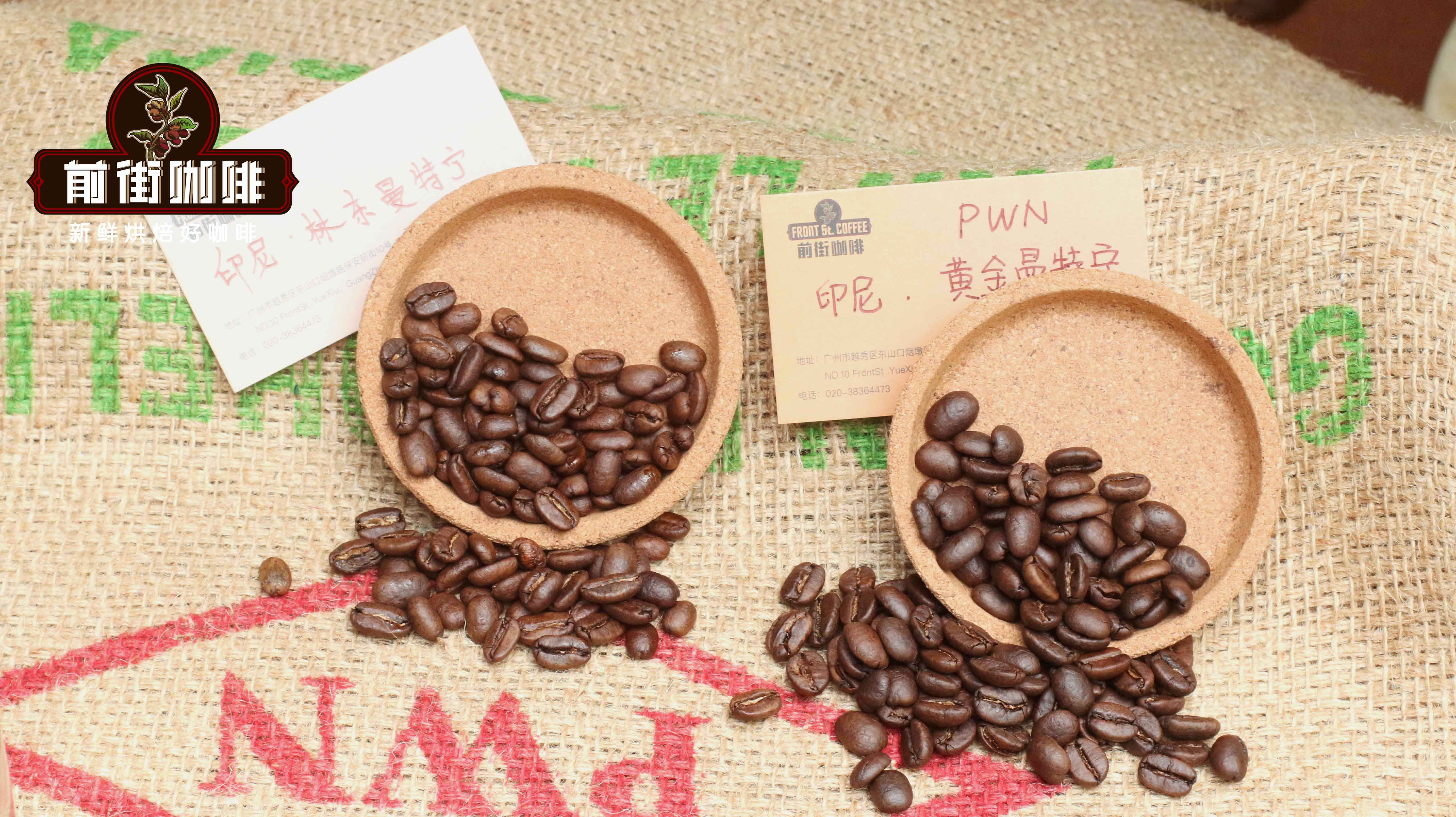
Analyzing Mandheling Coffee Bean Flavors: What Exactly Is the Difference Between PWN Golden Mandheling and 20-Mesh Golden Mandheling?
Mandheling coffee, with its rich, full-bodied taste and herbal, pine, and spice notes, has long been prized by seasoned coffee enthusiasts. However, full-bodied does not mean bitter; when a coffee's body reaches a certain level, a sweet aftertaste reminiscent of cane sugar or brown sugar emerges instead. There are many beans on the market marketed under the banner of "Golden Mandheling," yet their prices and quality vary widely, and the most easily confused among them are authentic PWN Golden Mandheling and the large-bean Mandheling advertised as "20 mesh." This article focuses on Front Street Indonesian Mandheling and Front Street PWN Golden Mandheling—their origins, screening standards, and cupping performance—to help you understand what true Golden Mandheling really is, and how it differs fundamentally from so-called 20-mesh Mandheling. [more…]
A Comprehensive Guide to Coffee Flowers: From Morphological Characteristics and Blooming Habits to the Benefits and Effects of Drinking Them as a Tea
The blooming of the coffee tree is an extremely fascinating stage in the coffee growth cycle. Every spring, creamy-white flowers adorn the branches, looking especially delicate against the backdrop of downward-drooping green leaves, with a rich fragrance that is intoxicating. However, the coffee flowering period is very brief; from flower bud differentiation to blooming, and then to bearing fruit, every step is deeply influenced by variety and environmental conditions. Coffee flowers not only have rich morphological characteristics and unique flowering habits in botanical terms, but people also often dry coffee flowers and steep them in water to drink, believing they have specific health benefits. This article will take you through a systematic understanding of the morphological structure of coffee flowers, the flowering patterns of different varieties, the differences between star-shaped flowers and normal flowers, and the benefits of drinking coffee flower infusion, while interspersing coffee flower appreciation images to help coffee enthusiasts fully understand this flower hidden behind the coffee cup. [more…]
A Complete Guide to Mandheling Coffee Varieties: From Lintong to Aged, Understanding Sumatra's Classic Flavors
Mandheling coffee is a classic representative of Sumatra, Indonesia, known for its full body, low acidity, and rich, mellow aroma. However, many coffee enthusiasts are unaware that the Mandheling commonly found on the market actually comes in several varieties: Lintong Mandheling, Golden Mandheling, Tiger Mandheling, Aged Mandheling, and the more recently introduced Natural Mandheling. Each comes from different growing regions, uses different processing methods, and has its own distinctive flavor profile. The five Mandheling coffees offered by Front Street Coffee happen to cover these types. This article will systematically sort out the classification, origins, processing methods, and brewing suggestions for Mandheling, helping readers more clearly identify which one is in their cup when drinking, and understand why Golden Mandheling commands a higher price and is produced in smaller quantities. [more…]
A Complete Guide to Sumatra Mandheling Coffee: Flavor and Mouthfeel Comparison of Golden, Lintong, Tiger, Aged, and Natural
Sumatra Mandheling coffee from Indonesia is famous for its low acidity, full body, and herbal and spicy notes, making it a favorite among many seasoned coffee enthusiasts. Front Street Coffee currently offers five Mandheling coffees, including Golden Mandheling, Lintong Mandheling, Tiger Mandheling, Aged Mandheling, and Sun-Dried Mandheling, each with distinctly different flavor profiles and processing details. This article will outline the regional context of Sumatra coffee, unravel the connection between Golden Mandheling and PWN Company, explain how the wet-hulling process shapes Mandheling's signature mouthfeel, and introduce the origin, variety, processing method, and cupping performance of each of the five beans one by one, finally attaching Front Street's brewing parameter recommendations for coffee enthusiasts' reference. [more…]
A Detailed Guide to the Four Main Types of Mandheling Coffee: The Flavor Codes of Lintong, Golden, Tiger, and Aged
Mandheling is the most iconic coffee from Sumatra, Indonesia, but did you know it actually comes in several types? Lintong Mandheling, Golden Mandheling, Tiger Mandheling, and Aged Mandheling—each has its own unique origin background, processing method, and flavor profile. The five Mandheling coffees offered by Front Street Coffee each have distinct characteristics, ranging from the classic herbal richness to the soft fruity acidity of natural processing, with differences far beyond imagination. This article will systematically sort out the origin of the Mandheling name, its classification logic, the characteristics of major producing regions, and how the wet-hulling method shapes its signature flavor, helping you truly understand a cup of Mandheling. [more…]
Mandheling Coffee Brewing Guide: How to Choose Between Drip Brewer and Siphon, and a Detailed Look at Golden Mandheling
Mandheling coffee has long been favored by coffee enthusiasts for its full-bodied, low-acid character and rich, deep aroma. But when faced with two brewing methods—the drip pot and the siphon—which one is better suited to bringing out the flavors of Mandheling? This article begins with the 5 Mandheling coffees offered by FrontStreet Coffee, sorts through the production-region system of Sumatran coffee, focuses on explaining the definition of Golden Mandheling and its ties to the PWN company, and includes the detailed parameters of FrontStreet Golden Mandheling along with step-by-step siphon instructions to help you extract a rich, smooth cup of black coffee at home. [more…]
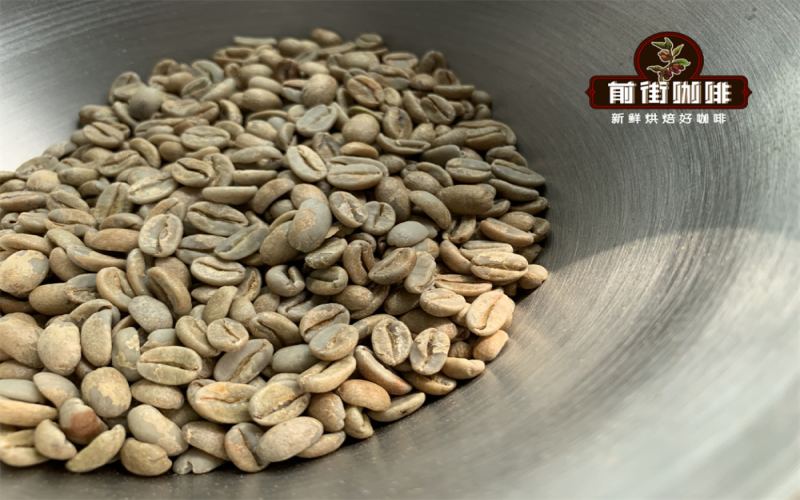
Coffee Basics | An Analysis of the Flavor and Characteristic Differences Between Large-, Medium-, and Small-Bean Coffee Varietals
There are many varieties of coffee trees, but the cultivated varieties used for drinking mainly fall into three types: Arabica (small-bean species), Robusta (medium-bean species), and Liberica (large-bean species). They differ in plant morphology, fruit size, flavor profile, growing conditions, and commercial value. This article will systematically sort out the differences among these three types of coffee beans from the perspectives of botanical classification, appearance characteristics, flavor traits, and origin distribution, and will also answer the question of which species Yunnan small-bean coffee belongs to, helping coffee enthusiasts gain a clearer understanding of the source of the coffee they drink every day. [more…]