







Search Results for: Kenyan-style 72-hour washed
A Comprehensive Guide to Kenyan Coffee Origins: Varieties, Washed and Natural Processing, and an Overview of Flavor Characteristics
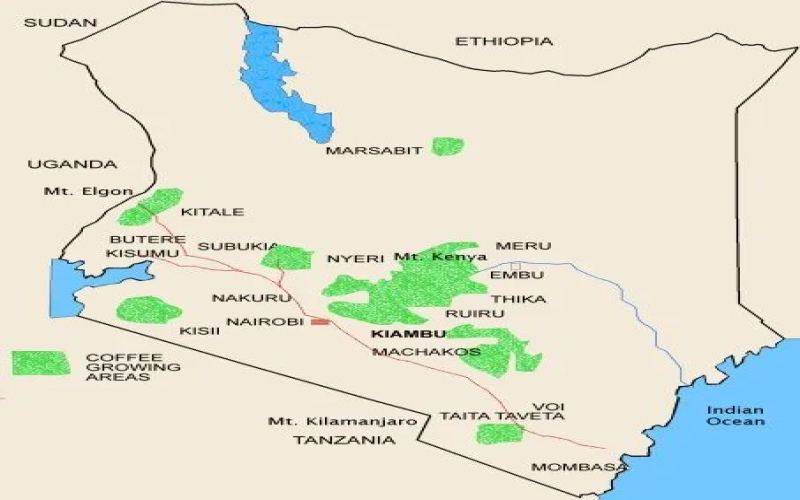
Kenya is a coffee origin that cannot be overlooked on the global specialty coffee map, renowned for its intensely bright acidity and complex layers. This article provides a systematic overview of Kenyan coffee cultivation, including the capital Nairobi, the port city of Mombasa, nearly 700,000 smallholder families, growing conditions at elevations ranging from 1,400 to over 2,000 meters, and varieties such as SL28, SL34, Ruiru 11, Batian, and K7. The article also outlines the main and secondary harvest seasons, the major growing regions in the central and western areas, and compares the flavor differences across counties such as Nyeri, Embu, and Thika. It focuses on analyzing the Kenyan-style 72-hour washed processing method (K72), detailing its process and advantages, while also introducing the lesser-seen traditional natural-processed Kenyan coffee, including the historical background and flavor profile of Missionary Bourbon. Finally, it includes two comparison bean information cards and brewing suggestions, making it ideal for coffee enthusiasts looking to gain a comprehensive understanding of Kenyan coffee. [more…]
An Analysis of Kenya's 72-Hour Refined Washed Processing Method: A Full Overview of Front Street Coffee Beans' Flavors and Producing Regions
Kenyan coffee is famous for its bright, complex fruity flavors, and its unique 72-hour refined washed processing method (K72) is the core craft that shapes this flavor profile. Starting from the tasting notes of Front Street Kenyan coffee, this article provides an in-depth introduction to the geography and cultural background of the Kirinyaga region, the operations of the Kiangombe processing plant, and the origins of the two classic varieties SL-28 and SL-34. At the same time, it breaks down the Kenyan-style washed cycle fermentation process in detail, helping you fully understand every key step of this East African coffee bean from origin to cup. [more…]
Kenya AA Coffee Bean Grading Standards Explained: A Full Analysis of Thika Region Flavor, K72 Washing, and SL28/SL34 Varieties
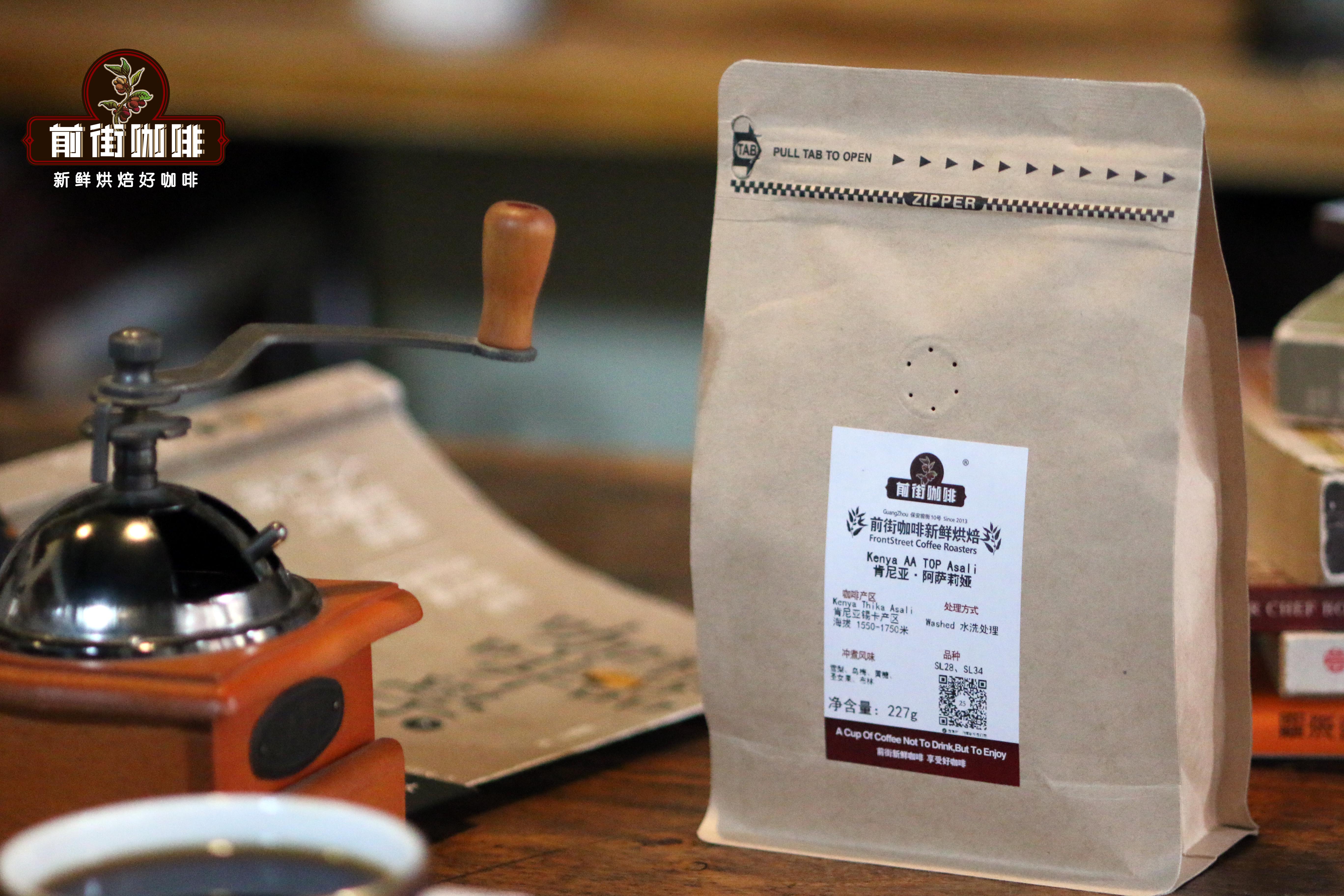
Kenya AA is the highest grade in Kenya's coffee classification system, renowned for its plump beans and bright flavor. Starting from the grading logic of Kenyan green beans, this article provides an in-depth analysis of the cultivation history and terroir characteristics of the Thika producing region, explains how the classic Kenyan-style 72-hour double fermentation washed process (K72) operates, and focuses on the two varieties, SL28 and SL34, which account for ninety percent of Kenya's high-quality coffee production. The article also combines Front Street Coffee's Front Street Kenya Asalia coffee beans to recreate its light roast approach and V60 three-pour brewing parameters, presenting the typical Kenyan flavor profile of black plum, smoked plum, apricot, and black tea aftertaste. [more…]
Kenya Asalia Washed Coffee Beans Pour-Over Guide: Flavor Layers and K72 Processing Method Explained
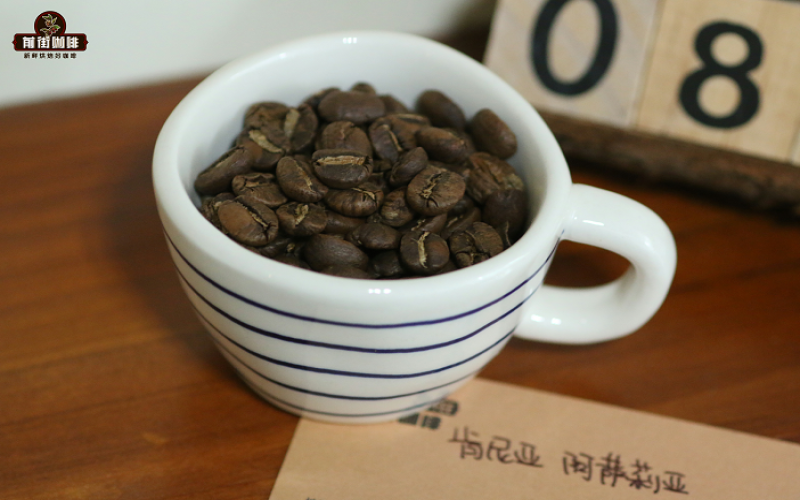
Kenyan coffee is renowned for its vibrant fruit acidity and multi-layered flavors, and the Asalia washed beans launched by Front Street Coffee are a typical representative. This coffee comes from the Asali processing plant in the Thika region, at an altitude of 1,550 to 1,750 meters, with varieties SL28 and SL34, using the Kenyan-style 72-hour fermentation washed method. The flavor presents a complex tonality of snow pear, smoked plum, yellow sugar, plum, and cherry tomato. This article will guide you through the background of the Kenyan region, the origins of the SL varieties, and the K72 processing technique, and share Front Street's roasting curve and two brewing methods—V60 and cake cup—comparing the flavor performance under different drippers to help you fully unleash this coffee's juicy feel and floral finish. [more…]
Kenyan Coffee Bean Varieties and Flavor Analysis: The Impact of SL28, SL34, and the K72 Washed Process on Taste
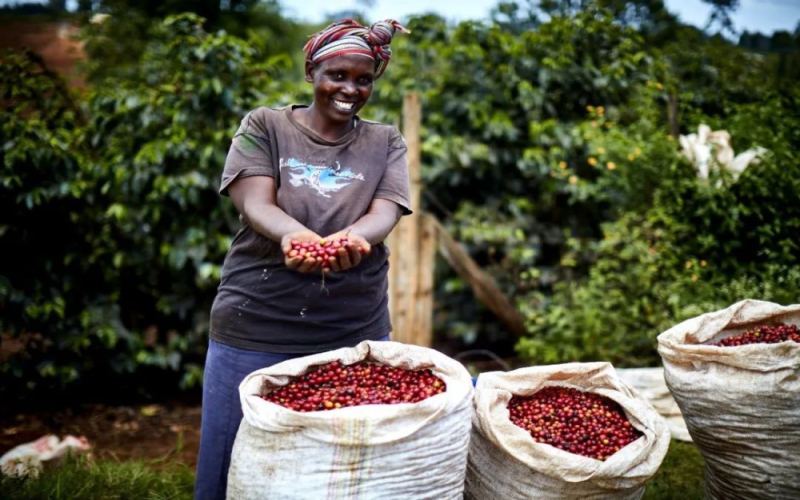
Kenyan coffee is renowned for its bright acidity and complex flavors. Its distinctive taste stems from the two major varieties, SL28 and SL34, and the Kenyan-style 72-hour fermentation washed processing. From the perspective of Front Street Coffee, this article systematically introduces the varietal origins, flavor differences, and washed processing characteristics of Kenyan coffee, and, using Asalia coffee beans as an example, shares in detail a light roast approach and V60 pour-over parameters, including water temperature, coffee-to-water ratio, grind size, and staged pouring steps, helping coffee enthusiasts understand the sweet-and-sour layers and brewing key points of Kenyan coffee. [more…]
An Analysis of the Differences Between Washed and Natural Processing Methods for Kenyan Coffee and Key Points for Pour-Over Brewing
Kenya, as a representative producing country of African specialty coffee, presents drastically different flavor directions between its washed and natural processing methods. Washed Kenyan coffee is renowned for its K72-hour cyclic fermentation process, shaping a bright, clean acidity and a full body; natural Kenyan coffee, due to high costs and large losses, is relatively rare, yet it brings solid sweetness and wild fruity aromas. This article will systematically compare the differences between these two processing methods, from regional terroir, processing techniques, and variety characteristics to brewing parameters, and will also include information cards for two comparison beans recommended by Front Street Coffee, helping enthusiasts understand the purchasing and brewing logic of Kenyan coffee. [more…]
Kenyan Coffee Bean Flavor Characteristics and Pour-Over Parameters Explained: SL28 Variety, K72 Washed Processing, and the Starbucks Kenya Story
Kenyan coffee is renowned for its vivid fruity notes and juicy acidity, making it one of the most distinctive African origins in the minds of many coffee enthusiasts. This article focuses on the Kenya Asalia coffee beans selected by Front Street Coffee, systematically reviewing its origin terroir, variety heritage (SL28 and SL34), and the unique Kenyan-style 72-hour fermented washed process, while also sharing specific roasting curves and V60/cake cup brewing recipes. At the same time, by incorporating the historical background of Starbucks Kenya coffee beans, it helps readers fully understand the appeal of this bean from the dimensions of flavor, processing method, and brewing details. [more…]
Kenyan Coffee Flavor Profile: Full-Bodied Berry Acidity and the Best Ways to Enjoy It
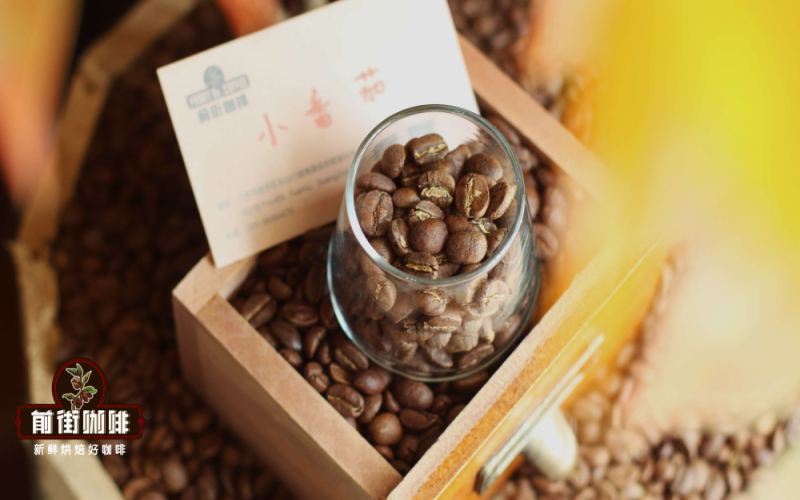
Kenyan coffee regions are renowned for their bright and complex acidity, making them a favorite among many coffee lovers who prefer fruity, acidic flavors. Front Street Coffee's Kenyan coffee beans come from the Thika region, use SL28 and SL34 varieties, and undergo the Kenyan-style 72-hour washed process, presenting a full-bodied juice-like quality with dark fruits such as black plum, berries, and blackberry. Whether brewed by pour-over, cold brew, moka pot, or French press, it showcases its vibrancy and a clean, refreshing balance of sweetness and acidity. This article will focus on the varietal background of Kenyan coffee, its growing terroir, the K72 processing method, the green bean grading system, and Front Street Coffee's specific approaches to roasting and brewing, helping readers fully understand the source of this coffee's flavor and the best ways to present it. [more…]
Comparison of Washed and Natural Processing Methods for Kenyan Coffee: Flavor and Mouthfeel Differences, Plus an Analysis of Front Street Coffee's Little Tomato Bean
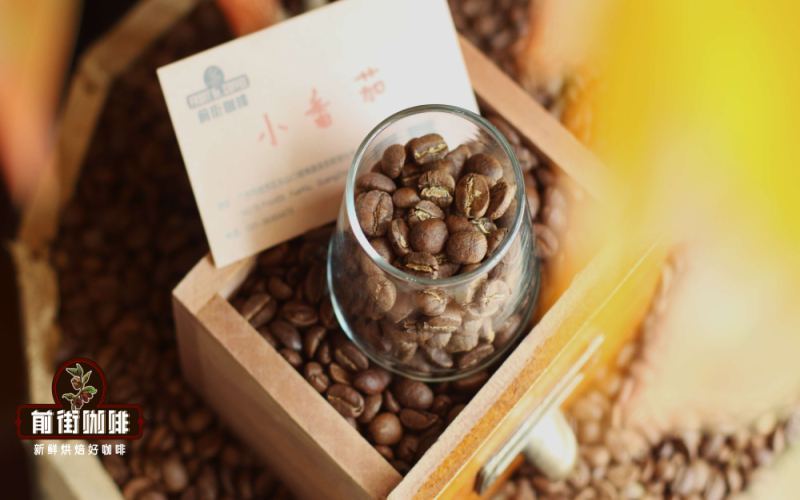
Kenyan coffee is renowned worldwide for its bright fruit notes and multi-layered mouthfeel, and the processing method is precisely the key that shapes its flavor profile. This article focuses on Front Street Kenya · Cherry Tomato coffee beans, first outlining the geography and climate of Kenya's producing regions along with the characteristics of the SL28 and SL34 varieties, then delving into the key points of the Kenyan-style 72-hour fermentation washed process (K72), and comparing it one by one with natural processing in terms of operational methods, drying duration, and flavor performance, helping coffee enthusiasts understand how the two processing methods impart vastly different aromas and tastes to coffee beans, while also retaining flavor references for natural beans such as Front Street Red Cherry, Hacienda La Esmeralda Red Label, and Gesha Village Gold Label. [more…]
Kenyan Coffee Flavor Analysis: From K72 Washed Processing to Front Street Cherry Tomato Brewing Essentials
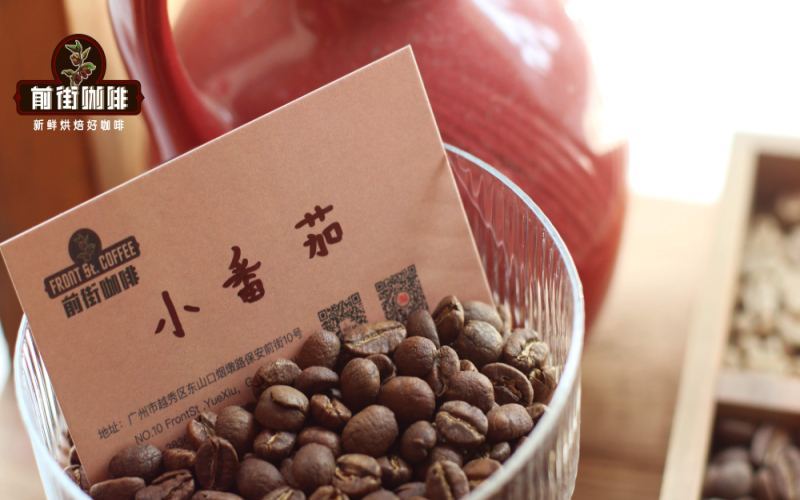
Kenyan coffee is renowned for its vibrant fruit acidity and full body, with flavor notes ranging from blackberry and grapefruit to smoked plum. This article systematically analyzes what makes Kenyan coffee unique, from production region classification and smallholder cooperative models to the K72-hour washed processing method, and introduces the "Little Tomato" coffee beans from the Asali processing station in the Thika region, now available at Front Street Coffee, including details on their origin, varieties, and flavor description. Finally, for brewing light-roasted Kenyan coffee, it shares advice on dripper selection, water temperature control, grind size assessment, and a three-pour schedule, helping coffee enthusiasts brew a clean, bright, perfectly balanced cup with balanced acidity and sweetness. [more…]
Explaining Kenya's Green Coffee Bean Grading System: How Do AA and AB Differ, and How Do They Perform in Espresso
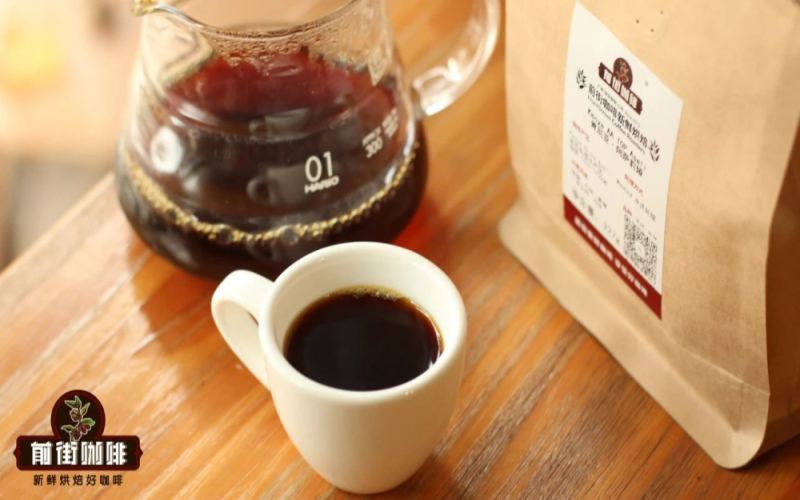
Kenyan coffee is renowned for its vibrant berry notes, lively acidity, and substantial body, and its unique Kenyan-style washing process and green bean grading system based on bean size are equally noteworthy. What exactly do the commonly seen grades in China such as AA, AB, and PB mean? Is AA necessarily better tasting than AB? Front Street Coffee provides the answer through blind testing. This article will systematically outline Kenya's green bean grading standards and quality assessment procedures, and, in conjunction with Front Street's Little Tomato, an AA-grade washed bean from the Thika region, introduce the characteristics of the SL28 and SL34 varieties, the K72 washing method, and specific roasting and brewing plans, helping you gain a comprehensive understanding of the flavor code of Kenyan coffee and its application potential in espresso. [more…]
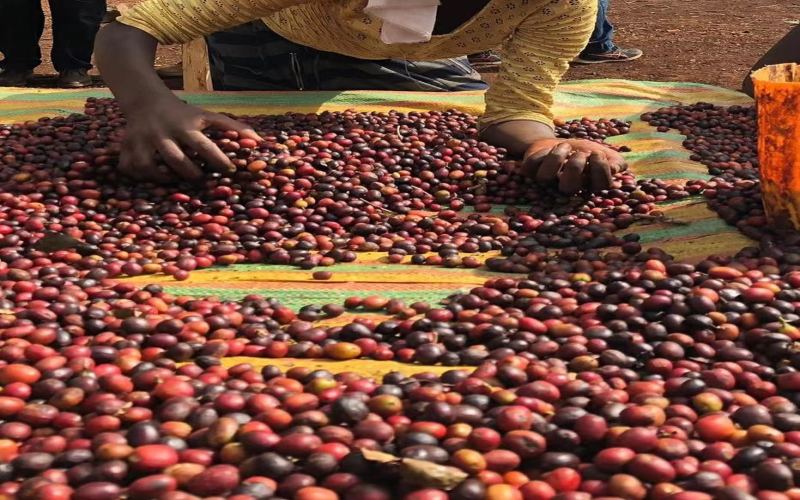
In-Depth Analysis of Kenyan Coffee: The Flavor Code of K72 Double Washing Process and SL28, SL34 Varieties
Kenyan coffee is renowned worldwide for its bright acidity and rich layers. What secrets lie behind its unique flavor? This article starts with two beans from Front Street Coffee—Kenya AA Cherry Tomato and AB Komatina Cranberry—and systematically sorts out the geographical conditions, cultivation models, and grading system of Kenyan producing regions, with a focus on analyzing the lineage of the two classic varieties SL28 and SL34, as well as the complete process of the K72 Kenyan-style 72-hour double washed fermentation method. It also includes Front Street Coffee's roasting curve and V60 brewing parameters, helping coffee lovers fully understand every key step of Kenyan coffee from green bean to cup. [more…]
Kenyan Coffee Bean Flavor Characteristics, the K72 Washed Processing Method, and Front Street's Little Tomato Brewing Guide
肯尼亚咖啡以极高的酸度和鲜明的水果风味著称,深受资深咖啡爱好者喜爱。本文将带你了解肯尼亚咖啡的产地特色、分级制度、小农合作模式,以及造就其优质酸香的K72小时双重水洗处理法。同时介绍前街咖啡上架的肯尼亚·小番茄咖啡豆,来自锡卡产区Asali处理厂,拥有乌梅酸质与小番茄般的水果酸甜。针对这类浅烘豆,前街分享了三个冲泡关键细节,包括滤杯选择、水温控制和研磨度判断,并附上完整的三段式冲煮步骤,助你冲出一杯明亮干净、风味饱满的肯尼亚咖啡。 [more…]
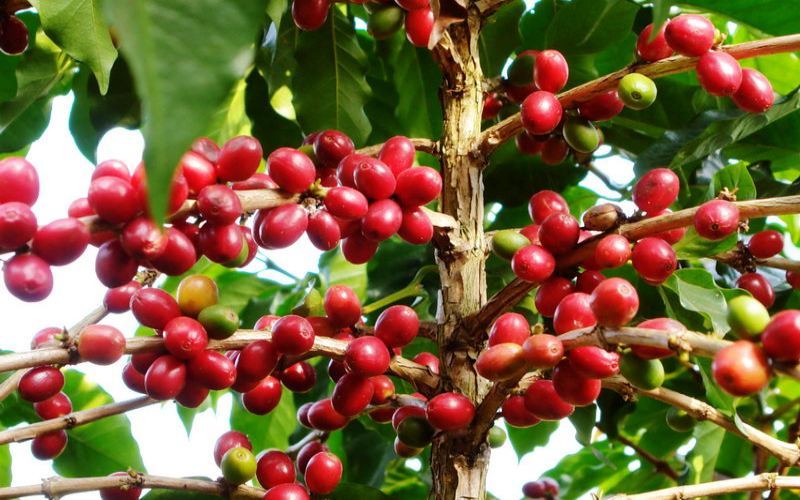
Kenyan Coffee Beans: Flavor Characteristics, Variety Grading, and a Full Breakdown of the K72 Washed Processing Method
Kenya, as an important specialty coffee-producing country in East Africa, is renowned worldwide for its full-bodied fruit acidity reminiscent of cherry tomatoes, intense aroma, and balanced mouthfeel. This article will start with Kenya's growing environment and history, systematically introduce the characteristics of representative varieties such as SL28 and SL34, outline the specific standards of the AA, AB, and PB grading systems, and provide an in-depth analysis of the process and principles of the Kenyan-style 72-hour fermented washed processing method (K72). At the same time, Front Street Coffee will also share Kenyan coffee brewing parameters and flavor performance, helping coffee enthusiasts gain a comprehensive understanding of this African producing country that is distinctly different from Ethiopia in style yet equally remarkable. [more…]
Analysis of the Acidity Characteristics and Origin Varieties of Kenyan Coffee: Where Does the Cherry Tomato Flavor Come From?
Kenyan coffee is renowned for its extremely high acidity and vivid fruity flavors, with blackberry and grapefruit-like notes that are highly sought after by coffee lovers. Behind this unique flavor lies both the meticulous operation of smallholder cooperative farms and the region's iconic K72-hour double washed processing method. Front Street Coffee's Kenya Little Tomato, sourced from the Asali processing station in the Thika region, presents a sweet-and-tart quality reminiscent of smoked plum and cherry tomatoes. This article will systematically sort out the origins, varieties, grading system, and processing techniques of Kenyan coffee, and share practical brewing experience for light-roasted Kenyan beans in terms of dripper selection, water temperature control, and grind size judgment. [more…]
Kenya AA Coffee Beans Explained: Thika Region Flavors, K72 Washed Processing, and Pour-Over Parameter Guide
Kenyan AA coffee beans, with their plump beans and bright acidity, have long been a favored African representative in the specialty coffee world. Starting from Front Street's Kenya Asalia coffee beans, this article systematically reviews the growing background of the Thika region, the K72 Kenyan-style double fermentation washed process, and the flavor performance of the two main varieties, SL28 and SL34. It also shares in detail Front Street's brewing approach for light-roast Kenyan AA, including the choice of V60 dripper, 92°C water temperature, 1:15 coffee-to-water ratio, and three-pour technique, helping coffee lovers recreate at home the classic Kenyan flavor interwoven with black plum, smoked plum, and black tea aftertaste. [more…]
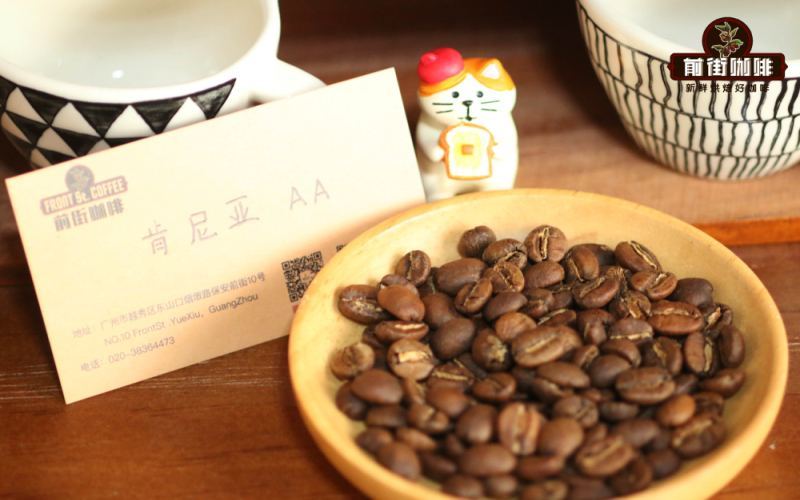
A Comprehensive Analysis of the Diverse Brewing Methods and Pour-Over Flavor Characteristics of Kenyan Coffee Beans
Kenyan coffee, with its bright and full-bodied juicy character and deep berry-like sweetness and acidity, has become a favorite among many who love acidic coffee. The Kenyan coffee beans launched by Front Street Coffee come from the Thika region, use SL28 and SL34 varieties, and are processed using the Kenyan-style 72-hour washed method, presenting dark fruit notes such as black plum and dark plum. This bean is not only suitable for pour-over, but also works well with cold brew, moka pot, French press, and even coffee machines and other extraction methods. This article will unfold one by one around the variety background, origin terroir, K72 processing technique, green bean grading, and the specific operating details and flavor performance of pour-over and moka pot for Front Street Coffee's Kenyan coffee, helping coffee lovers more comprehensively understand the charm of this bean. [more…]
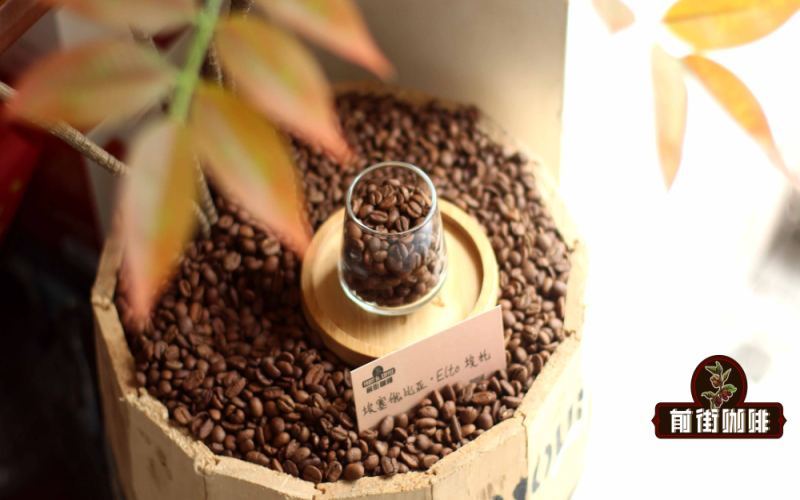
A Complete Guide to Kenya K72 Washed Processing: SL28 and Other Variety Distribution, Flavor Characteristics, and Brewing Guide
Kenyan coffee is famous in the specialty coffee world for its bright, clean acidity. Its iconic K72 washed processing method, together with varieties such as SL28 and SL34, creates its unique flavor. From the perspective of Front Street Coffee, this article systematically reviews the complete process of Kenyan-style 72-hour fermentation washing, analyzes the origins and characteristics of major varieties such as SL28, SL34, Ruiru11, and Batian, introduces Kenya's coffee growing conditions and grading system, and includes the roasting curves and brewing parameters for two Front Street beans, Kenya Asaliya and Sasini PB, to help coffee lovers fully understand the flavor code of Kenyan coffee. [more…]
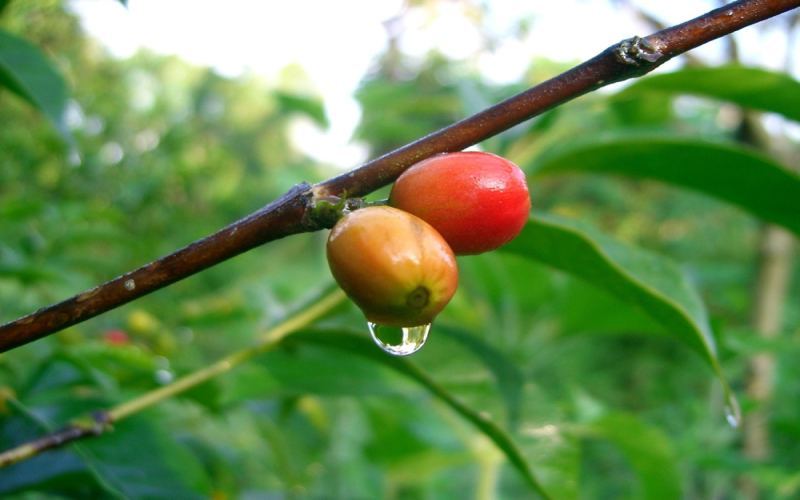
Kenya Coffee Full Analysis: From SL28 and SL34 Varieties to Six Major Regions and the K72 Washed Processing Method
Kenya is located in the equatorial zone of East Africa, bordering the Indian Ocean to the east, Ethiopia to the north, and Tanzania to the south, making it a pivotal specialty coffee-producing country in Africa. Its coffee is world-renowned for its bright fruit acidity, full body, and distinctive berry notes. This article systematically reviews Kenya's coffee-producing regions, variety evolution, and processing techniques, covering the characteristics of major varieties such as SL28, SL34, and Ruiru 11, detailing the terroir differences among six major producing regions including Nyeri and Kirinyaga, and introducing the Kenyan-style 72-hour washed processing method as well as Front Street Coffee's brewing recommendations, providing coffee enthusiasts with a complete knowledge map of Kenyan coffee. [more…]
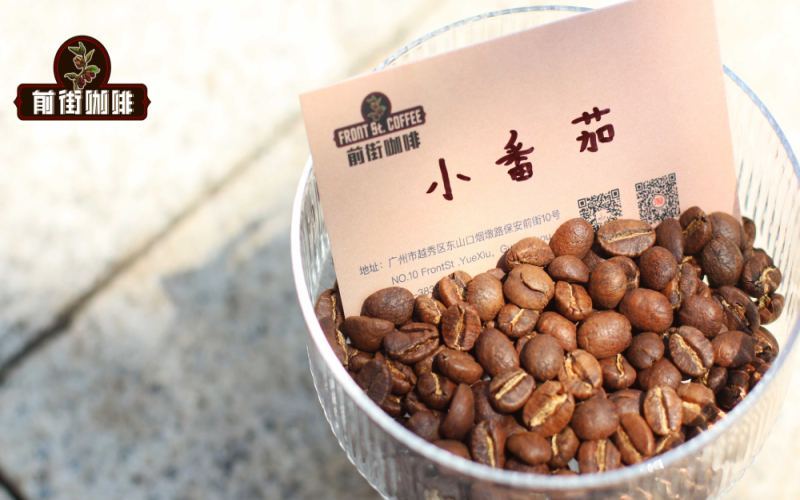
A Comprehensive Analysis of Kenya K72 Double Washed Processing: From Fermentation Process to SL Varieties and Flavor Origins
Kenyan coffee is renowned for its bright, clean acidity and deep berry flavors, and behind this lies the widespread use of the double washed process locally, with the K72 method being particularly iconic. From the perspective of Front Street Coffee, this article systematically outlines the complete process of the Kenyan-style 72-hour fermentation washed method, including the specific operations and roles of the two rounds of washing and fermentation; it also introduces Kenya's growing conditions, the origins and characteristics of the main varieties SL28, SL34, Ruiru11, and Batian, as well as the grading system for Kenyan coffee beans. At the end, it also includes the roasting curves, brewing parameters, and flavor descriptions for two Front Street beans, Kenya Small Tomato and Sachini PB, helping coffee enthusiasts fully understand the logic behind the formation of Kenyan coffee flavors. [more…]