







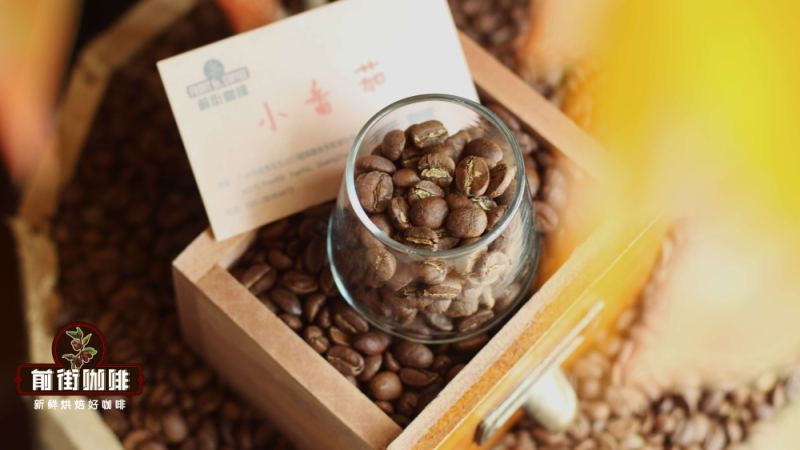
Kenyan coffee regions are renowned for their bright and complex acidity, making them a favorite among coffee lovers who prefer fruity, acidic flavors. Front Street Kenyan coffee beans come from the Thika region, use SL28 and SL34 varieties, and undergo the Kenyan-style 72-hour washed process, presenting a full, juicy body of dark fruits such as black plum, berries, and blackberry. Whether brewed by pour-over, cold brew, moka pot, or French press, it can showcase its vibrancy and a clean, refreshing balance of sweetness and acidity. This article will focus on the variety background of Kenyan coffee, its growing terroir, the K72 processing method, the green bean grading system, and Front Street's specific practices in roasting and brewing, helping readers fully understand the flavor sources of this coffee and the best ways to present it.
For more specialty coffee knowledge, please follow the WeChat public account: Front Street Coffee (FrontStreet Coffee)
Kenya occupies a very high place in the hearts of many people who like acidic coffee. Front Street Kenyan coffee beans show a richly layered, juicy texture, with notes of dark fruits such as black plum, berries, and blackberry. Besides pour-over, extraction methods such as cold brew, moka pot, French press, and even coffee machines can also handle it well. An excellent Kenyan coffee should be full of vibrancy while remaining clean, crisp, and balanced in sweetness and acidity. The Front Street Kenyan coffee beans launched by Front Street are produced in the Thika region, use the Kenyan-style 72-hour washed method, and consist of the SL28 and SL34 varieties, making them a priority choice for many lovers of acidic coffee.
Front Street Kenyan coffee is praised for its rich fruity aroma, full-bodied acidity, and berry-like sweet-and-acidic sensation. Front Street believes that these flavor expressions are inseparable from the excellent varieties selected by local growers, the growing terroir, and the post-harvest processing methods.
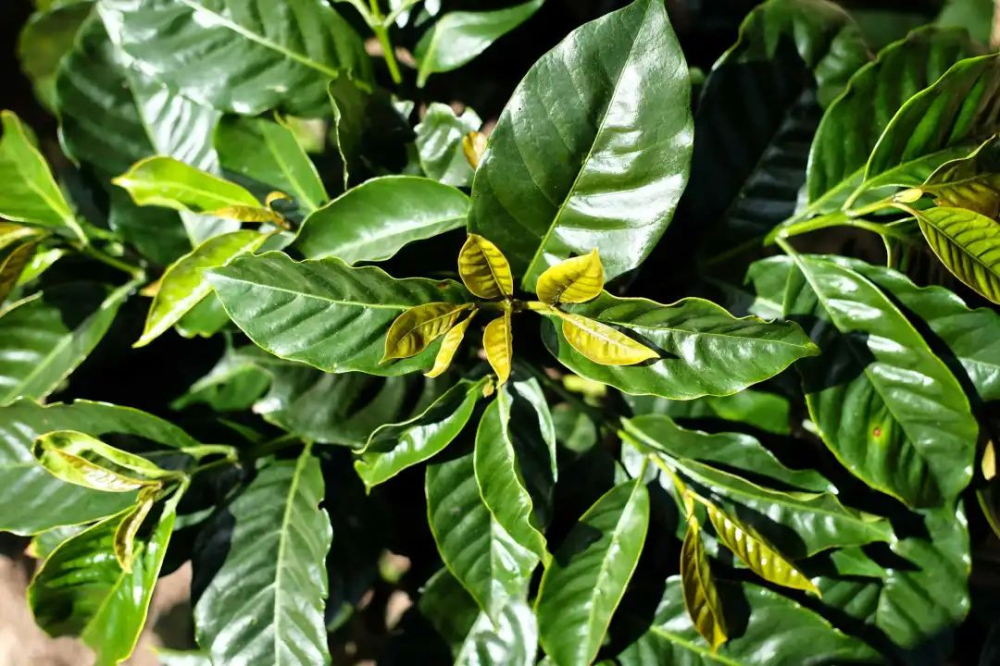
The main varieties of Kenyan coffee include SL28, SL34, K7, Ruiru11, and Batian, among which SL28 and SL34 account for 90% of Kenya's total high-quality coffee bean production. SL refers to Kenya's Scott Laboratories. In the 1930s, coffee berry disease broke out extensively in Kenyan coffee trees, and Scott Laboratories was commissioned by the government to begin cultivating new disease-resistant varieties. Among the research results, No. 28 and No. 34 had stronger disease resistance and outstanding flavor, and were subsequently promoted to farmers for widespread planting. The SL series belongs to the Bourbon family within the coffee tree family and shows excellent acidity in Kenyan production regions.
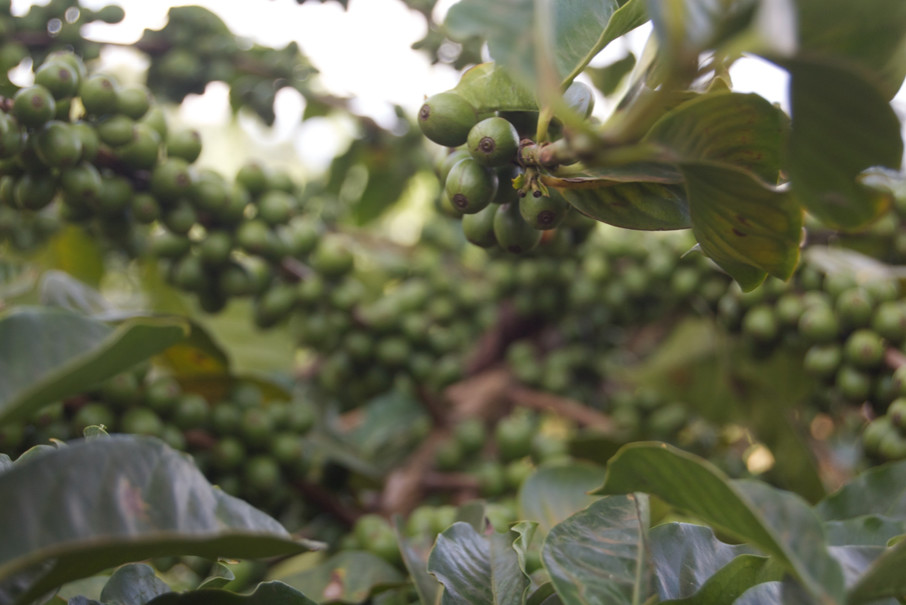
Most coffee in Kenya is grown at altitudes between 1,400 and 2,000 meters, with temperatures between 15 and 24 degrees Celsius, in deep, well-drained red volcanic soil, with stable and concentrated average annual rainfall. The main coffee-growing areas are distributed in the highland regions around Mount Kenya. The central region has fertile volcanic soil, suitable sunlight, and rainfall, which is very conducive to producing high-quality Kenyan Arabica coffee. Among them, coffee beans from the Thika region have rounded acidity with a grapefruit-like mouthfeel.
The Kenyan-style 72-hour washed method is abbreviated as the K72 processing method. Coffee cherries need to be harvested at the optimal ripening stage when sweetness reaches 21. After selecting the best cherries and removing the skin, they are soaked in a fermentation tank for 24 hours. Clean river water is used in the tank. After 24 hours, they are washed, then soaked in clean river water for another 24 hours, washed again, then fermented again. This is repeated 3 times, for a total fermentation time of 72 hours, while ordinary washed fermentation takes at most 36 hours. This repeated process of fermenting and then washing gives Front Street Kenyan coffee beans strong acidity and a delicate feel. Finally, the remaining mucilage is removed, and the coffee beans are moved to raised drying beds for sun drying. The drying time depends on weather conditions and generally takes about 5 to 10 days to complete.
Considering that during the coffee roasting process, beans of uniform particle size receive heat and rise in temperature more consistently, which means more stable quality, Kenya grades green beans by coffee bean particle size and cupping score. According to the size, shape, and hardness of green coffee beans, they can be divided into AA, AB, PB, C, E, TT, and T, with the highest grade being AA. Kenyan AA coffee beans are regarded as one of the best specialty coffees in the world, usually grown at altitudes above 2,000 meters. The coffee liquid is light-bodied and gives off a rich floral and fruity aroma, deeply loved by coffee people around the world.
This Front Street Kenyan coffee obtained by Front Street has flavors of black berries and stone fruits. In order to retain more fruity aroma, Front Street's roaster chose a light roast. Through cupping comparison at Front Street, the dry aroma presents notes of small tomatoes, smoked plum, and caramel, while on the palate it shows the taste of dark stone fruits such as plum, and apricot, with saturated acidity.
For brewing, Front Street habitually uses pour-over to serve it, which allows one to taste the full acidity of Front Street Kenyan coffee more clearly. In response to the characteristics of Front Street Kenyan coffee being medium-light roasted, grown at high altitude, and relatively hard in texture, the baristas at Front Street Coffee (FrontStreet Coffee) use a finer grind size and hotter water for extraction. Here, a Chinese No. 20 standard sieve is used with a 78% passing rate. A V60 dripper is used to make the flavor layers clearer.
Pair with three-stage extraction. After the coffee is ground, pour it into the filter paper. Start pouring 30 g of water from the center for a 30-second bloom. Be careful to keep a steady circular pour from the inside out with a small stream throughout. For the second stage, pour 95 g of water. When the coffee liquid has almost finished draining, begin pouring the third stage of 100 g, and once all the coffee has filtered through, remove the dripper. The time is about 2 minutes, with a tolerance of about 10 seconds either way.
Besides pour-over, Front Street also often uses cold brew to extract this Front Street small tomato coffee. Under low-temperature soaking, it shows a full-bodied fruity acidity and carries a strong cherry tomato aroma. Below, let's demonstrate together how to make a delicious Kenyan cold brew coffee at home~
Step 1: First, prepare a cold brew bottle. If you don't have a cold brew bottle, it doesn't matter—just find any sealed container as a substitute! If you don't have a cold brew bottle or a sealed container around, that's fine too! Just find any cup and cover it with plastic wrap!!
Step 2: Choose a single-origin coffee bean you like and grind it (the bean used by Front Street this time is Costa Rica's Mozart, 50 g; the grinder used is an EK43s; the grind size uses setting 9 for iced pour-over for this bean. Please adjust according to your own equipment and the condition of the beans that day~)
Step 3: Pour the ground coffee powder into the built-in filter of the cold brew pot and add room-temperature drinking water. (The ratio used this time is 1:12, that is, 50 g of coffee powder to 600 ml of water. You can adjust according to your preferred strength. Note that the water level must be high enough to soak the coffee powder.)

Step 4: Tighten the lid and put it in the refrigerator to chill for 8 hours. (Note: refrigerate! Not freeze!)
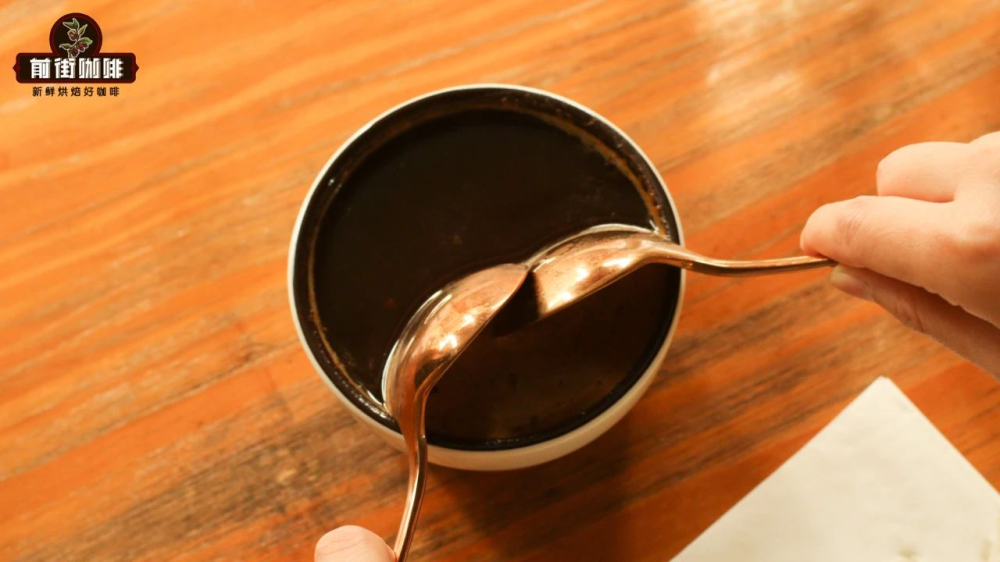
Step 5: Take out the coffee that has been refrigerated for 8 hours and filter it so that it tastes cleaner.
Step 6: After filtering it with filter paper, you can start drinking it! It tastes even better with ice added~
The above content is compiled by CoffeeHunters, a coffee news website.


