






What Makes Kenya Coffee Taste So Bright and Juicy?
Kenyan coffee is known for a juicy body, vivid acidity and deep berry sweetness. The beans from the Thika region use SL28 and SL34 varieties and the Kenyan-style 72-hour washing method, giving notes of black plum and smoked plum. Pour-over suits them well, and cold brew, moka pot, French press and coffee machine brewing also work.
SL28 and SL34 come from Scott Laboratories, which was commissioned in the 1930s to breed varieties resistant to coffee berry disease; the two account for roughly ninety percent of Kenya's high-quality coffee output. Terroir and the K72 wash build the layered fruit character, while the article details green bean grading and pour-over and moka pot parameters.
Kenyan coffee, with its bright, full-bodied juiciness and deep berry-like sweet-tartness, has become a favorite among many who love acidic coffee. The Kenyan coffee beans launched by Front Street Coffee come from the Thika region, use SL28 and SL34 varieties, and are processed with the Kenyan-style 72-hour washing method, presenting dark fruit notes such as black plum and smoked plum. This bean is not only suitable for pour-over, but can also handle cold brew, moka pot, French press, and even coffee machine and many other extraction methods. This article will discuss, one by one, the variety background, origin terroir, K72 processing technique, green bean grading, and the specific operating details and flavor performance of pour-over and moka pot for Front Street Kenya coffee, helping coffee lovers understand the charm of this bean more comprehensively.
In the eyes of many fans of acidic coffee, Kenya is probably one of the most favored origins. Front Street Kenya coffee beans show layered juice-like body, with notes of dark fruits such as black plum, berries, and blackberry. Pour-over is certainly suitable, while cold brew, moka pot, French press, coffee machine, and other methods can also handle it. High-quality Kenyan coffee should be vibrant while remaining clean and crisp, with a pleasing balance of acidity and sweetness. This Kenyan coffee bean listed by Front Street Coffee comes from the Thika region, is processed with the Kenyan-style 72-hour washing method, and consists of the SL28 and SL34 varieties, making it a beloved choice for many who prefer acidic coffee.
Front Street Kenya coffee is praised for its rich fruity aroma, substantial acidity, and berry-like sweet-tartness. Front Street believes that these flavor advantages are inseparable from the excellent varieties selected by local growers, the growing terroir conditions, and the post-processing methods.
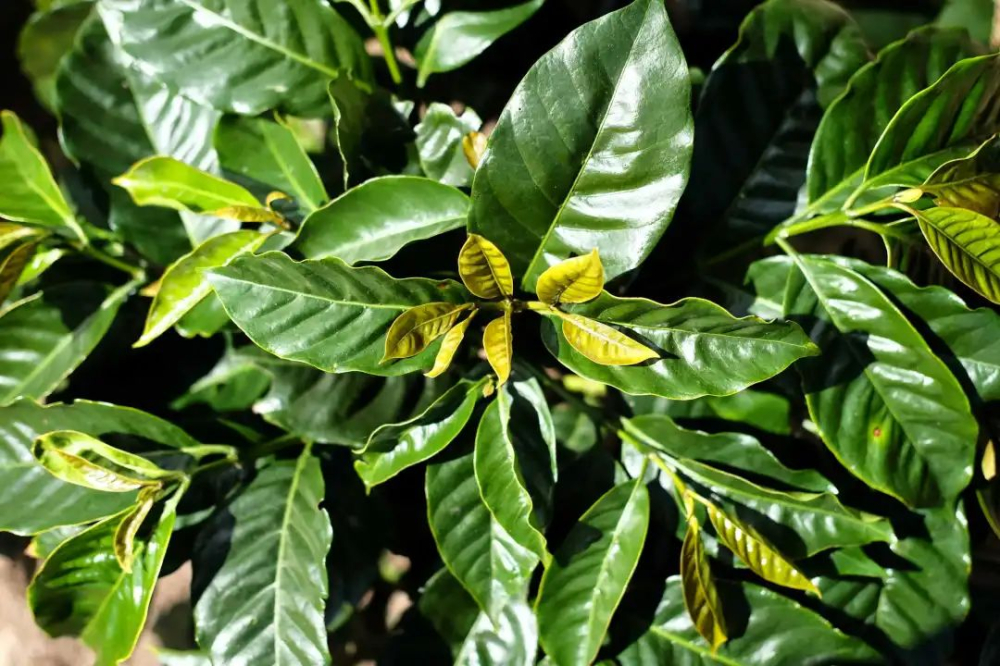
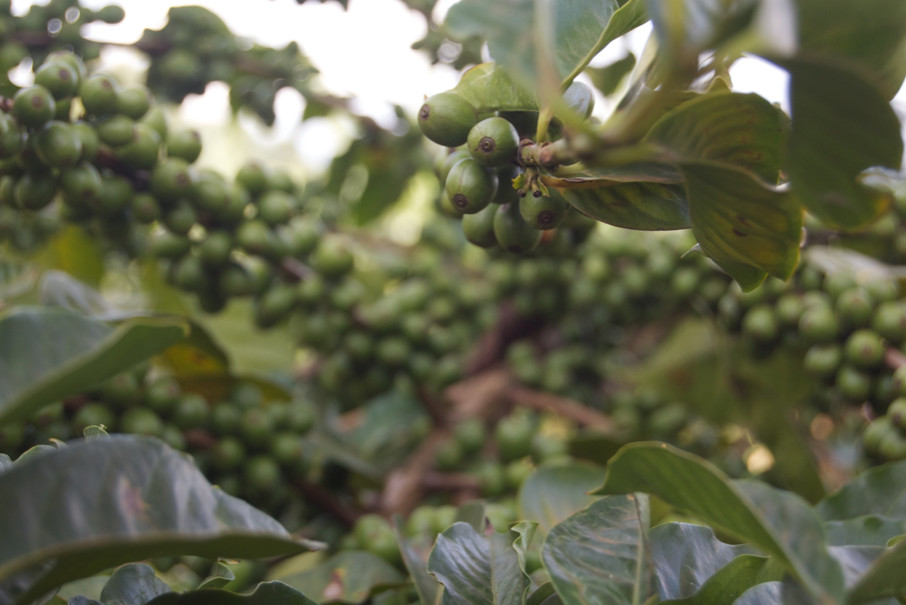
Kenyan coffee varieties roughly include SL28, SL34, K7, Ruiru11, and Batian, among which SL28 and SL34 contribute ninety percent of Kenya's total high-quality coffee bean production. SL is the abbreviation of Scott Laboratories. In the 1930s, Kenyan coffee trees suffered large-scale attacks from coffee berry disease, and Scott Laboratories was commissioned by the government to begin cultivating disease-resistant new varieties. Among the research results, No. 28 and No. 34 had stronger disease resistance and exceptionally outstanding flavor, so they were promoted to farmers for widespread planting. The SL series belongs to the Bourbon family within the coffee tree family and shows excellent acidity performance in the Kenyan production areas.
Most coffee in Kenya is grown between 1,400 and 2,000 meters above sea level, with temperatures between 15 and 24 degrees Celsius, soil that is deep and well-drained red volcanic soil, and stable and concentrated annual rainfall. The main coffee-growing areas are distributed in the highlands around Mount Kenya. The central region has fertile volcanic soil, just the right amount of sunlight and rainfall, and is very suitable for producing high-quality Kenyan Arabica coffee. Coffee beans from the Thika region have rounded acidity with a grapefruit-like mouthfeel.
The Kenyan-style 72-hour washing method is abbreviated as the K72 processing method. Coffee cherries need to be picked at the optimal ripe stage when sweetness reaches 21. The best cherries are selected, depulped, and placed in a tank to soak and ferment for 24 hours, using clean river water in the tank; after 24 hours they are washed, then soaked in clean river water to ferment for another 24 hours, washed again, and fermented again, repeating this 3 times, for a total fermentation time of 72 hours. Ordinary washing fermentation time is at most 36 hours. This repeated fermentation and washing processing method gives Front Street Kenya coffee beans strong acidity and a delicate feel. Finally, the remaining pectin is removed, and the coffee beans are moved to raised drying beds for sun drying. The drying time depends on the weather and usually takes 5 to 10 days to complete.
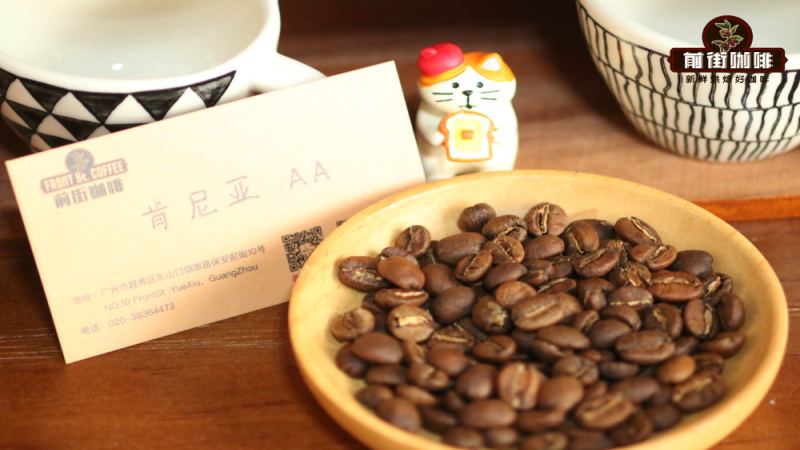
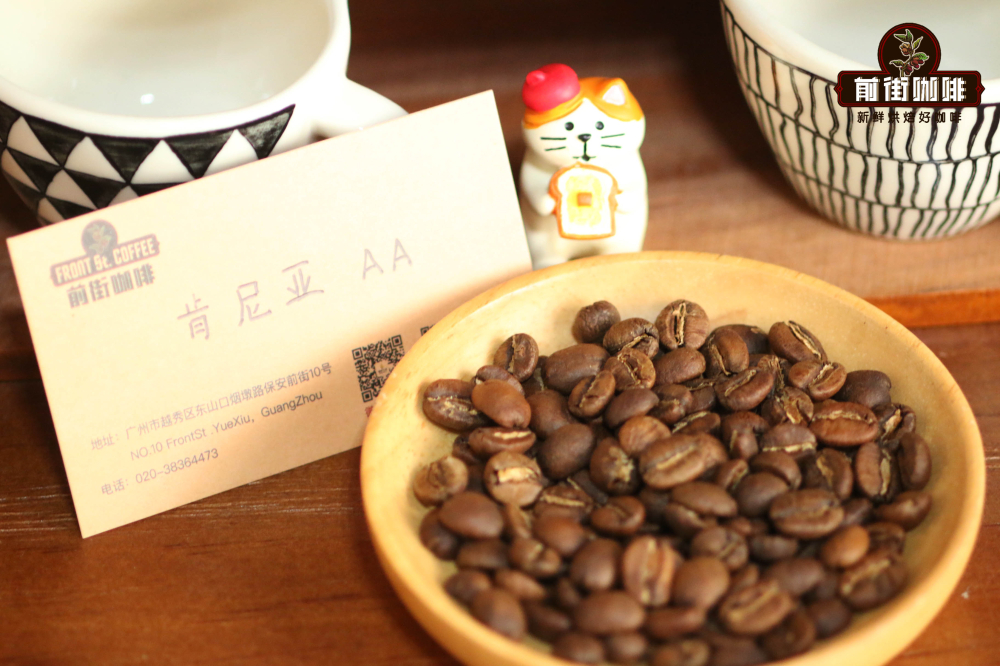
Considering that during roasting, beans of uniform particle size are heated at a more consistent temperature and rate of temperature rise, which means more stable quality, Kenya grades green beans by coffee bean particle size and cupping score. According to the size, shape, and hardness of the green beans, they can be divided into AA, AB, PB, C, E, TT, and T, among which the highest grade is AA. Kenya AA coffee beans are regarded as one of the world's finest specialty coffees, usually grown at altitudes above 2,000 meters. The coffee liquid is light and gives off a rich floral and fruity aroma, and is deeply loved by coffee people around the world.
This Front Street Kenya coffee obtained by Front Street has flavors of black berries and stone fruits. In order to retain more fruity aroma, Front Street roasters chose a light roast. Through cupping comparison, Front Street found that the dry aroma presents aromas of small tomato, smoked plum, and caramel, while the entry is a mouthfeel of dark stone fruits such as plum and apricot, with full acidity.
In terms of brewing, Front Street is accustomed to producing it as pour-over, as this allows one to taste the full acidity of Front Street Kenya coffee more effectively. In response to the characteristics of Front Street Kenya being medium-light roasted, grown at high altitude, and relatively hard in texture, the baristas at Front Street Coffee (FrontStreet Coffee) use a finer grind size and hotter water for extraction. Here, a Chinese No. 20 standard sieve is used, with a passing rate of 78%, paired with a v60 dripper to make the flavor layers more distinct.
Using three-stage extraction, pour the ground coffee into the filter paper, start pouring 30g of water from the center and bloom for 30 seconds, taking care to keep a steady circular pour from inside to outside with a small stream throughout; pour 95g of water in the second stage, and after the coffee liquid has almost finished flowing, pour 100g in the third stage, until all the coffee has filtered through, then remove the dripper. The total time is about 2 minutes, with an error of about 10 seconds before and after.
This Front Street Kenya Asalia coffee tastes of the acidity of dark fruits such as black plum and smoked plum. At medium temperature, it has the substantial sweet-tartness of apricot and stone fruits, with a rounded finish like black tea. Besides pour-over, quite a few friends have also asked Front Street whether the aromatic Front Street Kenya coffee can be used to make moka pot coffee. The answer is naturally yes, but if you want to make a delicious flavor, you still need to pay attention to some details. Please let Front Street explain them one by one.
Before brewing coffee, we need to prepare fresh coffee beans, water, a grinder, a gas stove for heating (or an induction cooker), and the protagonist — the moka pot. Because the moka pot is pressure-assisted extraction, the grind size is generally much finer than for pour-over, and a bit coarser than espresso powder. If the coffee powder is ground too coarse, the water and coffee powder will not contact evenly, resulting in insufficient extraction and poor taste, and it may also cause the liquid to spurt out due to too little resistance, easily causing splashing and burns. If the grind is too fine, it increases the resistance to the liquid flowing upward, the coffee liquid cannot be released, and the pressure in the lower chamber becomes too high to release in time, creating a danger of bursting.
Front Street recommends a grind size of EK-43s #3-3.5. If it is difficult to judge whether the grind size is suitable, you can observe the size of the gap in the moka pot's filter basket and make sure the coffee particles will not pass through the gap, or you can refer to the coarseness used here at Front Street.
First remove the base of the moka pot and add purified warm water to the lower chamber, which can shorten the brewing time and also prevent the coffee powder from being heated too quickly and causing a burnt, bitter flavor. Control the water amount to about 0.5 cm below the pressure relief valve line. The safety valve is a device that prevents the coffee pot from exploding due to overly fine coffee powder grinding causing a blockage in the extraction channel. If the safety valve is submerged by water and the extraction channel is also blocked, the consequences of a high-temperature coffee pot exploding are unimaginable.
To extract a rich black coffee, the grind size needs to be much finer than for general pour-over. Front Street stores use an EK-43s grinder, with a setting of 0.5. The amount of powder is controlled according to the size of the moka pot. Here at Front Street, a three-cup Bialetti classic pot is used, with 18g of powder.
Pour the ground coffee powder into the filter basket, fill it to nine-tenths full, level it with your finger, and then place it into the base. There is no need to tamp it firmly; an overly compacted coffee bed can easily block the upward flow of water, thus affecting extraction.

Next, screw the upper chamber and lower chamber tightly, wipe the body dry with a towel, and place it on a gas stove or induction cooker to heat. When using an open flame, be careful to control the flame so it does not exceed the base range of the moka pot.
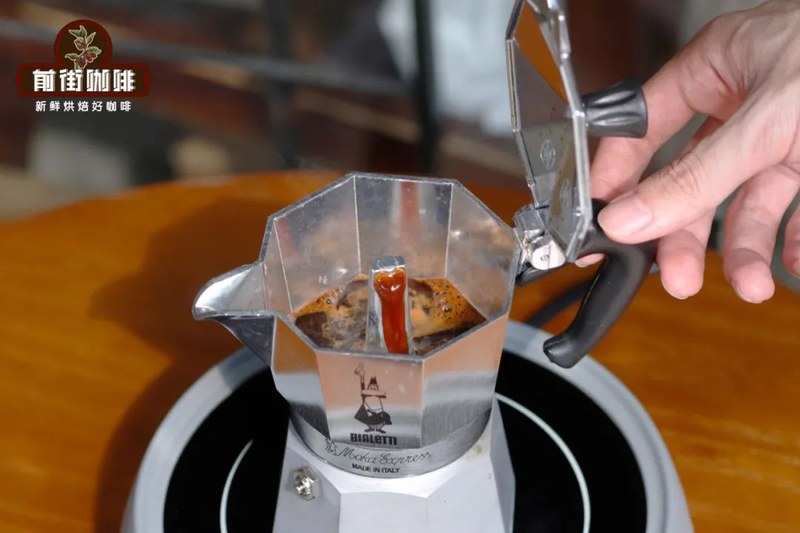
Just wait for the moka pot to heat up. When you hear a hissing sound, turn to low heat, and the coffee liquid and oils will slowly flow out. When you see the coffee liquid in the upper chamber is half full, you can turn off the heat source and move the pot to the table, using the residual heat and pressure inside the pot to continue extracting the remaining coffee liquid.
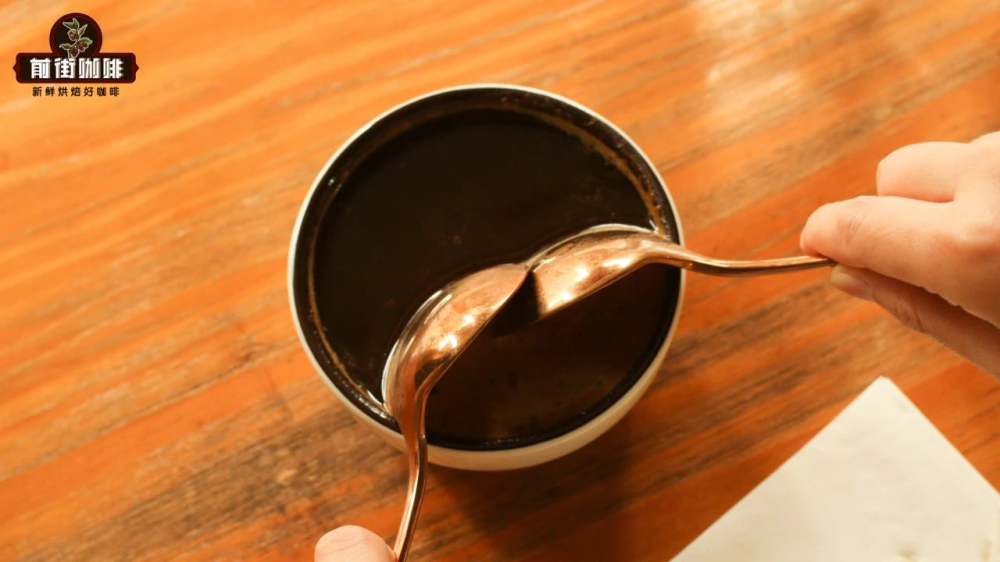
Pour the extracted coffee liquid into a cup and enjoy it directly. On the palate there are rich berries, snow pear, and the sweet-tartness of smoked plum juice, with a slight aroma of roasted nuts and caramel. Adding a certain proportion of hot water brings out fresh fruity sweet-tartness, and pairing it with milk gives it even more of a creamy chocolate sweetness.
Finally, regarding the storage and maintenance of the equipment, Front Street cleans the moka pot promptly and thoroughly after each use to avoid leaving coffee residue stains, which can easily cause off-flavors and burnt bitterness. If old coffee stains remain on the filter plate, gasket, or extraction channel, they may cause blockages and affect normal extraction.
For professional coffee knowledge exchange and more coffee bean information, please follow Coffee Workshop (WeChat public account cafe_style)
For more specialty coffee beans, please add the private WeChat of Front Street Coffee (FrontStreet Coffee), WeChat ID: qjcoffeex
The above content is compiled by CoffeeHunters, a coffee news website.


