







Search Results for: Kenya coffee grading
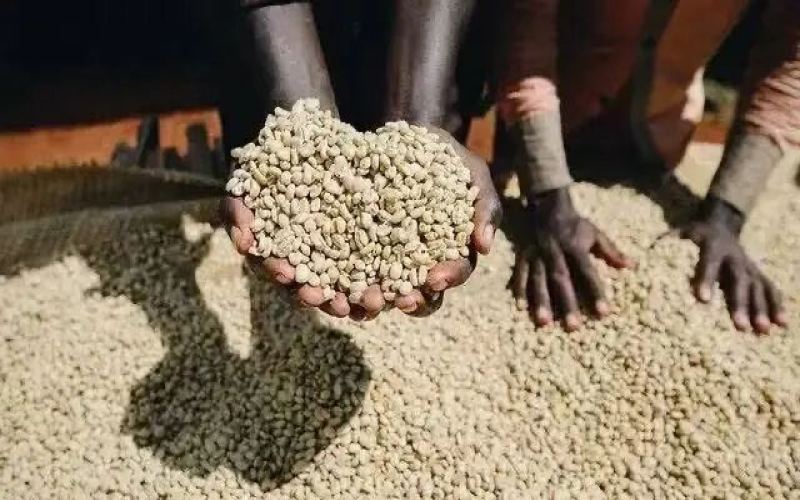
kenya coffee|What do Kenya coffee AA, AA+, and Top mean? What are the green bean grading standards for Kenyan coffee?
Friends who frequently buy coffee beans will surely notice that most coffee bean names are followed by English suffixes such as AA and AB. This is especially true for Kenyan coffee beans—Kenya AA, Kenya AB, Kenya PB, Kenya AA+, Top, and so on. "So what do these suffixes mean? [more…]
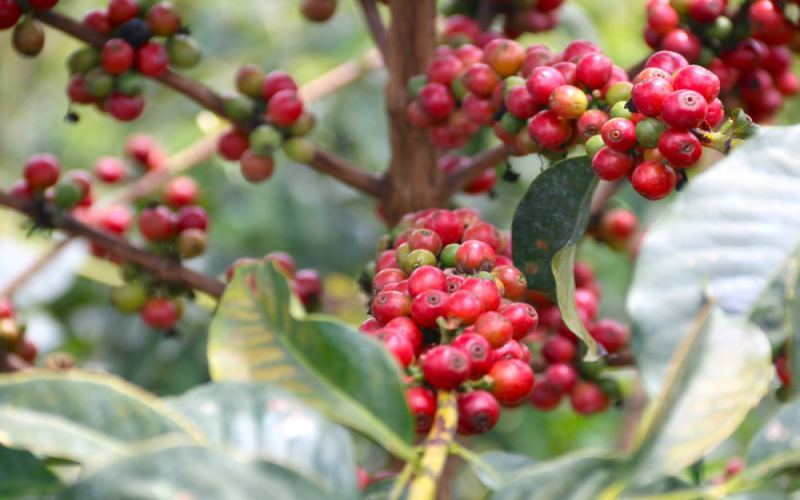
How Are Kenya Coffee AA and AA+ Grades Distinguished? A Detailed Explanation of Kenya Coffee Bean Grading Standards and Flavor Characteristics
Kenyan coffee is famous for its bright fruit acidity and rich flavors, making it a favorite among many coffee lovers. But when faced with grading labels such as AA, AA+, and AB, many people feel confused. From the perspective of Front Street Coffee, this article sorts out the development of Kenya's coffee industry, analyzes the origins and specific standards of its grading system, focuses on explaining the differences between AA grade and AA+ grade, and introduces the impact of the K72 washed processing method on flavor. At the end, it also includes the origin information and brewing parameters of Front Street Kenya Little Tomato coffee beans for daily reference. [more…]
A Comprehensive Analysis of Kenya's Gatomboya Factory: A Flavor Benchmark of the Nyeri Region and the Specialty Coffee Grading System
Gatomboy Processing Factory is a name that cannot be ignored in the landscape of Kenyan specialty coffee. It belongs to the Barichu Cooperative in the Nyeri region and once scored an impressive 96 points in a 2016 Coffee Review cupping, ranking among Kenya's seven world-class green bean processing factories. Kenya's ability to become a model of global high-quality coffee production is closely tied to its government-led unified purchasing, cupping grading, and public auction system. This system benefits more than 570,000 smallholder farmers and has also created Kenya coffee's irreplaceable flavor charm. This article will guide you through an in-depth understanding of Gatomboy Processing Factory's background, Kenya's coffee-producing regions, green bean grading standards, cultivation history, and variety composition, and recommend related products from Front Street Coffee, presenting coffee lovers with a complete knowledge map of Kenyan coffee. [more…]

Starbucks Kenya Coffee Beans Price and Flavor Analysis: A Complete Guide to Regions, Varieties, Processing Methods, and the Grading System
Kenyan coffee is renowned worldwide for its bright, intense acidity and distinctive flavor layers. Starbucks has offered Kenya coffee since 1971, and the elephant design on its packaging has long since become a classic symbol. From the perspective of Front Street Coffee, this article systematically reviews Kenya's coffee-growing conditions, main varieties (SL28, SL34, Ruiru11, Batian), the K72 washed processing method, and the green bean grading system. Combined with the roasting and brewing parameters of Front Street's Kenya Little Tomato coffee beans, it will guide you through a comprehensive understanding of the unique charm of this African specialty coffee, offering a reference for everyday purchasing. [more…]
A Detailed Guide to Kenyan Coffee Varieties SL28 and SL34: Flavor Characteristics, Bean Origins, and Grading System
Kenyan coffee stands out among Africa's specialty regions with its bright and pleasant acidity, and behind this consistent quality lies the support of two iconic varieties: SL28 and SL34. This article, from the perspective of Front Street Coffee, traces the breeding history and variety characteristics of SL28 and SL34, compares their similarities and differences in flavor expression, and extends the discussion to later-developed varieties such as Ruiru11 and Batian. At the same time, the article will systematically explain Kenya's coffee bean grading system, including the traditional size-based classifications of AA, AB, and PB, as well as the new quality grading procedures established by the Kenya coffee research institute. Finally, it includes detailed information, roasting parameters, and brewing suggestions for two Front Street beans—Kenya Asalia and Sachini PB—for coffee enthusiasts' reference. [more…]
Kenya SL28 and SL34 Coffee Varieties Explained: Flavor Differences, Variety Advantages, and Grading System
Kenyan coffee stands out among Africa's specialty producing regions with its bright and pleasant acidity, and the core that underpins its consistent quality is precisely the two local varieties, SL28 and SL34. In this article, Front Street Coffee will systematically review the origins, botanical characteristics, and flavor differences of these two varieties, while also introducing later-developed varieties such as Ruiru11 and Batian, as well as the ins and outs of Kenya's green bean grading system. In the latter part of the article, we will also share the roasting parameters and brewing suggestions for two Front Street coffees, Kenya Small Tomato and Sachini PB, for coffee enthusiasts to reference and put into practice. [more…]
Which Kenya coffee is the best? From regional grading to K72 washing, one article explains how to make Kenyan black coffee
Kenyan coffee is renowned for its bright, elevated fruit acidity and full, substantial berry mouthfeel, making it a highly distinctive presence in the world of specialty coffee. Drawing on Front Street Coffee's cupping experience, this article systematically reviews the historical development of Kenyan coffee, the terroir characteristics of its six major producing regions, its grading system and auction trade framework, and provides a detailed breakdown of the three-stage fermentation process of the K72 washed processing method. At the end, the brewing parameters and flavor description for Front Street's Kenya Athalia coffee beans are included, helping coffee enthusiasts gain a comprehensive understanding of this bean's origins and development, and master the correct approach to recreating Kenyan black coffee at home. [more…]
The Origin of Starbucks Kenya AA Elephant Packaging: A Full Analysis of Kenyan Coffee Regions, Varieties, and the K72 Processing Method
Kenyan coffee occupies an important position in the global specialty coffee landscape. Starbucks Kenya AA coffee beans feature an elephant as the packaging design, which naturally evokes the vast scenery of the African savanna. This article, compiled by Front Street Coffee (FrontStreet Coffee), provides a comprehensive analysis of the unique charm of Kenyan coffee, from its historical origins, geographical growing conditions, six major producing regions, four main variety characteristics, green bean grading system, to the K72 washed processing method. The article also specifically shares the roasting parameters and brewing suggestions for Front Street's Kenya Cherry Tomato coffee beans, helping coffee enthusiasts gain a deeper understanding of this African specialty bean with its cherry tomato acidity. [more…]
Kenya AA Coffee Beans Variety Guide: A Complete Guide from Grading System to Core Producing Regions
Kenyan coffee is renowned worldwide for its bright acidity and intense fruity aromas, and AA grade is the most sought-after representative among them. But what exactly does AA mean? How does it differ from other grades? This article, from the perspective of Front Street Coffee, systematically reviews the varietal origins, breeding mechanisms, grading standards, the K72 washing process, and the terroir characteristics of core producing regions such as Nyeri, Kirinyaga, and Murang'a, helping you fully understand the value system of Kenyan specialty coffee. [more…]

Kenya Kirinyaga Region Domaine Processing Plant: Coffee Characteristics, Grading System, and Front Street Cupping Records
African coffee enjoys a stellar reputation in the global market, and Kenya, as Ethiopia's neighbor, is likewise a high-quality producer that cannot be overlooked. This article focuses on Kenya's famous Kirinyaga region in central Kenya, introducing its geographical and climatic conditions, coffee flavor characteristics, and the operating model and quality control of the well-known local exporter DORMANS. It also outlines Kenya's green coffee bean grading system, including official size grades and industry cup-testing grading standards. Finally, it shares the cupping performance of the Kirinyaga washed beans sourced by Front Street Coffee, delivering flavor notes of blackberry, smoked plum, cherry tomato, and citrus. [more…]
Kenya SL28 and SL34 Coffee Varieties Explained and a Full Overview of Flavor Differences Between AA and AB Grades
Kenyan coffee stands out among Africa's specialty origins for its bright and delightful acidity, and the core that sustains its consistent quality is precisely the two signature varieties, SL28 and SL34. In this article, Front Street Coffee (FrontStreet Coffee) systematically sorts out the varietal origins of Kenyan coffee: from the selection process at the Scott Laboratories, to the genetic classification and bean appearance differences of SL28 and SL34, and on to the later Ruiru 11 and Batian. The article also provides a detailed interpretation of the green bean grading system that Kenya still uses today, explaining that the difference between AA and AB lies mainly in bean size rather than flavor quality, and includes complete information, roasting curves, and brewing suggestions for Front Street's two beans, Kenya Asaliya and Sachini PB, to help coffee enthusiasts fully understand the flavor logic of Kenyan coffee. [more…]
A Comprehensive Guide to Kenyan Coffee: Starbucks Reserve Kenya Bean Prices, Flavor Characteristics, and the K72 Processing Method
Kenyan coffee has long been renowned for its strong, full-bodied acidity and distinctive cherry tomato and prune flavors, standing alongside Ethiopia's Yirgacheffe as one of Africa's two flagship coffees. Starbucks has offered Kenya coffee since 1971, and the elephant design on its packaging has become a classic emblem. This article will comprehensively analyze the reasons behind the formation of Kenyan coffee's flavor—from the growing conditions of its producing regions, varietal characteristics, and the K72 washed processing method to the coffee bean grading system—and share detailed information on the AA-grade Kenyan cherry tomato and PB-grade coffee beans introduced by FrontStreet Coffee, including roasting parameters and brewing suggestions, to help coffee enthusiasts gain a deeper understanding of this premium producing region. [more…]
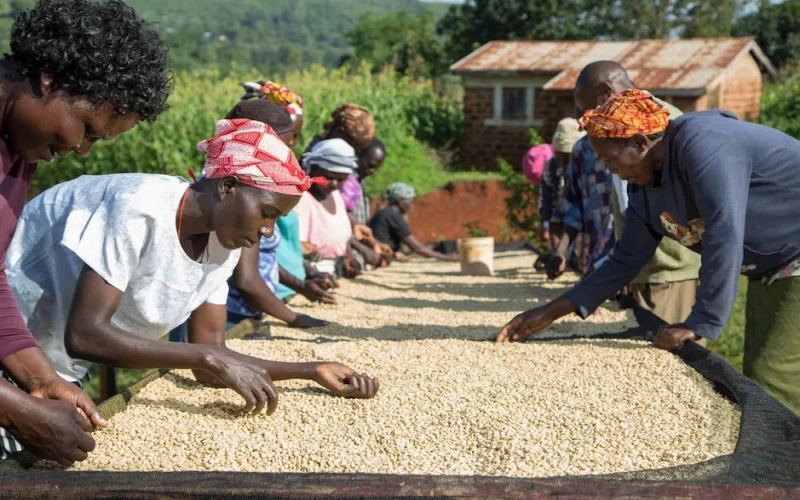
Kenya Green Coffee Bean Grading System and Detailed Guide to Six Major Specialty Regions: From AA Grade to Flavor Scoring
Kenyan coffee is renowned worldwide for its bright berry-like acidity and solid body, and its strict grading system together with its unique terroir jointly create high-quality cup performance. This article will systematically sort out the size grading and flavor grading system of Kenyan green beans, and provide an in-depth introduction to the altitude, varieties, and flavor characteristics of six specialty regions: Thika, Kirinyaga, Nyeri, Kiambu, Murang'a, and the western side of Mount Kenya. At the same time, Front Street Coffee will combine its own roasted Kenya Asalia coffee beans to share brewing parameters and technique suggestions, helping coffee lovers gain a more complete understanding of the coffee charm of this East African producing country. [more…]
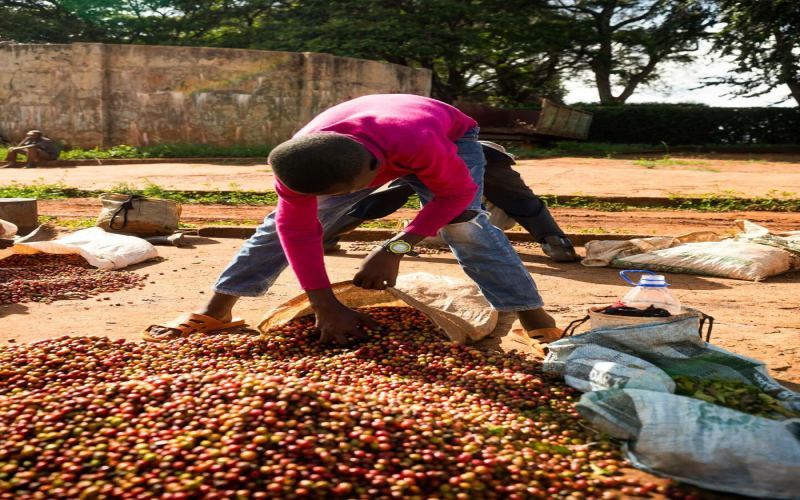
Kenyan Coffee Bean Flavor Code: A Detailed Guide to K72 Washed Processing, SL28/SL34 Varieties, and Acidity Differences Across Growing Regions
Kenyan coffee stands out in the specialty coffee world with its powerful, full-bodied acidity, forming a sharp contrast to the crisp brightness of Ethiopia. From the establishment of the cooperative union in 1931 to the K72 72-hour washed fermentation, from the selection and breeding of SL28 and SL34 to the fine grading of AA, AB, and others, Kenya has built a complete specialty coffee system. This article systematically reviews the historical development of Kenyan coffee, cultivation models, flavor differences among major producing regions, and variety characteristics, and includes roasting and brewing suggestions for Front Street Coffee's Kenyan Asaliya coffee beans, bringing you a comprehensive understanding of the unique charm of this African producing region. [more…]
Kenyan Coffee Flavor and Regions: A Complete Guide — From AA Grading to K72 Washing, Front Street Coffee Helps You Understand Specialty Kenya
Kenyan coffee is renowned for its bright, full-bodied fruit acidity and thick, juicy mouthfeel, making it a producer origin that cannot be overlooked on the global specialty coffee map. This article systematically sorts through the full picture of Kenyan coffee, from its historical evolution, variety selection and breeding, the terroir of its six major producing regions, the auction and direct trade systems, to green bean grading standards and the K72 washed processing method. At the same time, drawing on the cupping and brewing experience of FrontStreet Coffee, it introduces the origin information and brewing parameters of Kenyan Cherry Tomato coffee beans, helping coffee enthusiasts gain a more comprehensive understanding of the unique charm of this East African producing country. [more…]
An Analysis of the Grading Differences Between Kenya Black Tea Grade 1 and Grade 2 and Their Quality Characteristics
Kenya is not only a tourist destination, but also an important black tea producing region globally. Since the introduction of tea cultivation in 1903, Kenya has developed into the world's third-largest tea producer and exporter. Local tea gardens are mainly distributed in the highlands of the East African Rift Valley, with the industry structure composed of large estates and smallholder cooperatives, among which KTDA manages over 60% of the output. Kenyan black tea is primarily processed using the CTC method, producing a strong and bright liquor that is highly favored in the international market. This article will provide a detailed analysis of the grading system for Kenyan black tea, including the specific differences between main grades such as BP1, PF1, D1, PD, F1, and secondary grades, helping coffee and tea enthusiasts gain a comprehensive understanding of the quality characteristics and classification logic of Kenyan black tea. [more…]
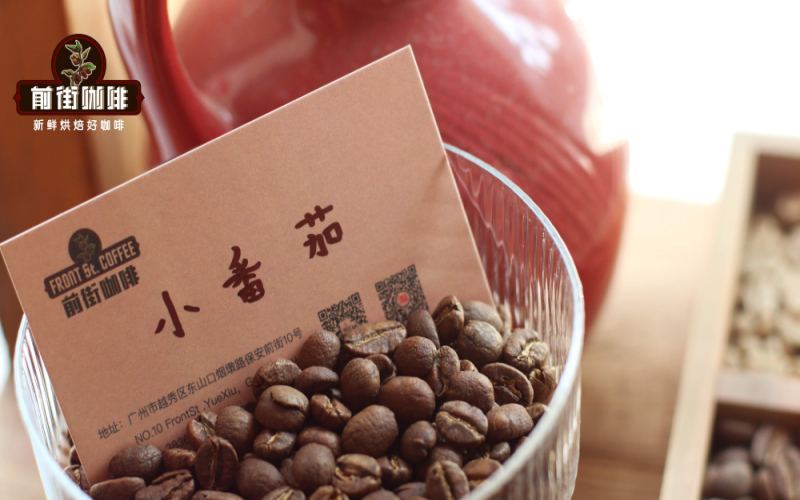
A Complete Guide to Kenyan Coffee Bean Grades: AA, PB, E Explained with a Roasting Log of Ichamama Peaberry
Kenya AA coffee occupies a pivotal position in the global specialty coffee landscape, yet the letter grades surrounding it are often confusing. What exactly do these codes—E, PB, AA, AB, C, TT, T, MH/ML—mean? From the perspective of Front Street Coffee, this article systematically sorts out Kenya's grading system based on raw bean screen size, and takes an in-depth look at a Peaberry from the Ichamama Factory in the Nyeri region, presenting the unique charm of Kenyan PB in full through raw bean information, cooperative background, four-roast comparison experiments, and cupping performance. At the end, it also includes Front Street Kenya Small Tomato AA's brewing parameters and flavor description, offering readers an intuitive AA vs. PB reference. [more…]

Kenya Thika Region Coffee: A Comprehensive Analysis of Growing Environment, History, Flavor Profile, and Grading System
Kenyan coffee is renowned for its clean and refreshing taste, substantial body, and bright fruit acidity, making it a classic region sought after by specialty coffee enthusiasts. This article starts from the Kiambu region where Thika is located, systematically outlining the growing conditions, historical context, distribution of the top ten producing regions, official grading system, and unique washed fermentation processes of Kenyan coffee. It also shares the brewing parameters for Front Street Coffee's Kenya Asalia, providing a comprehensive understanding of this East African coffee powerhouse from the colonial period to the specialty era. [more…]
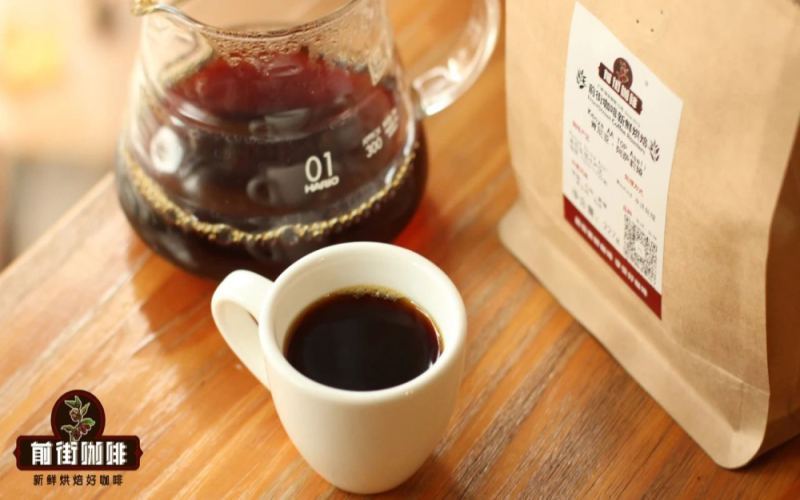
Kenya Coffee Industry Panorama: From Berman Estate to Front Street Asalia - Regions, Grading, and Flavor Analysis
Kenya, with its exceptional climate conditions and a continuously refined industry system, has cultivated Arabica coffee with distinct flavors and outstanding quality. This article starts with Dormans Estate, Kenya's largest coffee producer, to systematically trace the rise of Kenyan coffee—including the SL28/SL34 breeding mechanism, government promotion, the auction system, unique grading standards, and the 72-hour washed fermentation process—and further analyzes the characteristics of core producing regions such as Nyeri, Kirinyaga, and Murang'a. It also presents Front Street Coffee's Kenyan Asalia (Little Tomato) brewing recipe and flavor review, offering coffee enthusiasts a complete picture of Kenyan specialty coffee. [more…]
Kenya AA Fram Estate Wins the 2017 East Africa Harvest Season Flavor Competition Championship
The results of the 2017 Taste of Harvest (TOH) East Africa competition's Kenya division have been announced. Fram Farm from the Kirinyaga production area took first place with a score of 85.3. This AA-grade auction lot was secured by Qingdao Fisher Coffee, making it another African TOH champion bean following Ethiopia's Gesha and Uganda's entries. Fram is a family-run private farm with its own washing station, and its main varieties are SL28 and SL34. This article will explore multiple angles including the farm's background, the development history of Kenyan coffee, the grading system, and the K72 washing process, along with Front Street Coffee's brewing recommendations and a flavor description of Kenyan small tomato beans, taking you through the full story behind this champion bean. [more…]