







Search Results for: Juan Valdez
Colombian Coffee Brand Juan Valdez: The Origin of the FNC Juan Valdez Logo and a Tasting of FINCA Estate Beans
What is the identity of the bearded, mule-leading figure on the packaging of Juan Valdez, the well-known Latin American coffee brand? How was this brand born? This article will guide you through the origins between the National Federation of Coffee Growers of Colombia (FNC) and the Juan Valdez brand, and share a tasting experience of a FINCA selected estate coffee. From the founding of the FNC in 1927, to the official launch of the brand in 1960, and to this UTZ-certified 100% washed Arabica bean, the article also introduces the terroir characteristics of Colombian coffee origins, as well as Front Street Coffee's recommendations for high-value Colombian beans. [more…]
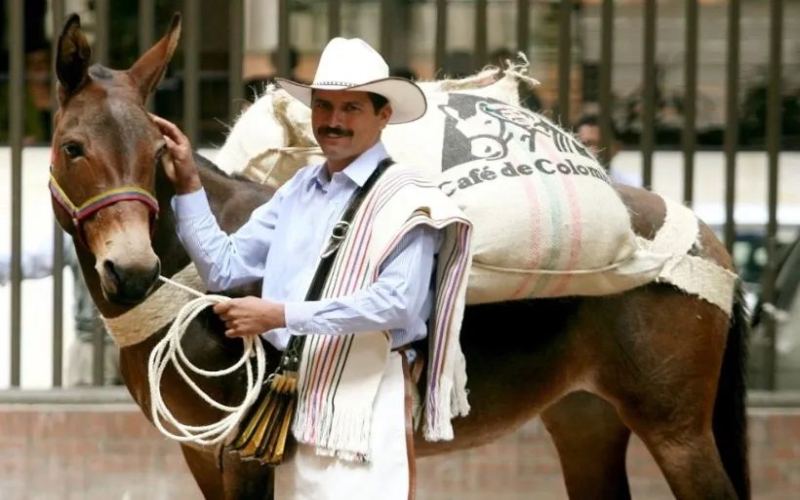
The Legendary Embodiment of Colombian Coffee: How Juan Valdez and His Mule Shaped the Benchmark for Origin Coffee
For friends who love Colombian coffee, the image of a coffee farmer leading a mule is surely familiar—Juan Valdez, known to everyone as "Don Juan." He was actually a fictional spokesperson created by the National Federation of Coffee Growers of Colombia in 1959, yet he became a globally recognized symbol of coffee. From the rugged transport routes of the Andes, to the marketing miracle that changed American consumers' perceptions, and now to Juan Valdez cafés in countries around the world, Don Juan's story traces Colombia's path to coffee modernization. This article will introduce you to his origins, the symbolic meaning of his mule Conchita, the story behind the classic triangular logo, and his profound influence on the promotion of single-origin coffee. [more…]
From Juan Valdez to Coffee Chains: The History, Challenges, and Transformation of Colombia's Coffee Industry
Colombian coffee is renowned worldwide for its mild, low-caffeine Arabica varieties, and the image of Juan Valdez—wearing a wide-brimmed straw hat and leading a donkey—is deeply ingrained in people's minds. From the founding of the National Federation of Coffee Growers in 1927, to the creation of the classic brand ambassador by an advertising agency in 1959, to the opening of Juan Valdez cafés in the 21st century to compete directly with Starbucks, the Colombian coffee industry has walked a path of transformation from passive reliance on the futures market to actively building its own brand. This article traces the origins and development of the Juan Valdez brand, analyzes the impact of international coffee price fluctuations on coffee farmers, and ventures deep into the mountains of Huila Department to document the real lives and aspirations of organic growers. It also examines the potential and challenges of Colombian coffee in emerging markets such as China. [more…]
From Uncle Juan to the Triangular Mark: Colombian Coffee Origin Stories and Blended Bean Flavor Analysis
Colombian coffee occupies an important place in the global specialty coffee landscape, and when it comes to Colombia, many people first think of "Juan Valdez," the man leading a mule. This fictional character, launched in 1959 by the National Federation of Coffee Growers of Colombia (FNC), carries behind it the real stories of more than half a million coffee farmers and the rugged terroir of the Andes. This article will walk you through the origins of Juan Valdez and his mule Conchita, the meaning of the Colombian coffee triangle logo, and the aromatic performance of Colombian coffee in blends. It will also recommend a Colombian-Brazilian blend from Front Street Coffee for coffee lovers to reference and taste. [more…]
An Overview of Colombian Coffee Brands and a Pour-Over Guide: A Complete Analysis from the Huila Region to the Flavors in Your Cup
Colombia, as the world's third-largest coffee producer, has a well-developed industry system including FNC and CENICAFE. Its terrain spans three major regions from south to north, with distinct harvest seasons, giving rise to many coffee brands each with its own characteristics. This article systematically reviews well-known brands such as Juan Valdez, Ming Coffee, Gevila, and Colin, analyzes the smooth and sweet flavor characteristics of Colombian coffee, and provides an in-depth introduction to the regional divide between commercial beans and specialty beans—the three major MAM production regions in the central and northern parts and specialty production regions such as Huila in the south each have their own strengths. Finally, it includes the pour-over parameters and staged extraction plan for Front Street Coffee Colombia Huila Caturra Washed beans, providing coffee lovers with a complete reference from bean selection to brewing. [more…]
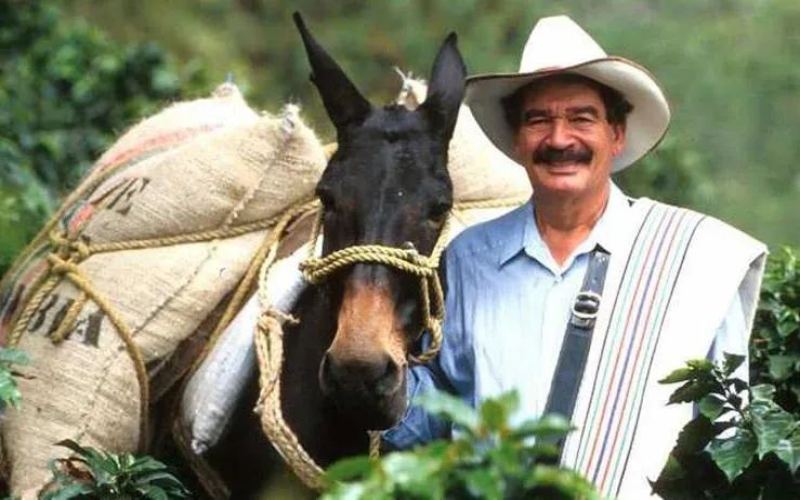
Colombian Coffee Brand Roundup: A Complete Analysis of Flavors and Grading from Don Juan to the Huila Specialty Region
For coffee enthusiasts, Colombia is always an unavoidable classic origin. This article begins with the household-recognized brand image of Juan Valdez, systematically outlining Colombia's coffee-growing regions, climate characteristics, harvest seasons, and the landscape of specialty production areas, while offering an in-depth interpretation of why Huila Department has become the specialty region that Front Street Coffee selects as Colombia's flagship representative. The article also provides a detailed introduction to Colombia's green bean screen-size grading standards—the specific meanings of export grades such as UGQ, EP, and Supremo, along with their screen mesh specifications—as well as the practical application of the washed processing method in the Huila region. Finally, using Huila coffee beans as an example, Front Street fully demonstrates the extraction steps for a moka pot, offering a reference for daily brewing. [more…]
Colombian Coffee Bean Grading and History: An Analysis from FNC to the Huila, Cauca, Nariño, and Santander Regions
Colombian coffee enjoys a global reputation, and behind it lie both the long-term efforts of the official organization FNC and the uniquely favorable growing conditions along the Andes Mountains. This article begins with the founding of the Colombian Coffee Growers Federation and the promotion of the Juan Valdez image, then outlines the geographical distribution of coffee cultivation and the characteristics of major producing regions in the country. It focuses on four representative origins—Huila, Cauca, Nariño, and Santander—and concludes with Front Street Coffee's pour-over brewing suggestions using Huila everyday beans as an example. Whether you want to understand Colombian coffee bean grading and history, or are looking for a daily brewing reference, you will find useful information in this article. [more…]
A Complete Guide to Colombia's Specialty Coffee Regions: Huila, Cauca, Nariño, Santander Flavors and Pour-Over Parameters
Colombian coffee has long been the representative of South American specialty coffee. From the promotion by the FNC to the deeply ingrained image of "Juan Valdez," this country has spent nearly a century establishing its position as the world's third-largest coffee exporter. Along the Andes Mountains lie several distinctive specialty regions—Huila, Cauca, Nariño, Santander, and others—each with its own character. High altitudes, microclimates, and volcanic soil together give Colombian coffee its unique balance of acidity and sweetness along with a rich, full body. In this article, Front Street Coffee will provide a complete overview of the quality logic behind Colombian coffee—from regional characteristics and flavor profiles to a pour-over brewing recipe for Huila everyday beans—helping enthusiasts understand the differences and allure of each region. [more…]
A Complete Guide to Colombian Coffee Beans: Flavor Characteristics, Processing Methods, Regional Quality, and Pour-Over Grind Parameters
Colombia is the world's third-largest coffee-producing country, with a mature industry system, professional institutions such as FNC and CENICAFE, and distinctive topography and harvest-season distribution. This article will start with well-known brands, the differences between commercial and specialty production regions, and the flavor performance of Huila specialty beans, and will also provide Front Street Coffee's recommended hand-brew parameters and staged extraction plan for Colombian Huila, helping you more systematically understand Colombian coffee beans' flavor descriptions, processing methods, quality characteristics, mouthfeel, and grind size selection. [more…]
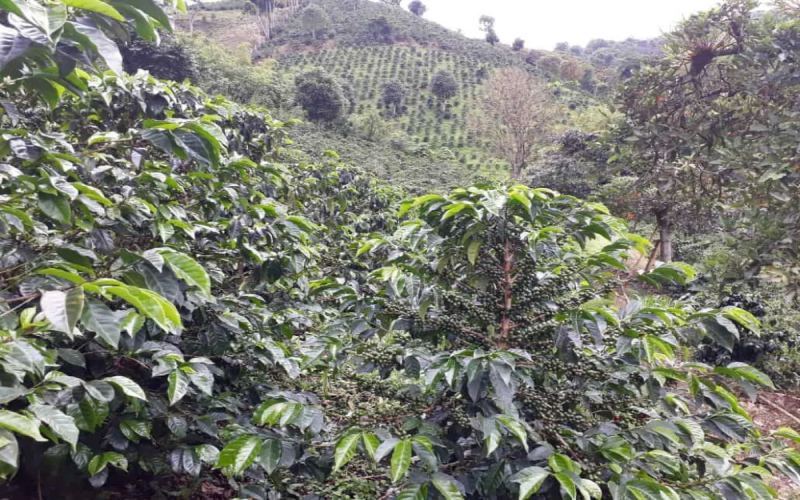
The Evolution of Colombia's Coffee Industry: From War and Decline to the Rise of the FNC, with Notes on Finca El Diviso's Sidra and Geisha
Colombia is located in the northern part of South America. Geographically, the western region consists of the Andes mountains and coastal plains, while the eastern region is made up of the Orinoco Plains and the Amazon Plains. Coffee is said to have been brought to this land by Jesuit monks in 1723, but it was not until the late 19th century that it truly developed into an industry. After that, the country experienced wars, and coffee cultivation declined for a time. The government then divided up wasteland and sold it to farmers, which allowed coffee to regain momentum in 1912 and account for half of total exports. Small farms lacked bargaining power in the market, which led to the creation of the coffee federation in 1920 and its development in 1927 into the more authoritative National Federation of Coffee Growers of Colombia (FNC). Through quality control, the establishment of research centers, and the creation of the Juan Valdez image, the FNC propelled Colombia to become the world's third-largest coffee producer and exporter. This article will also introduce Hacienda La Esmeralda in the Huila growing region, as well as Sidra and Geisha, which became popular after winning the 2022 WBC. [more…]

An Analysis of Colombian Coffee Regions, Varieties, and Processing Methods, with Front Street Coffee Pour-Over Flavor Descriptions
Colombian coffee is renowned for its balanced sweetness and aroma, with a pleasant acidity, mild bitterness, and the ability to shine as a pour-over single origin that showcases its terroir, while also frequently appearing in espresso blends. The high-altitude growing zones along the Andes, abundant rainfall, and an average annual temperature of around 18°C provide ideal conditions for coffee trees. Since its founding in 1927, FNC (the Colombian Coffee Growers Federation) has continuously promoted quality improvement and international marketing, shaping the classic image of "Juan Valdez." This article will outline the characteristics of Colombia's main producing regions—Huila, Cauca, Nariño, and Santander—introduce varieties such as Typica, Bourbon, Caturra, and Castillo, explain washed, anaerobic natural, and anaerobic enzyme-washed processing methods, and provide brewing suggestions and flavor descriptions based on several Front Street Coffee bean offerings. [more…]
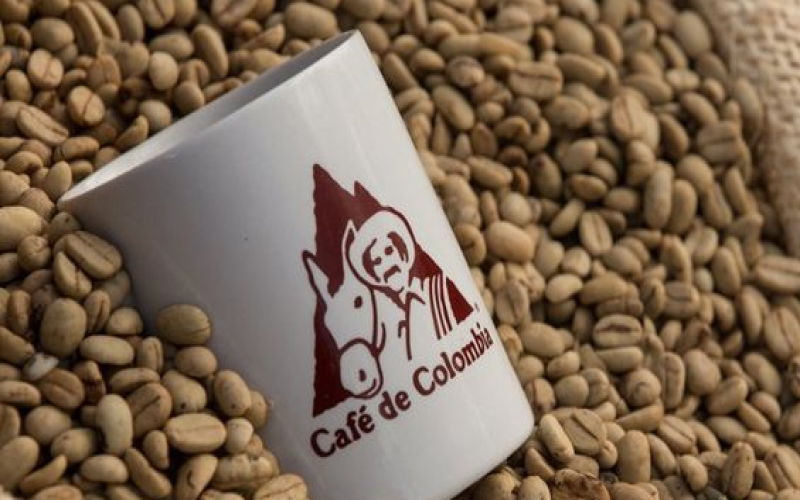
Complete Guide to Colombian Supremo Coffee Beans: From Regional Grading to Huila Washed Brewing
Colombian coffee, with the diverse terroirs of the Andes and refined washed processing, has become a force that cannot be overlooked on the global specialty coffee map. From the classic image of Juan Valdez to the rising specialty regions of Huila in the south, from raw bean screen-size grading to the Excelso export standard, this article systematically sorts out the origin characteristics, processing methods, and grading system of Colombian coffee. At the same time, Front Street Coffee uses a Huila washed everyday drinking bean as an example to share brewing parameters and flavor performance under medium-dark roasting, taking you through a comprehensive understanding of the core charm of this South American coffee powerhouse. [more…]
What Does Colombian Juan Díaz Coffee Taste Like? Front Street Analyzes the Classic Brand and Huila Everyday Beans
When it comes to Colombian coffee, many people picture Uncle Juan wearing a straw hat and leading a mule—an iconic image that has long been the calling card of Colombian coffee to the world. Colombia's coffee-growing regions stretch across the Andes, divided from south to north into three major zones, and the diversity of climate and altitude means coffee cherries ripen almost year-round. In the last century, the "MAM" trio was the most famous, but with the rise of the specialty coffee wave, southern regions such as Huila, Cauca, and Nariño have repeatedly won Cup of Excellence awards thanks to their high altitudes and refined processing methods. After multiple cupping sessions, Front Street Coffee chose a washed bean from the Huila region as the flagship representative of Colombia, offering it in small packaging so enthusiasts can easily experience the classic flavor. This article will introduce the origins of the Uncle Juan logo, the logic behind Colombia's regional classification, and Front Street Coffee's brewing recommendations and flavor profile for its Huila everyday-drinking bean. [more…]
A Complete Analysis of the Cultivation Origins and Flavor Characteristics of Colombia's Coffee Regions
As an important coffee-producing country in northern South America, Colombia, with its unique terrain and microclimates along the Andes Mountains, nurtures coffee beans of outstanding quality. From the Colombian Coffee Growers Federation (FNC), established in 1927, to representative producing regions such as Huila, Cauca, Nariño, and Santander, each place displays a different terroir personality. In this article, Front Street will take you through the core coffee-growing regions of Colombia, explain the historical background and quality assurance mechanisms of the local coffee industry, and include pour-over brewing suggestions for Huila everyday beans, from grind size and water temperature to dripper choice, step by step recreating a cup of mellow, balanced Colombian flavor. [more…]
A Complete Guide to Colombian Coffee Regions' Climate and Green Bean Grades, with a Front Street Huila Everyday Brew Recipe
When people mention Colombian coffee, many picture that mustachioed farmer Juan Valdez in his straw hat. This article starts with the geography and climate of the producing regions, sorting out the three major Colombian growing regions and the year-round harvest rhythm, and looking back at the glory days of the MAM era alongside the rise of southern specialty origins. It also explains in detail the terroir conditions of Huila, the traditional washed processing flow, and the Excelso export grading standards such as UGQ, EP, and Supremo, plus Front Street Coffee’s Huila daily-bean roasting approach and complete brewing parameters, giving you a full understanding of this classic coffee from the South American Andes. [more…]
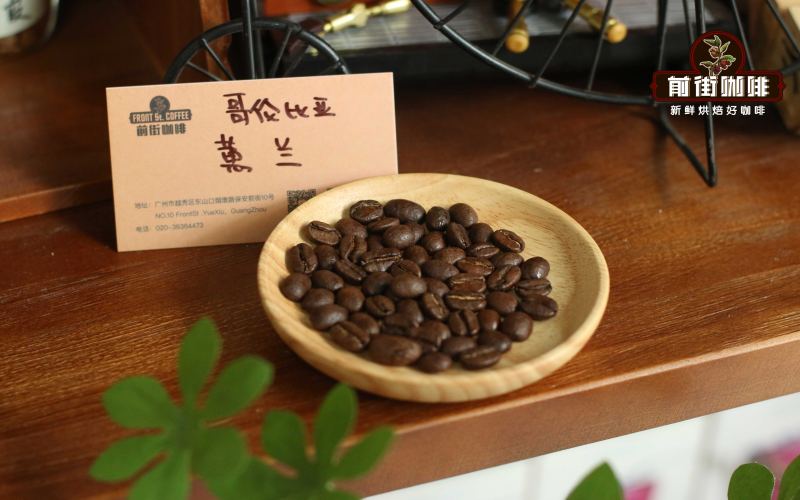
Colombian Coffee Bean Brand Recommendations and Flavor Analysis: Front Street Washed Huila Everyday Coffee Beans
Colombia, with its exceptional geographical and climatic conditions, has become a key origin for premium Arabica coffee worldwide. This article starts with Front Street Colombia Washed Huila coffee beans, introducing their region, altitude, processing method, and variety information, and analyzes the characteristics of this everyday bean—balanced, with prominent sweetness and chocolate and caramel-nut flavors. It also reviews Colombia's well-known regions, specialty bean distribution, and the context of coffee history and brand marketing, helping coffee enthusiasts more systematically understand the flavor sources of Colombian coffee and how to choose it. [more…]
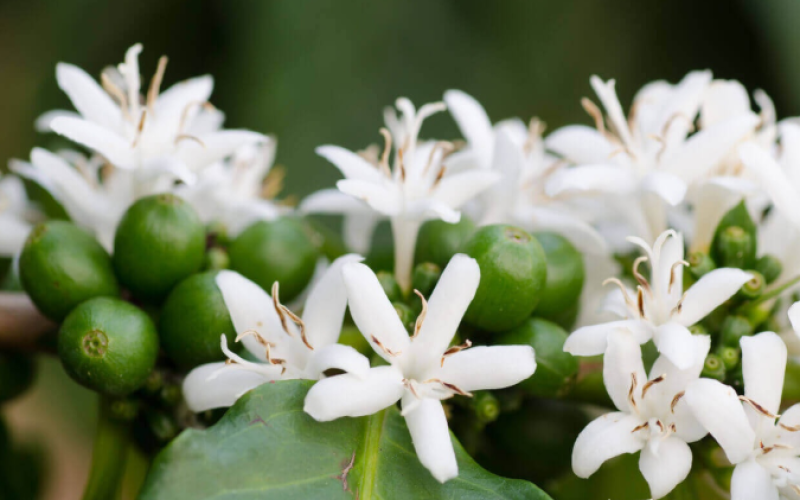
An Analysis of the Cultivation History and Flavor Characteristics of Colombia's Core Coffee Producing Region: Antioquia and the Town of Fredonia
Colombia is the world's third-largest coffee producer, and the high altitudes, volcanic soils, and diverse microclimates of its Andean region give rise to a highly distinctive coffee flavor. In this article, Front Street Coffee systematically traces the dissemination history, industry development, and producing-region landscape of Colombian coffee, with a particular focus on the Antioquia producing region in the northwest and its sub-district of Fredonia. We analyze the local coffee's growing conditions, variety composition, and flavor performance, giving you an understanding of how this important producing region yields coffee with balanced sweetness and a refined mouthfeel. [more…]
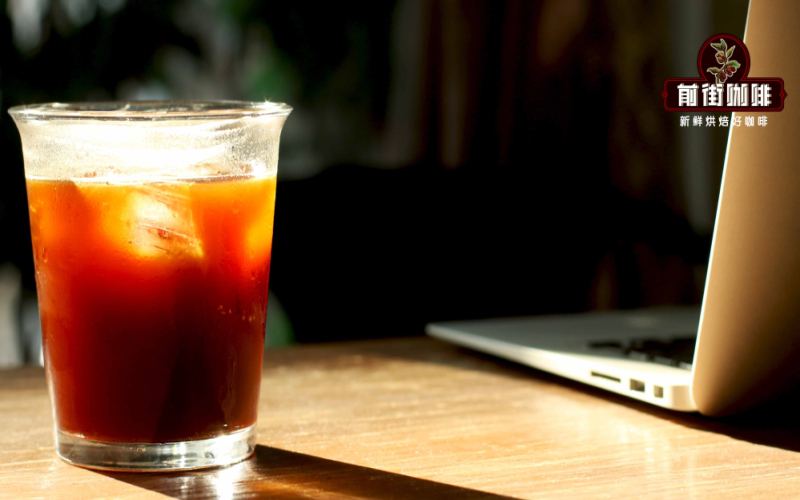
What's the difference between Americano and espresso? Is drip coffee the authentic Americano?
Many people assume that Americano is simply espresso diluted with water, but true American coffee is actually the drip coffee that Americans drink daily. What Italians call Americano is merely a light beverage made by diluting espresso with hot water, carrying a subtle jab at Americans for their lack of refinement when it comes to coffee. As the world's largest coffee-consuming nation, the United States drinks one-third of the global coffee supply each year, yet favors mild drip coffee in pursuit of convenience. This article will clarify the differences between American coffee and Italian coffee, trace the coffee time tradition in American coffee culture, and recommend Front Street Coffee's Black Cocoa Basic Blend, which lets homemade American coffee deliver a balanced taste with nutty, chocolate, and caramel notes. [more…]
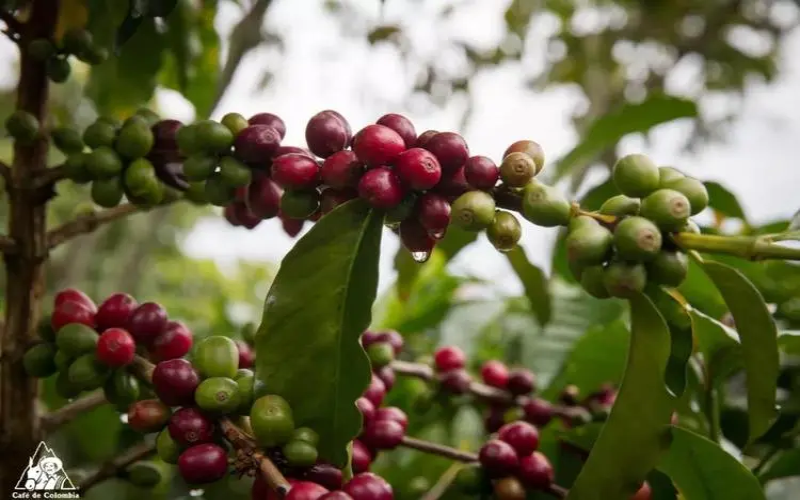
Colombia Santander Region Big Tree Estate Rose Valley Coffee Beans: Origin, Variety Characteristics, and Brewing Flavor Analysis
Colombia is located in northern South America, bordering the Pacific Ocean to the west and the Caribbean Sea to the north. The Andean region in the west has high altitudes, volcanic soil, and abundant rainfall, with diverse microclimates. It is recognized as a high-quality coffee-producing region and is the world's third-largest coffee producer. Coffee was introduced in the late 18th century by Jesuit priests among the Spanish colonists, and was first cultivated in the departments of Santander and Boyacá. The Santander producing region is located in the northern Andes Mountains of Colombia, at an altitude of about 1,400-1,700 meters. It is one of the earliest coffee-growing areas in Colombia, known for its strong flavor, long finish, and unique fresh herbal notes. Hacienda El Roble is a rare single-variety plantation in the area. The Front Street Colombia Rose Valley coffee beans sourced by Front Street Coffee come from this estate, using anaerobic enzyme washed processing and medium roasting, presenting flavors of rose, liqueur chocolate, berries, cranberries, and white peach. [more…]
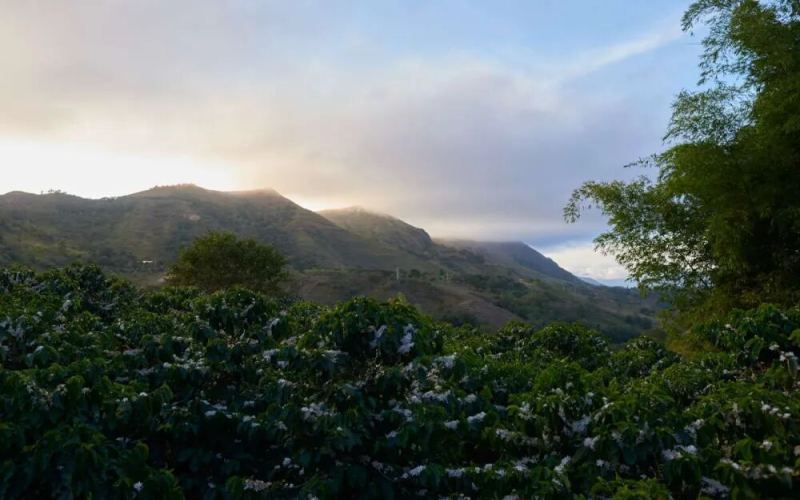
Colombian Coffee Beans | What Are Colombia's Specialty Coffee Regions? Why Does Colombian Huila Coffee Have a Chocolate Flavor?
Everyone who has visited a Front Street Coffee shop knows that Front Street offers a huge variety of coffee beans. For some beginners, this can actually be a bit unfriendly, because a wide selection often means consumers need broader coffee knowledge to choose the type they like. Fortunately, the baristas at Front Street are always patient in consult [more…]