







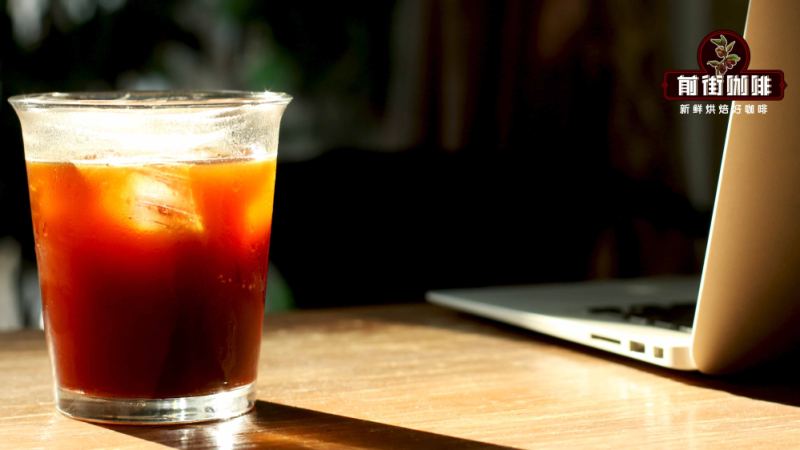
What makes American coffee different from an Italian Americano?
True American coffee is the drip coffee Americans drink daily, not espresso diluted with hot water. In Italy, an Americano is simply espresso topped with hot water, a light drink named with a mild jab at American taste. The United States drinks about 400 million cups a day and consumes roughly one third of world coffee output, favoring mild, convenient drip brews.
That habit runs through american coffee culture: coffee at any hour, at work or at home, and rarely taken as a slow espresso. For brewing at home, a medium or dark blend with notes of nuts, chocolate, and caramel keeps drip coffee balanced while holding enough aroma. The distinction rests on method and strength, not on the name alone.
Many people assume that Americano is simply espresso diluted with water, but true American coffee is actually the drip coffee that Americans drink every day. What Italians call "Americano" is merely a light beverage made by diluting espresso with hot water, carrying a subtle jab at Americans for being unrefined about their coffee. As the world's largest coffee-consuming nation, the United States drinks one third of the global coffee output each year, yet favors mild drip coffee in pursuit of convenience. This article will clarify the difference between American coffee and Italian coffee, trace the coffee time tradition in American coffee culture, and recommend Front Street Coffee's Dark Cocoa Basic Blend, so that home-brewed American coffee achieves both a balanced taste and notes of nuts, chocolate, and caramel.
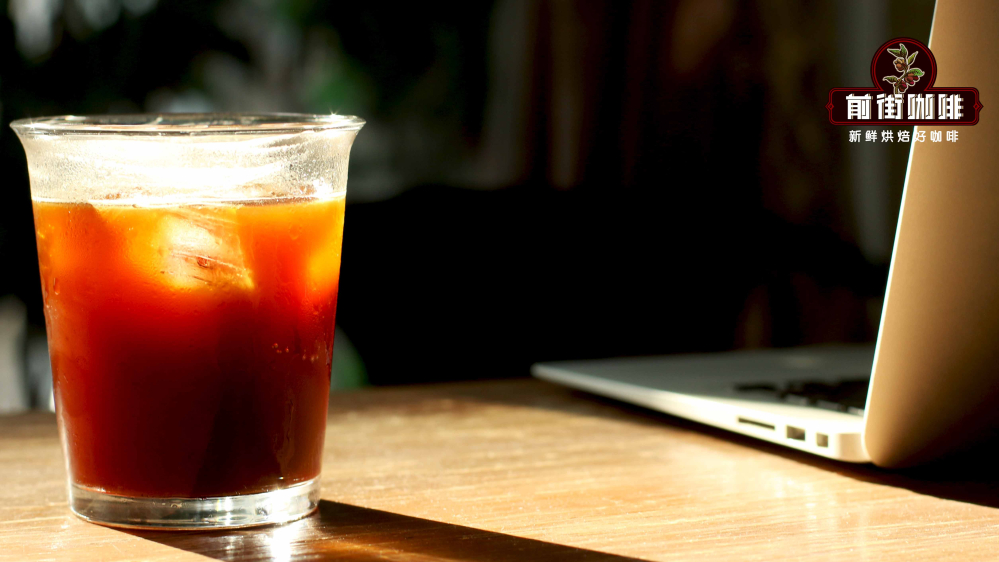
Italians call a drink made by diluting espresso with water "Americano." However, true American coffee—the kind Americans drink most in their daily lives—is actually drip coffee.
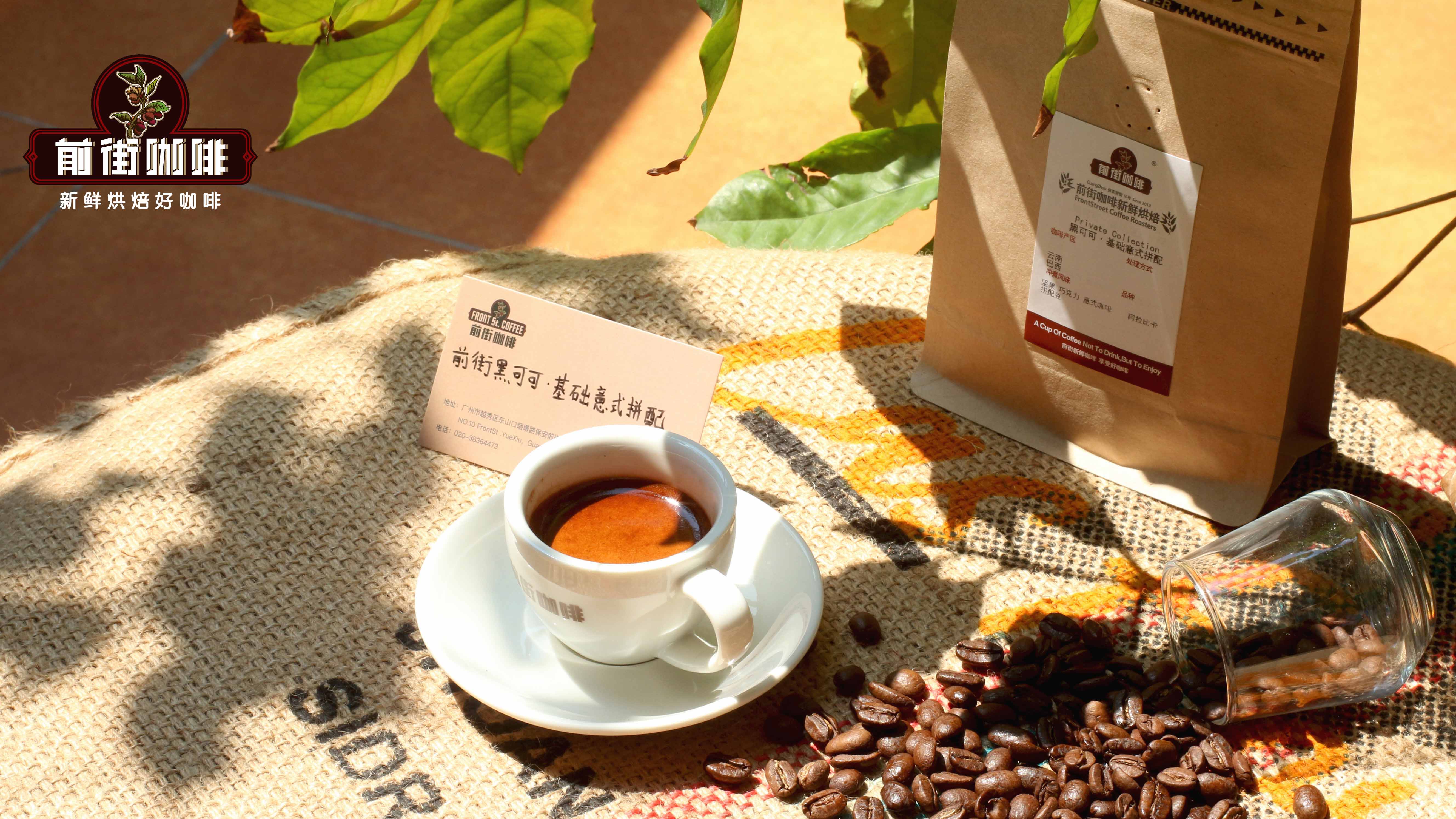
If you want to make a cup of American coffee at home, you can choose Front Street Coffee's Dark Cocoa Basic Blend. These beans carry flavor notes of nuts, chocolate, and caramel, allowing American coffee to retain ample coffee aroma while remaining balanced.
"Welcome to the U.S. Do you want an Americano?" This single sentence alone is enough to convey how much coffee means to Americans. Before doing almost anything, Americans have to drink a cup of coffee first, which shows just how obsessed they are. They drink it regardless of time or place: in the morning, in the afternoon, and again at night; at work, after work, and even in meetings; while shopping, walking the dog, and of course on dates; workers drink it, teachers drink it, police officers drink it; pastors drink it, nuns drink it, and even the Statue of Liberty... haha, drinks it too!
It is said that when Apollo 13 encountered a fatal malfunction on its return from the first crewed lunar landing mission, the words ground control used to comfort the three astronauts were: Hold on! Rich, hot coffee is waiting for you when you get back.
So it is undeniable that Americans are the world's most coffee-loving people, unable to go without it almost 24 hours a day. The United States drinks 400 million cups of coffee every day, consumes one third of the world's coffee output, and is the largest coffee-consuming country, with annual trade value reaching 30 billion dollars, second only to gasoline.
A Coffee Culture with No Taboos
Although Americans are crazy about coffee, they do not seem to care much about taste. Drinking coffee is like playing a game with no rules—no taboos at all. Americans do not buy into the European fussiness about brewing coffee. They want to drink it freely and drink it heartily, much like old-timers drinking beer. Yet Americans cannot be entirely blamed for this—generally speaking, Americans live at a fast pace, so where would they find the European leisure to savor a cup of coffee? Americans often keep a drip coffee maker running from morning to night. Because so much water is added, the coffee tastes especially weak, and the carafe sits on the warming plate the whole time until the coffee evaporates dry, which greatly hurts the taste.
In addition, Americans place excessive emphasis on convenience and are keen on selling pre-ground coffee. Little do they realize that whether in cans or vacuum packaging, no matter how well sealed, the freshness of ground coffee is severely compromised. This also prompted a series of innovations in American coffee packaging, such as metal cans, vacuum sealing, and one-way valves appearing one after another, which to some extent extended the shelf life of coffee beans, but still did nothing for ground coffee. Once coffee is ground, no matter what form of packaging is used, its freshness will decline significantly.
There Is No Americano in America
There is no Americano in America, just as there is no Vienna coffee in Vienna. In fact, "Americano" is not true American coffee, but rather a light-tasting coffee made by Italians using espresso as a base and diluting it with hot water. Italians call it American coffee, which in fact also hints that Americans are not particular enough about drinking coffee.
True American coffee is actually drip coffee, the kind made in American household electric drip coffee makers, and Americans simply call it "Coffee." In that case, it becomes easier to understand why Vienna likewise has no Vienna coffee. In Vienna, the coffee topped with whipped cream is called einspänner, while coffee with milk foam added to plain coffee is called melange.
Coffee Time
Coffee time is an American corporate tradition and also a benefit companies give employees, offering them a chance to pause and rest amid a busy work schedule. American companies usually have break rooms and provide employee coffee machines, so that after enjoying a cup of coffee everyone can throw themselves into intense work with greater enthusiasm. After coffee time ends, a ring-shaped stain from the bottom of the cup often remains on the desk, which is quite amusing.
It is said that during the fierce fighting of the Civil War, a 19-year-old boy from Ohio carried a bucket of hot coffee, filling the tin cups of soldiers at the front and bringing some cookies as well, greatly lifting their spirits. That was September 9, 1862, arguably the first commemorative coffee time in the United States.
The United States preserved this tradition and introduced it into corporate culture. Facts have proved that coffee time can indeed improve employee productivity, so much so that some companies even bring coffee brands into their workplaces. If you live in Seattle and happen to work at Microsoft headquarters, then you have an endless supply of Starbucks—Starbucks headquarters is in Seattle, so its presence at Microsoft is only natural; for another example, if you live in San Francisco and happen to work at Google headquarters, then you are in luck to drink Juan Valdez, the god of South American coffee.
The above content is compiled by CoffeeHunters, a coffee news website.


