







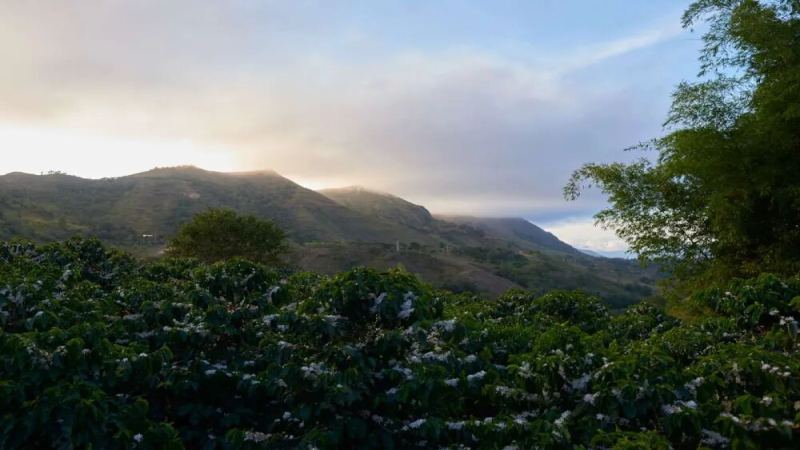
Everyone who has visited Front Street Coffee knows that we offer a very wide variety of coffee beans. For some beginners, this can actually be a bit intimidating, because a large selection often means consumers need broader coffee knowledge to choose the type they like. Fortunately, Front Street's baristas patiently ask about customers' tastes before making recommendations. Among them, the Colombia category has won over countless enthusiasts with its complex and diverse fruit flavors.

Compared with many coffee-growing countries in Central and South America, Colombia has vast land that is "naturally" suited to coffee cultivation. Its rich terrain creates diverse climate characteristics, providing abundant innate conditions for producing high-quality Arabica coffee. Below, Front Street will discuss the characteristics of Colombian coffee.
Colombian CoffeeThe production areas are extensive, with Medellin, Armenia, and Manizales being the most well-known, customarily referred to collectively as "MAM." Colombia's specialty coffee-producing regions are mainly in the south, at elevations above 1,500 meters, including San Augustin in Huila, Popayan in Cauca, Narino, and Tolima. The products from these places all have refined acidity and berry aromas, along with caramel notes and plenty of sweetness.
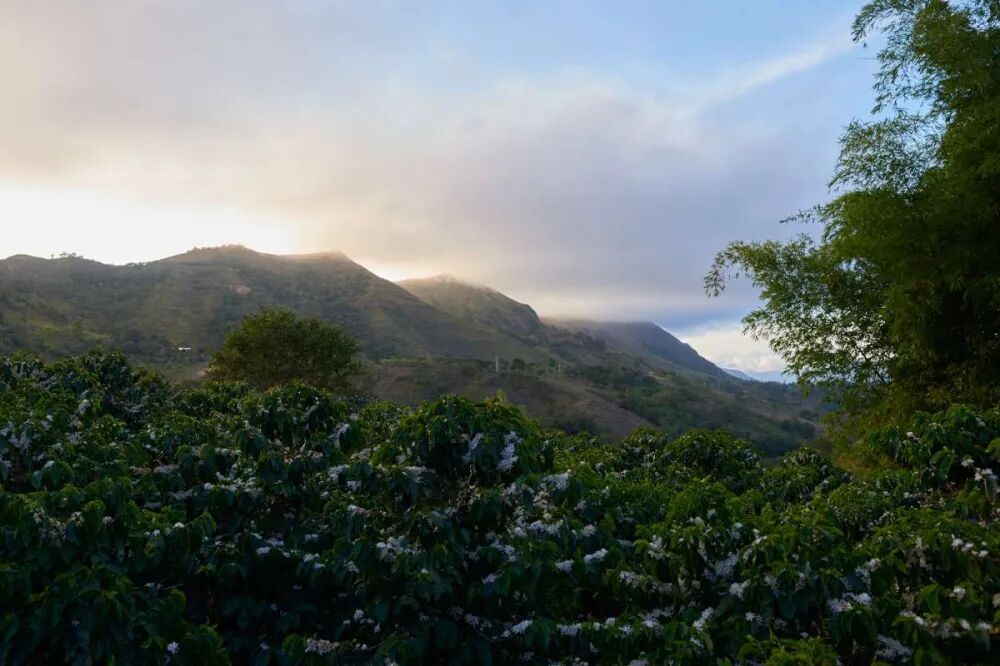
Colombia Huila: Located in southwestern Colombia, it is one of Colombia's main coffee-growing regions. Because the Huila region is filled with famous coffee-growing areas, the names of various small areas have become brand names and circulate as such. Although the cultivation conditions in this region are also very good, the coffee farms and the surrounding cultivation infrastructure are not yet very developed. The green bean drying equipment and washed-processing facilities are still not complete, which is a rather regrettable point. The Colombian coffee everyday beans Front Street has prepared for everyone come from Colombia's Huila coffee-producing region.
Before introducing the production areas, Front Street will, as usual, first introduce Colombia's coffee history. The origin story of Colombian beans has been told through several different accounts. Although there is no clear answer, most people believe coffee was introduced to Colombia by Jesuits in 1723. Coffee was accepted rather slowly as a cash crop by various regions of the country. Colombia's coffee production did not increase significantly until the late 19th century, and by 1912, coffee accounted for 50% of its total imports.
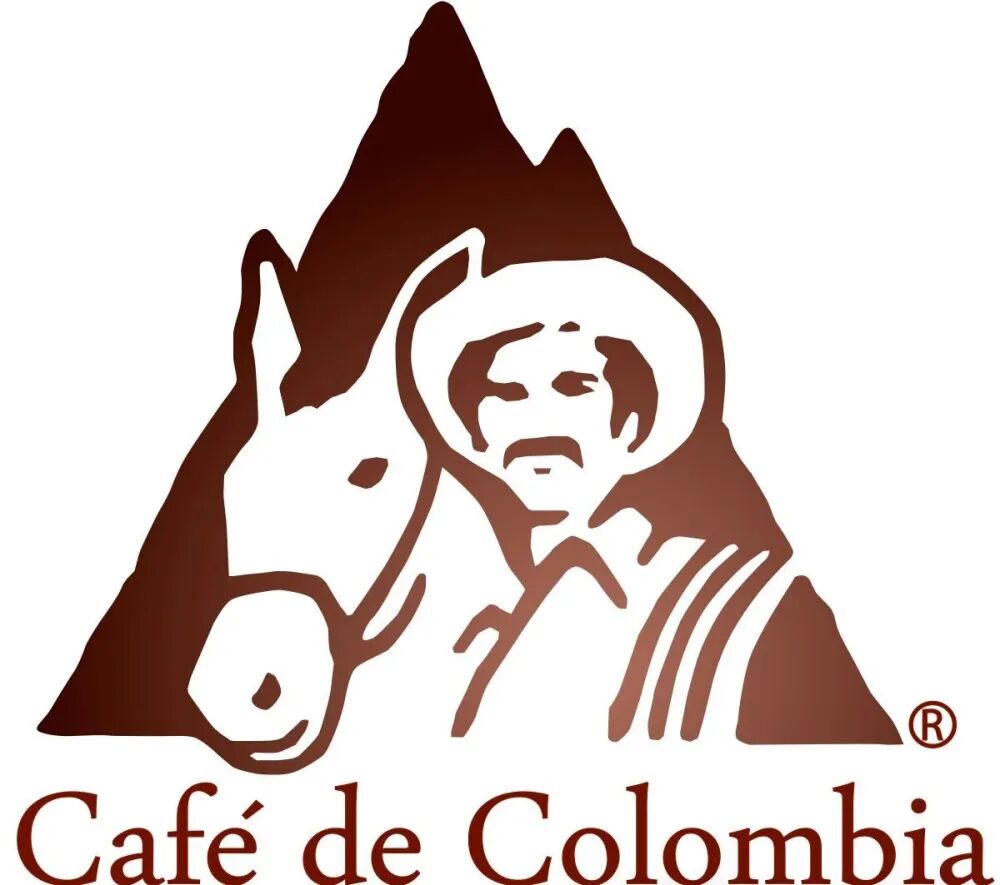
What sets Colombia apart from other coffee distributors is their focus on branding and marketing. A farmer named Juan Valdez became the "poster boy" for Colombian coffee, and his image along with his mule became symbols appearing on bags and in advertising campaigns. This specific branding added value to Colombian coffee and made it a recognized coffee in the United States.
Colombia's suitable climate provides coffee with a true "natural pasture." In previous articles introducing Colombian coffee, Front Street always highlighted Colombia's uniquely favorable growing environment. Its distinctive high-altitude terrain and many tropical microclimates greatly improve the quality of Colombian coffee. From a topographical map, western Colombia mainly has three mountain ranges, arranged in a river-like pattern: the Western Cordillera, adjacent to the Pacific coast; between the Central Cordillera are the Cauca and Magdalena rivers, which provide favorable shade conditions for coffee cultivation, and this land also contains the world-famous coffee-growing region of Medellin. The Eastern Cordillera is the third mountain range to the southwest.
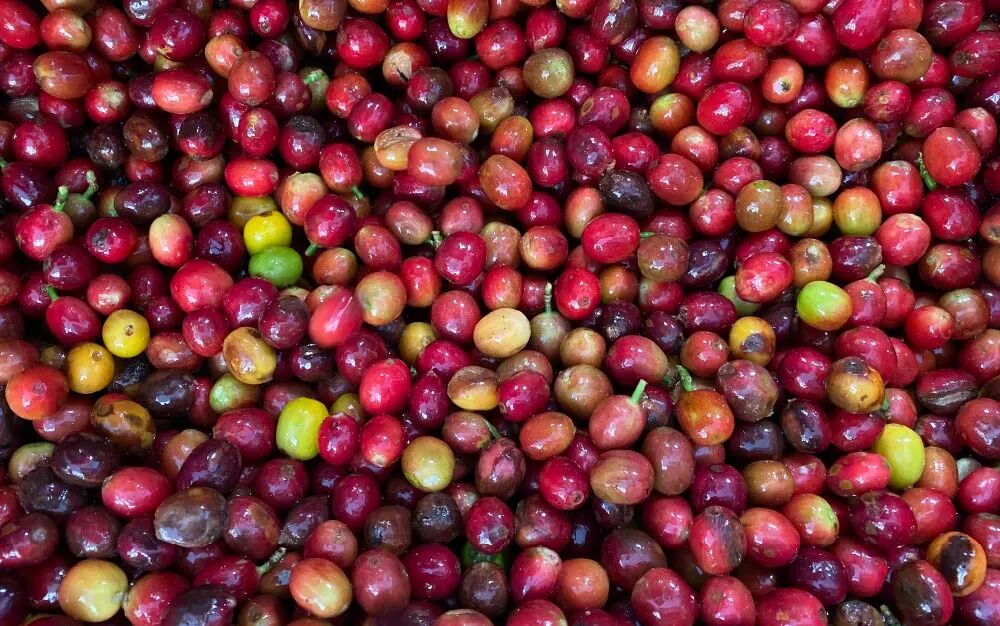
It is currently known that Colombia is the world's third-largest coffee producer. Before Vietnam entered the coffee market (whose production is mainly Robusta), Colombia was second only to Brazil. According to the 2019 FNC report, Colombia is the world's largest producer of washed Arabica coffee.
It is no exaggeration to say that Colombian coffee has now gained recognition from the world's specialty coffee community. Within Colombia, no region can produce more coffee than Huila in the Andean region. According to the Colombian Coffee Growers Federation (FNC), Huila produced 2.6 million 60-kg bags of coffee in 2016, accounting for 18% of the country's coffee. In the same year, the Neiva Chamber of Commerce reported that the department had 154,800 hectares of land dedicated to coffee cultivation. But Huila's value lies not only in the quantity of coffee. It also lies in the quality of its coffee, regularly producing Cup of Excellence award-winning products.
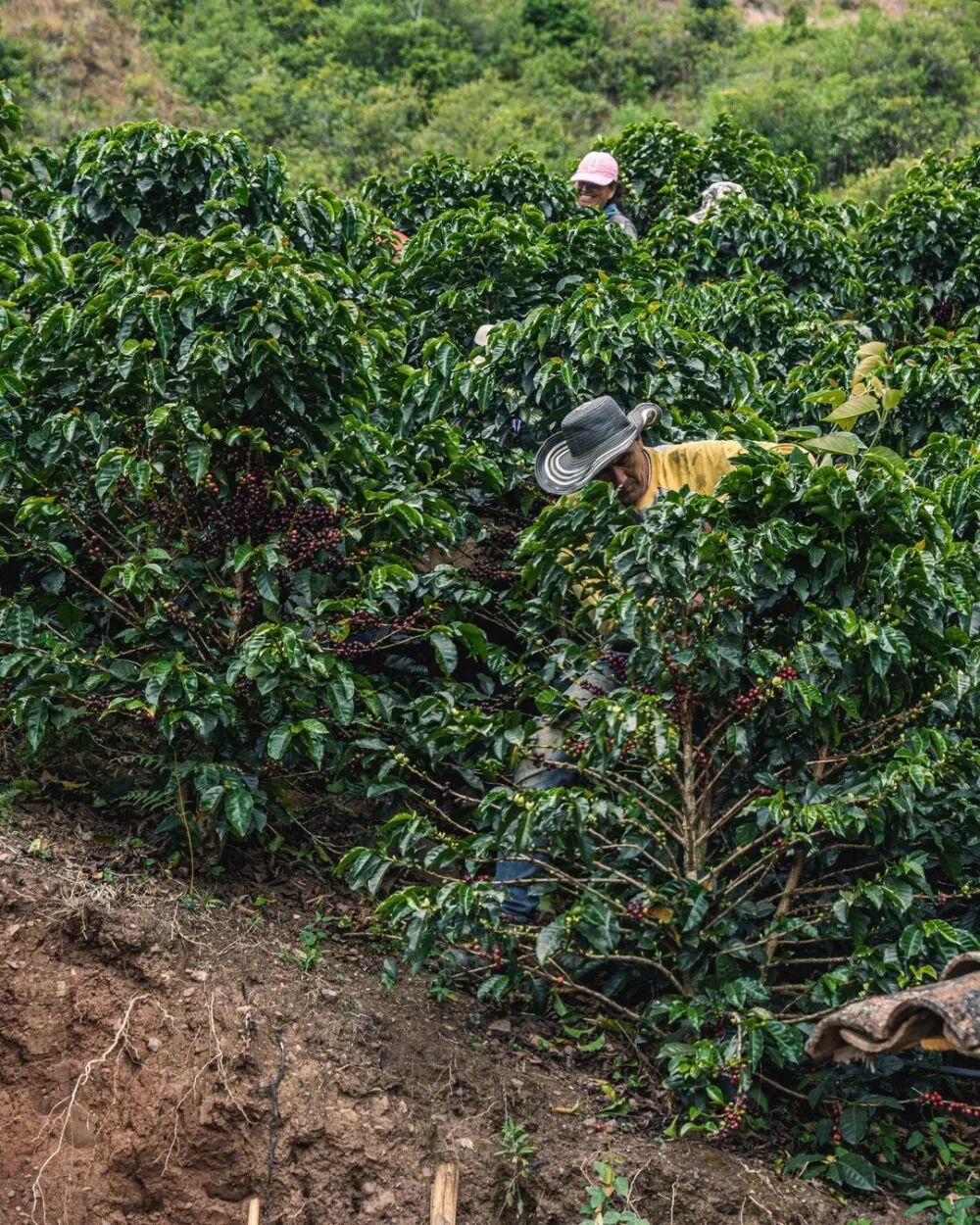
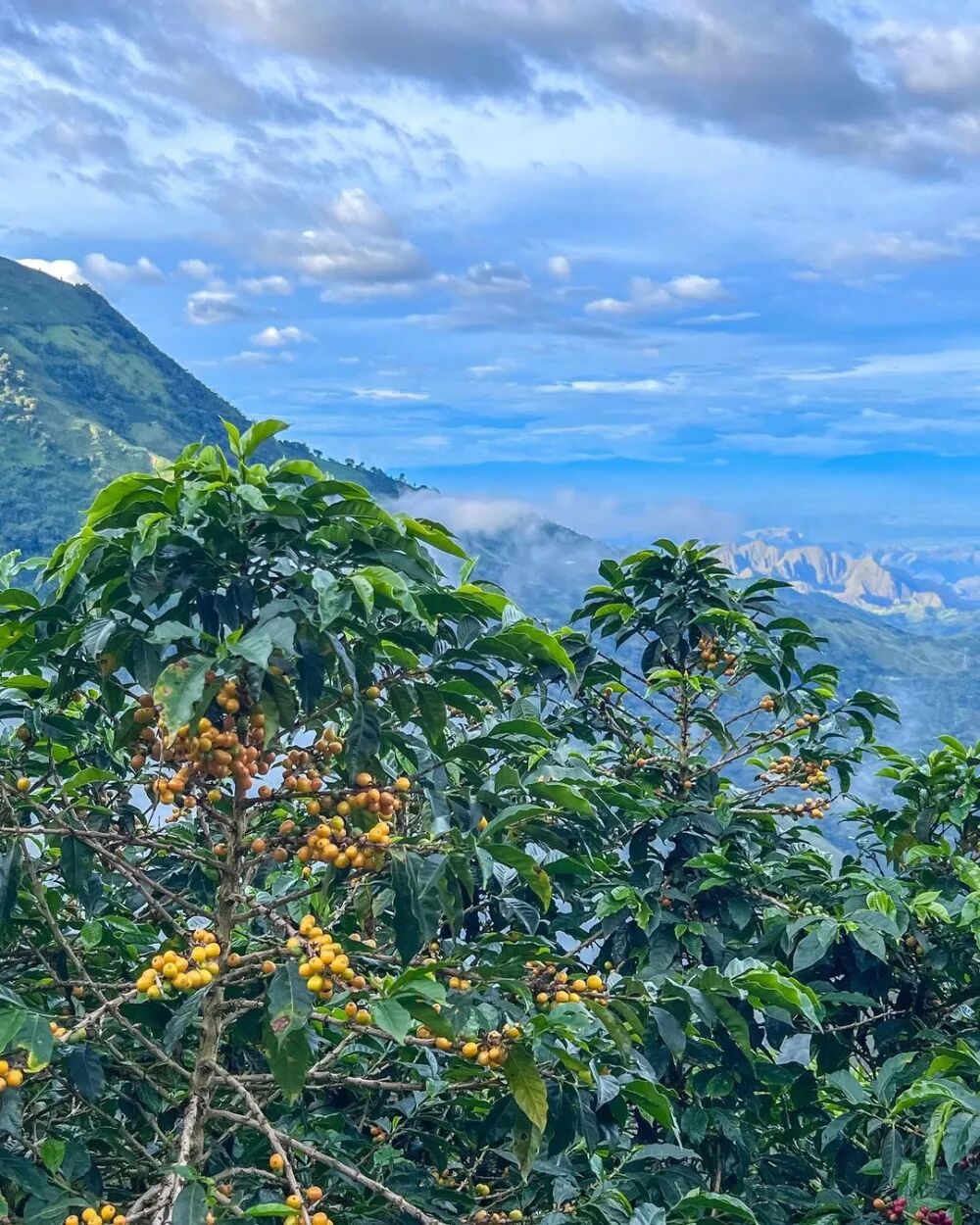
So what is the detailed growing environment for coffee in the Huila region? The Huila production area is surrounded by the Central and Eastern Cordillera of the Andes, and most of it is located in the Magdalena Valley region, which leads to significant climate variation. According to the FNC, farm temperatures range from 17°C to 23°C, and most farms are located between 1,200 and 1,800 meters, with coffee benefiting long-term from nitrogen-rich volcanic soil. Coffee from the Huila region has a refined and smooth mouthfeel, a relatively heavy body, and is very balanced. In particular, the nutty, chocolate, and caramel aromas and suitable acidity characteristic of Huila coffee beans can be called premium specialty coffee. Together with caramel and other aromas and suitable acidity, it can be called premium specialty coffee, like a gentleman among coffees.
Here we will focus on Front Street's Colombian coffee. First, let's look at the relevant information for this coffee bean:
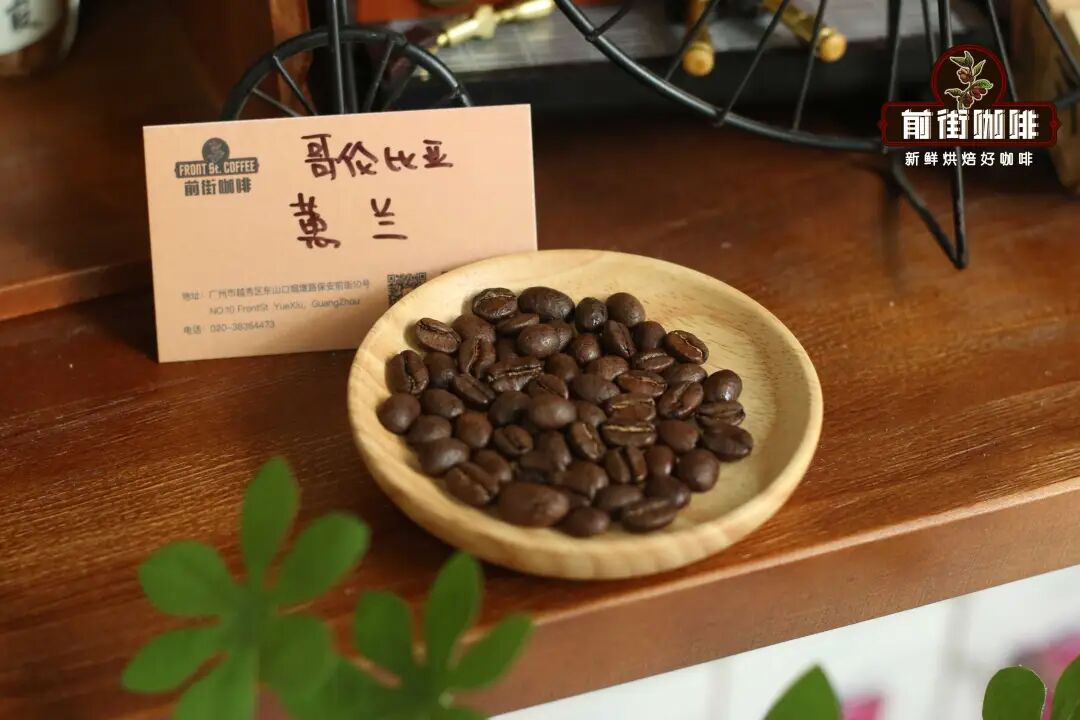
Front Street Coffee: Colombia · Washed Huila Coffee Beans
Country: Colombia
Region: Huila
Altitude: 1,500-1,800 meters
Processing Method: Washed
Variety: Caturra
It should be explained here that you will find most of Front Street's everyday beans use the washed processing method. Front Street believes that among the many processing methods, washed coffee beans best showcase the local terroir. And when using Front Street's normal brewing method to brew this coffee bean, we will find that thisCharacteristics and taste of Colombian coffee beansare balance, with very obvious sweetness. From the first sip there is a very rich chocolate mouthfeel, along with caramel and nutty flavors, and at lower temperatures a faint fruit acidity appears. You should know that this everyday bean is roasted darker than coffee beans from other regions of Colombia.
Sohow do you drink Colombian coffee? Here Front Street gives everyone a method that will not go wrong even when brewed at home:
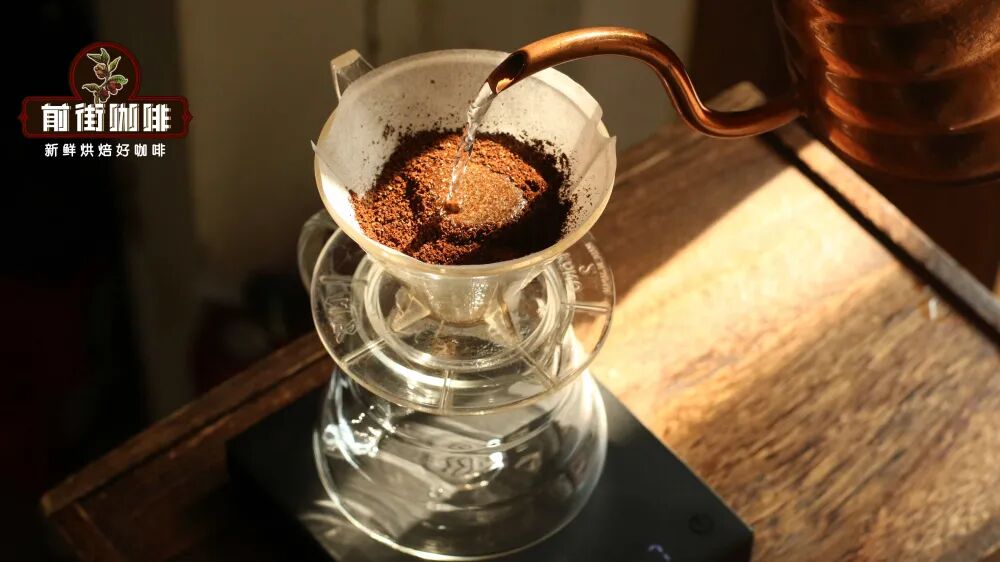
Front Street brewing parameters:
KONO dripper
Water temperature 88°C
Water-to-coffee ratio 1:15
Coffee dose 15g
Grind size: medium granulated sugar coarseness (70% passing through China standard No. 20 sieve)
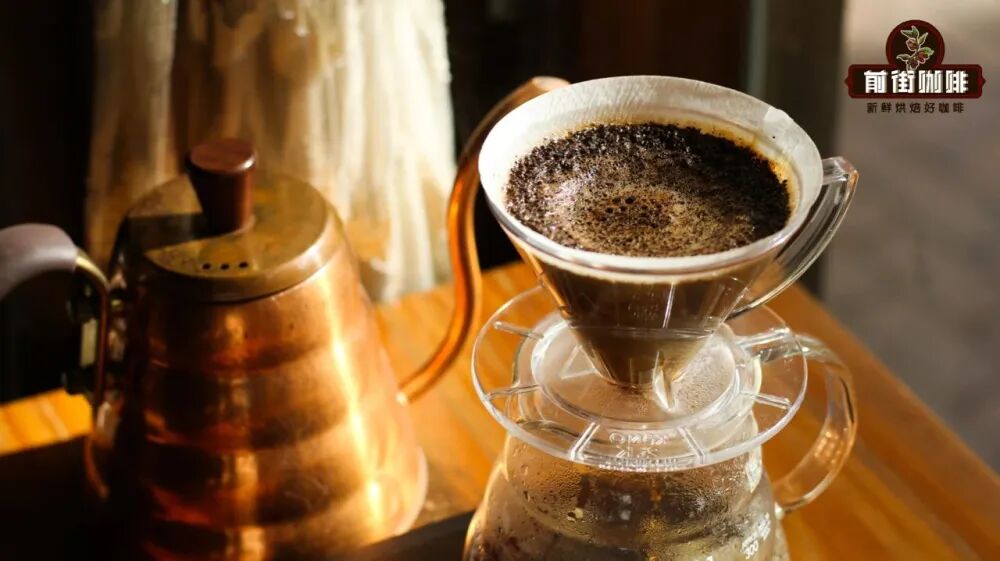
Front Street brewing method: Use 30 grams of water for a 30-second bloom, then pour in a small stream in circles until 125 grams for a staged pour. When the water level drops and is about to expose the coffee bed, continue pouring until 225 grams and stop. When the water level drops and is about to expose the coffee bed, remove the dripper. (Start timing at the beginning of the bloom.) The extraction time is 2'00". But that does not mean the brewing method given by Front Street is the best. The above parameters are only given for standardized output. However, when doing it at home, everyone can practice more and try out the brewing plan that suits them best.
The above content is compiled by CoffeeHunters, a coffee news website.

