







Search Results for: Jember Variety
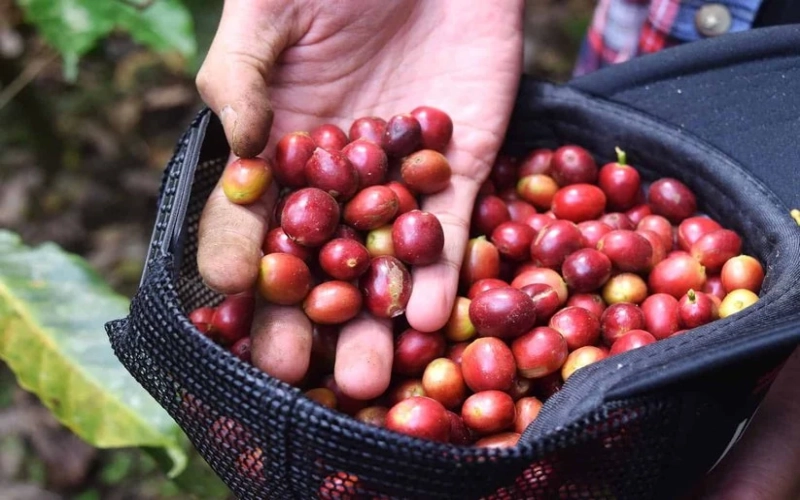
Flavor analysis of Indonesian West Java coffee beans: The honey processing method and cultivation history of the Jember variety
When it comes to Indonesian specialty coffee, most people first think of Sumatra. Yet coffee from West Java presents a completely different character—no heavy herbal and spicy notes, but instead a warm, gentle tropical fruit sweetness and acidity. This West Java bean, now available at Front Street Coffee, comes from the Arumanis Estate on Mount Malabar, and the variety is S795, known locally as Jember, processed using the honey method. This article will walk you through the terroir of the Java growing region, the winding history of coffee cultivation, the role of the ICCRI research institute, as well as the cupping performance of this bean and Front Street's brewing recommendations. [more…]
Indonesian Java Island Coffee Region and History: An Analysis of West Java Honey-Processed Java Flavor
When people mention Indonesian coffee, most first think of Sumatra, yet it is Java that is the starting point of this country's coffee history. This article will outline Java's growing regions and cultivation history, from its introduction during the Dutch colonial period and the impact of leaf rust, to the breeding and promotion of the S795 (Jember) variety, and will focus on the West Java Mount Tigula honey-processed beans offered by Front Street Coffee—which break away from the herbal and spicy notes commonly associated with Indonesian coffee, presenting instead the bright sweet-tartness of tropical fruit and a red-wine-like finish. Brewing parameters are included at the end for coffee lovers' reference. [more…]
The Past and Present of Indonesian West Java Coffee Beans: Variety Tracing, Planting History, and Honey Processing Flavor Analysis
When it comes to Indonesian specialty coffee, most people first think of Sumatra's Mandheling. Yet in West Java, there is another coffee bean with a completely different style—it lacks herbal and spice notes, instead presenting a soft tropical fruit acidity. This article will guide you through the geography and climate of the West Java producing region, the cultivation history of Java coffee from the Dutch colonial period to the ICCRI research institute, the classification of major Arabica varieties, and the details of the S795 (Jember) variety and honey processing method. This honey-processed bean from the Arimani Estate, offered by Front Street Coffee, perfectly showcases the delicate aroma, soft acidity, and refined mouthfeel characteristic of the Java producing region. Brewing parameters and flavor descriptions are included at the end for coffee enthusiasts' reference. [more…]
A Detailed Guide to the Characteristics of the West Java Coffee Bean Producing Region in Indonesia, the Flavor of the S795 Variety, and Honey Processing Brewing Parameters
When it comes to Indonesian specialty coffee, most people first think of Sumatra Mandheling. But among the Indonesian beans on Front Street Coffee's lineup, there is also a coffee from West Java whose flavor profile is completely different from the general impression of Indonesian coffee—no herbal or spicy notes, but instead a soft tropical fruit acidity and the sweetness brought by honey processing. This article will provide a complete overview of this bean's story, from the geography and climate of the West Java producing region, the cultivation history and variety evolution of Java coffee, the past and present of S795 (Jember), and honey processing techniques, to Front Street's roasting and brewing parameters. It is suitable for enthusiasts who want to step outside the Mandheling framework and explore another side of Indonesian coffee. [more…]
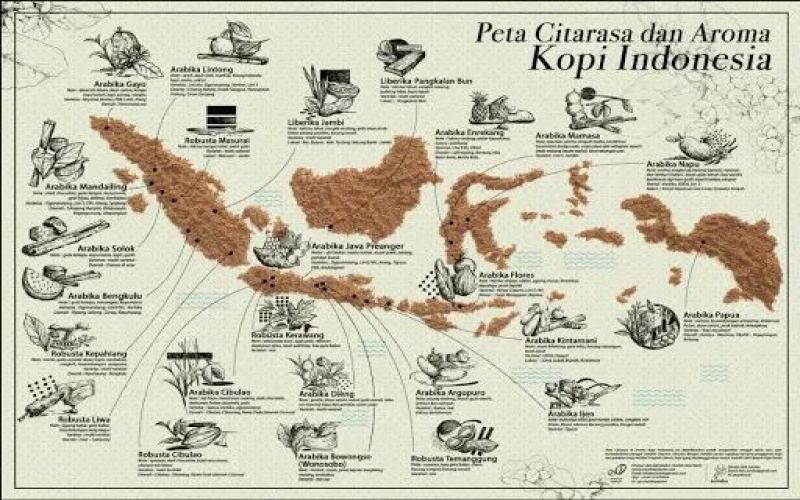
A Complete Analysis of Indonesian Coffee Varieties: Flavor Characteristics and Regional Distribution of Typica, Robusta, Catimor, and More
Indonesia is an important coffee-producing region globally, but its complex cultivation history and mixed varieties often confuse coffee enthusiasts. This article systematically sorts out Indonesia's main coffee varieties, including the long-established Typica, the highly disease-resistant Robusta, as well as localized Catimor and Jember, and provides detailed introductions to the flavor characteristics and main producing regions of each variety. At the same time, the article also retains related product recommendations from Front Street Coffee, such as Lintong Mandheling, Golden Mandheling, and West Java Arimani Estate beans, helping readers gain a more comprehensive understanding of the diversity of Indonesian coffee. [more…]

Indonesian West Java Arumanis Coffee Beans: S795 Variety, Natural Honey Processing, and Tropical Fruit Flavor Analysis
Indonesian coffee has long been known for the rich, herbal, spicy flavor of Mandheling, but this West Java Amani coffee bean offered by Front Street Coffee breaks that stereotype. It comes from the Teguram Mountain region of West Java at an altitude of 1,400 to 1,600 meters, is of the S795 Jember variety, and is processed using the sun-dried honey method, presenting a soft tropical fruit acidity and complex sweetness. As a devoted lover of Indonesian coffee, Front Street Coffee, in addition to five Sumatran Mandhelings, specially introduced this bean with a completely different flavor profile. This article will comprehensively analyze its producing region background, variety origins, processing method, roasting curve, cupping performance, and brewing parameters, to introduce you to this Indonesian specialty coffee with prominent sweetness and a red wine character. [more…]
Flavor Analysis of Indonesian West Java Lamaní Coffee Beans: Honey-Processed S795 Variety Pour-Over Performance
Indonesian coffee has long been known for the rich, herbal flavors of Sumatra Mandheling, but the Mount Tilu growing region in West Java presents a completely different character. This West Java Amani coffee bean offered by Front Street Coffee is of the S795 Jember variety, sun-dried honey processed, and grown at an altitude of 1,400 to 1,600 meters. It lacks the spice and herbal notes of traditional Indonesian coffee, replaced instead by a soft tropical fruit sweetness and acidity, with a mango and jackfruit-like sweetness interwoven with a subtle red wine nuance. This article will present the unique personality of this bean in full, from Front Street Coffee's green bean information, growing region terroir, variety origins, processing method, and roasting curve to cupping and brewing parameters. [more…]

A Full Analysis of Indonesian Sumatra Mandheling Coffee Bean Varieties and Flavor Characteristics: Is Golden Mandheling Good?
Mandheling is widely recognized as one of the world's most full-bodied coffees, with a distinctive earthy and herbal aroma. At Front Street Coffee shops, many veteran coffee drinkers order a cup of Yellow Mandheling as soon as they walk in—its nutty and chocolate notes are solid and rich, with moderate acidity and abundant sweetness. Why can Mandheling present such a full-bodied mouthfeel? This traces back to the history of variety evolution in its Indonesian place of origin. From the Dutch bringing Typica to Java in the 17th century, to the introduction of disease-resistant varieties such as Tim Tim and Catimor after leaf rust, Indonesia has become a melting pot of coffee varieties. This article sorts out the main varieties of Sumatra Typica, Tim Tim, Catimor, Jember, and others, explains the origin of the name Mandheling, and introduces the roasting and brewing insights of Front Street Coffee Golden Mandheling. [more…]
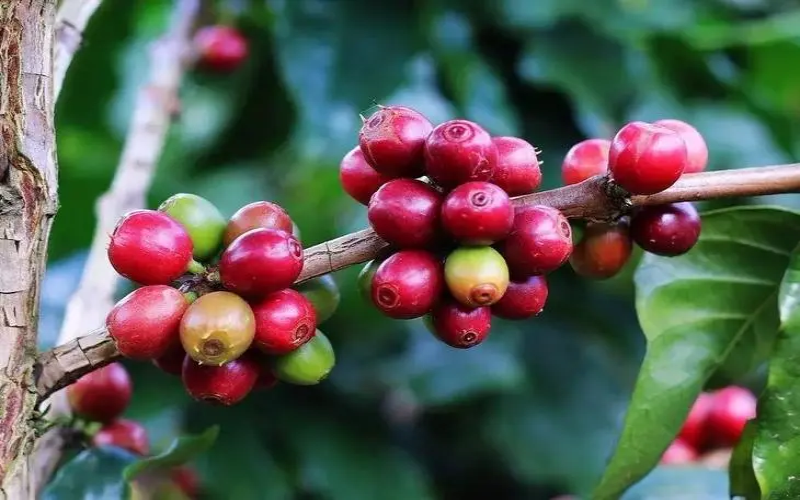
Overview of Common Varieties in Indonesian Coffee Regions: From S795 to a Analysis of Distinctive Flavors
Indonesian coffee is known for its unique flavors and growing conditions, and its common variety composition also differs from other producing regions. This article focuses on the coffee varieties widely planted in Indonesia, with emphasis on the origin, cultivation advantages, hybridization background, and flavor characteristics of S795 (locally called Jember), and also mentions major producing regions such as Bali and Sulawesi. By sorting through this background information, it helps coffee lovers understand the varietal logic of Indonesian coffee, while also retaining related recommendations and product information from the Front Street brand. [more…]

A Complete Analysis of Indonesian Coffee Regions and Varieties: An Introduction to Sumatra Mandheling and the Wet-Hulling Process
As an important coffee-producing country in Asia, Indonesia is known for its herbal, dark chocolate, and cedar flavors, and produces Mandheling coffee, which is familiar to coffee lovers around the world. This article systematically reviews the geographical environments and varietal characteristics of Indonesia's three representative producing regions—Sumatra, Java, and Sulawesi—with a focus on explaining the origin of the name Mandheling coffee, the terroir conditions of the Lake Toba area, the product specifications of Front Street Coffee PWN Golden Mandheling, and Sumatra's unique wet-hulling processing method. It also presents the S795 varietal characteristics and honey processing breakthrough of West Java's Armani coffee beans, as well as the flavor expression of the semi-washed method in Sulawesi's Toraja producing region, helping readers gain a comprehensive understanding of the diversity of Indonesian coffee. [more…]
Indonesian Coffee Bean Brand Recommendation Guide: Mandheling Flavor Characteristics, Origin Stories, and Wet-Hulling Process Explained
Indonesia is a major coffee-producing country in Asia, known for its mellow, bittersweet profile with herbal and dark chocolate notes. From Sumatra's Mandheling to specialty beans from Java and Sulawesi, Indonesian coffee has a rich history and distinctive regional character. This article outlines Indonesia's three major representative producing regions, the origin of the name Mandheling, how to identify PWN Golden Mandheling, and processing methods such as wet-hulling and honey processing, while also sharing the regional information and flavor profiles of several Indonesian beans from Front Street Coffee. Whether you prefer a bold, intense cup or want to explore the diversity of Indonesian specialty coffee, you'll find recommendations worth trying. [more…]
Indonesian Coffee Bean Buying Guide: Mandheling, West Java, and Sulawesi Specialty Recommendations and Front Street Brand Analysis
Indonesian coffee is known for its rich, mellow bitterness and is a representative of Asia's coffee-producing countries. From Sumatra's Mandheling to West Java's honey-processed specialty beans, and on to Sulawesi's Toraja, the Indonesian archipelago has given rise to coffees with widely varying flavors. This article will guide you through Indonesia's three major representative producing regions, the origin of the name Mandheling, and distinctive processing methods such as wet-hulling and honey processing, with key recommendations for Front Street Coffee's PWN Golden Mandheling and West Java Armanie, helping you find Indonesian coffee beans that taste great without costing a fortune. [more…]
A Complete Analysis of Indonesian Coffee Regions: Characteristics of Mandheling and Other Varieties, and a Detailed Explanation of the Wet-Hulling Process
Indonesia, as a major coffee-producing country in Asia, centers on its three main islands—Sumatra, Java, and Sulawesi—and has given rise to representative coffees such as Mandheling, Java, and Sulawesi. Among these, Mandheling is known for its rich bittersweetness and herbal and dark chocolate flavors, making it a favorite among lovers of bold taste. Indonesia's coffee history can be traced back to the 17th-century Dutch colonial period. Today, Robusta dominates, but specialty Arabica still shines brightly. Front Street Coffee has long recommended PWN Golden Mandheling, which uses the unique wet-hulling process to achieve its distinctive flavor. This article will systematically outline Indonesia's main producing regions, variety characteristics, processing methods, and Front Street's selected products, taking you deeper into the diverse charm of Indonesian coffee. [more…]
Indian Monsooned Malabar Coffee Bean Flavor Analysis: A Complete Guide to Monsoon Processing and Pour-Over Parameters
Indian coffee has gained fame in the specialty coffee world not through traditional fruity acidity and floral notes, but by taking a unique path with its distinctive "cured" flavor, among which Monsooned Malabar is particularly well known. This coffee originated during the age of sailing ship transport in the 17th and 18th centuries, when green beans absorbed sea moisture and salt in the lower holds of ships, unexpectedly transforming into a special flavor profile that was yellowish-brown and almost completely lacking in acidity. After the opening of the Suez Canal shortened the voyage, Indian exporters, in order to recreate the old flavor, used the salty, humid monsoon winds along the Malabar Coast from May to September and processed the beans for several months in monsoon warehouses, causing the green beans to swell and change color while developing a rich nutty, grainy tone and an aroma and mouthfeel reminiscent of genmaicha. During cupping, Front Street Coffee found that this bean carried caramel, raisin, and herbal notes along with a berry finish. This article will provide a complete analysis of its producing region background, processing method, cultivated varieties, roasting curve, and brewing parameters, offering coffee lovers a detailed reference guide. [more…]
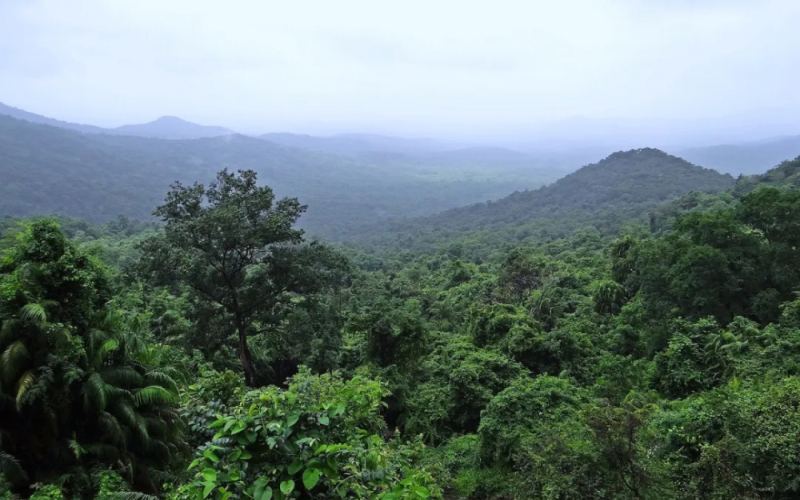
What Is Indian Monsooned Coffee (Monsooned Malabar)? A Full Analysis of Its Region, Varieties, Processing Method, and Brewing Flavor
When it comes to Asian coffee, most people first think of Indonesian Mandheling, but India also has a bean full of mystery—monsooned coffee, also called monsoon coffee or Malabar coffee. Its flavor does not come from artificial fermentation or sun-drying; instead, it relies on the hot, humid southwest monsoon winds of the Indian Ocean to make green beans swell and change color over weeks to months, reducing acidity and developing a unique profile reminiscent of nuts, grains, and genmaicha. Front Street Coffee will guide you through its origins, the Malabar region, its ports, the monsooning process, the characteristics of varieties such as Kents/S795/Catimor, and include roasting curves plus brewing comparisons using siphon, AeroPress, French press, and Kalita dripper, so you can understand this Indian curiosity—a bean that “depends on the heavens”—in one article. [more…]
An Analysis of Indian Coffee Flavor Characteristics: A Comprehensive Overview of Five Major Varieties and the Monsoon Processing Method
India, as the first country in Asia to cultivate coffee, has a coffee industry with a unique historical trajectory and flavor profile. From Baba Budan bringing seven coffee seeds back to his homeland in the 17th century to India now being the world's fifth-largest coffee producer, Indian coffee has always been known for its full body and herbal notes. This article will guide you through India's coffee-growing environment and the distribution of its main producing regions, provide a detailed analysis of the characteristics of five major varieties—Kent, S795, S274, Sln C×R, and Catimor—and take an in-depth look at the renowned Monsooned Malabar, the golden, acid-free coffee that was accidentally born from maritime trade, as well as Front Street Coffee's professional recommendations for roasting and brewing it. [more…]
The Origin of Indonesian Aged Mandheling and an Analysis of Its Differences from Indian Monsooned Beans
Indonesian aged Mandheling and Indian monsoon Malabar both belong to the category of coffees that acquire a unique flavor unexpectedly due to changes in time and transportation conditions, but their processing logic and final presentation are entirely different. Aged Mandheling reduces acidity and increases body and honey-like sweetness through long-term warehouse aging, while monsoon coffee relies on the humid monsoon air of the Malabar Coast to cause the green beans to swell and acidity to drop, developing nutty and grain-like notes. Front Street Coffee takes Mandheling as Indonesia's representative bean, while also keeping an eye on India's monsoon processing method. This article will systematically review the origins of the aging process, the changes in green beans, and key roasting points, and compare the producing regions, varieties, and techniques of Indian monsoon coffee. [more…]
Indonesian West Java Arimani Honey Process Coffee Flavor Analysis and Pour-Over Parameter Guide
The honey-processed Armani coffee produced in West Java, Indonesia, breaks the stereotype of Indonesian coffee as heavy, bittersweet, and earthy with its distinctive tropical fruit aromas and a clean, sweet finish. This bean comes from the Mount Tilu growing region at an altitude of 1,400 to 1,600 meters, and the honey process preserves the sweet flavors of ripe fruit. This article will guide you through a comprehensive understanding of this elegant offering, which scores as high as 92 points in cupping, covering the principles of the honey process, the terroir of the West Java region, the flavor performance of the Armani bean variety, and the pour-over extraction parameters recommended by Front Street Coffee. [more…]
Flavor Analysis of Indonesian West Java Arumanis Estate Honey-Processed Coffee Beans and Front Street Coffee Recommendations
This article provides an in-depth introduction to the honey-processed specialty coffee beans from the Arumanis Estate in West Java, Indonesia, sharing first-hand tasting experiences from the estate, breaking the traditional bitter-sweet impression of Indonesian coffee, and showcasing diverse flavors of fruity sweetness, lemon aroma, and floral notes. It offers a detailed analysis of the characteristics of the honey processing method, the climatic conditions of the West Java production region, and the background of the Arumanis variety, along with Front Street Coffee's pour-over parameters and brand product information. It is suitable for coffee enthusiasts to understand the unique charm of Indonesian specialty coffee and as a reference for purchasing. [more…]

Is Indonesian Mandheling an Arabica? An Analysis of the Differences Between Mandheling Coffee Beans and Arabica and Their Flavor Characteristics
Mandheling coffee is known for its full-bodied mouthfeel and herbal, dark chocolate flavors, but many people new to specialty coffee mistake it for Robusta because of its intense taste. In fact, Mandheling is an Arabica coffee from northern Sumatra, and its name comes from the local Mandailing people. Front Street Coffee currently offers several products, including Lintong, Aged, Golden, Wahana natural, and Tiger Mandheling, most of which are Typica variety, while Golden Mandheling has switched to the local Indonesian Catimor variety known as ateng. This article will sort out Mandheling's bean variety classification, its relationship with Arabica, regional differences, its unique wet-hulling processing method, and include Front Street Coffee's brewing suggestions and Golden Mandheling flavor description to help readers fully understand this Indonesian coffee. [more…]