








Is Mandheling an Arabica Coffee or Something Else?
Mandheling is an Arabica coffee, not a Robusta. The name is a trade term for Arabica grown in northern Sumatra, and it comes from the Mandailing people of the Tapanuli region. Its heavy body and herbal, dark chocolate notes lead some new specialty drinkers to mistake it for Robusta, but the bean itself sits firmly in the Arabica species.
Mandheling lots from Front Street Coffee include Lintong, Aged, Golden, Wahana Natural, and Tiger. Most are Typica, a branch of Arabica, while Golden Mandheling uses the local Indonesian Catimor type known as ateng. Regional differences and the wet-hulling process shape the cup, with Typica lots showing the classic herbal and dark chocolate profile.
Mandheling coffee is known for its full body and herbal, dark chocolate flavors, but many people new to specialty coffee mistakenly assume it is a Robusta due to its intense flavor. In fact, Mandheling is an Arabica coffee from northern Sumatra, and its name derives from the local Mandailing people. Front Street Coffee currently offers several products including Lintong, Aged, Golden, Wahana Natural, and Tiger Mandheling, most of which are Typica variety, while Golden Mandheling has switched to the local Indonesian Catimor variety known as ateng. This article will cover Mandheling's bean variety classification, its relationship to Arabica, regional differences, the unique wet-hulling process, and will include Front Street Coffee's brewing recommendations and Golden Mandheling flavor description to help readers fully understand this Indonesian coffee.
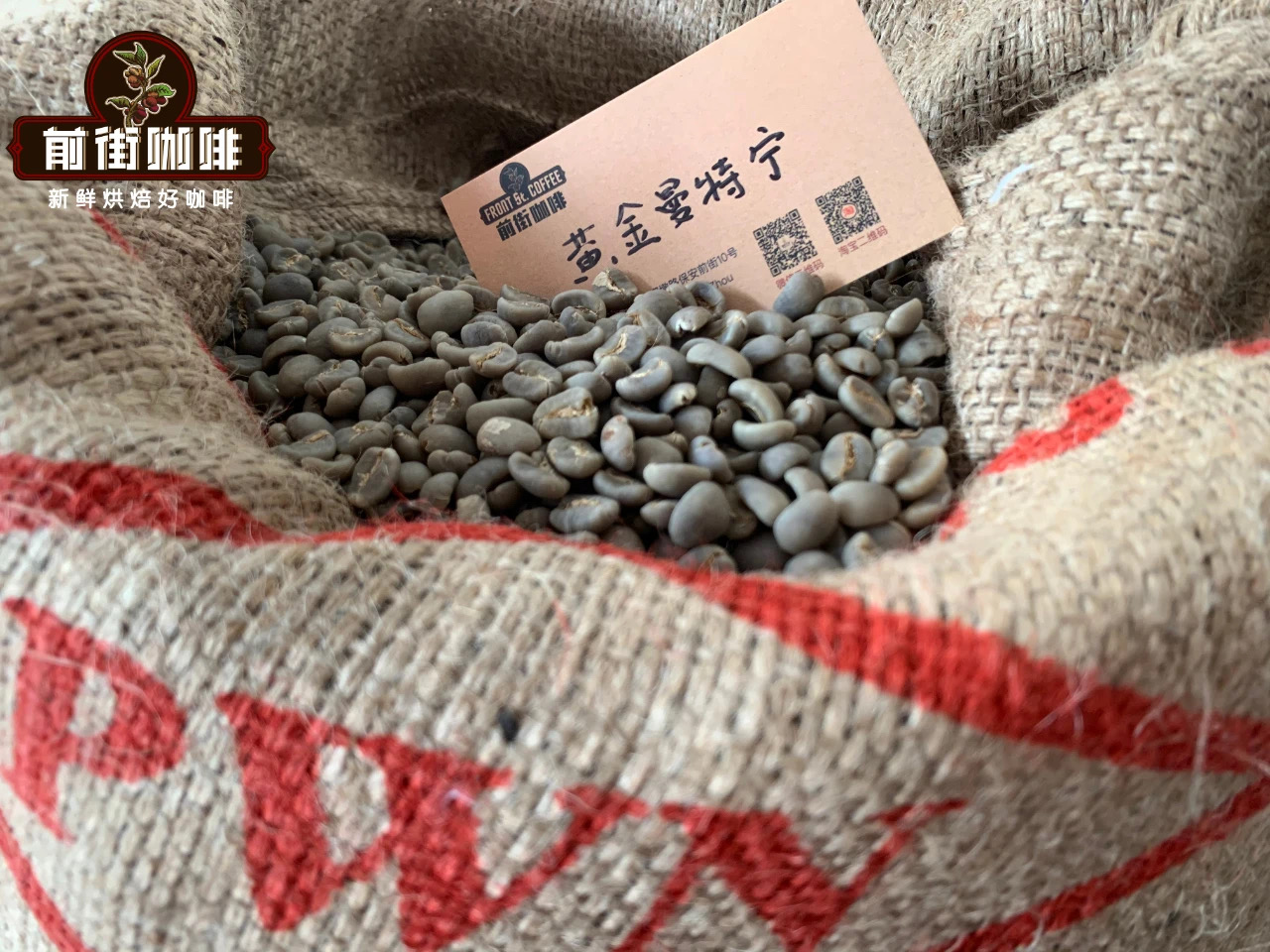
Most regular coffee drinkers know that Mandheling coffee has a full body and often carries herbal and dark chocolate notes. Those who love it never tire of it and order it every time; those who can't accept it dismiss it entirely, even describing it as tasting like "dishwater." Many friends just entering the world of specialty coffee get confused by Mandheling's powerful flavors and mistake it for Robusta. When this happens, the baristas at Front Street Coffee always patiently explain. To figure out whether Indonesian Mandheling belongs to Arabica, we first need to start with Mandheling's bean variety.
Mandheling is actually a trade name, specifically referring to Arabica coffee from northern Sumatra. The name comes from the Mandailing people, an ethnic group in the Tapanuli region of Sumatra who cultivated coffee. As for why coffee was named after an ethnic group, Front Street has already discussed this in previous articles about Mandheling, and interested readers can click Mandheling Coffee to jump directly to it. Front Street Coffee currently offers five Mandheling varieties: Lintong Mandheling, Aged Mandheling, Golden Mandheling, Wahana Estate Natural Mandheling, and Tiger Mandheling. Except for Golden Mandheling, all other Front Street Mandheling varieties use the Typica variety. Those with some knowledge of specialty coffee should know that Typica is a branch of Arabica coffee.
From a scientific classification perspective, coffee belongs to the plant kingdom, Gentianales order, Rubiaceae family, Ixoroideae subfamily, Coffeeae tribe, and Coffea genus. Currently, the two main coffee species commercially cultivated worldwide are Arabica and Robusta. Arabica is the most highly regarded coffee bean species, accounting for approximately three-quarters of all coffee grown worldwide. It originated in the southwestern highlands of Ethiopia, the Boma Plateau of southern Sudan, and the Masabit Mountains of northern Kenya. Compared to Robusta, Arabica has more complex flavor layers and more prominent aromatics. Robusta tends to be more bitter with a simpler taste. However, Robusta has high oil content and strong disease resistance, so it is widely used in commercial coffee and instant coffee. Many cafes add Robusta to their blends to achieve a fuller body, bringing a richer taste and a more "photogenic" crema. To meet this demand, Front Street Coffee's commercial blend also includes 10% Robusta coffee beans.
Back to Mandheling coffee. As mentioned earlier, except for Golden Mandheling, all other Mandheling varieties are Typica coffee beans, belonging to the Arabica category. So what about Golden Mandheling? Observant friends may have noticed that Front Street Coffee's 2020 new-crop Golden Mandheling has switched from the original Typica variety to ateng (the local Indonesian name for the Catimor variety). Catimor was successfully bred in Portugal in 1959 as a cross between Timor Hybrid and Caturra, featuring high yield and strong disease resistance. Catimor trees are smaller, can be planted at higher density, and the fruit ripens faster, resulting in higher productivity.
From the above introduction, we can conclude that Mandheling coffee belongs to Arabica. So how does it differ from Arabica coffee beans from other origins? Front Street Coffee believes that coffee flavor largely depends on the growing environment, and different regions present different flavors. Front Street Coffee's bean list covers coffees from various countries: broadly speaking, African coffees often have distinct floral and fruity acidity; South American (Brazilian) coffees have lower acidity and mostly present nutty and chocolate flavors.
Mandheling coffee comes from the Indonesian island of Sumatra. Famous coffee-producing regions in Sumatra include the GAYO highlands (the Aceh region), Lintong, and Sidikalang. Lintong Mandheling comes from beside LAKE TOBA, a famous tourist area in Sumatra, at an altitude of 1,400-1,800 meters, with tree varieties including Jember, Garundang Typica, and Ateng. In recent years, Mandheling from the Lintong region has also begun to be subdivided, with some Mandheling varieties named after place names appearing on the market (such as Sidikalang, abbreviated as SDK Mandheling). The meaning of the Lintong region has also gradually narrowed to the vicinity of Lintongnihuta. And Lintong Mandheling often represents Mandheling coffee as a whole.
Golden Mandheling is mainly produced in Sidikalang, Sumatra, adjacent to Lake Toba, at an altitude of 1,500 to 2,000 meters. However, it is worth noting that Front Street's PWN Golden Mandheling coffee from the 2020 new crop comes from the GAYO highland production area near Lake Tawar in Aceh Province. Mandheling coffee is known for its low acidity and rich, complex flavors. Beyond regional factors, Mandheling's unique wet-hulling process is also one of the reasons behind its flavor profile.
Mandheling Coffee's Processing Method
Specific steps of the wet-hulling process:
1. Remove the skin and pulp, keeping the parchment and mucilage
2. Ferment in a water tank
3. Wash off the mucilage
4. Sun-dry with parchment for 2-3 days, to a moisture content of 20-24%
5. Remove the parchment
6. Dry the green beans to a moisture content of 12-13%
7. Ready for export
Wet hulling is a coffee processing method unique to Indonesia (locally called giling basah), most commonly used on the islands of Sulawesi and Sumatra. Although it sounds similar to the most common wet process, wet hulling is actually quite different. Wet hulling as a processing method has two driving factors: moisture and money.
Due to Indonesia's humid climate, coffee is difficult to dry, and using traditional processing methods would take a great deal of time, meaning a longer cycle to bring coffee to market. Therefore, local coffee farmers remove the skin, ferment the beans overnight, keep the parchment, and sell to local green bean traders when the coffee reaches about 50% moisture content. The traders then use wet hulling machines to remove the parchment, thereby speeding up the coffee processing time.
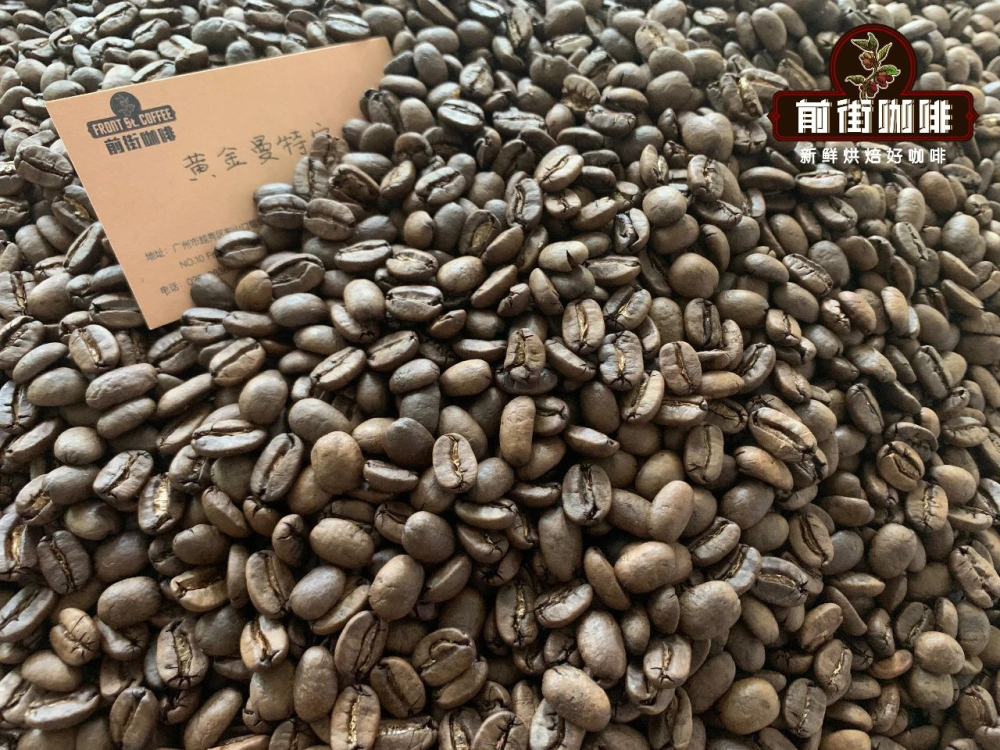
This processing method gives the coffee a unique earthy, herbal flavor tendency. Although with the advancement of the coffee market and Indonesia's economic development, other processing methods can also be used, Front Street believes that it is precisely this processing method that makes Indonesian coffee's flavor uniquely prominent and successfully brought it to the world stage, making it a processing method worth preserving. So what exactly does wet-hulled coffee taste like? Front Street Coffee takes the store's Golden Mandheling as an example, using standard brewing techniques.
Front Street Brewing Recommendations
Front Street recommends using freshly roasted coffee beans for brewing, as this allows you to experience the coffee's rich flavors to the fullest. Front Street Coffee ships coffee beans within 5 days of roasting, because Front Street deeply understands that freshness has a huge impact on flavor. Front Street's roasting philosophy is "Freshly roasted good coffee," ensuring every customer receives the freshest coffee when their order arrives. Coffee's resting period is about 4-7 days, so when customers receive it, it's at its optimal flavor.
Dripper: KONO
Dose: 15 grams
Coffee-to-water ratio: 1:15
Water temperature: 86-87°C
Grind size: medium-coarse (70% passing through a standard No. 20 sieve)
Front Street Coffee Brewing Method
For the first pour, use 30 grams of water for a 30-second bloom. For the second pour, use a slow circular pour until reaching 125 grams, then pause. When the water level is about to expose the coffee bed, continue with the third pour until reaching 225 grams, then stop. When the water level is about to expose the coffee bed again, remove the dripper. (Timing starts from the beginning of the bloom.) Total extraction time: 2'00".
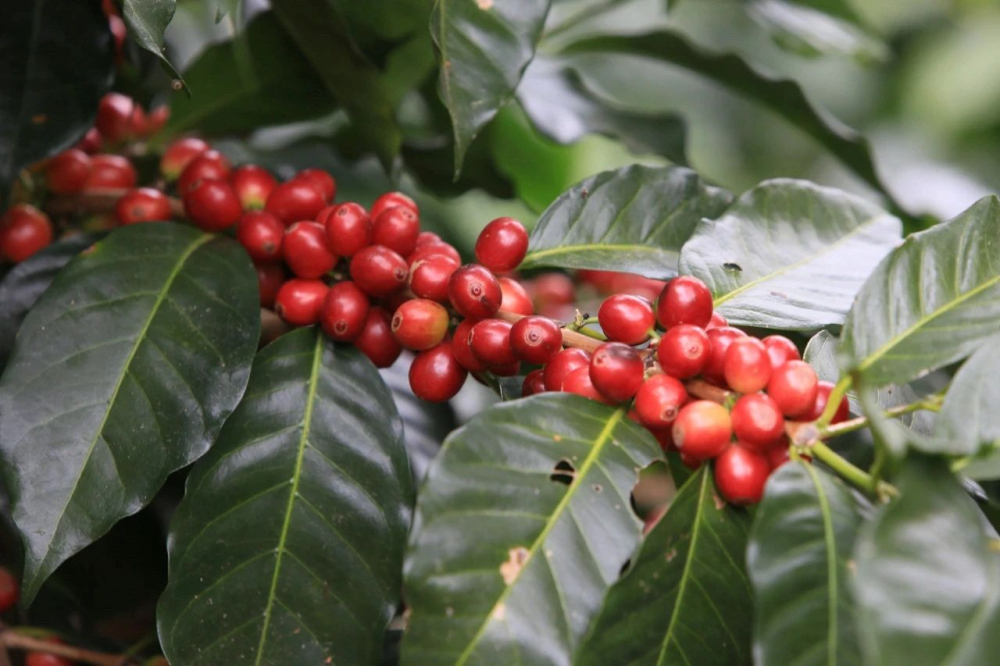
Golden Mandheling Flavor Description: Complex layers, clean, balanced, with a lingering caramel sweetness in the finish
Professional coffee knowledge exchange. For more coffee bean information, please follow Coffee Workshop (WeChat public account: cafe_style)
For more specialty coffee beans, please add the private WeChat of Front Street Coffee: kaixinguoguo0925
The above content is compiled by CoffeeHunters, a coffee news website.


