







Search Results for: Japan UCC
Which estate does UCC Jamaican Blue Mountain coffee come from? The legend of Ueshima Tadao's directly operated farm and a flavor analysis
The connection between Japanese coffee giant UCC and Jamaican Blue Mountain coffee can be traced back to a fixation held by Tadao Ueshima in the early 1980s—to give Japanese people a stable supply of authentic Blue Mountain. To this end, UCC established a directly operated farm in the Blue Mountain region, starting from Clayton House, overcoming steep-slope cultivation, wildfires, hurricanes, and many other difficulties, and ultimately shipping high-quality Blue Mountain coffee back to Japan in batches. Which estate does UCC Blue Mountain coffee actually come from? How does it taste? This article sorts through this cross-border history of coffee cultivation and introduces Front Street Coffee's recommendations and understanding of related beans, helping you understand the story and flavor behind UCC Blue Mountain. [more…]
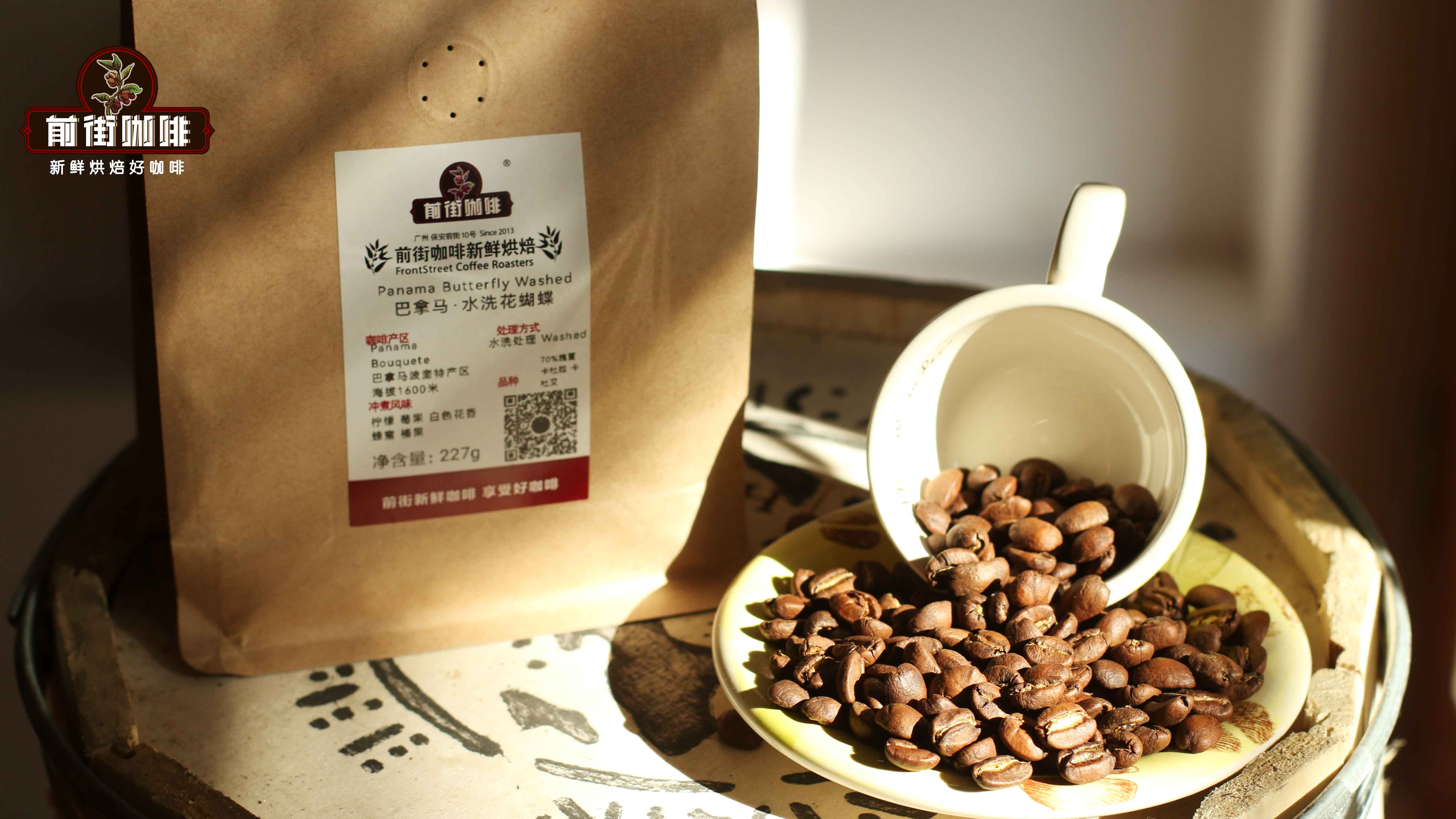
A Complete Guide to Buying Jamaican Blue Mountain Coffee: Market Trends, Channel Comparison, and Pitfall Avoidance
Blue Mountain coffee originates from Jamaica's Blue Mountain region at an elevation of 2,256 meters. Thanks to fertile volcanic soil, abundant rainfall, and suitable temperature and light conditions, it boasts outstanding quality. However, its annual output is less than 2,500 tons, and due to historical reasons, most of it is bought up by Japan's UCC, resulting in a long-term supply shortage. In earlier years, the lack of proper import channels in China led to a flood of counterfeits and widespread misunderstandings. Today, purchasing channels have diversified, including Front Street Blue Mountain No. 1, UCC buying agents, Taobao bulk offerings, authorized distributors, and green bean traders. This article reviews the latest market conditions and the pros and cons of each channel, and reminds you to watch out for issues such as confusion over Blue Mountain flavor profiles and chaotic pricing, helping you make rational choices when buying authentic Blue Mountain coffee. [more…]
A Complete Analysis of Jamaica Blue Mountain Coffee Regions: Three Major Regions, Grading System, and a Review of Blue Mountain No.1 Brands and Prices
Jamaican Blue Mountain coffee is one of the most prestigious coffees in the world, but do you really understand its production regions, grading rules, and brand landscape? This article starts with the three major regions of Saint Andrew, Portland, and Saint Thomas, sorts out the quality and price logic behind the BM, HM, and PM three-tier classification, and explains the traditional barrel packaging, the market role of Japan's UCC, and the brand characteristics and price rankings of Blue Mountain No. 1 coffee beans. The article also retains related recommendations from Front Street Coffee, making it suitable for enthusiasts who want to gain a deeper understanding of Blue Mountain coffee to read and save. [more…]
A Review of Six World-Renowned Coffee Bean Brands: Front Street Coffee and Representative Brands from Italy and Japan in Full Analysis
The world of coffee is rich and varied, and the roasting philosophies and flavor pursuits behind different brands are all distinct. This article will introduce you to six representative coffee bean brands from around the world: from Front Street Coffee, which offers more than 50 kinds of freshly roasted beans, covering classic origins such as Yirgacheffe and Mandheling, to Italy's national treasure brand illy, the sales leader Lavazza, Bristot, which has a long history and insists on roasting after receiving orders, Piazza Doro, with 250 years of heritage, and the Japanese specialty coffee group Ucc. From everyday drinking beans to a noble Blue Mountain experience, these brands interpret the charm of coffee in their own ways. [more…]
A Review of Eight Instant Coffee Brands: Nescafé Tops the List, with Each Brand's Features and Taste Explained One by One
The instant coffee market is crowded with brands, each with its own distinct character. This article reviews eight well-known instant coffee brands—from Nestlé, the inventor of instant coffee, to the popular Korean brand Maxwell, Germany's Cless, Japan's UCC, Colombia, Grant, Ming Coffee, and Hong Kong's Tsit Wing—introducing each brand's background, product features, and taste profile one by one. Nestlé sells 4,000 cups globally every second, Maxwell wins on value for money, UCC sticks to a quality-focused path, Grant specializes in Italian-style cappuccino, and Tsit Wing offers a low-calorie light series. Whether you're an office worker seeking a caffeine boost or a coffee enthusiast who cares about flavor, you'll find something useful in this roundup. [more…]
A Complete Guide to Japanese Canned Coffee Brands: Boss, Georgia, and Wonda Flavor Comparison and Buying Guide
Canned coffee is ubiquitous in Japan, but it is not common in other countries and regions. Therefore, when traveling to Japan, facing the diverse brands on shelves and in vending machines, it is natural to feel curious and even want to try them one by one. Since UCC Ueshima Coffee launched portable canned coffee in 1969, many major manufacturers have successively entered the market, with increasingly sophisticated packaging and flavors gradually shifting towards sugar-free and low-sugar options. This article will introduce the popular products of three brands: Boss, Georgia, and Wonda, and share a tip on how to heat canned coffee without a microwave in a hotel by using a water bath, helping coffee lovers better enjoy this convenient beverage during their travels. [more…]
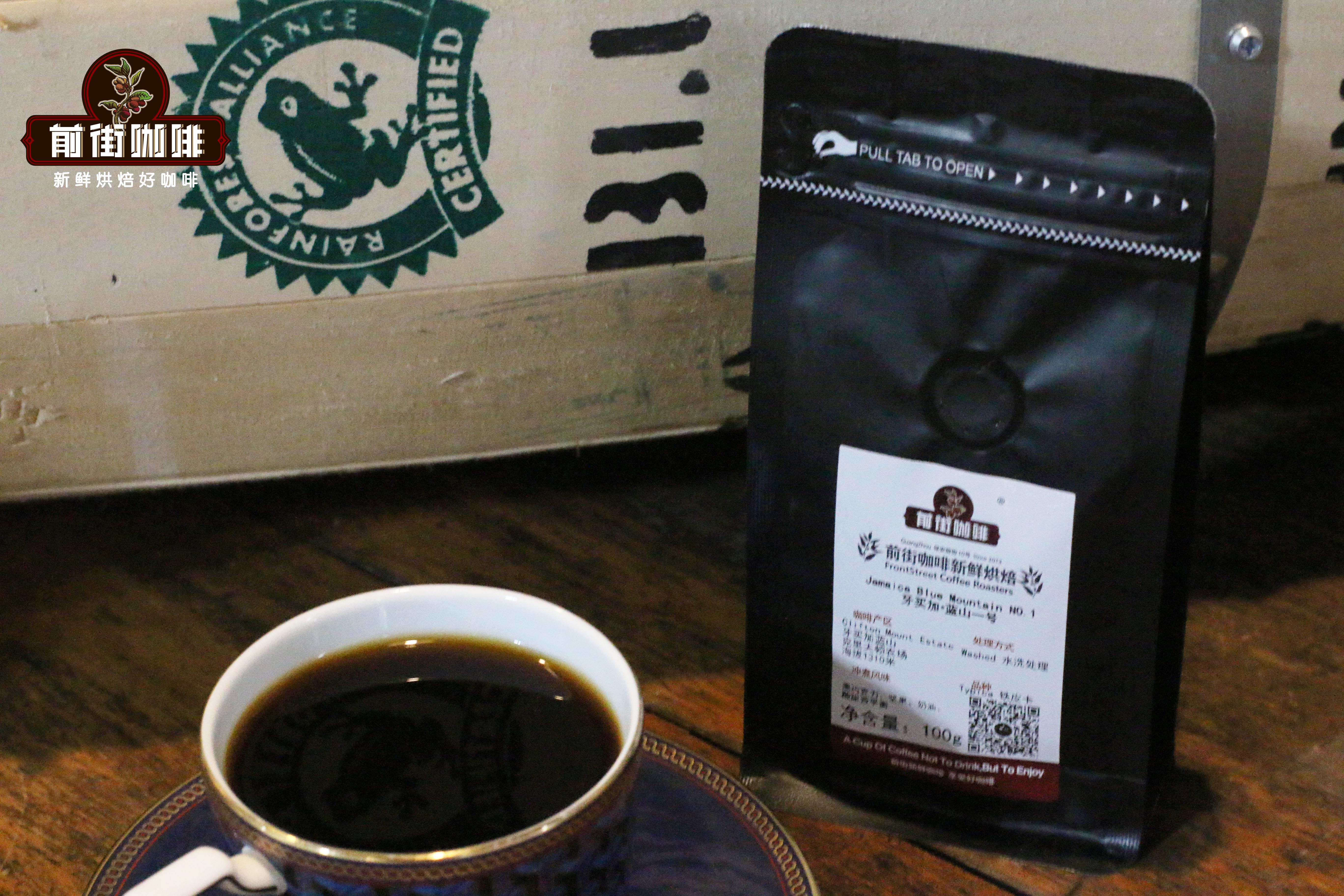
Why Has Jamaican Blue Mountain Coffee Long Been Dominated by Japan? Practical Methods to Identify Authentic Blue Mountain vs. Counterfeits
Blue Mountain coffee is internationally renowned and hailed as the epitome of luxury in the coffee world, yet the market is flooded with a large number of counterfeits sold under the Blue Mountain name. Authentic Jamaican Blue Mountain coffee comes from a specific area delimited by the Jamaica Coffee Industry Board (CIB), at an altitude of about 910 to 1,700 meters, with the variety restricted to Typica. Its annual output is less than 15% of Jamaica's total coffee production, about 900 tons. As early as 1981, the Japanese company UCC established a farm in Jamaica, and Jamaica promised to sell 90% of the Blue Mountain quota to Japan, which is also the origin of the claim that Blue Mountain is dominated by Japan. This article will guide you through the origin standards, grade classifications, and identification points of Blue Mountain coffee, as well as how to brew a cup of authentic Front Street Jamaican Blue Mountain No. 1 at home. [more…]
A Complete Guide to Authenticating Jamaican Blue Mountain Coffee, Its Grading System, and Brewing Flavor Analysis
Blue Mountain coffee is hailed as the pinnacle of coffee, yet the market is flooded with both genuine and counterfeit beans, leaving many enthusiasts confused. This article begins with the certification system of the Jamaica Coffee Industry Board (CIB) and systematically outlines the legal growing region, authorized purchasing channels, grading standards, and historical quota story of Blue Mountain coffee, while also introducing the characteristics of its Typica variety. The article also shares in detail the brewing parameters and flavor performance of Front Street Jamaican Blue Mountain coffee, including dry aroma, wet aroma, mouthfeel layers, and specific recommendations for different extraction methods such as pour-over, French press, and AeroPress, helping readers gain a comprehensive understanding of the identification points and tasting methods for this legendary coffee. [more…]
Why Is Jamaican Blue Mountain Coffee So Expensive? A Full Guide to Authentic Blue Mountain Bean Prices and Grade Identification
Jamaican Blue Mountain coffee is hailed as one of the world's top coffees, and behind its high price lie both the scarcity of natural conditions and the role played by historical trade monopolies. After the Japanese company UCC provided aid to Jamaica last century, ninety percent of Blue Mountain production was locked into supply for Japan, causing international market shortages. Only after the 2008 agreement expired did Blue Mountain coffee gradually flow to more countries, and Chinese consumers can now also directly import authentic Blue Mountain beans. However, the market is flooded with confusing products such as "Blue Mountain flavor" and "Blue Mountain blend." How can one tell authenticity? How many grades does Blue Mountain coffee have? And how should Front Street Blue Mountain No. 1 be brewed? This article will answer these questions one by one. [more…]
Drip Bag Coffee Buying Guide: How to Tell Good Brands from Bad, Plus Eight Front Street Specialty Flavor Recommendations
In the fast-paced modern life, if you want to enjoy a high-quality cup of black coffee anytime, drip bag coffee is undoubtedly an ideal solution. This invention, which originated from UCC Ueshima Coffee in Japan, now occupies 15% of the Japanese coffee market. However, although they are all called drip bag coffee, the quality varies greatly—specialty bean raw materials, breathable and non-toxic filter paper, and nitrogen-flushing preservation technology are all indispensable. This article will guide you through the historical origins and core characteristics of drip bag coffee, and focus on how the Front Street brand uses specialty estate beans and diverse roasting to create eight drip bag products with distinct terroir characteristics, from the brightly fruity Yirgacheffe to the rich and full-bodied Mandheling, meeting the needs of people with different taste preferences. [more…]
Jamaica Blue Mountain Coffee Pour-Over Flavor Analysis: Origin History, Varieties & Grades, and Brewing Recommendations
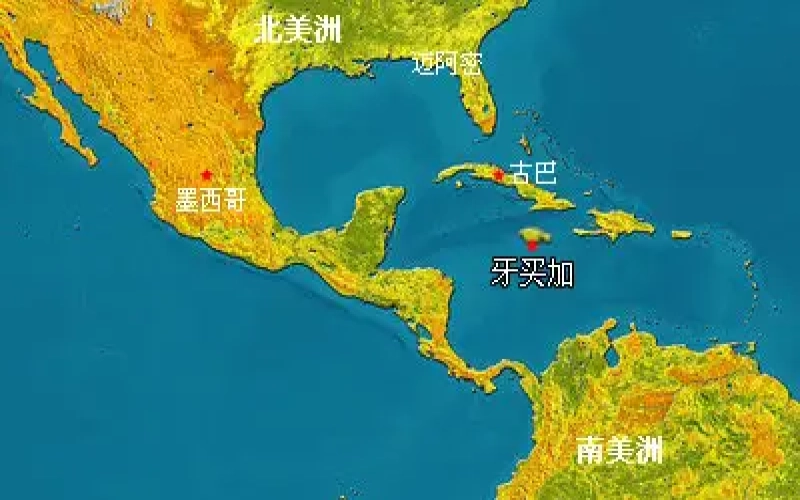
Jamaica Blue Mountain coffee is hailed as one of the finest coffees in the world, grown in the Blue Mountains in the eastern part of the Caribbean island of Jamaica. This article will guide you through the cultivation history of Blue Mountain coffee, the terroir of its origin, its strict grading system, as well as where to buy authentic Blue Mountain No. 1 coffee and pour-over brewing techniques. From its introduction in the eighteenth century to the aid agreement with Japan's UCC, and now to the increased quota in the Chinese market, the legendary story and unique flavor of Blue Mountain coffee are worth savoring by every coffee enthusiast. Front Street Coffee's house-roasted Blue Mountain No. 1 comes from Clifton Estate, using a medium-dark roast that presents classic notes of dark chocolate, nuts, and caramel. [more…]
A Detailed Guide to Jamaican Blue Mountain Coffee Bean Grading Standards: From Grade 1 to Grade 3 and a Complete Guide to Blue Mountain No. 1's Flavor and Taste
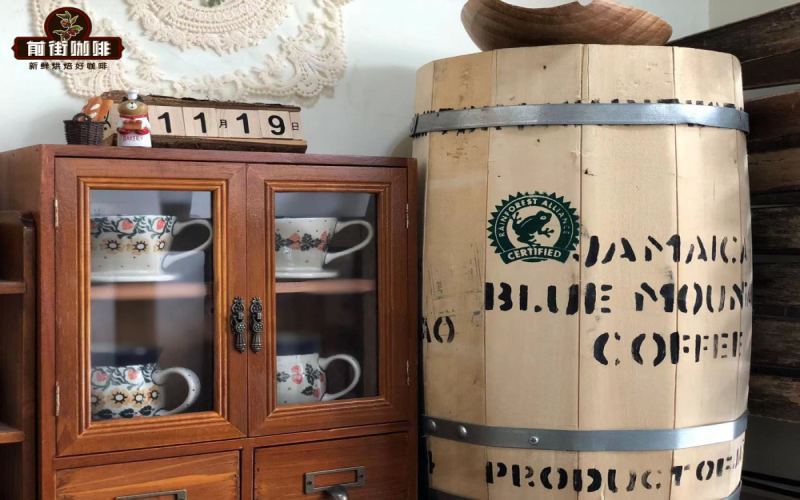
Blue Mountain coffee, as Jamaica's most iconic coffee category, is highly sought after for its balanced taste and scarce production. However, the market is flooded with a large number of "Blue Mountain flavor" products; genuine Jamaican Blue Mountain coffee requires government certification, has limited annual production, and is relatively expensive. This article will systematically introduce the three-tier grading standards for Blue Mountain coffee beans, trace the historical context from their introduction to Jamaica in 1728, Japanese UCC assistance and priority purchasing rights, to the opening of the international market in 2008, and highlight Front Street Jamaican Blue Mountain No. 1 coffee beans—from the oldest Clifton estate, with Rainforest Alliance certification, presenting a balanced flavor of dark chocolate, nuts, and creamy smoothness through a medium-dark roast. [more…]
What is Laurina Pointed Bourbon Coffee? The Near-Extinction and Revival of a Naturally Low-Caffeine Variety, and a Flavor Analysis
In the coffee world, low caffeine often means artificial processing, but nature has given us an exception—Laurina, academically known as Coffea Laurina. Due to genetic degeneration, this variety naturally contains only 0.5% caffeine content and has outstanding flavor, yet it is rare and expensive because of its extremely low yield. It once swept across Europe in the 18th century, with even King Louis XV of France and the literary giant Balzac among its devotees, but it nearly became extinct due to disasters such as hurricanes and pests and diseases. It was not until Yoshiteru Kawashima of Ueshima Coffee in Japan spent years searching that this legendary variety was revived. This article will introduce the origin, extinction, and revival story of Laurina, as well as the brewing parameters and flavor performance tested by Front Street Coffee. [more…]
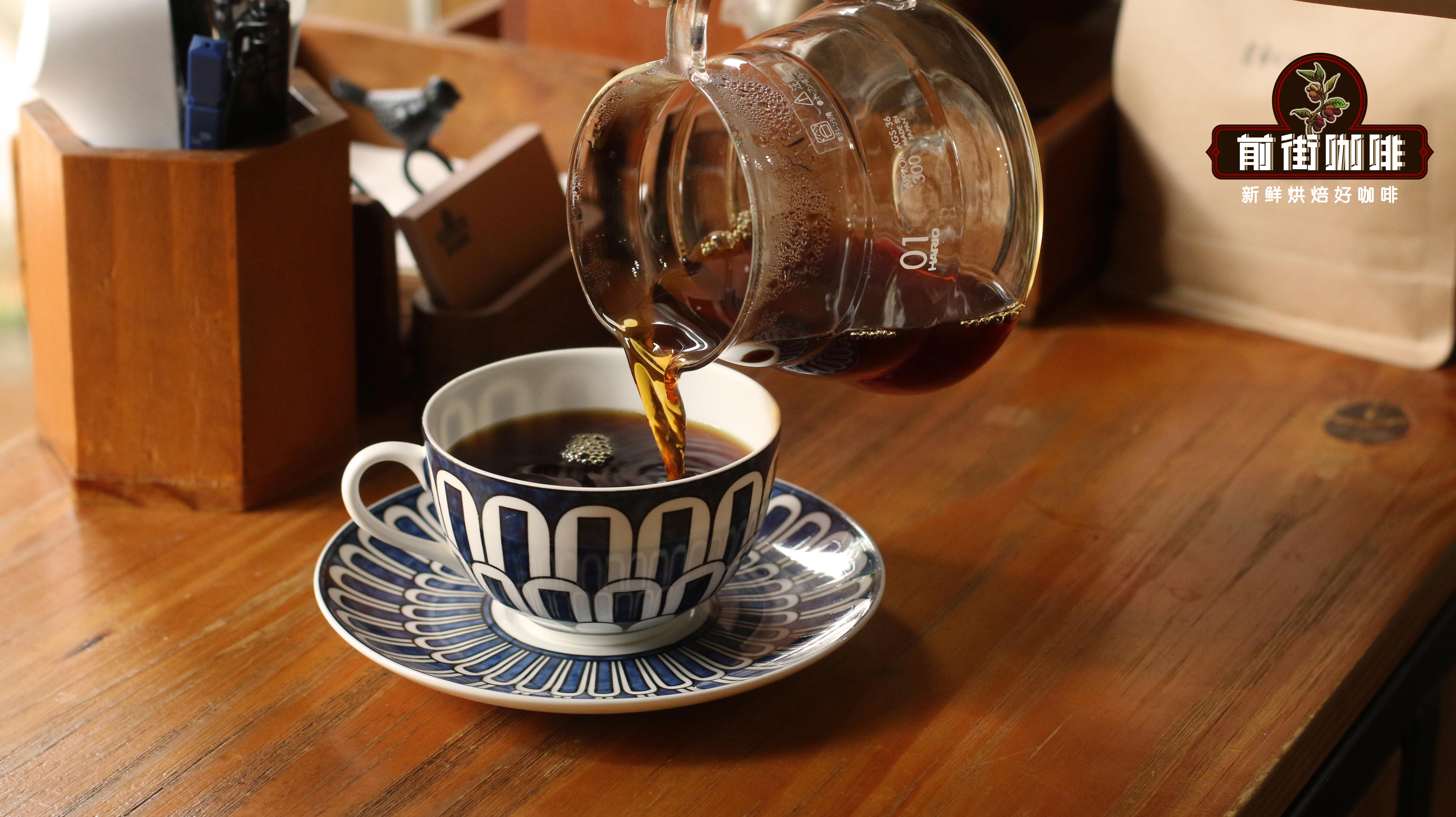
How much does Blue Mountain coffee cost? How can you tell if it's authentic? Front Street Coffee teaches you two methods: pour-over and moka pot.
Blue Mountain coffee has long been regarded as a treasure among coffees due to its rarity and unique flavor. In the early years, the lack of proper import channels in China led to a flood of counterfeit goods on the market. Today, buying authentic Blue Mountain is no longer difficult, but how to identify, grade, and brew it remains a concern for many enthusiasts. This article will guide you through Blue Mountain coffee's certification system, grading standards, quota history, and varietal characteristics, and share two brewing methods for Front Street Blue Mountain coffee—pour-over and moka pot—so you can savor the richness and delicacy of Blue Mountain coffee at home. [more…]
Naturally Low-Caffeine Rare Variety Laurina: The Legendary Coffee from Extinction on Bourbon Island to Revival and Rebirth
Bourbon Pointu is a rare coffee variety with elongated beans and pointed ends, discovered on Bourbon Island in 1810. Its caffeine content is only half that of ordinary Bourbon, making it a naturally low-caffeine coffee. During the 18th and 19th centuries, it was widely cultivated, with annual production once reaching 4,000 metric tons. However, disasters such as hurricanes, fire ants, and leaf rust followed one after another. After 1942, it completely disappeared from Réunion Island and was considered extinct by the coffee world. It was not until Japanese Ueshima Coffee expert Yoshiaki Kawashima spent years searching that in 2001, more than thirty surviving plants were discovered in the wild on Bourbon Island. Subsequently, French scientists collaborated with Ueshima Coffee to carry out revival efforts, and only in 2006 was the first small batch of beans harvested. This article introduces the origin of the name Bourbon Pointu, its historical rise and fall, flavor characteristics, and expensive price, as well as Front Street Coffee's recommendation and interpretation of this legendary variety. [more…]
Can a moka pot also make Blue Mountain coffee? A complete demonstration and cost analysis of pour-over and moka pot Blue Mountain latte
Blue Mountain coffee, produced in Jamaica's legally designated region, has long been regarded as a treasure among coffees. Some readers have asked whether Front Street Blue Mountain No. 1 coffee beans can be used to make moka pot coffee. The answer is yes, but only on the condition that you choose an authentic bag of Blue Mountain. This article will systematically sort out the purchasing and identification of Blue Mountain coffee, the CIB certification system, the grading standards, and the quota history, and will demonstrate brewing Front Street Blue Mountain No. 1 using two methods: pour-over and moka pot. Finally, it will present the complete process of making a moka pot Blue Mountain Americano and a Blue Mountain Latte, helping coffee lovers enjoy authentic Blue Mountain flavor at home. [more…]
Colombia Cauca Finca El Nube Laurina Natural Low-Caffeine Beans: Flavor Characteristics and Low-Caffeine Processing Explained
For people who are sensitive to caffeine yet cannot live without coffee, there is often a dilemma between "wanting to drink" and "not being able to drink too much"—and decaf coffee was born precisely for this. This article begins with artificial decaffeination methods, introduces the common Swiss Water Process on the market and its principles, then traces the legendary history of the naturally low-caffeine variety Bourbon Pointu—from the rise and fall of Réunion Island to its revival by UCC in Japan, and finally to its establishment at Finca San Roque in Colombia's Cauca Valley. You will discover this bean's complete profile, its flavor performance, and its unique balance between caffeine content and mouthfeel, and you will also learn why Front Street Coffee recommends it as the preferred choice for decaf coffee. [more…]
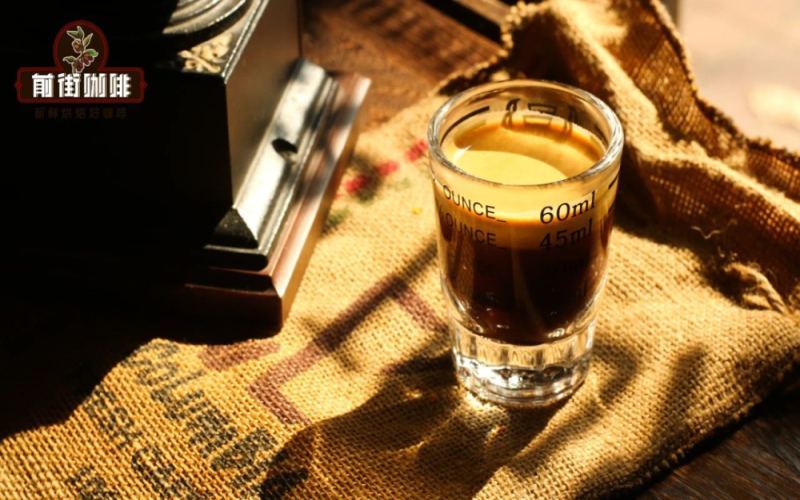
Naturally Low-Caffeine Pointed Bourbon: The Legendary Coffee from Near Extinction to World Champion
Decaf coffee usually relies on artificial processing to reduce caffeine, but in nature there actually exists a variety with naturally very low caffeine content—Laurina. Its caffeine content is only about 0.5%, its flavor is outstanding yet its yield is scarce. It was once all the rage in Europe in the 18th century, and was also once thought to be extinct. Later, through the search by Japanese UCC expert Yoshinori Kawashima, Laurina was rediscovered on Bourbon Island (Réunion) and revival cultivation began. At the 2018 World Brewers Cup, Swiss competitor Emi Fukahori even used Laurina from Brazil's Daterra estate to defeat many Geisha entries and win the championship. This article will take you through the history of Laurina, its varietal characteristics, as well as Front Street Coffee's brewing parameters and flavor performance. [more…]
An Analysis of Jamaican Blue Mountain Coffee Flavor Characteristics and a Guide to Selection and Authentication
Blue Mountain coffee is hailed as the "beauty" of the coffee world, and its perfect balance of acidity, bitterness, sweetness, and body has captivated countless enthusiasts. This article provides a detailed analysis of the taste characteristics, flavor layers, and unique charm of Jamaican Blue Mountain coffee beans, while also offering practical purchasing channels and identification methods to help you recognize genuine Blue Mountain coffee in a complex and confusing market. Whether you are a seasoned connoisseur or a beginner enthusiast, you can gain valuable reference information from it. [more…]
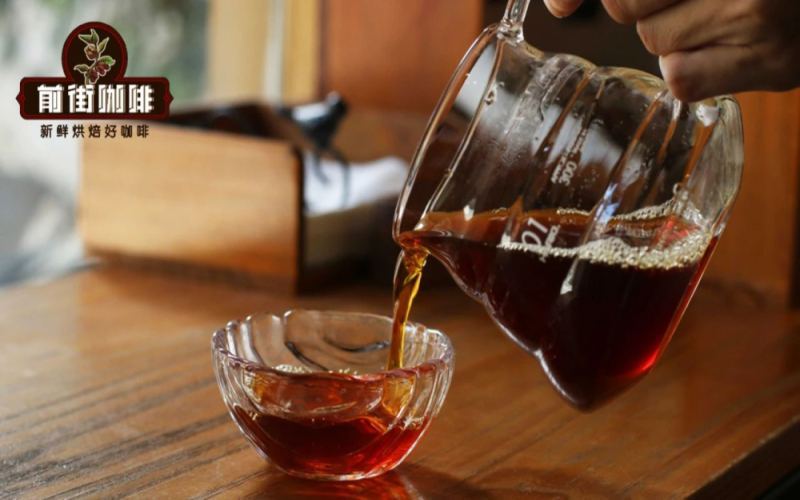
What Japanese Blue Mountain coffee brands are there? Is authentic Jamaican Blue Mountain coffee only available in Japan?
When Blue Mountain coffee is mentioned, many people think of claims like "extremely expensive" and "authentic Blue Mountain can only be bought in Japan." These impressions actually stem from a period of coffee trade history between Jamaica and Japan in the last century. Today the market landscape has long since changed: Jamaican Blue Mountain coffee can be imported directly into China, and consumers can buy authentic Blue Mountain beans with certificates of origin through proper channels. This article will trace the origins of the relationship between Japan and Jamaican Blue Mountain coffee, explain the current state of Blue Mountain coffee imports, introduce the grading standards for Blue Mountain green beans, and share Front Street Coffee's roasting approach and pour-over brewing parameters for Blue Mountain No. 1, helping coffee lovers gain a clearer understanding of this classic coffee. [more…]