







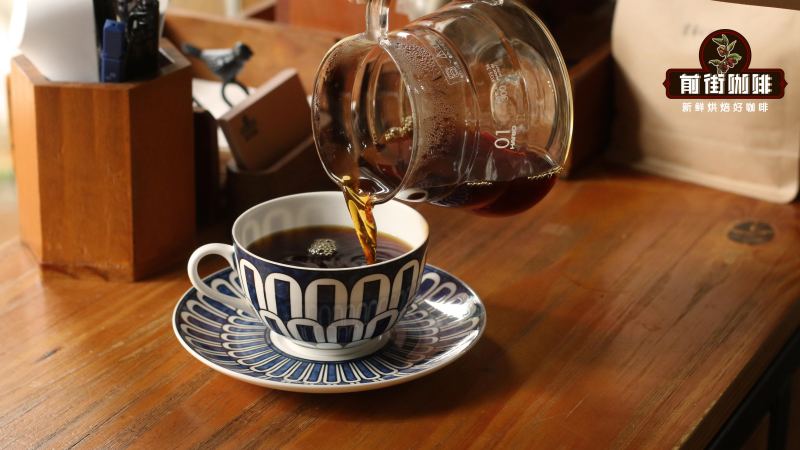
Can Blue Mountain coffee be brewed in a moka pot?
Any coffee bean can be extracted in a moka pot, including authentic Blue Mountain, but the prerequisite is buying a genuine bag. The article covers Blue Mountain's purchasing and authentication, the CIB certification system, grading standards, and quota history, then demonstrates Front Street Blue Mountain No. 1 brewed by pour-over and by moka pot.
It finishes with the full process for a moka pot Blue Mountain Americano and a Blue Mountain Latte. Blue Mountain grows in Jamaica's designated appellation and carries a high price because production is scarce. For anyone wondering how long does it take moka pot to brew, the demonstration walks through the practical steps, so home brewers can enjoy authentic Blue Mountain flavor.
Blue Mountain Coffee, produced in Jamaica's designated appellation, has long been regarded as a treasure among coffees. A reader asked whether Front Street Blue Mountain No.1 coffee beans can be used to make moka pot coffee. The answer is yes, but the prerequisite is choosing an authentic bag of Blue Mountain. This article will systematically cover Blue Mountain Coffee's purchasing and authentication, the CIB certification system, grading standards, and quota history, and demonstrate extracting Front Street Blue Mountain No.1 using both pour-over and moka pot methods. Finally, it presents the complete process of making a moka pot Blue Mountain Americano and a Blue Mountain Latte, helping coffee enthusiasts enjoy authentic Blue Mountain flavor at home.
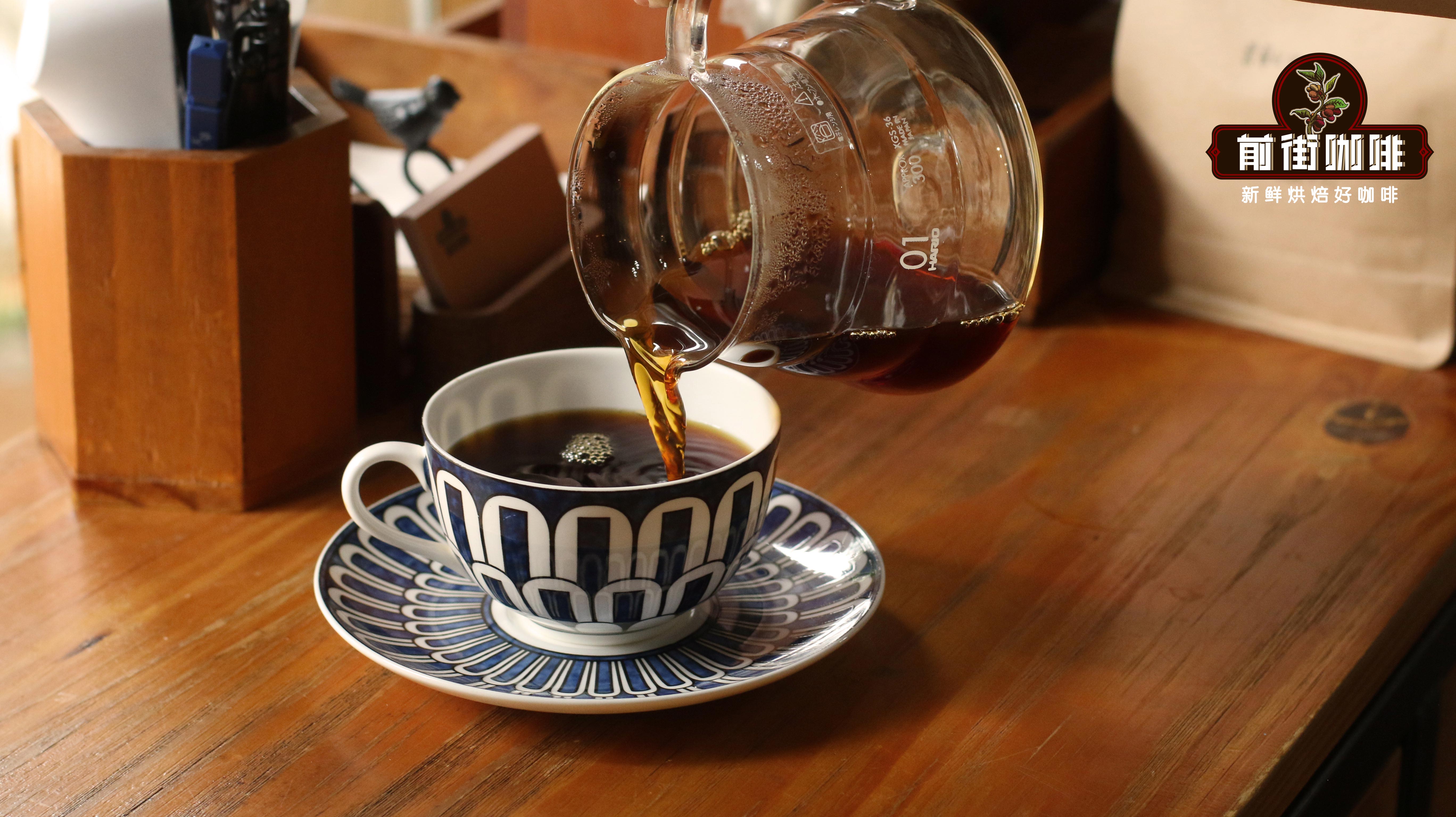
Recently, a reader asked Front Street whether Front Street Blue Mountain No.1 coffee beans can be used to make moka pot coffee. In Front Street's understanding, any coffee beans can be extracted through a moka pot, but for Blue Mountain Coffee, selecting a bag of genuine Blue Mountain beans is of utmost importance. Now let's officially begin today's topic.
Purchasing Blue Mountain Coffee and Authenticity Identification
In the past, there was a lack of formal import channels in China, and Blue Mountain, with its already limited production, was even harder to find domestically. Being able to drink a cup of Blue Mountain became a matter of great prestige, which gave rise to sayings like "all Blue Mountain in domestic cafes is fake" and "you simply can't buy Blue Mountain in China," sayings that persist even today. However, even in an era before formal channels were established, Blue Mountain Coffee consumed in the Chinese market still accounted for 15% of total global consumption. When Jamaica learned of this figure, they were astonished (presumably after learning about Blue Mountain Coffee's retail prices in the Chinese market...), and from then on began to value the Chinese market. Today, purchasing Blue Mountain Coffee in China is no longer difficult, with diverse channels available, whether through private channels or green beans and roasted beans imported via third countries.
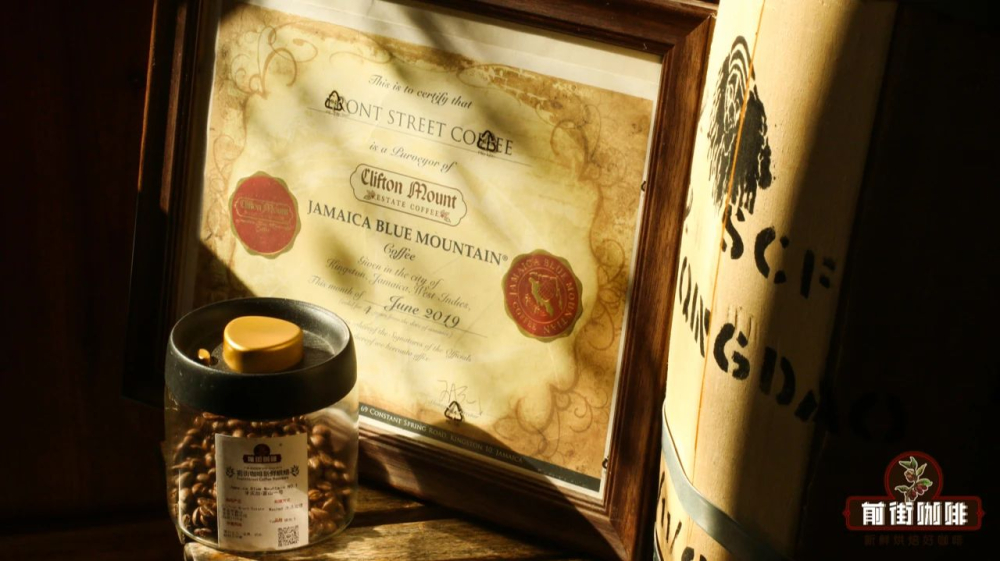
When identifying Blue Mountain Coffee, products with retail packaging can usually be verified through the CIB certification mark and the Jamaica Blue Mountain trademark. UCC's Blue Mountain Coffee is trustworthy even without the mark; for products bearing the certification mark and trademark, you can check the CIB official website to verify whether the company has obtained CIB authorization. For bulk batches, you can check the certificate of origin, since bulk beans are generally also sold repackaged from 70kg wooden barrels, and each barrel comes with a certificate of origin.
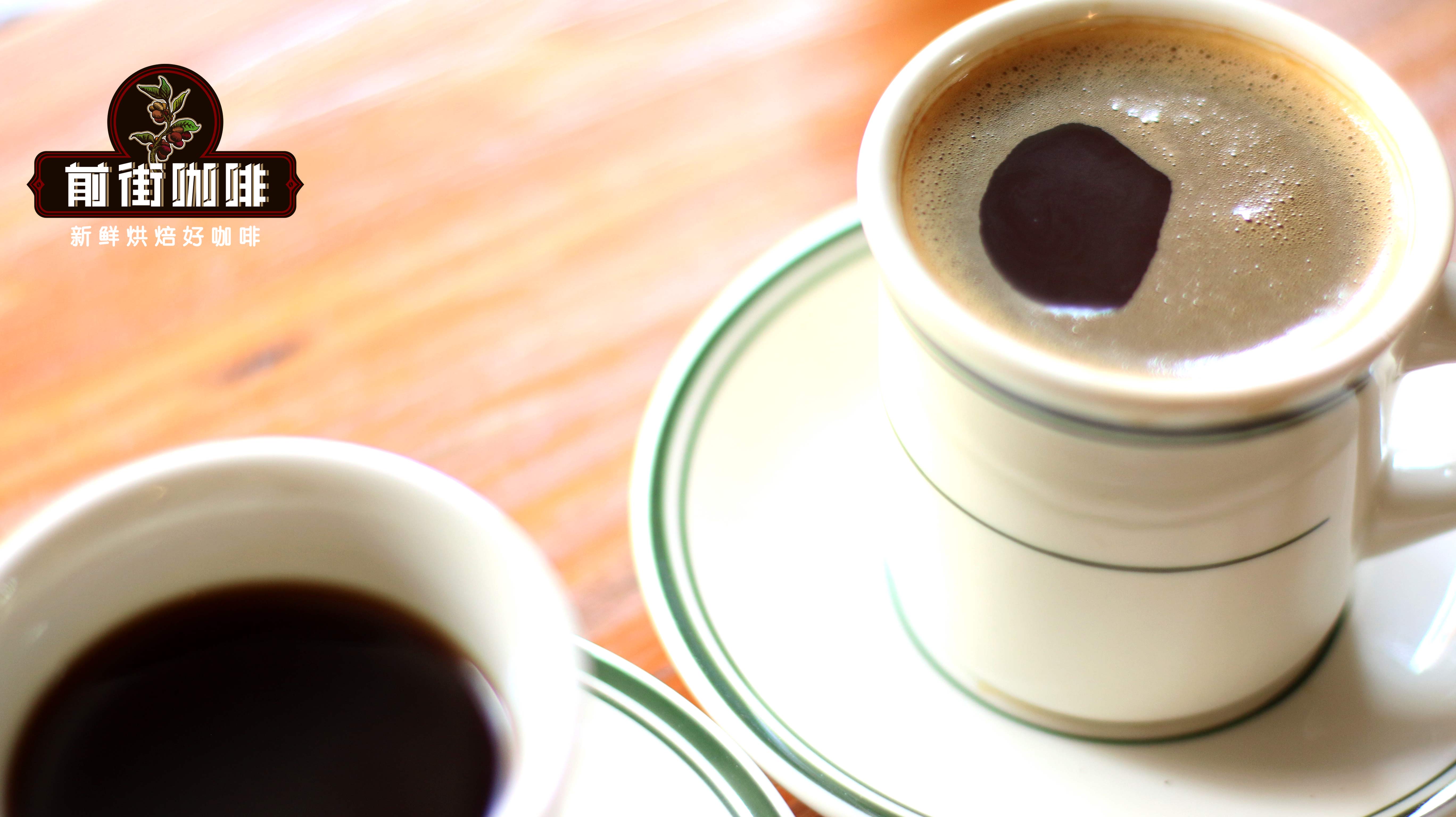
About CIB and CIB Certification
The Coffee Industry Board of Jamaica is the Jamaican government agency responsible for coffee affairs, overseeing, regulating, and guiding Jamaica's coffee cultivation, processing, and trade. It also owns the famous Wallenford Estate and the Jamaica Blue Mountain trademark.
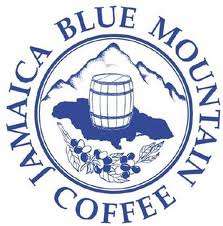
Similar to Champagne, being able to bear the name Blue Mountain Coffee itself means it comes from a designated appellation, which is located above 2,200 feet (approximately 671 meters) in the Blue Mountain range. Coffee produced within the designated appellation is eligible to have the circular Blue Mountain Coffee logo printed on its retail packaging (see image below). If it's in wooden barrels (including the aforementioned 70kg barrels), a certificate of origin is usually attached. Coffee grown below 2,200 feet in the Blue Mountain range is not permitted to use this logo or the Jamaica Blue Mountain trademark. So, when buying Blue Mountain, look for this circle (again, a reminder that UCC's Blue Mountain is an exception...)!
Blue Mountain Coffee Certification Logo
The following is the list of authorized exporters published on the CIB official website:
What Blue Mountain Coffee is worth buying? The Story Behind Blue Mountain Coffee — Country Traders Limited (the company behind the 89-yuan Blue Mountain), UCC, Wallenford, and Gold Cup can all be found on the list, along with their respective detailed authorization scopes.
Blue Mountain Coffee Grading
Blue Mountain Coffee is graded from highest to lowest as follows:
Blue Mountain No.1, the highest grade of Blue Mountain Coffee, screened using S-17/18 screens, with defect bean ratio below 2%
Blue Mountain No.2, screened using S-16/17 screens, beans slightly smaller than Blue Mountain No.1, with defect bean ratio below 2%
Blue Mountain No.3, screened using S-15/16 screens, beans smaller than No.2, with defect bean ratio below 2%
Blue Mountain Peaberry (or Blue Mountain P.B), with round peaberry beans accounting for over 96%, defect bean ratio below 2%. This is actually a specially screened category of beans. Many believe this grade is actually above No.1, while others think it falls between No.1 and No.2.
Blue Mountain Triage (also translated as Blue Mountain Blend), a blend of the above four types, with defect bean ratio below 4%. It is essentially unscreened beans.
As for beans produced outside Jamaica's Blue Mountain designated appellation, they fall into the following three categories:
High Mountain, screened using S-17/18 screens, with defect bean ratio below 2%
Jamaica Prime, screened using S-16/18 screens, with defect bean ratio below 2%
Jamaica Select, screened using S-15/18 screens, with defect bean ratio below 4%
Additional note: Regarding screen sizes, a No.17 screen refers to a mesh size of 17/64 inch, which is 6.75mm (please put down your ruler and roasted beans — this refers to green bean size; beans expand after roasting). The higher the screen number, the larger the screened beans, and the richer and more varied the flavor.
The Story Behind the Blue Mountain Quota
In 1969, Jamaica suffered severe hurricane damage, and plantations suffered heavy losses. The Japanese company UCC extended a helping hand with substantial aid, enabling Jamaica's coffee industry to recover. To express gratitude, Jamaica signed an agreement with Japan in 1972, allocating 90% of the Blue Mountain Coffee quota to Japan, with Europe and the United States each getting 5%. Thus the saying "the Japanese bought up most of the Blue Mountain Coffee" has persisted to this day. However, even if the Japanese bought it all, would they be foolish enough to keep it entirely for themselves? Having monopolized the market, the price of reselling to other regions would naturally be very substantial! This is also why UCC, as mentioned earlier, doesn't print the CIB certification mark on its packaging — the entire market is almost all UCC's, so there's simply no need to print it! Does our great UCC's Blue Mountain need your CIB to certify it?!
Blue Mountain Varieties
The Blue Mountain Coffee that Front Street sourced belongs to the ancient Typica variety, oval in shape, appearing flat and thin from the side. Even if grown at different altitudes, the thickness variation on the sides of green beans won't differ much. The Typica variety was first brought by Yemenis from Ethiopia to Malabar, India, then taken by the Dutch to Indonesia, and later spread from the West Indies to the French colony of Martinique.
Subsequently, growing in other cultivation regions, it gave rise to numerous variant varieties: Criollo (South America), Arabigo (Central America), Kona (Hawaii), Pluma Hidalgo (Mexico), Garundang (Sumatra), Blue Mountain (Jamaica, Papua New Guinea), San Bernado & San Ramon (Brazil), Kents & Chickumalgu (India).
Brewing a Cup of Front Street Blue Mountain Coffee
To brew the classic, great flavor, Front Street Blue Mountain Coffee still requires attention to certain details and techniques during brewing. A slight misstep could turn the coffee's taste from delicious to herbal medicine-like... ultimately wasting precious Blue Mountain Coffee for nothing. Today, Front Street will first make a pot of Blue Mountain pour-over coffee using a pour-over dripper, then extract a cup of Blue Mountain Americano with a moka pot, to see what flavor characteristics each presents.
How to Make Pour-Over Jamaican Blue Mountain Coffee
To highlight the rich, mellow mouthfeel of Front Street Blue Mountain No.1 coffee, a KONO coffee dripper is chosen for extraction here. KONO's ribs extend less than half the height of the dripper. The purpose of this design is to let the dripper cling tightly to the wall after wetting, restricting airflow, thereby extending the water absorption time of coffee grounds and making the final extracted coffee more uniform overall. (In the image below, the KONO dripper is on the right.)
Front Street Blue Mountain pour-over parameters: 15g coffee, 1:15 coffee-to-water ratio, grind size EK43s setting 10.5 (75% passing rate on Chinese No.20 standard sieve), water temperature 87–88°C, brewing technique is staged extraction.
Front Street's method is to first place the filter paper into the KONO dripper, pour water to wet the filter paper while making it adhere to the wall, and remember to discard the water used to rinse the filter paper from the server. Then pour in the ground coffee, tap lightly to distribute the coffee bed evenly in the dripper. For the first stage, gently pour 30g of water for blooming, with a blooming time of 30 seconds; for the second stage, pour water to about 125g, circling outward evenly and steadily. Then wait for the coffee liquid to drop; when it drops to half, pour the final stage of water to 225g. After all the coffee has dripped through, the total extraction time is about 2 minutes.
The pour-over Blue Mountain No.1 coffee presents dark chocolate and nutty flavors, with a very rich and mellow mouthfeel and a distinct almond-like sweet aftertaste. As the temperature drops, roasted hazelnut and creamy, sweet, silky notes emerge, accompanied by a hint of gentle acidity and caramel sweetness, with the aroma lingering in the mouth.
How to Make Moka Pot Blue Mountain Latte
Before extracting the coffee, prepare a bag of Front Street Blue Mountain No.1 coffee beans at their optimal tasting period, weigh out 20g of coffee and grind to a fine sugar consistency, along with a gas stove or induction cooker for heating, a grinder, and water.
1. Add hot water to the lower chamber, keeping the water level about 0.5cm below the pressure relief valve (safety valve). Using cold water will extend the coffee grounds' soaking time, causing over-extraction and bitterness. Therefore, Front Street recommends using hot water, which also shortens extraction time.
2. The coffee grind size needs to be finer than pour-over but coarser than espresso. You can reference the gap size of the filter screen in the filter basket to ensure coffee particles can be filtered through. Gently pour the coffee grounds into the filter basket, and use your finger to tap and level them evenly.
3. Reassemble the filter basket into the lower chamber, screw on the upper chamber tightly, place on the electric ceramic stove and begin heating, waiting for the moka pot to heat up.
4. When you hear a hissing sound from inside the moka pot, reduce the heat, open the upper chamber lid, and you can see the coffee liquid and crema slowly flowing out.
5. When the coffee liquid in the upper chamber is half full, turn off the heat source and move the pot to the table, using the residual heat and pressure inside the pot to continue extracting the remaining coffee liquid. Note that the moka pot has metal components; try not to touch the body during high-temperature heating to avoid burns.
6. Finally, prepare a 250ml coffee cup, add 200g of warm hot water, pour in all the Blue Mountain coffee liquid extracted from the moka pot. You can see beautiful golden crema floating on the surface, and a cup of moka pot Blue Mountain Americano is complete.
For the finished moka pot Blue Mountain Americano, simply stir gently with a spoon and enjoy. Front Street finds that drinking it at high temperature reveals a rich roasted aroma with notes of roasted nuts, caramel, and dark chocolate. Along with the上层 foam, the buttery aroma gradually becomes more pronounced, leaving a slight sweet aftertaste after swallowing — very satisfying.
Friends who enjoy milk coffee can also make it into a Blue Mountain Latte: prepare 200ml of fresh milk, heat it in the microwave, then whisk it into a dense foam, and blend it evenly with the moka pot Blue Mountain coffee liquid. A cup of moka pot Blue Mountain Latte is ready.
The above content is compiled by CoffeeHunters, a coffee news website.


