







Search Results for: Janson Geisha
Panama Geisha Washed vs. Natural Flavor Comparison: Analyzing the Differences Between Janson Estate and Hacienda La Esmeralda
Both are Panamanian Geisha, but just how big is the flavor difference between the washed and natural processing methods? And what are the distinctive characteristics of the Geisha from Hacienda La Esmeralda and those from Janson Coffee Farm? Starting with Janson Coffee Farm, this article provides a detailed overview of the flavor profiles of its natural and washed Geisha, the farm's background, and growing conditions, and compares them with the stylistic differences of Hacienda La Esmeralda. Janson Coffee Farm focuses mainly on domestic sales and ranks second in Panama for Geisha production; its washed Geisha won second place in the washed category at the 2013 B.O.P competition. The article also includes Front Street Coffee's recommendations and purchasing information, making it suitable reading for coffee enthusiasts who want an in-depth understanding of Panamanian Geisha. [more…]
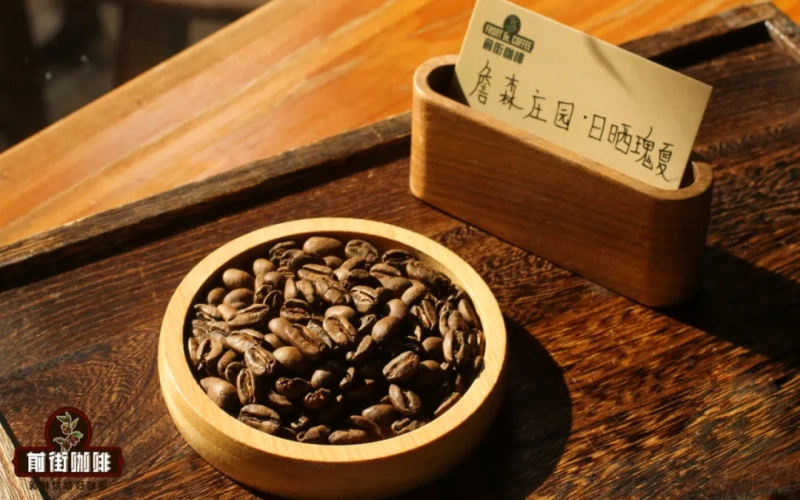
Panama Hacienda La Esmeralda Geisha: Flavor Differences Between Natural and Washed Processing Methods and the Estate's Story
Hacienda La Esmeralda's Panama Janson Estate is a regular on the BOP award list, and its Geisha coffee is renowned for its delicate and complex floral and fruity aromas. This article starts with a Janson natural Geisha #364 batch sourced by Front Street Coffee, and through cupping evaluation, provides a detailed comparison of the flavor differences brought by natural and washed processing methods. At the same time, it delves into the Janson Estate's century-old family history of transitioning from the dairy business to coffee cultivation, analyzes the terroir characteristics of the two major plots, Lagoon and Alpine, and explores the estate's unique approaches to ecological protection and meticulous management. Whether you are a Geisha enthusiast or a coffee professional, you can gain comprehensive knowledge and brewing suggestions about this top-tier Panamanian Geisha. [more…]
Hacienda La Esmeralda: Geographic Location and Sun-Dried Flavor Analysis of Panama BOP's Perennial Geisha Champion Estate
Hacienda La Esmeralda? No — Janson Coffee Farm is a name that cannot be overlooked on Panama's specialty coffee map. Since its debut at the Best of Panama (BOP) in 2013, it has repeatedly appeared on the winners' list. This family farm, now in its third generation, has become the showcase choice of many professional competitors thanks to its exquisite Geisha flavors. In this article, Front Street Coffee will provide a complete overview of Janson Coffee Farm, covering its history, geographical location, growing plots, processing methods, and the cupping performance of its natural Geisha, introducing you to this famous Panamanian estate located near the Talamanca Mountains and bordering a nature reserve. [more…]
Exploring Panama's Janson Estate: Terroir and Sun-Dried Processing Flavor Analysis of Geisha Coffee Beans
Panama is a core producing country for specialty coffee worldwide, and the Geisha variety is undoubtedly its most dazzling star. Besides the widely known Hacienda La Esmeralda, Hacienda Janson also ranks among the top tier with its outstanding Geisha quality. From the perspective of Front Street Coffee, this article systematically reviews Panama's climate and producing regions, focusing on Hacienda Janson in the Volcan region, analyzing its growing environment, variety traceability, and natural processing method, and includes Front Street Coffee's brewing suggestions and flavor description, taking you through a comprehensive understanding of this rare, primarily domestically sold Panama Geisha. [more…]
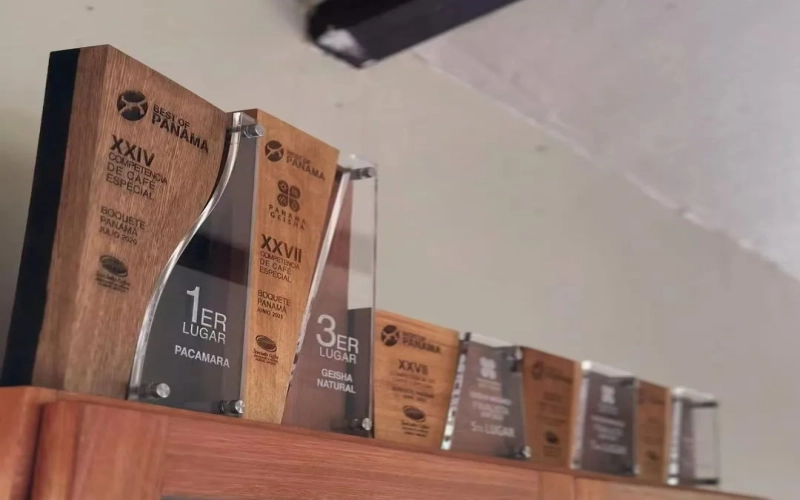
A Complete Guide to Panama Hacienda La Esmeralda Geisha: From Family Legacy to the Sun-Dried Flavors of the Alpine Plot
On the map of Panamanian specialty coffee, Hacienda Jason is a name that cannot be overlooked. Since making its debut at the Best of Panama competition in 2013 and appearing on the list year after year, this three-generation family farm has won the favor of many professional competitors with its refined Geisha flavor profile, frequently appearing on international exhibition stages. Today, Front Street Coffee takes you deep into this famous estate: from the dairy business of Swedish immigrants in 1926, to formally entering the coffee field in 1989; from the microclimates of the two high-altitude plots, the Lagoon and the Alps, to environmental practices such as enzyme-microbial soil care and solar circulating-water processing; and then to the natural-process Geisha lot#364 that Front Street Coffee acquired this year, which in cupping presents grape juice, berries, fermented wine aromas, and elegant floral notes. Whether you want to understand the estate's history or explore the terroir code behind Geisha's flavor, this article will present it all to you one by one. [more…]
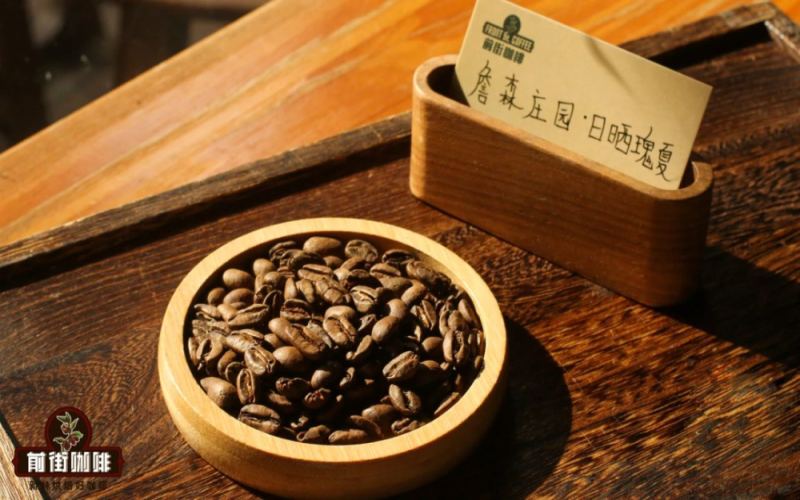
Detailed Guide to Siphon Operation Steps and Pour-Over Parameters for Panama Janson Estate Geisha Coffee
Geisha coffee is known as the "Champagne of the coffee world," and the Geisha produced at Panama's Hacienda Janson is among the very best. Front Street Coffee's Janson Geisha is clean and crisp on the palate, with no bitterness at all—its refreshing mild acidity paired with layered fruity notes makes it easy to finish without even noticing. The estate, run by owner Carl Janson, has been shortlisted for the Best of Panama award presented by the Specialty Coffee Association of Panama (SCAP). More than half of the estate is planted with the Geisha variety, its output ranks second in Panama, and only fully red ripe cherries are selected at harvest. This article will walk you through Geisha's unique flavors and break down the complete process of brewing Front Street Coffee's Geisha with a siphon, from equipment preparation to extraction rhythm, step by step. [more…]
Panama Janson Estate Geisha Coffee Siphon Brewing Full Process and Parameters Detailed Guide
Geisha coffee is known as the "Champagne of the coffee world," and Panama's Janson Estate is a key origin of this legendary variety. This article focuses on Front Street Janson Geisha, first introducing its growing region environment, flavor characteristics, and the estate's ecological philosophy, then providing a complete illustrated step-by-step demonstration of how to brew Geisha with a siphon, including key parameters such as equipment preparation, water temperature control, timing of adding coffee grounds, stirring rhythm, and backflow technique. Whether you want to learn the origin story of Geisha or hope to master the specific techniques for extracting Geisha with a siphon, you will find practical reference here. [more…]
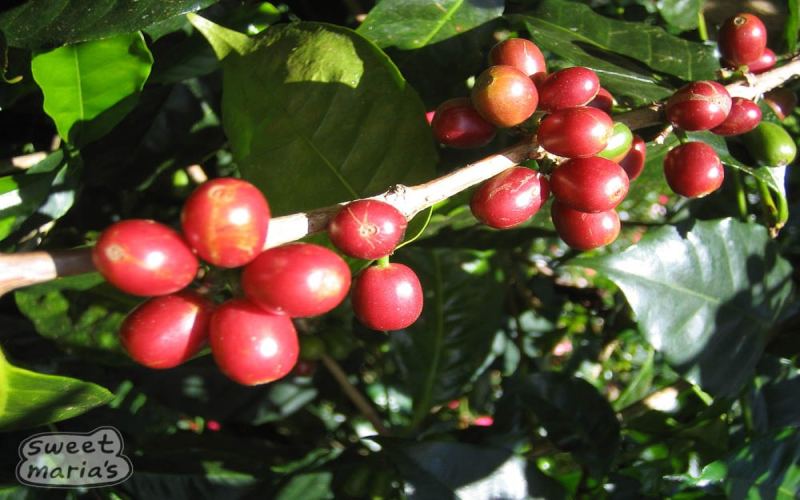
Panama Hacienda La Esmeralda Geisha Coffee: A Complete Guide to Golden Roast and Pour-Over & Siphon Brewing
Geisha coffee is famous for its elegant jasmine and genmaicha aromas, its sweet-and-tart layers of citrus and berries, and its pronounced juicy mouthfeel, and Panama is the place where it rose to fame. This article begins with the grade differences between Red Label and Green Label Geisha from Hacienda La Esmeralda, guiding you through Geisha's classic flavors, while focusing on Finca Janson—an ecological farm at 1,700–1,750 meters elevation with volcanic ash soil that was shortlisted for the Best of Panama award in 2013. The article not only analyzes Finca Janson's growing advantages and ecological conservation philosophy, but also provides pour-over and siphon brewing methods under a golden roast profile, and retains Front Street Coffee's curated recommendations, presenting coffee lovers with a complete guide from bean to cup. [more…]
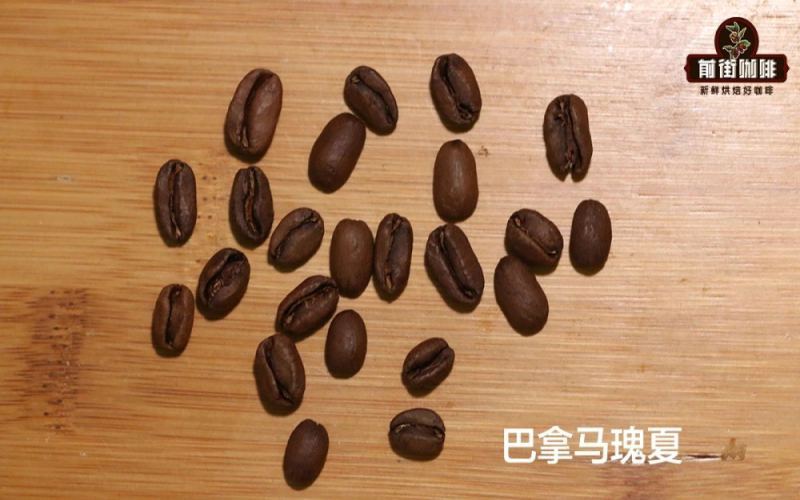
Panama Janson Geisha vs. Bolivia Java: A Full Analysis of Variety Origins, Processing Methods, and Flavor Differences
Geisha and Java—one is famed for its floral and fruity aromas, the other is called Geisha's cousin. What exactly sets them apart? Front Street Coffee recently got hold of a Bolivian Java, and took this opportunity to conduct a comprehensive comparison with a Panama Janson Estate Geisha. This article will dissect the similarities and differences between these two natural-process beans, from variety origins, green bean appearance, and roasting curves to cupping and pour-over flavors. Java first originated in the forests of Ethiopia, spread to Indonesia via Yemen, and later made its way to Central and South America; Geisha, on the other hand, set out from the Geisha forest in Ethiopia and ultimately rose to prominence at Hacienda La Esmeralda in Panama. Through actual brewing and tasting, Front Street found that the Janson Geisha has a cleaner mouthfeel, while the Bolivian Java boasts rich layers—each has its own strengths. [more…]
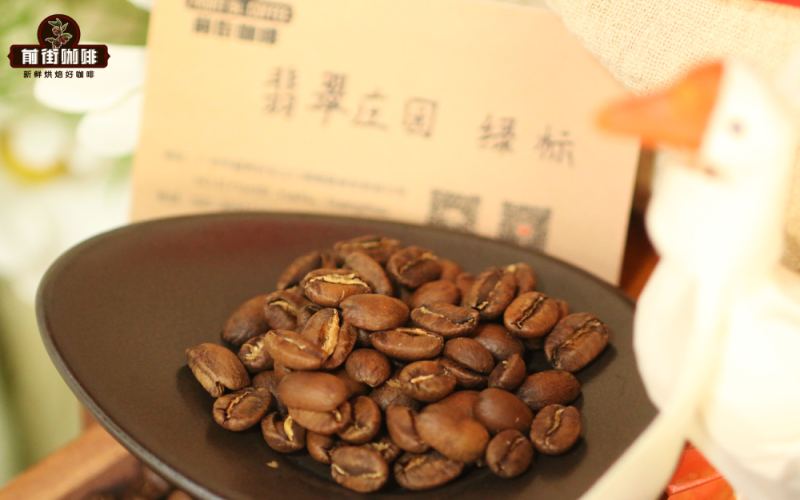
Panama Geisha Horizontal Comparison: Flavor Differences Between Hacienda La Esmeralda and Janson Estate Red/Green Labels and Brewing Recommendations
Many estates in Panama grow Geisha. Besides the famous Hacienda La Esmeralda, Hacienda Janson also produces high-quality Geisha. The two differ in geographical location, processing methods, and cupping performance. This article systematically compares Hacienda Janson with Front Street Coffee's Esmeralda Red Label and Green Label Geisha, covering terroir, harvesting and processing, grading systems, and actual flavor comparisons. It also includes reference parameters for pour-over brewing, helping coffee enthusiasts understand the subtle differences between sun-dried Geisha from different estates and find the one that suits their taste. [more…]
Panama Hacienda La Esmeralda Geisha Coffee Analysis: Esmeralda Estate Grading, Pour-Over V60 Parameters, and Flavor Characteristics
Geisha coffee is renowned worldwide for its elegant floral aroma and complex fruit notes, and Hacienda La Esmeralda in Panama played a key role in its spread. This article starts from Front Street Coffee's Geisha product lineup, outlining the grading logic of Red Label and Green Label, cupping performance, and origin information, while also introducing Hacienda Janson's ecological cultivation background and its shortlisting experience in the 2013 Best of Panama coffee competition. At the end, it includes a V60 three-pour hand-brewing method designed by Front Street Coffee's baristas specifically for Geisha beans, including water temperature, coffee-to-water ratio, and pouring rhythm, to help enthusiasts more fully bring out the sweet-tart layers and juicy character of this bean. [more…]
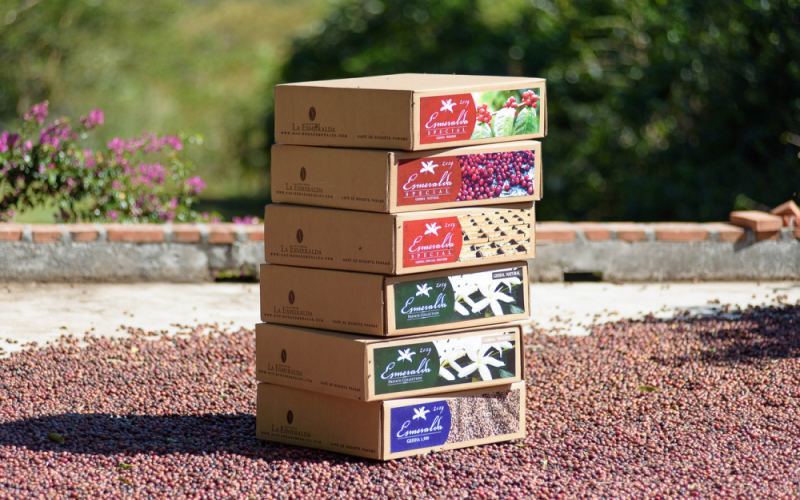
Panama Hacienda La Esmeralda Geisha Pour-Over Flavor Analysis: Red, Green, and Blue Label Differences, Roasting Parameters, and Brewing Recommendations
Geisha coffee is one of the most sought-after varieties in today's specialty coffee world, and Hacienda La Esmeralda in Panama is the key force that propelled this variety onto the global stage. From the perspective of Front Street Coffee, this article systematically traces the varietal origins and spread of Geisha, explains in detail the terroir differences among Hacienda La Esmeralda's three major plots—Jaramillo, Cañas Verdes, and El Velo—and breaks down layer by layer the characteristics and flavor profiles of the three grades: Red Label, Green Label, and Blue Label. It also includes Front Street Coffee's recommended roasting curves and pour-over parameters for each grade of Geisha, helping coffee enthusiasts fully understand the charm of this legendary bean. [more…]

Freshly Ground Not Enough? A Complete Analysis of Pour-Over Coffee Freshness, from Roast Date to Water Temperature Adjustment
Many people attribute the deliciousness of pour-over coffee to whether it is freshly ground, but what truly determines the flavor in the cup goes far beyond the grinding step. The timeline that coffee beans go through after roasting, whether the resting period is adequate, and how brewing water temperature and parameters are adjusted according to the beans' condition all directly affect the final taste. Front Street Coffee, using Panama Janson Estate Geisha as an example, conducted comparative brews with beans just past their resting period and beans stored for two months, testing step by step from 92°C down to 88°C, then adjusting the bloom time and grind size for aged beans, using experimental data to show: fresh roasting is the prerequisite for flavor, but knowing how to adjust parameters according to the beans can likewise find a satisfying floral and fruity profile in a cup of coffee. [more…]
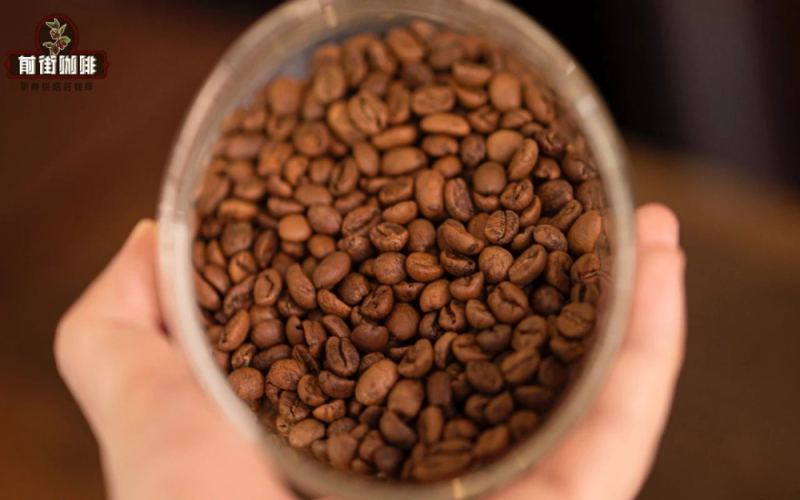
Freshly Ground Isn't the Same as Fresh: How Pour-Over Coffee Flavor Changes Over Time, from Roast Date to Brewing Parameters
Many people equate freshly ground coffee with fresh coffee, but what really determines whether a pour-over tastes good isn't just when you grind the beans—it's also the roast date. Starting from Front Street Coffee's roasting philosophy and drawing on a controlled experiment with a Panama Janson Geisha, this article breaks down the differences in brewing performance between coffee beans just past their resting period and beans that have sat for two months. You'll see: why Front Street only roasts the amount needed and keeps no inventory; why three to four days of resting is the starting point for stable flavor; and, when faced with beans that have been stored a long time, how to adjust water temperature, blooming time, and grind size to restore, as much as possible, a clean citrus and berry profile. [more…]
A Complete Analysis of Panama's Coffee Regions: Hacienda La Esmeralda Geisha Grades and a Flavor Comparison of the Red, Green, and Blue Labels
Panama is a shining jewel on the coffee map of Central America, having set off a wave in the international specialty coffee world with the Geisha coffee beans from Hacienda La Esmeralda. From the perspective of Front Street Coffee, this article systematically reviews the geographical characteristics and flavor trends of Panama's four major producing regions, delves into the transformation journey of Hacienda La Esmeralda from a dairy farm to a Geisha legend, and breaks down one by one the criteria distinguishing Red Label, Green Label, and Blue Label Geisha in terms of altitude, plot, and processing method, while also including the Geisha flavor performance of Elida Estate and Janson Coffee Farm. Whether you are a beginner just encountering Geisha or an experienced enthusiast looking for brewing inspiration, you can gain clear flavor coordinates and practical brewing references from it. [more…]
Bolivia Java vs. Panama Geisha Comparison: A Full Analysis of Bean Characteristics, Roast Profiles, and Flavor Differences
Geisha has become a star variety in the coffee world thanks to its unique floral and fruity aromas, while Bolivian Java has attracted much attention because of its "cousin" relationship with Geisha. Front Street Coffee (FrontStreet Coffee) takes Panama Janson Estate Geisha and Bolivian Java as its subjects and conducts a comprehensive comparison from variety origin, green bean appearance, roasting records, and cupping performance to brewing parameters. The article sorts out the specific differences between the two beans in sweetness, acidity, aftertaste, and complexity, and includes Front Street's roasting curves and brewing plans. Whether you want to learn about the legendary story of Geisha or are curious about the actual performance of the Java variety, this comparison can provide a clear reference. [more…]
Single-Origin Coffee Bean Flavor Window | Why Must Pour-Over Coffee Be Ground and Brewed Fresh? How Does Coffee Bean Flavor Change Past Its Peak?
Many people assume that freshly ground coffee means fresh coffee, but that's not actually the case. In fact, to truly enjoy the aroma of coffee, it's not just about grinding fresh—there are also specific requirements regarding the roasting time of the coffee beans. Front Street Coffee, whether in-store or through its online Taobao shop, offers only freshly roasted coffee beans, unless a customer specifically requests grinding. [more…]
Ethiopia Gesha Village vs. Panama Geisha: Variety Origins, Flavor Differences, and Pour-Over Parameters Explained
Since its discovery in the Geisha forest of Ethiopia in 1931, the Geisha variety has journeyed through Kenya, Uganda, Tanzania, and Costa Rica, ultimately rising to fame at Hacienda La Esmeralda in Panama. But although both are called Geisha, what exactly are the differences between coffee produced in the Panama region and that from Gesha Village in Ethiopia in terms of terroir conditions, flavor expression, and brewing strategies? This article will systematically trace the variety's propagation path, compare the green bean characteristics, roasting curves, and cupping performance of Hacienda La Esmeralda, Elida Estate, and Janson Coffee Farm in Panama with Gesha Village in Ethiopia, and include detailed pour-over parameters from Front Street Coffee to help coffee enthusiasts fully understand the differences between these two iconic growing regions. [more…]
The Pros and Cons, Production Process, and Flavor Analysis of Naturally Processed Coffee Beans
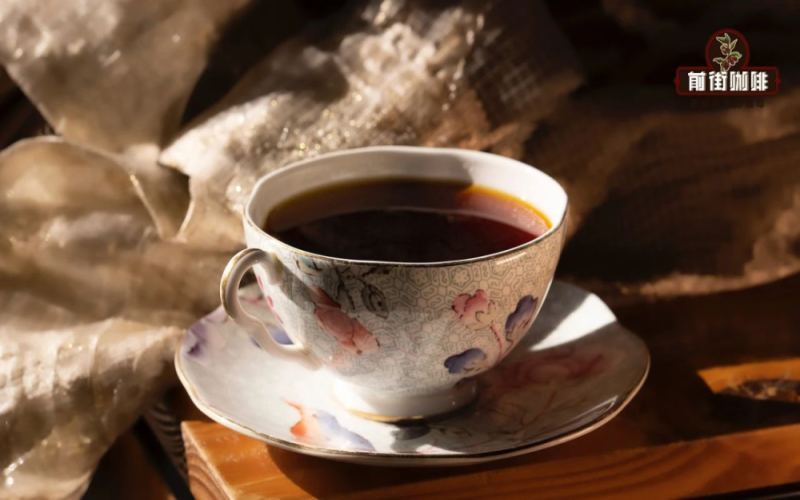
This article is written by the content team of Front Street Coffee (FrontStreet Coffee) and provides a comprehensive discussion of the characteristics of the natural process, the oldest method of coffee processing. The article candidly acknowledges its dependence on sunny weather and the disadvantage of a plain-looking finished product, while gradually breaking down the steps from fruit selection and sun-drying to hulling and storage. Using representative natural-process beans that make up forty percent of the beans on Front Street Coffee's shelves—Natural Yirgacheffe Aricha, Natural Panama Janson Geisha, and Natural Brazil Queen's Manor—along with images and brewing recipes, it carefully presents the flavor profile under three-pour extraction to help readers gain a deeper understanding. [more…]
A Detailed Explanation of the Grade Classifications of Panama Hacienda La Esmeralda Geisha Coffee: Differences Between Red, Green, and Blue Labels and Cupping Flavors
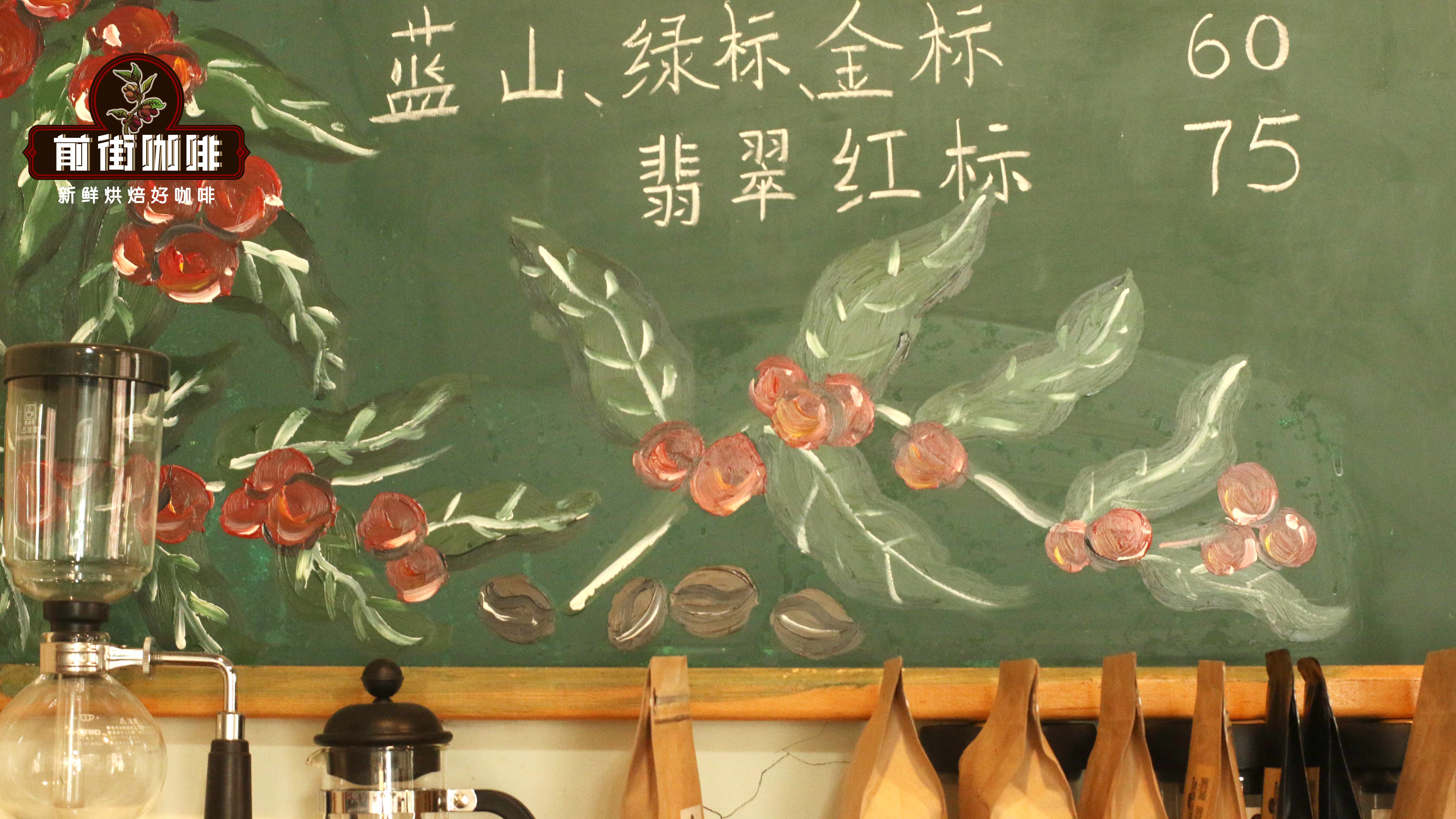
Hacienda La Esmeralda in Panama is the discoverer and promoter of the Geisha flavor, and its original grading system classifies Geisha coffee into different grades such as Red Label, Green Label, and Blue Label according to altitude and cupping performance. From the perspective of Front Street Coffee, this article systematically reviews the four major brand systems of Hacienda La Esmeralda, explains in detail the origin, altitude, processing method, and flavor differences of Red Label (Esmeralda Special), Green Label (Private Collection), and Blue Label (Geisha 1500), and also introduces the climatic advantages of Panamanian coffee, the characteristics of Janson Estate and Hartmann Estate, as well as Front Street's roasting approach, brewing parameters, and cupping performance for three Geisha coffees, providing coffee enthusiasts with a complete guide to Geisha grades. [more…]